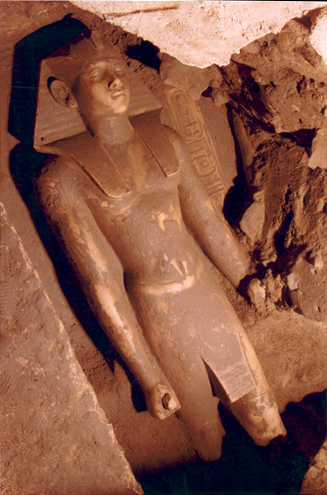
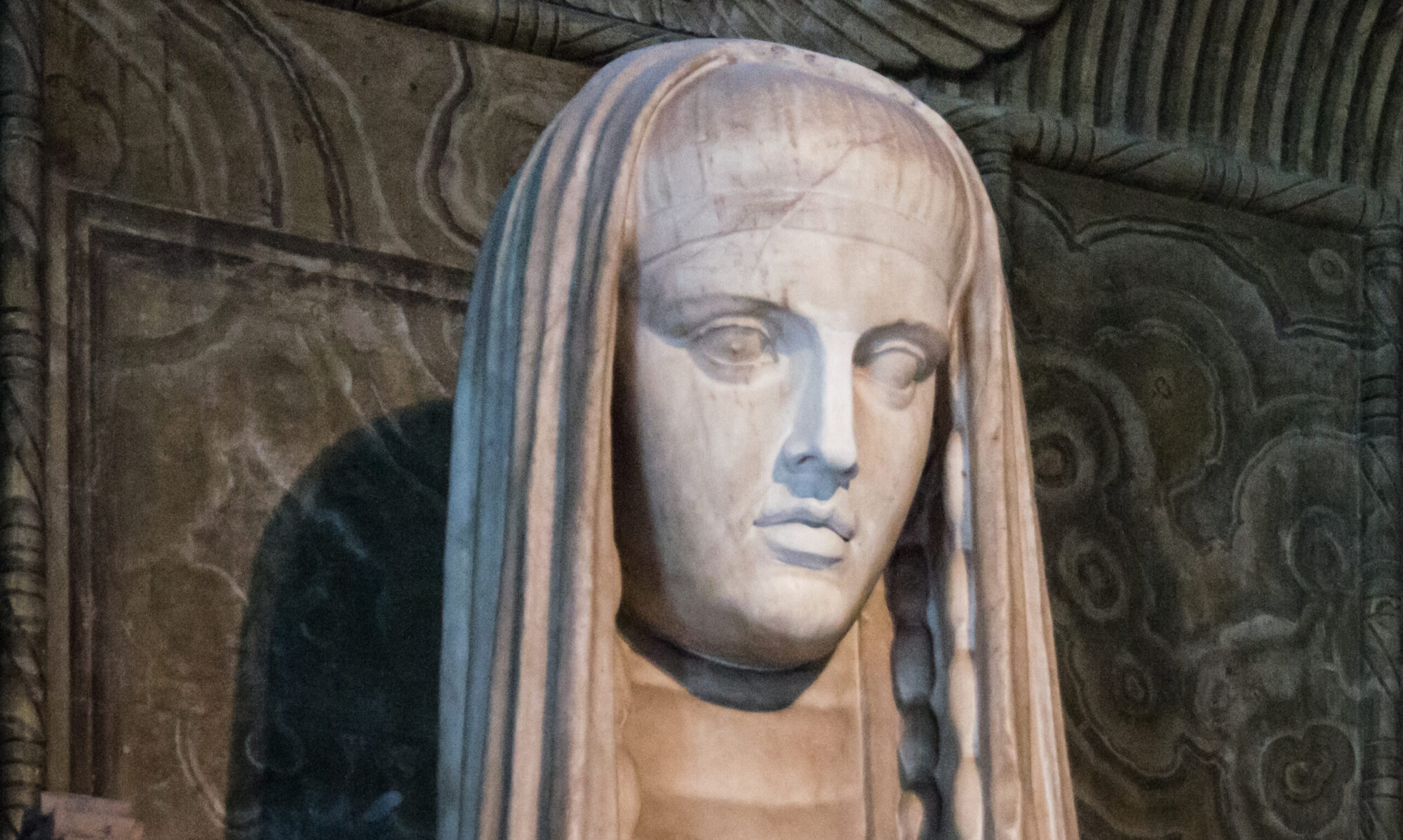
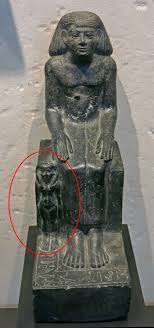
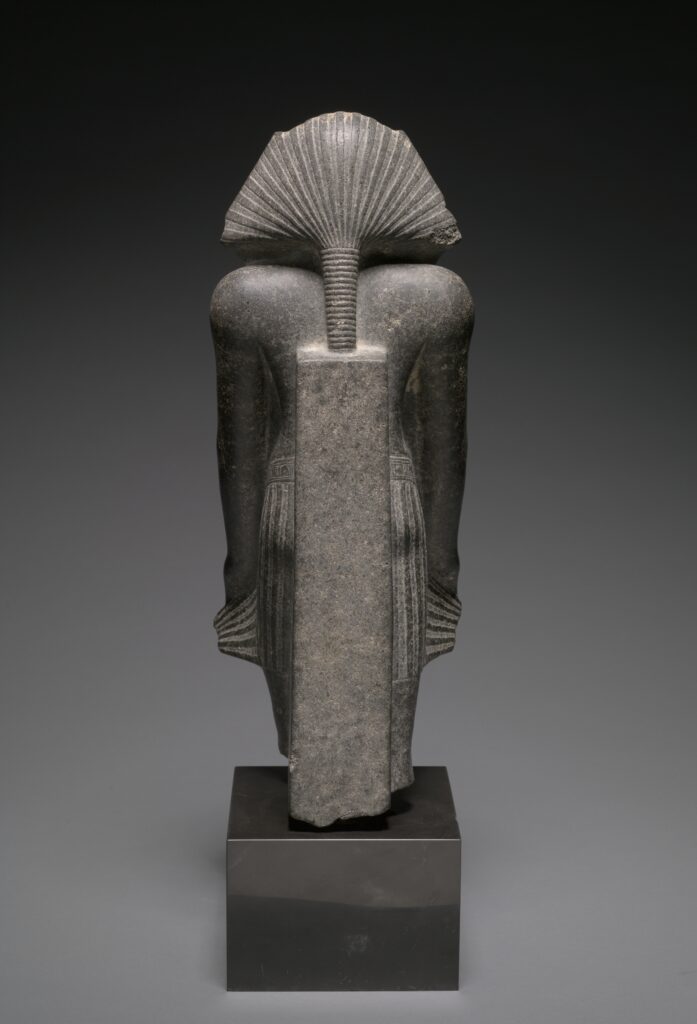
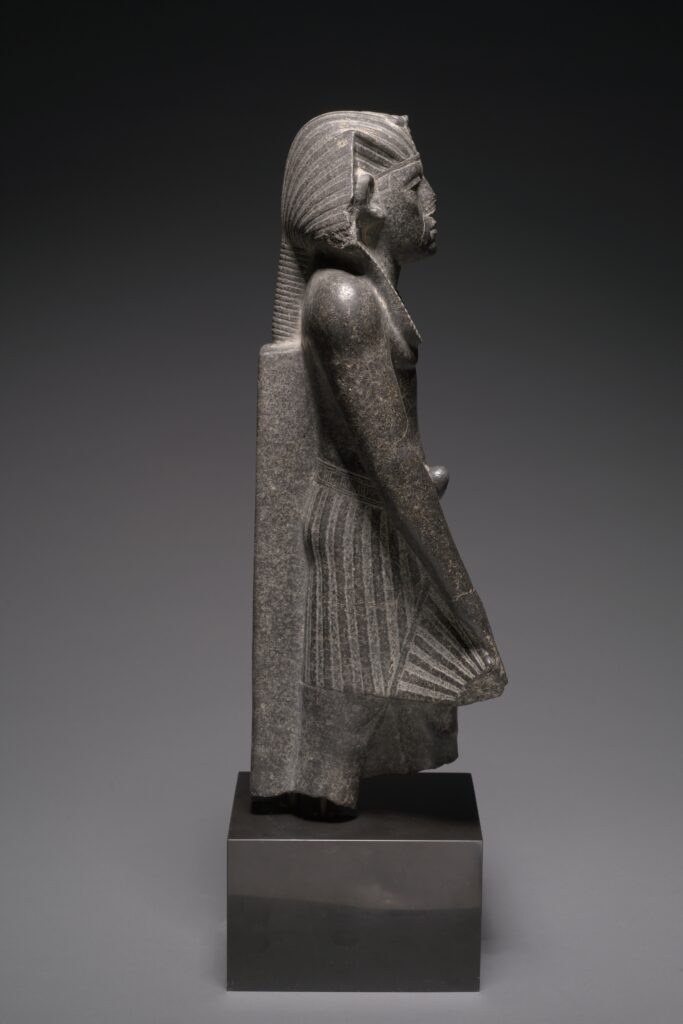
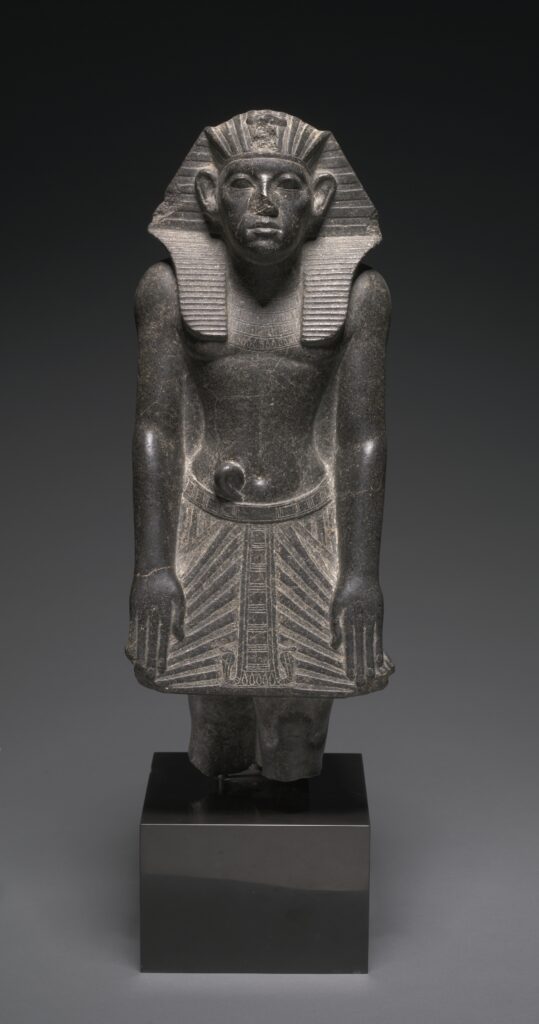
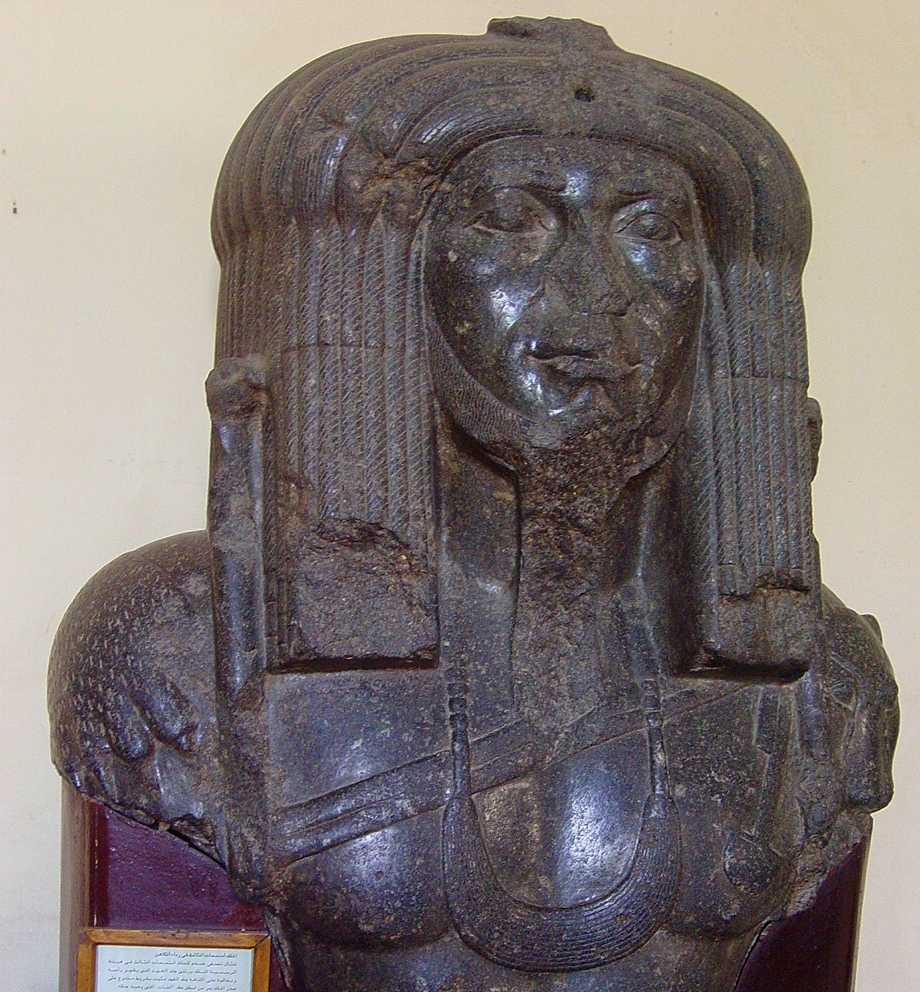
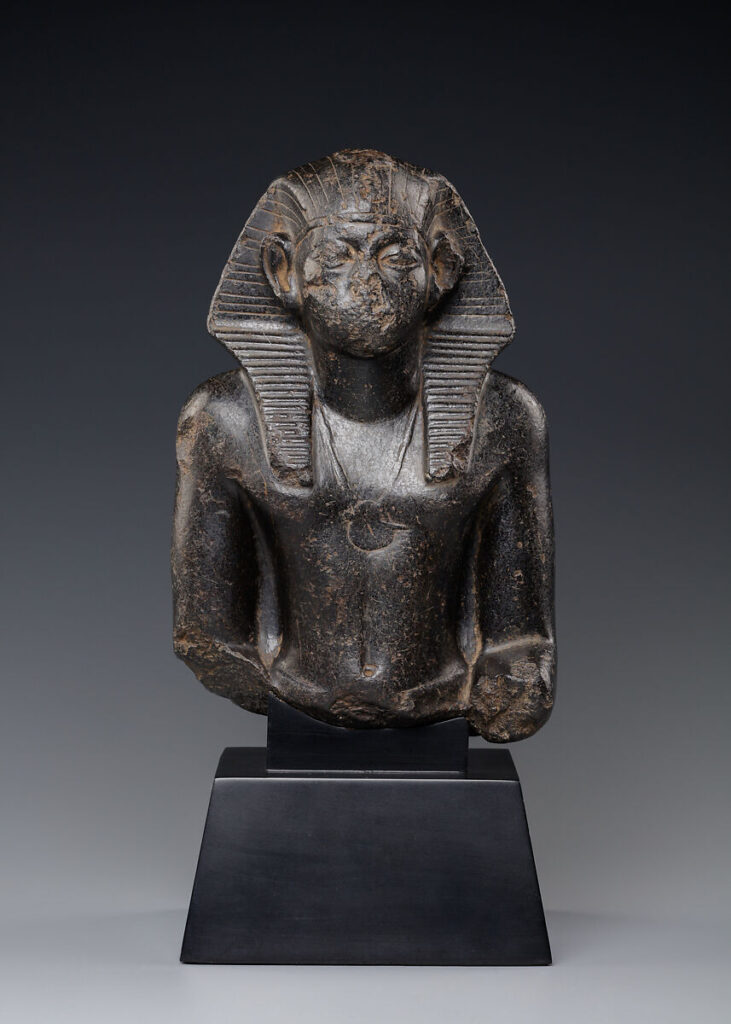
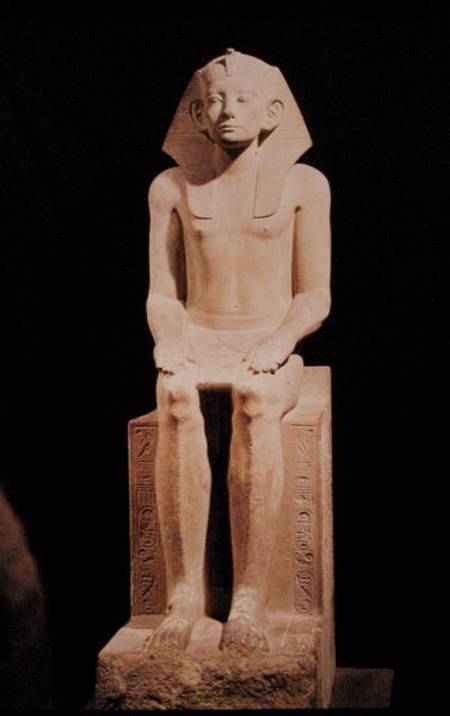
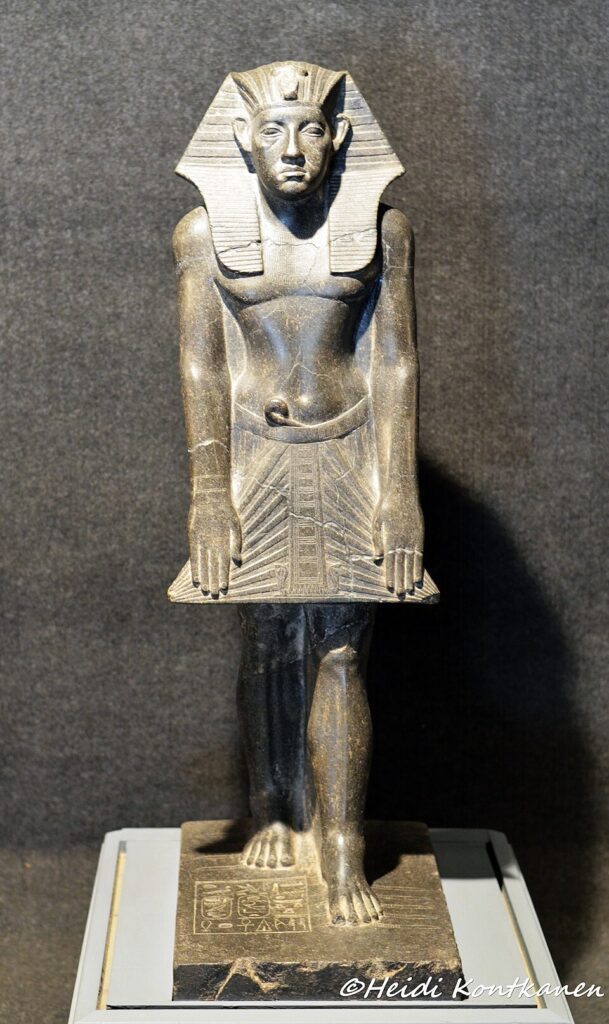
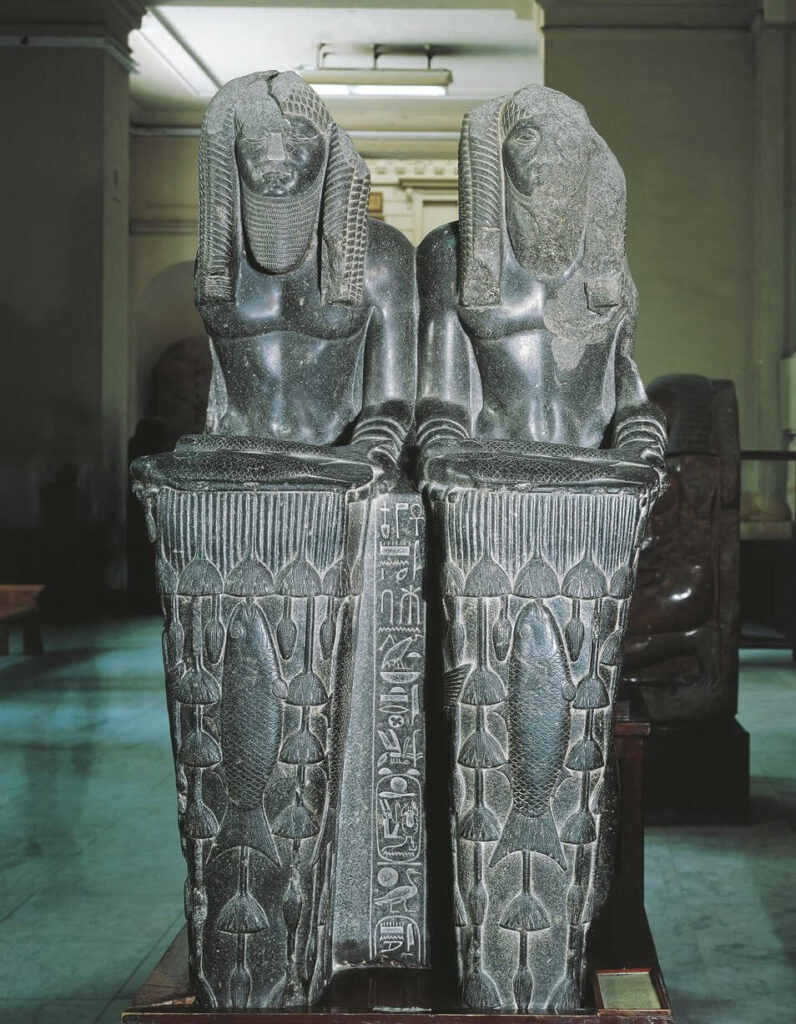
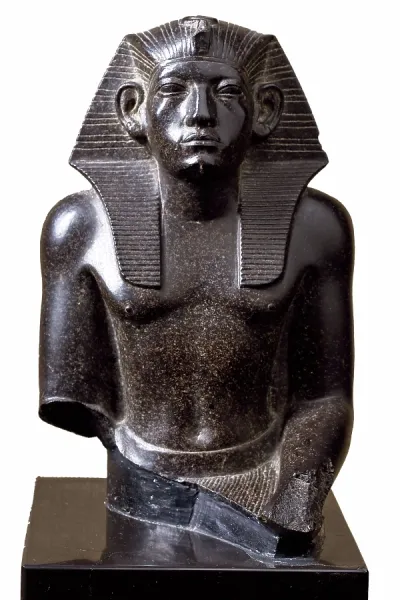
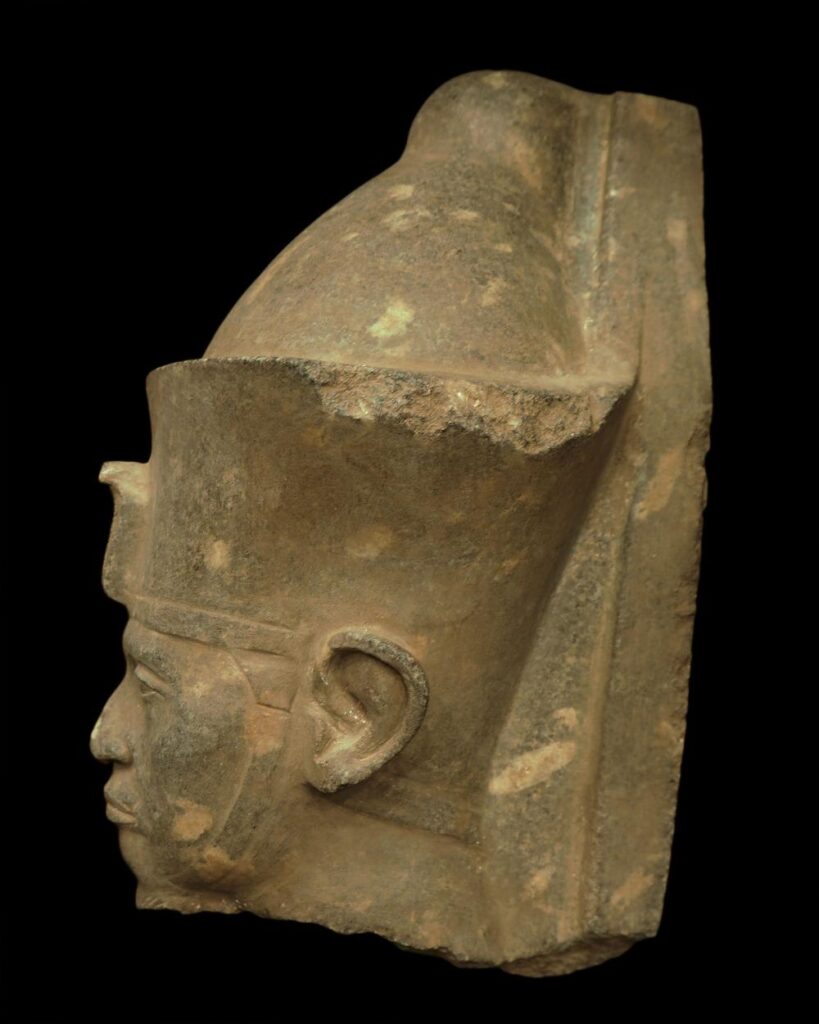
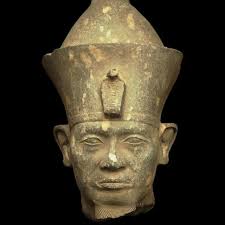
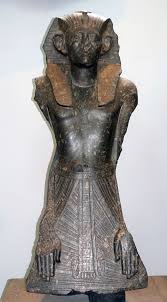
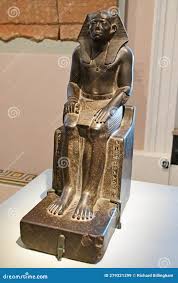
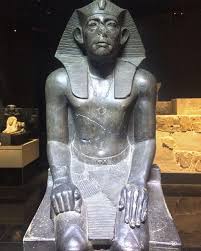
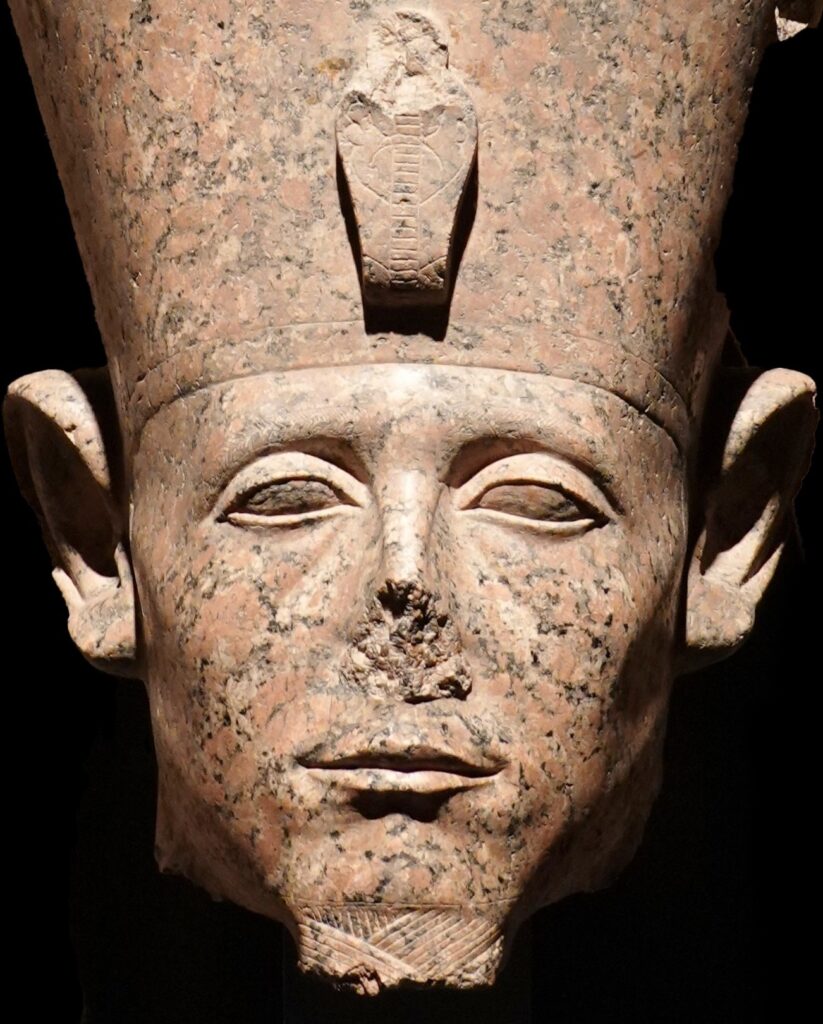
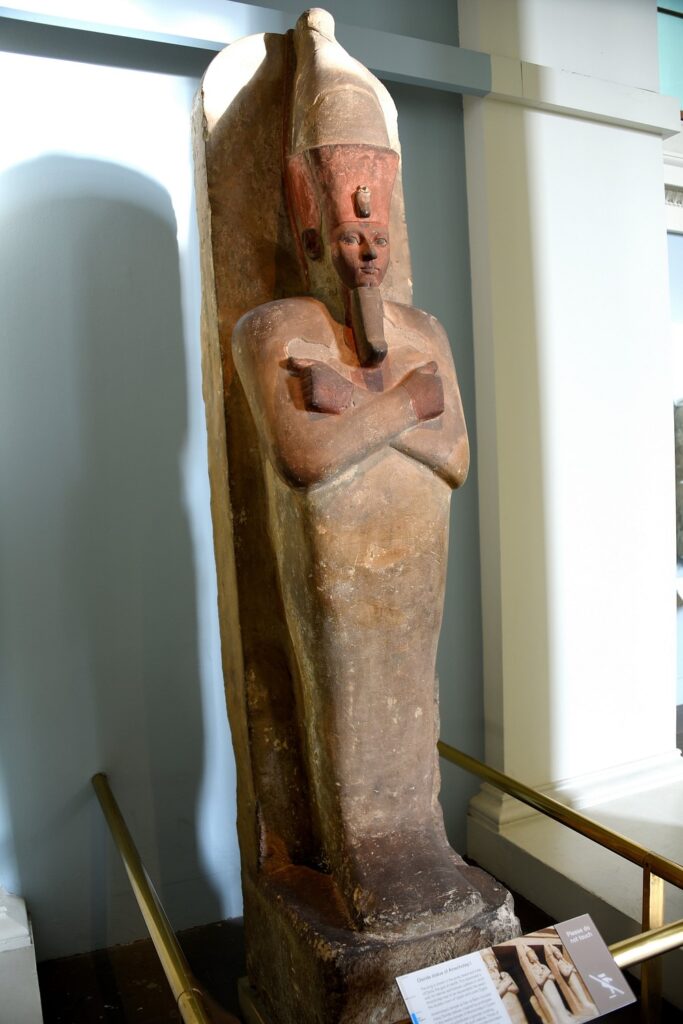
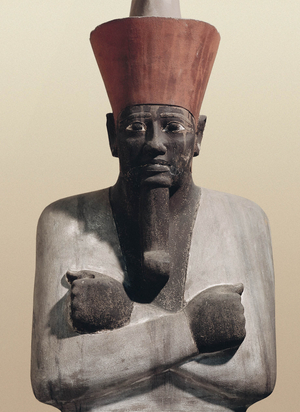
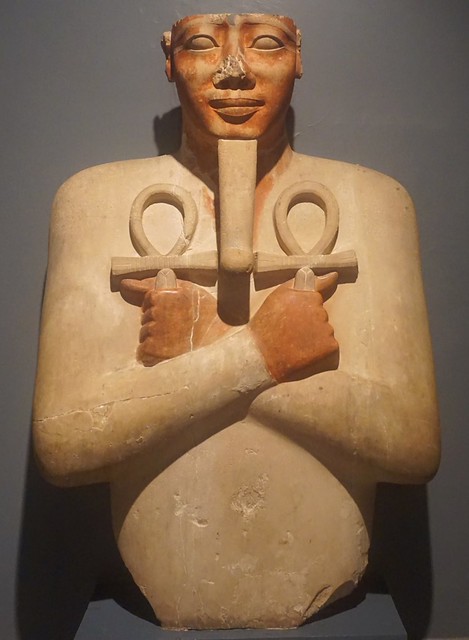
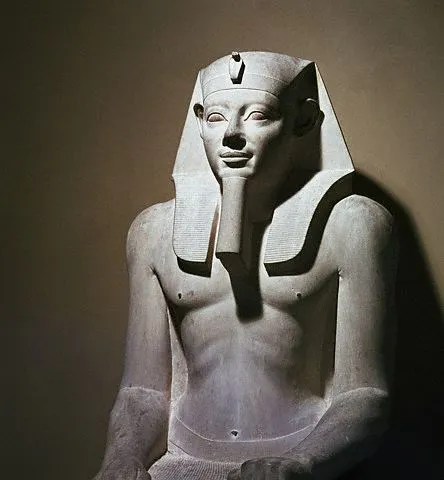
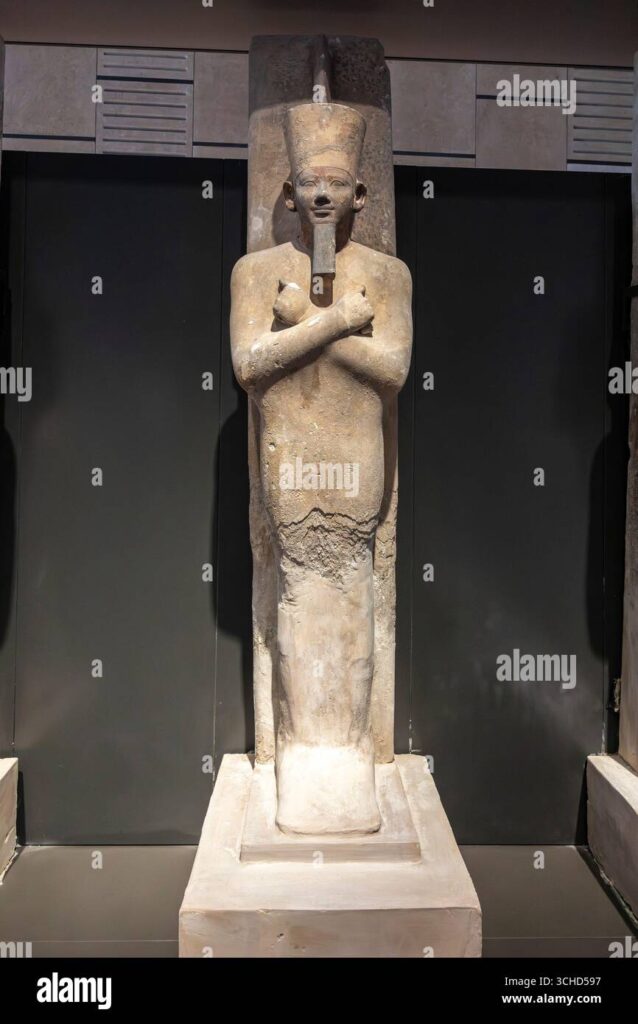
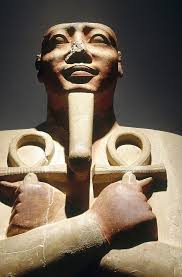
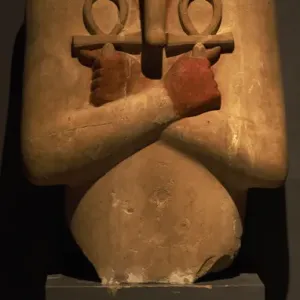
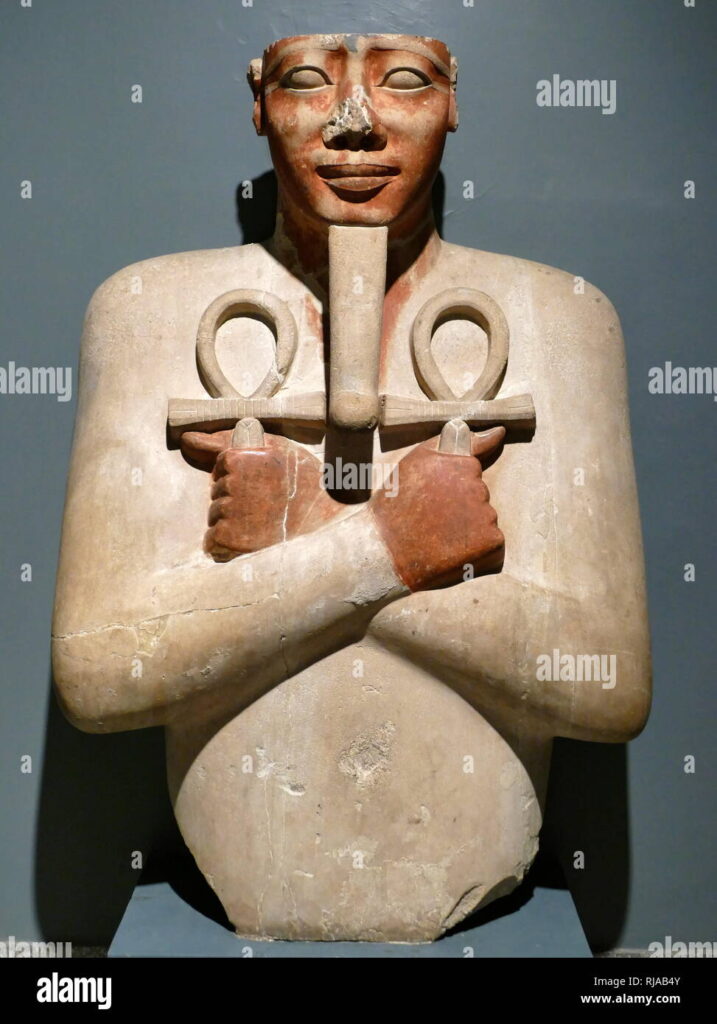
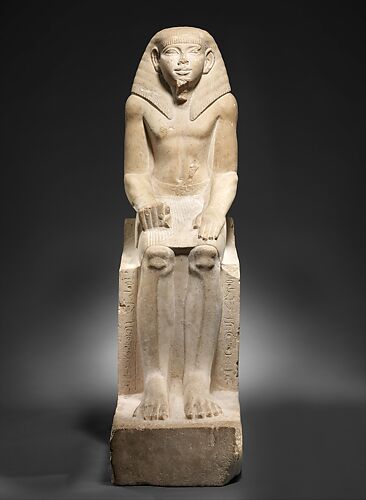
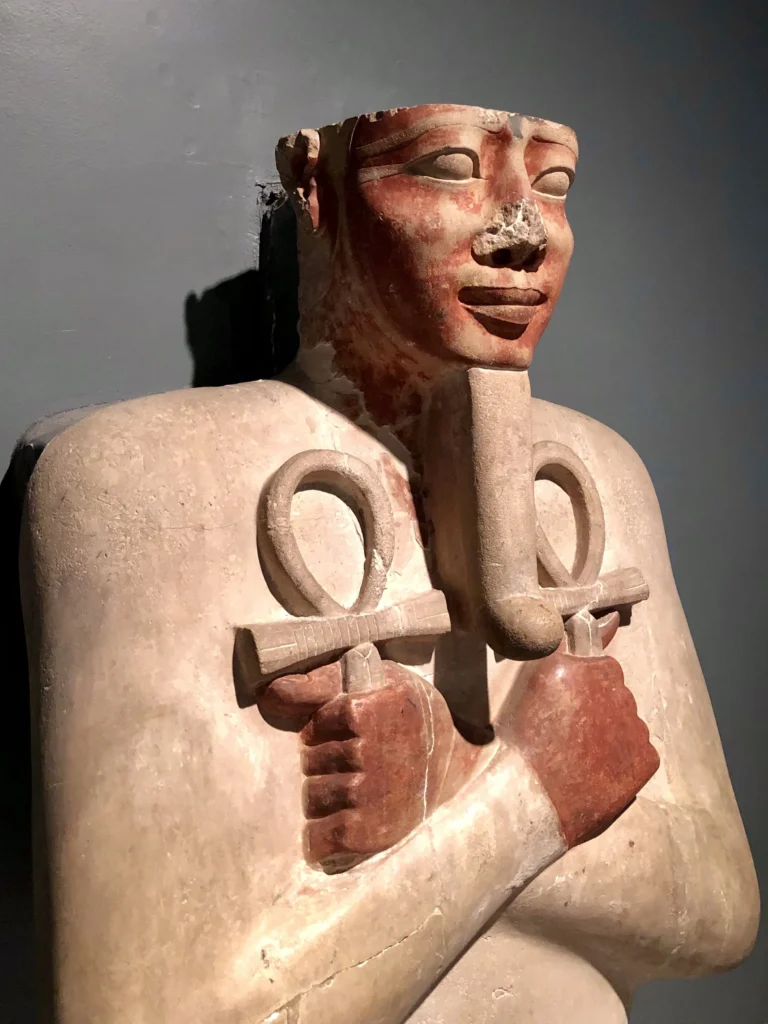
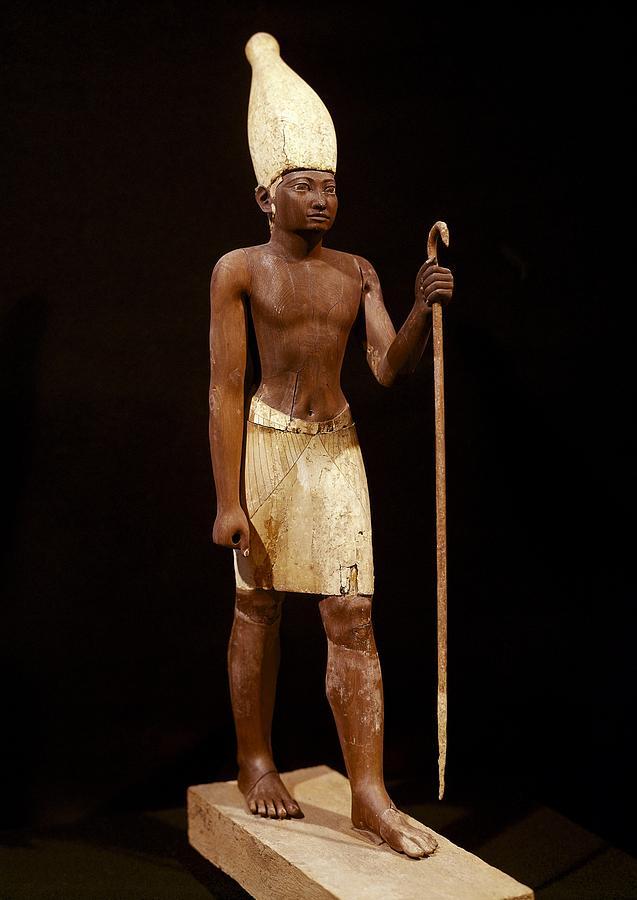
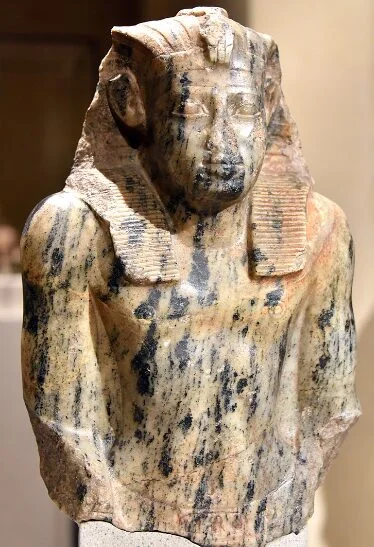
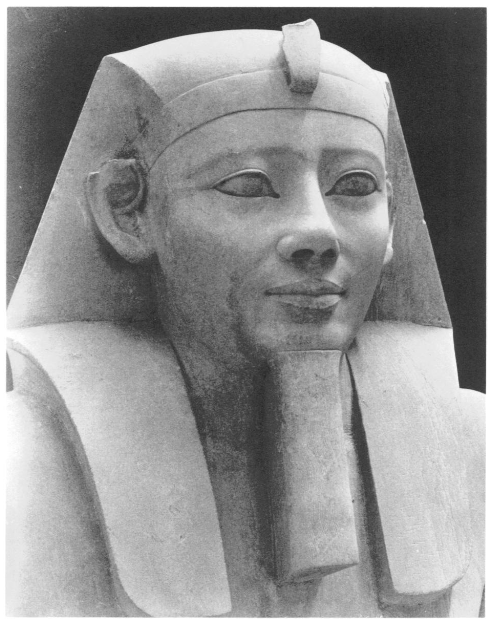
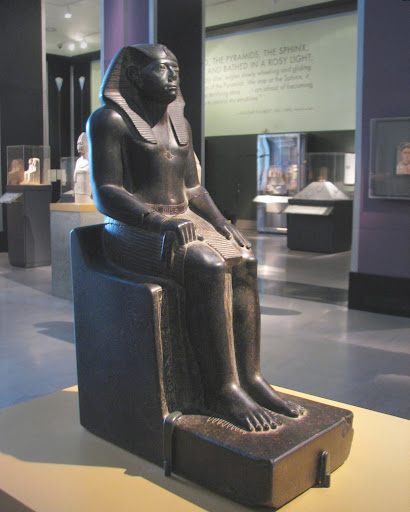
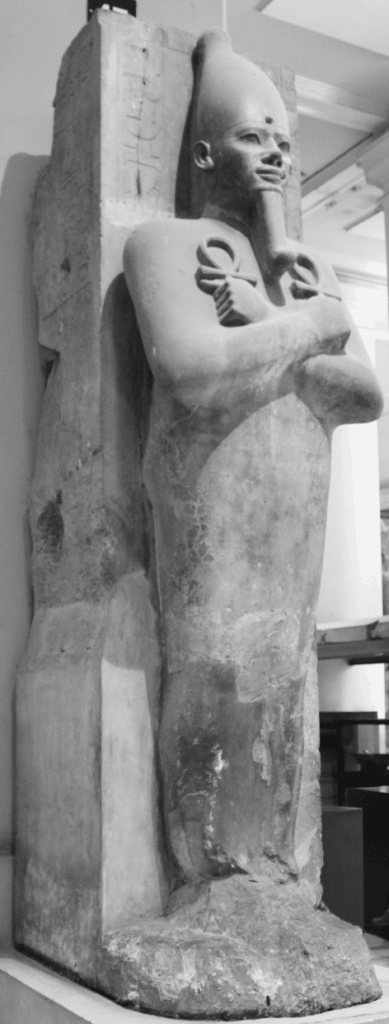
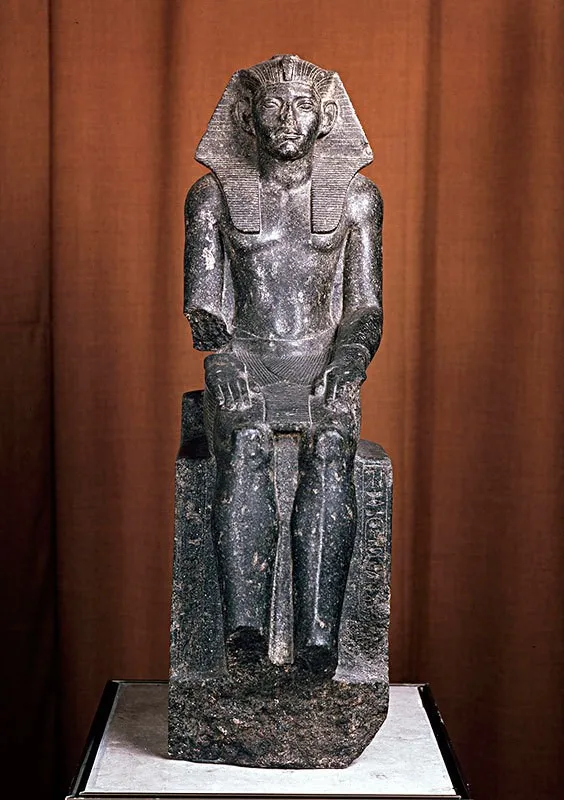
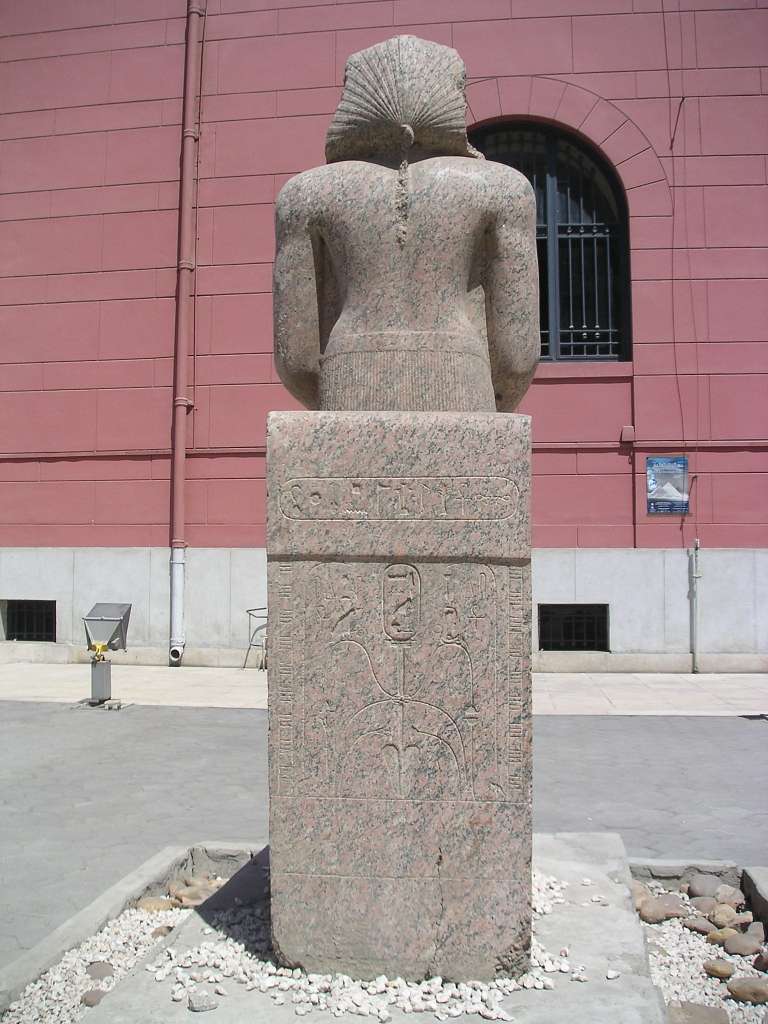
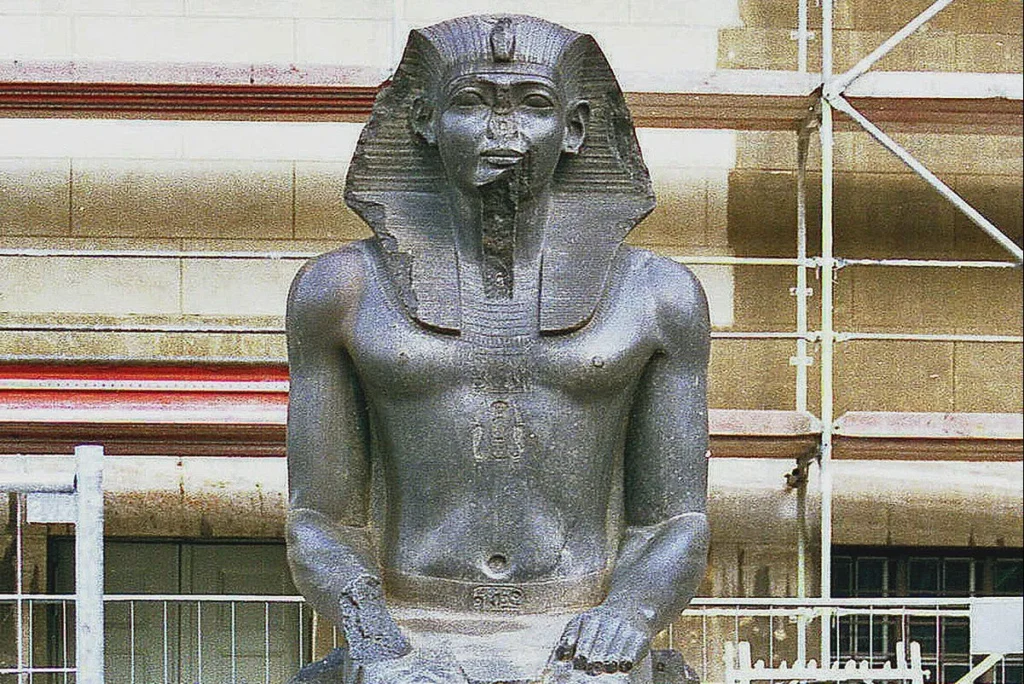
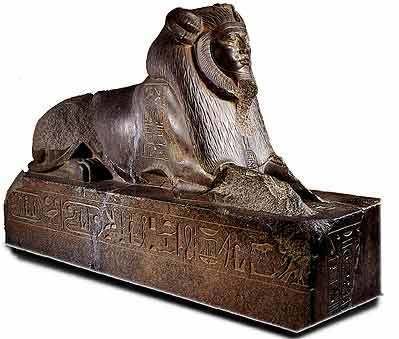
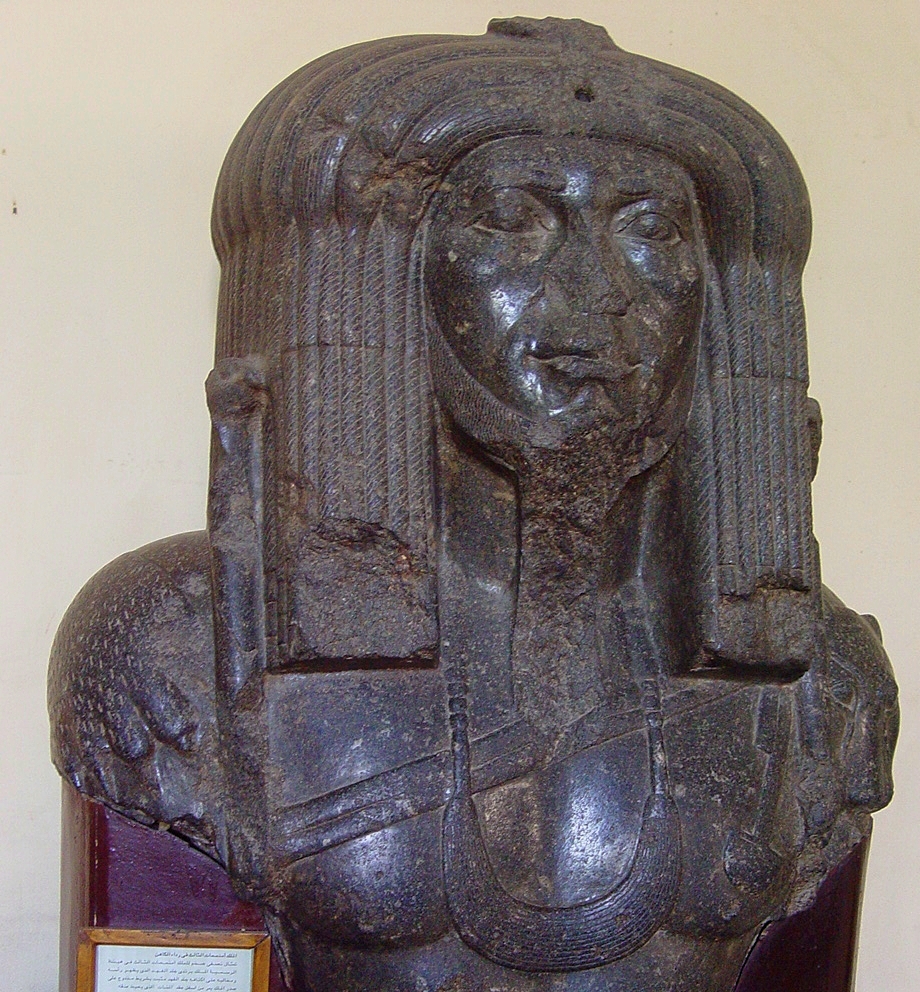
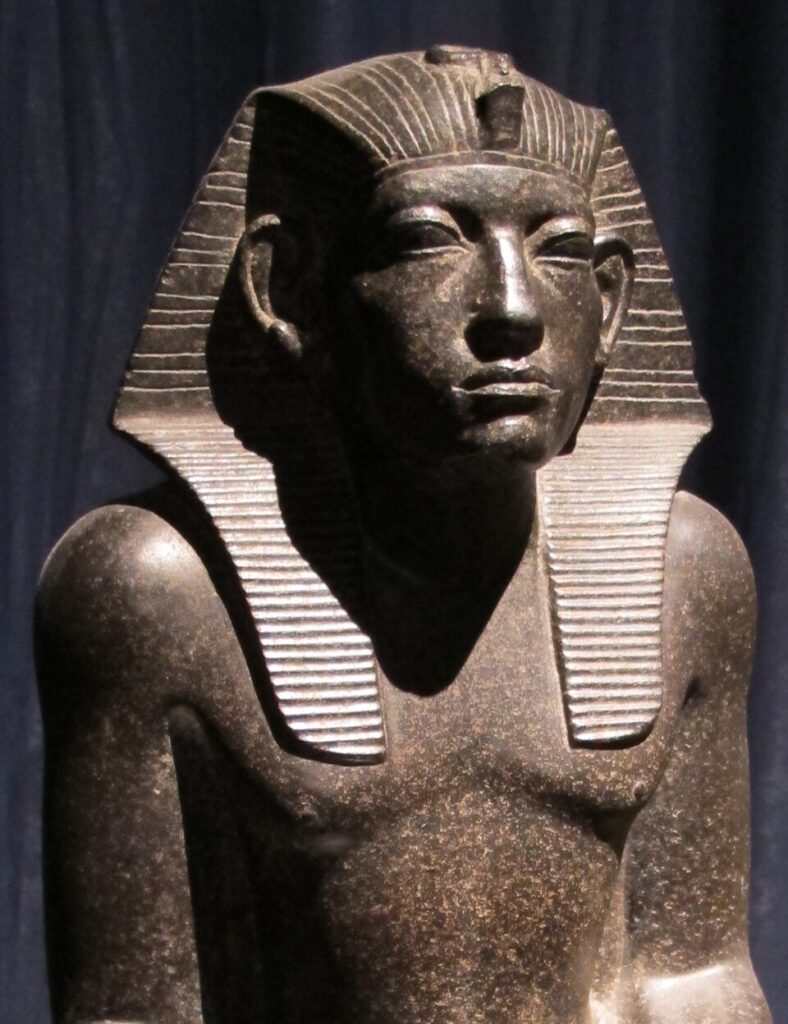
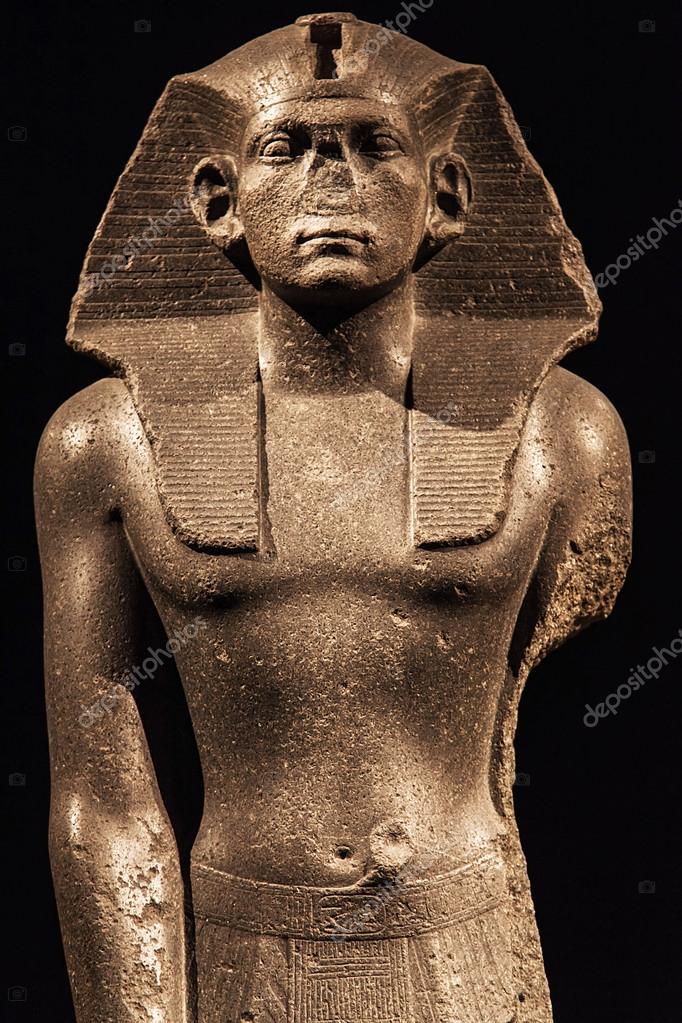
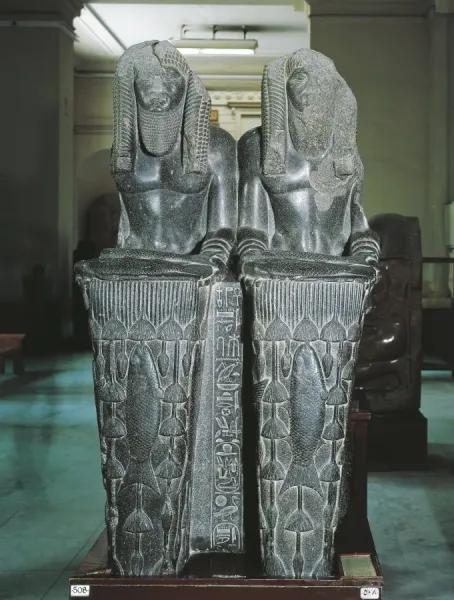
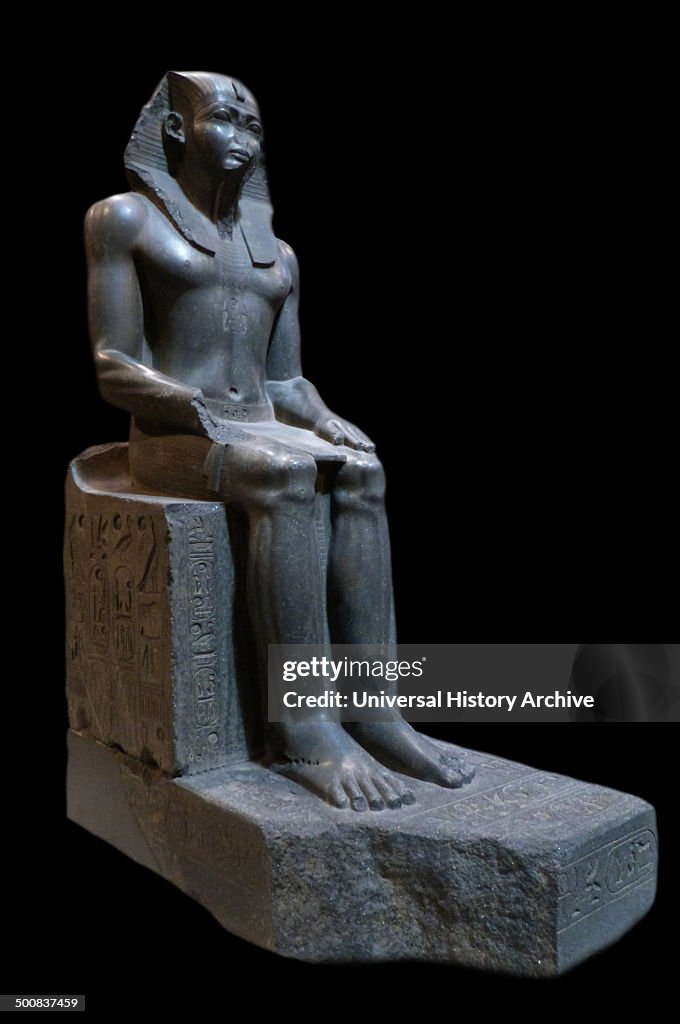
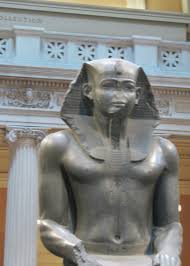
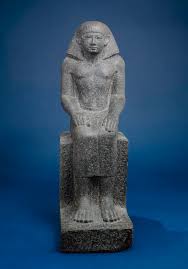
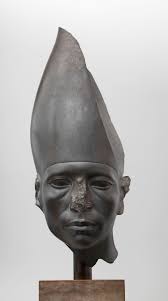
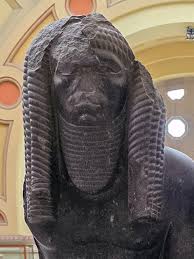
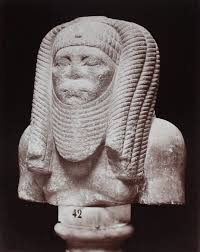
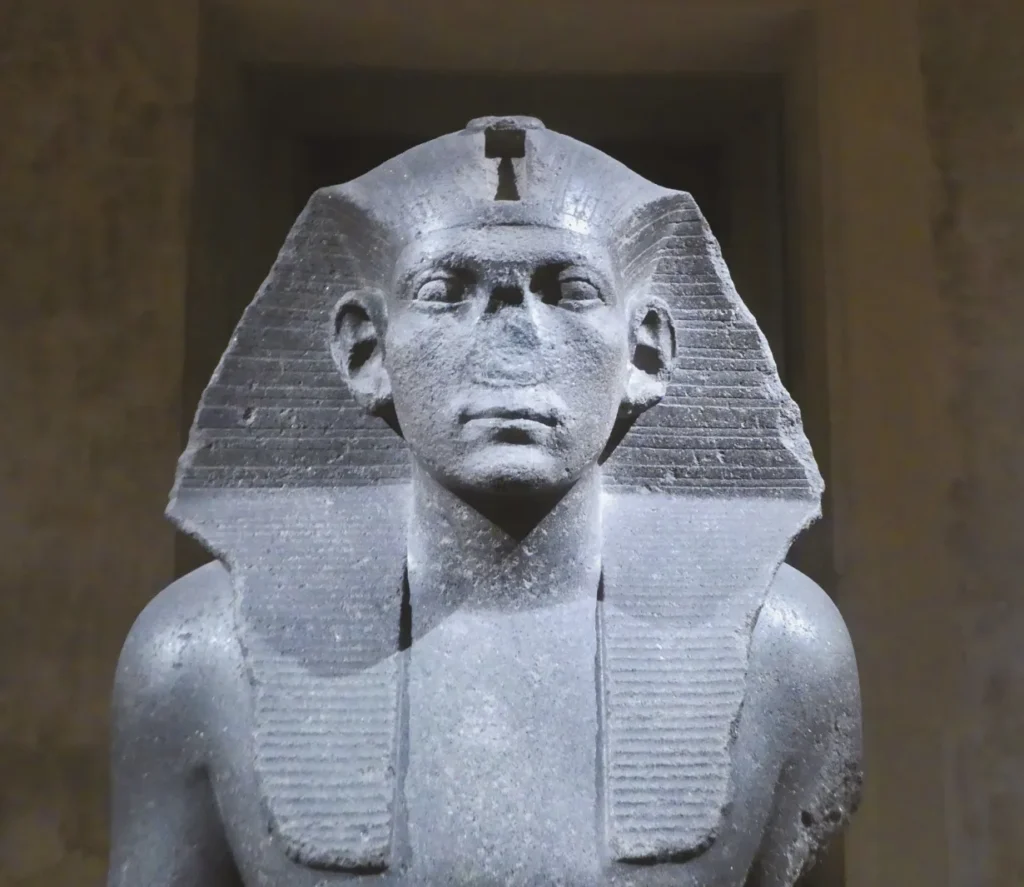
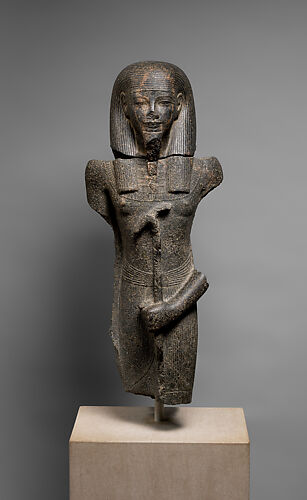
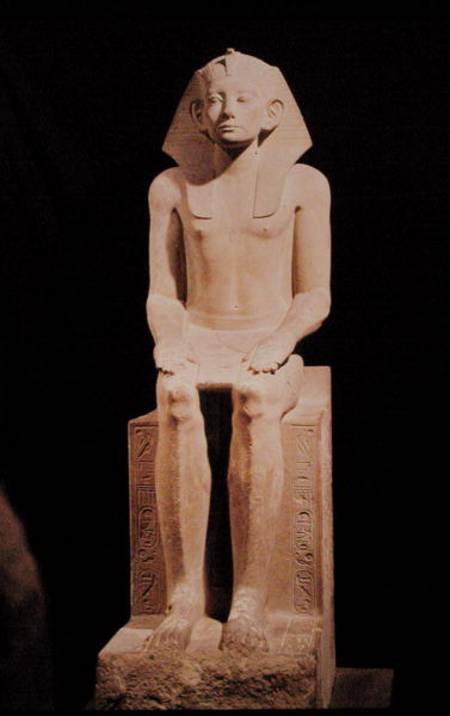
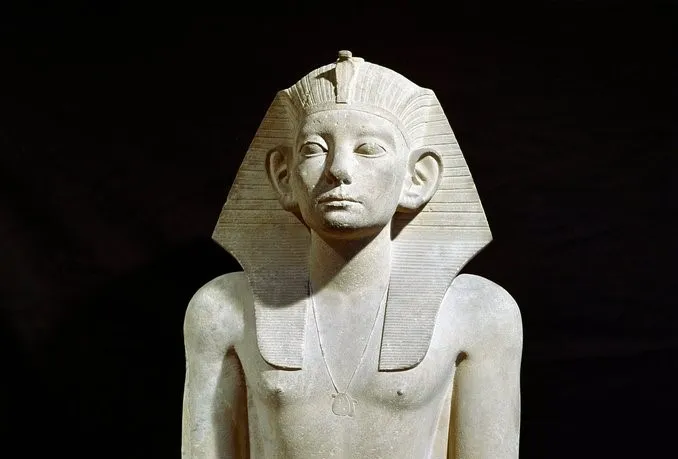
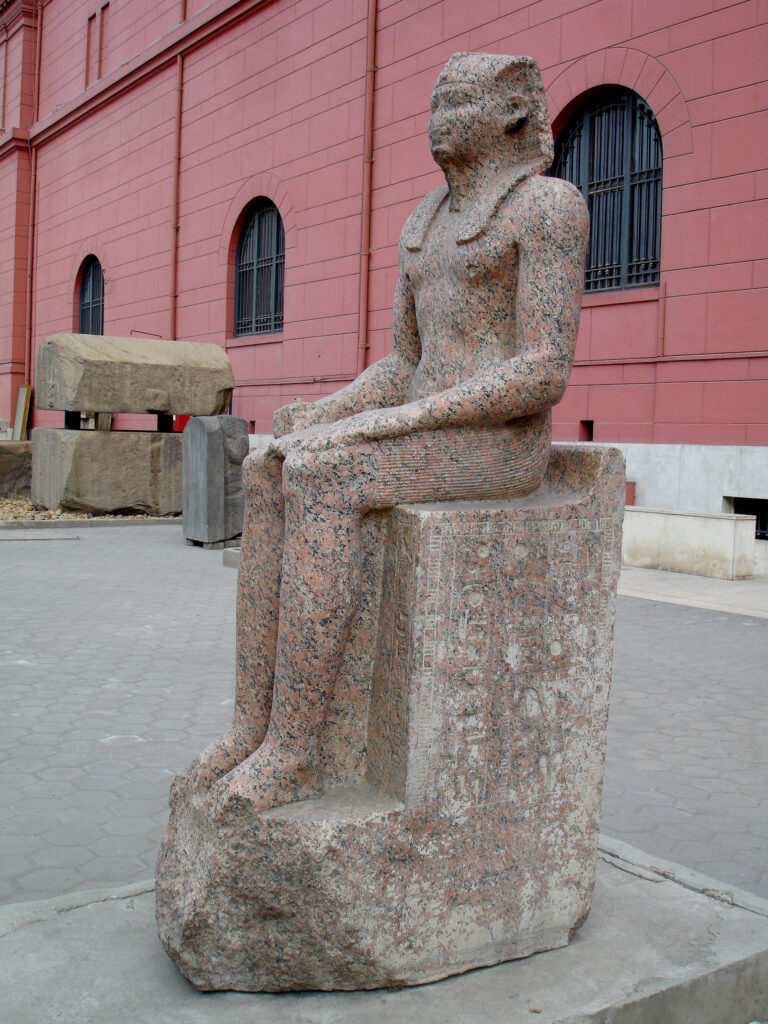
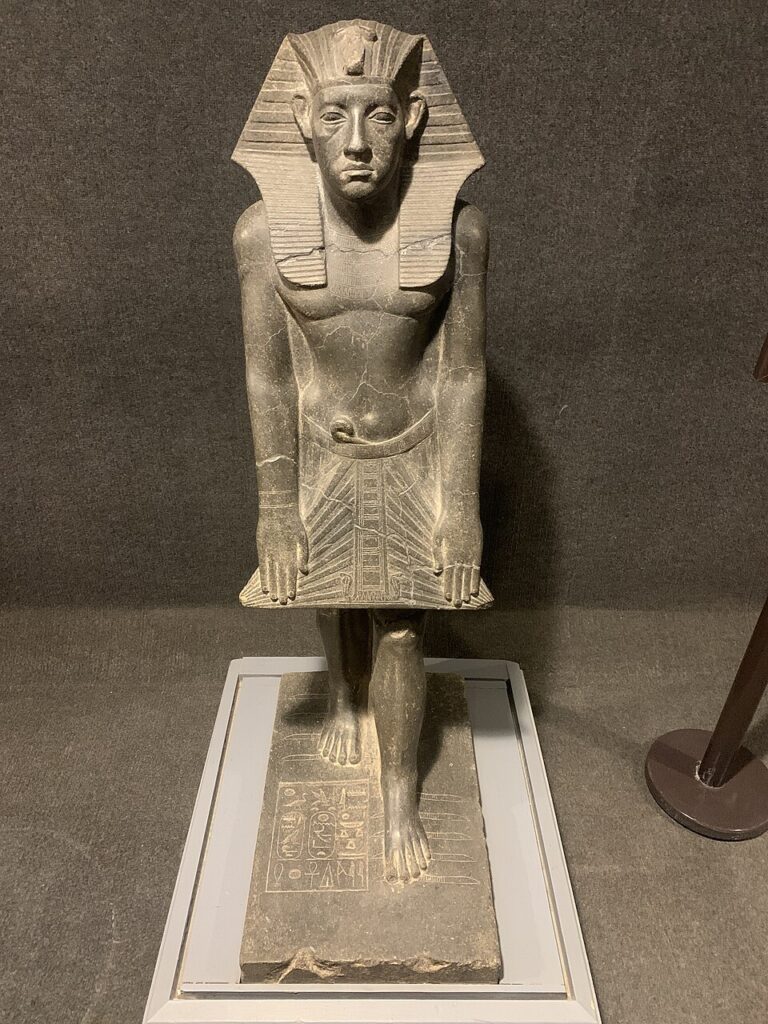
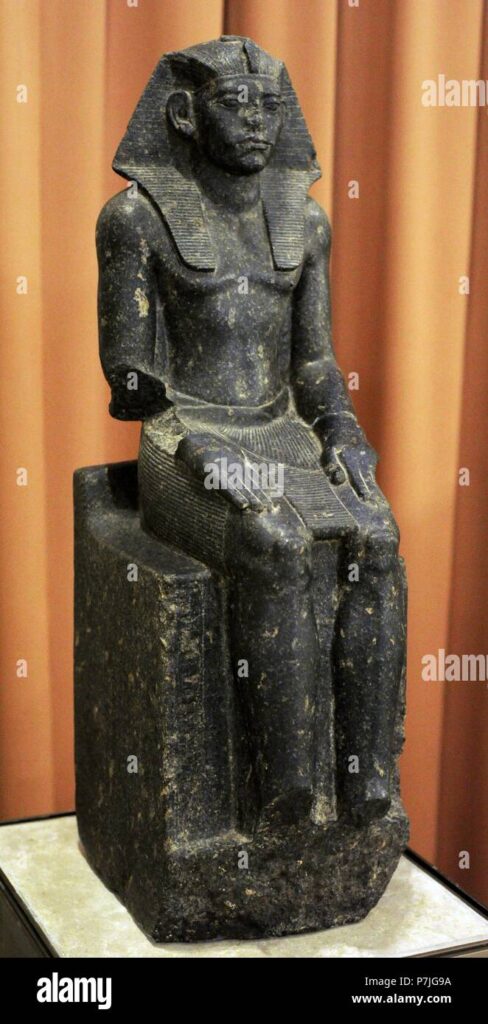
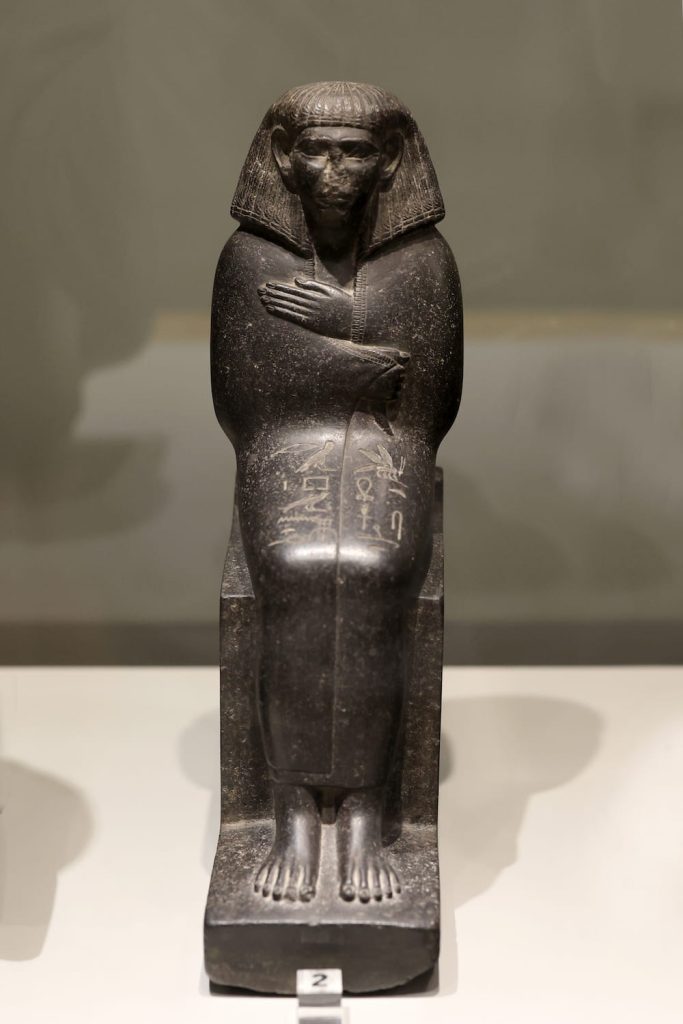
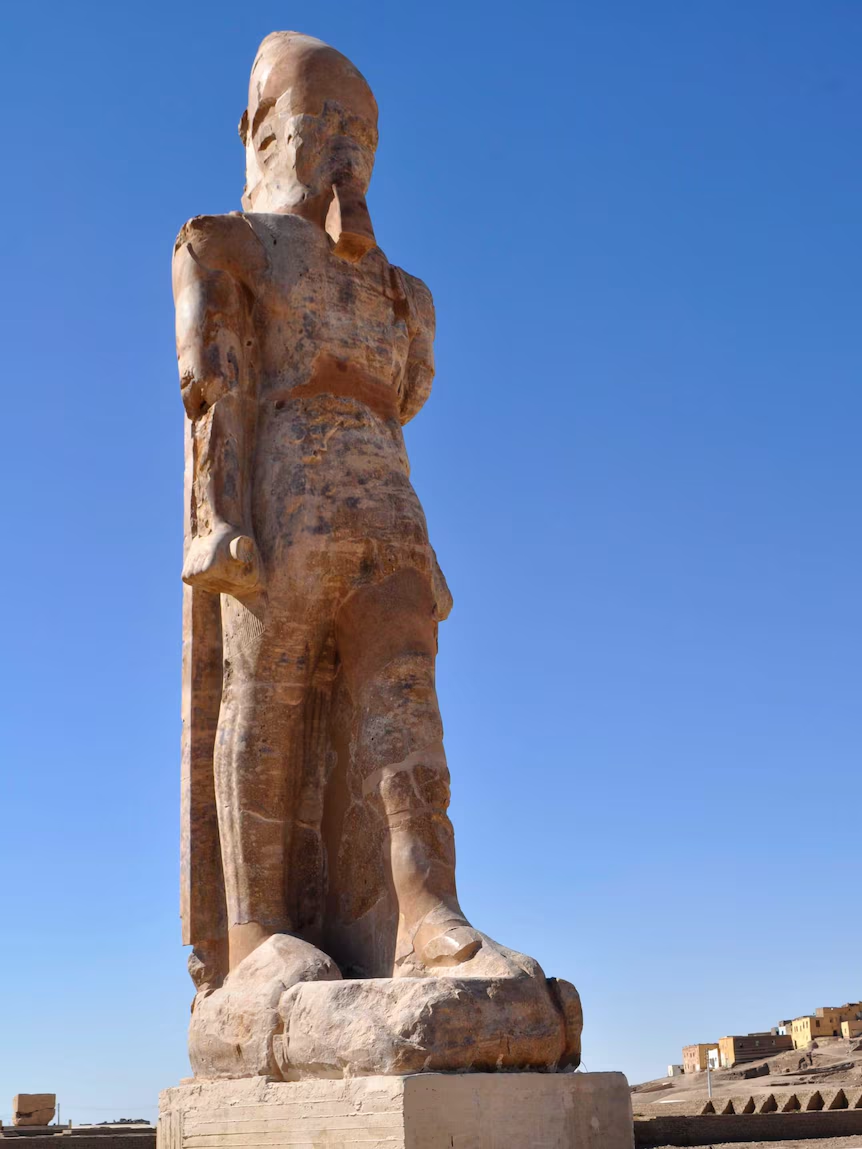
UXIR171253 Seated Statue of Amenemhat III (1843-1798 BC) (limestone) by Egyptian, 12th Dynasty (1991-1786 BC) limestone Egyptian National Museum, Cairo, Egypt Egyptian, out of copyright
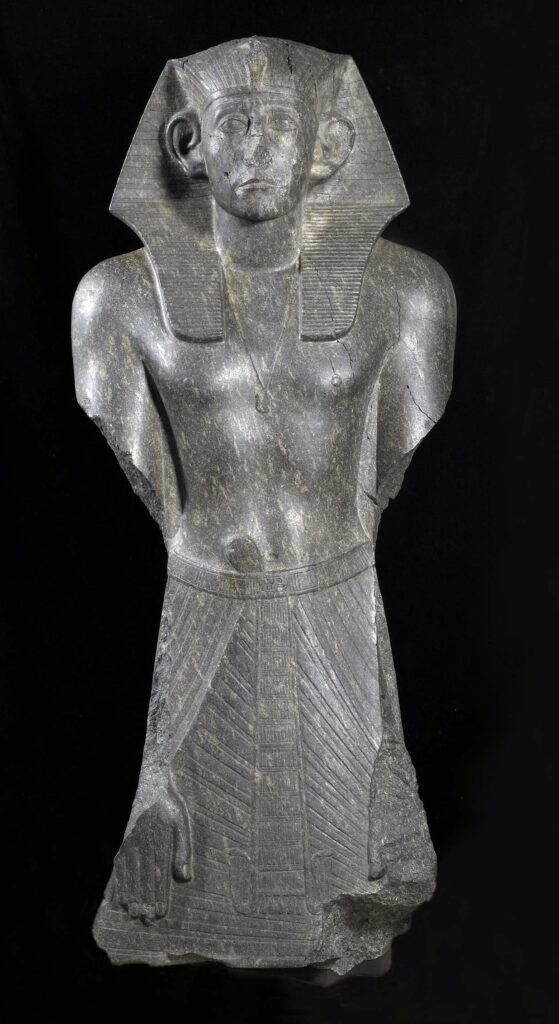
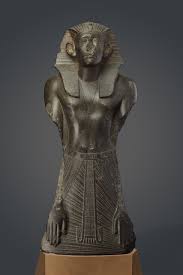
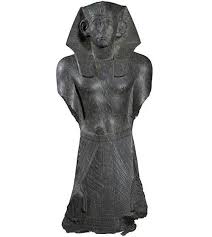
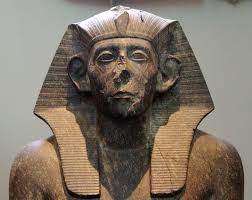
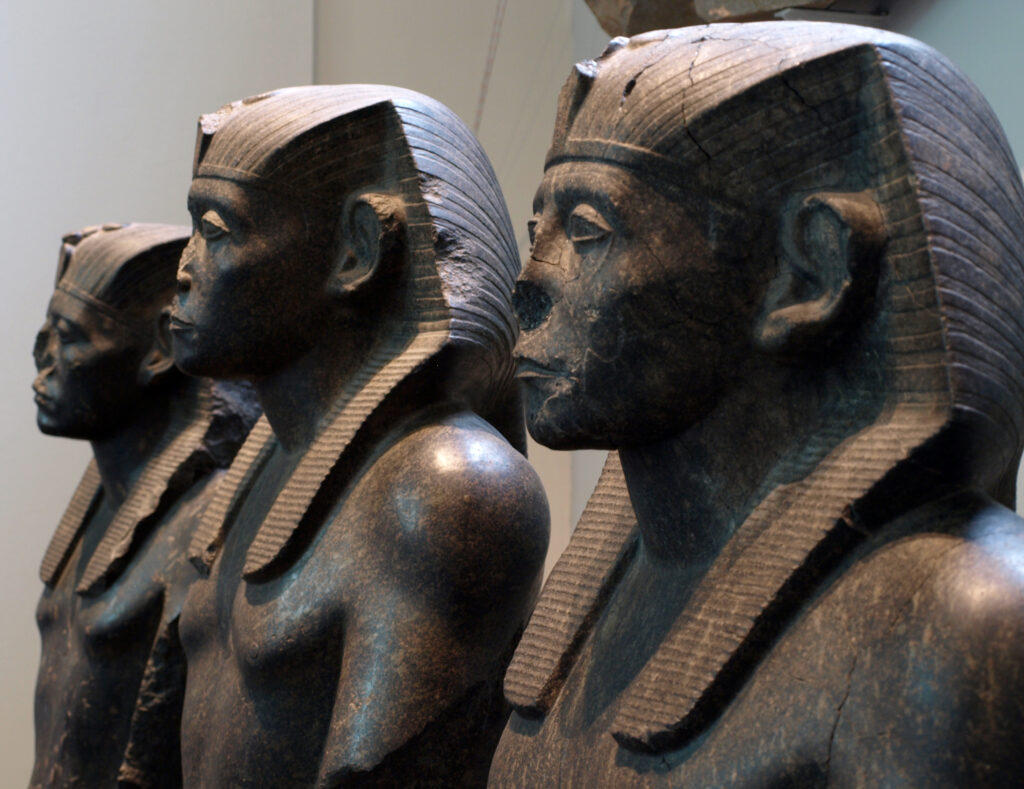
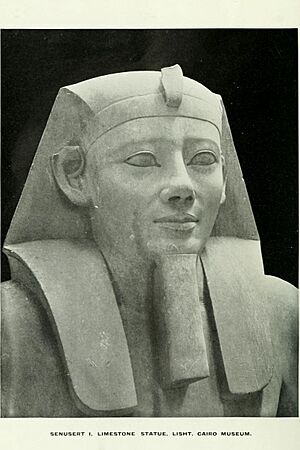
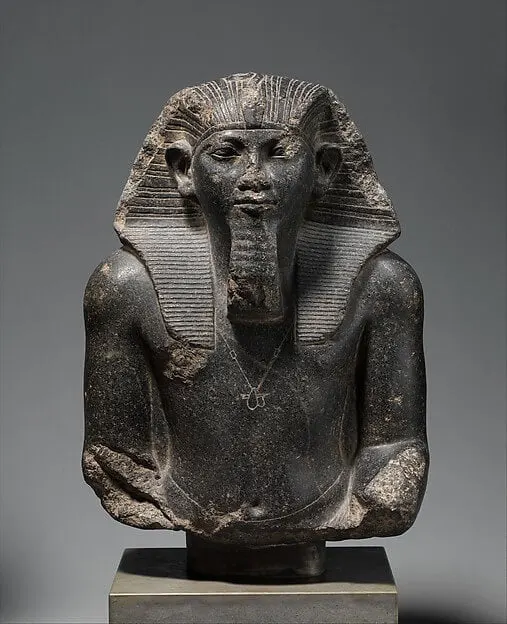
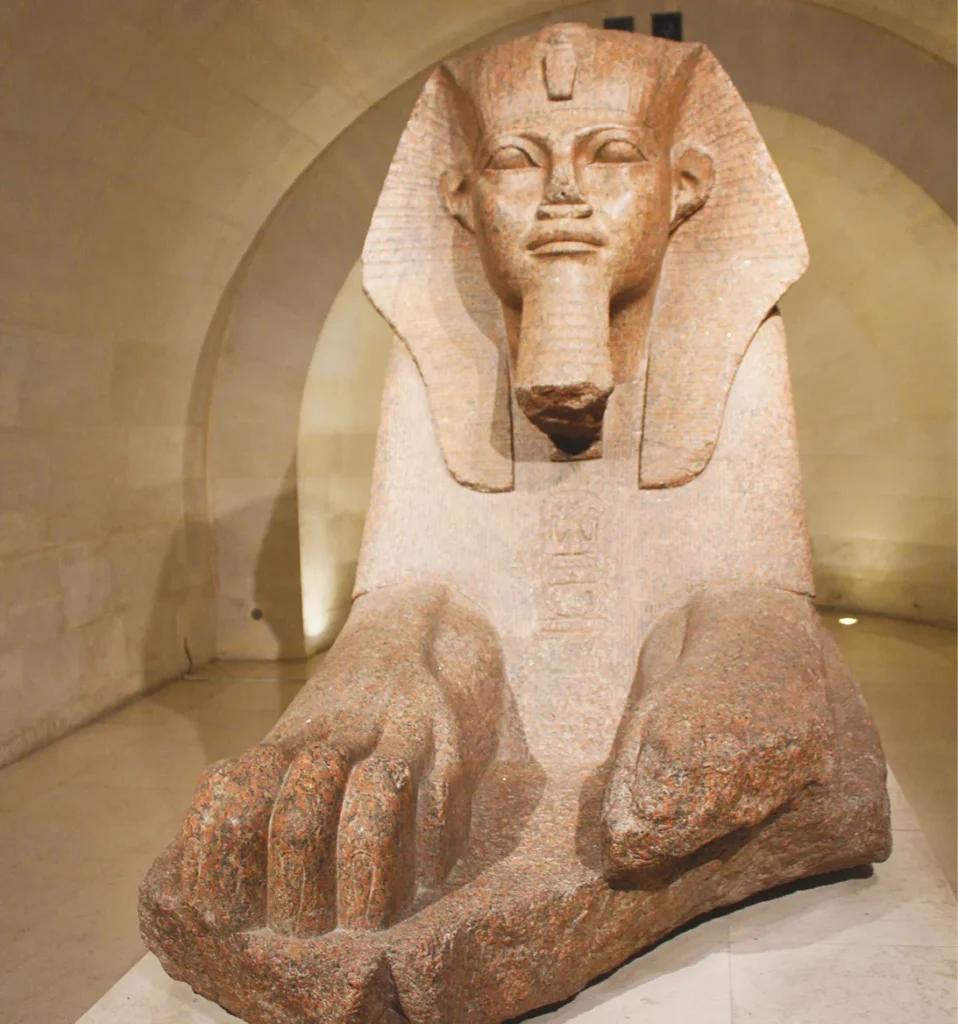
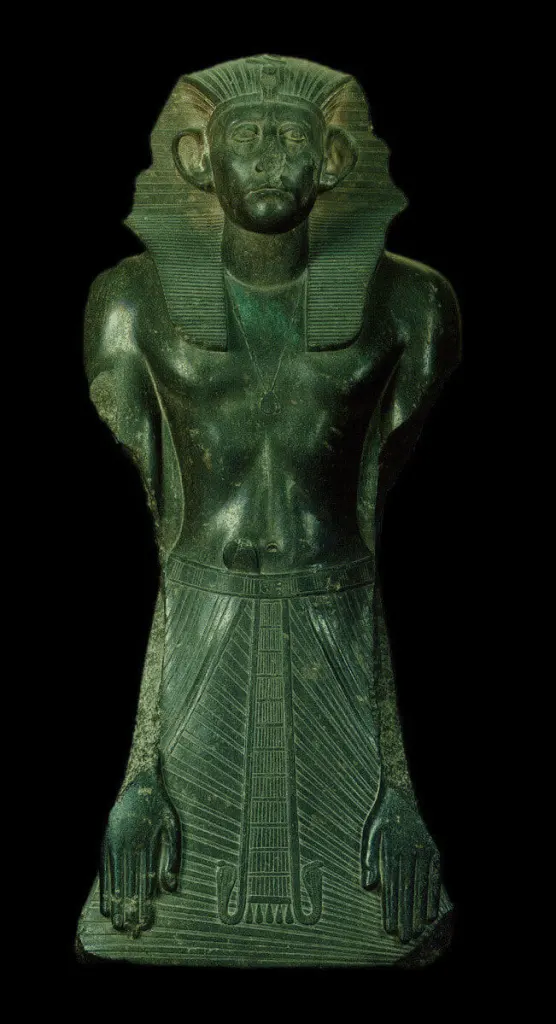
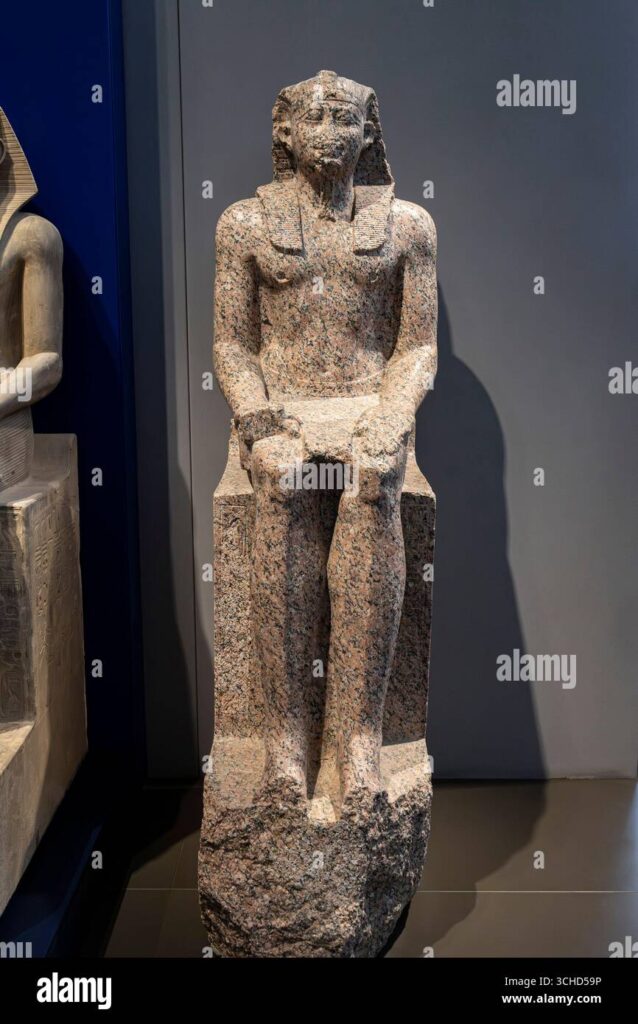
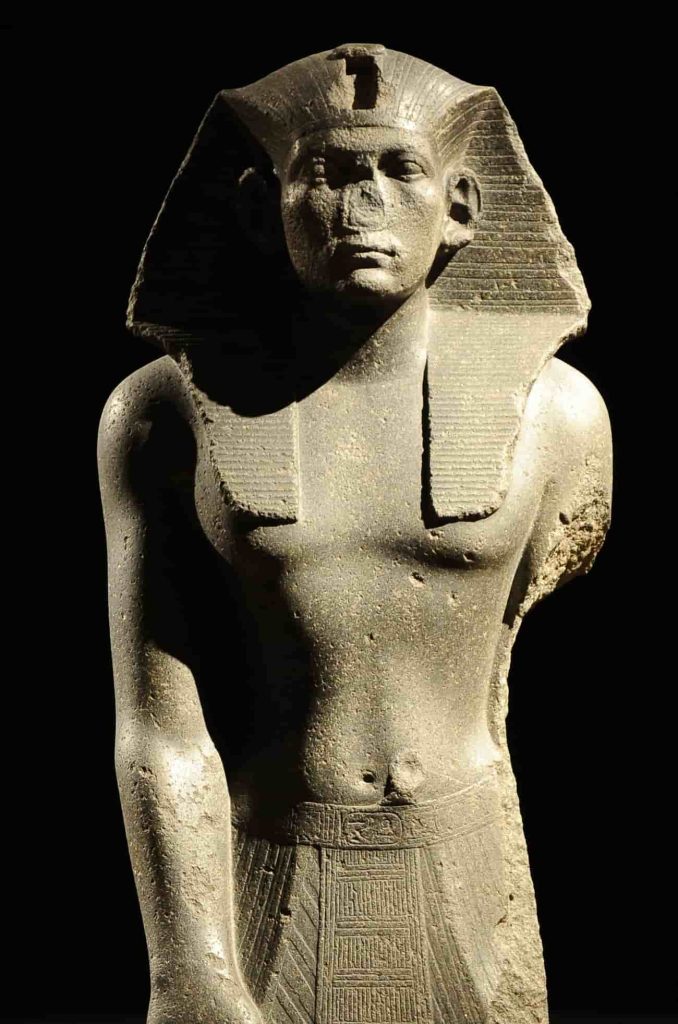
Granite Statue of Senusret III 1843 B.C.Louvre Museum (Photo by: Universal History Archive/Universal Images Group via Getty Images)OLYMPUS DIGITAL CAMERA
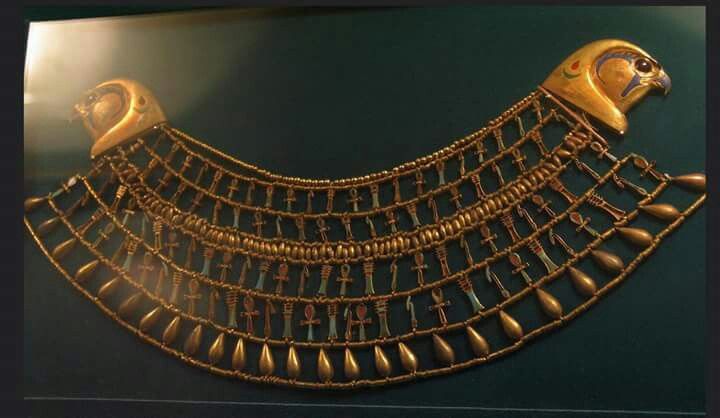
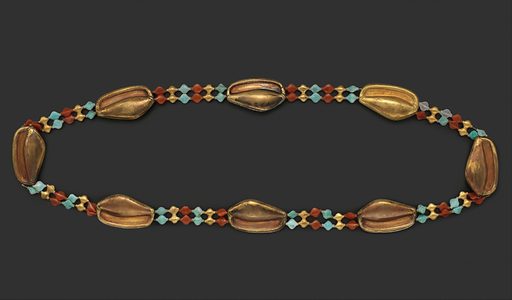
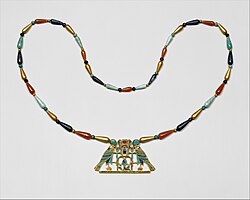
SONY DSCCowrie Shell Girdle of Sithathoryunet, ca. 1887–1813 B.C.
Egyptian, Middle Kingdom
Gold, carnelian, feldspar, pellets of copper-silver alloy, cowrie shells; L. 84.3 cm (33 3/16 in.) L. (cowrie) 4.7 cm (1 7/8 in.)
The Metropolitan Museum of Art, New York, Purchase, Rogers Fund and Henry Walters Gift, 1916 (16.1.5)
http://www.metmuseum.org/Collections/search-the-collections/545533Cowrie Shell Girdle of Sithathoryunet (ca. 1887–1813 B.C.). Middle Kingdom. Dynasty 12. Reign of Senwosret II–Amenemhat III. From Fayum Entrance Area, Egypt. Accession number: 16.1.5
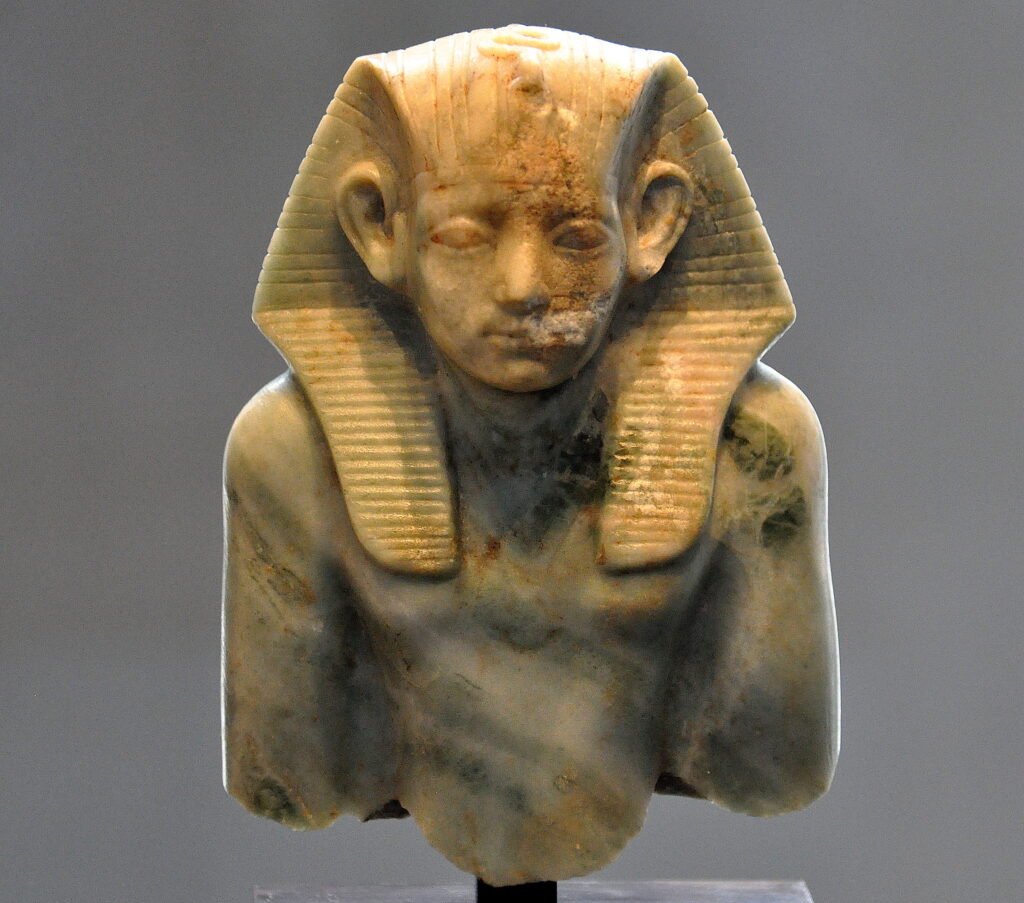
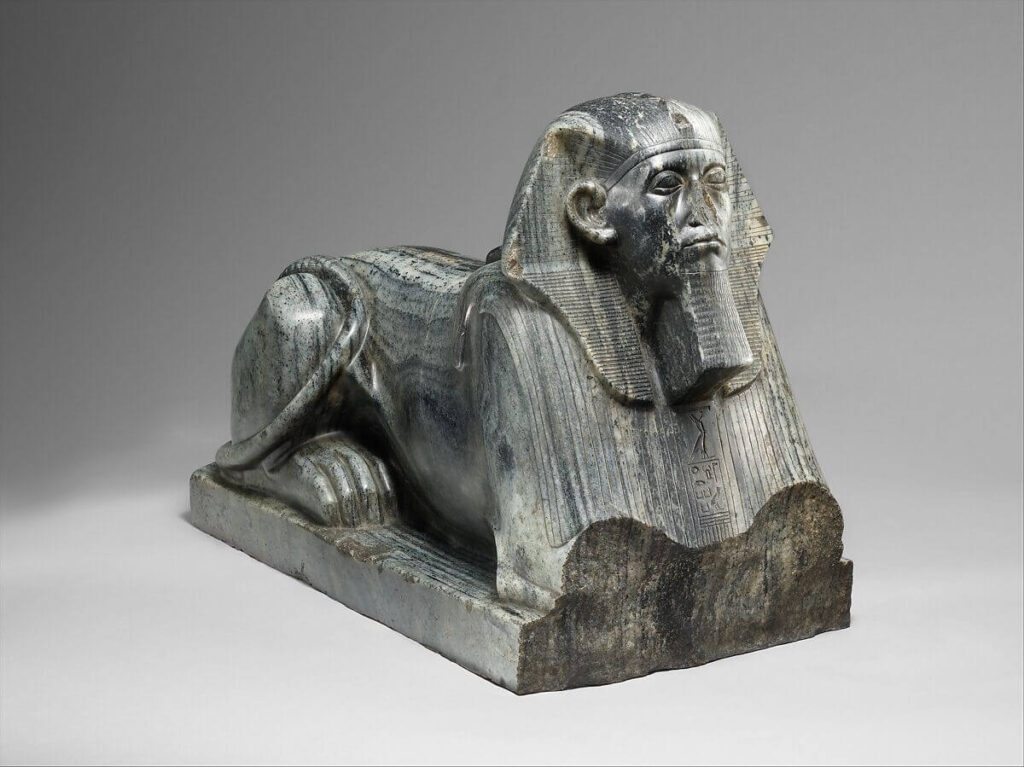
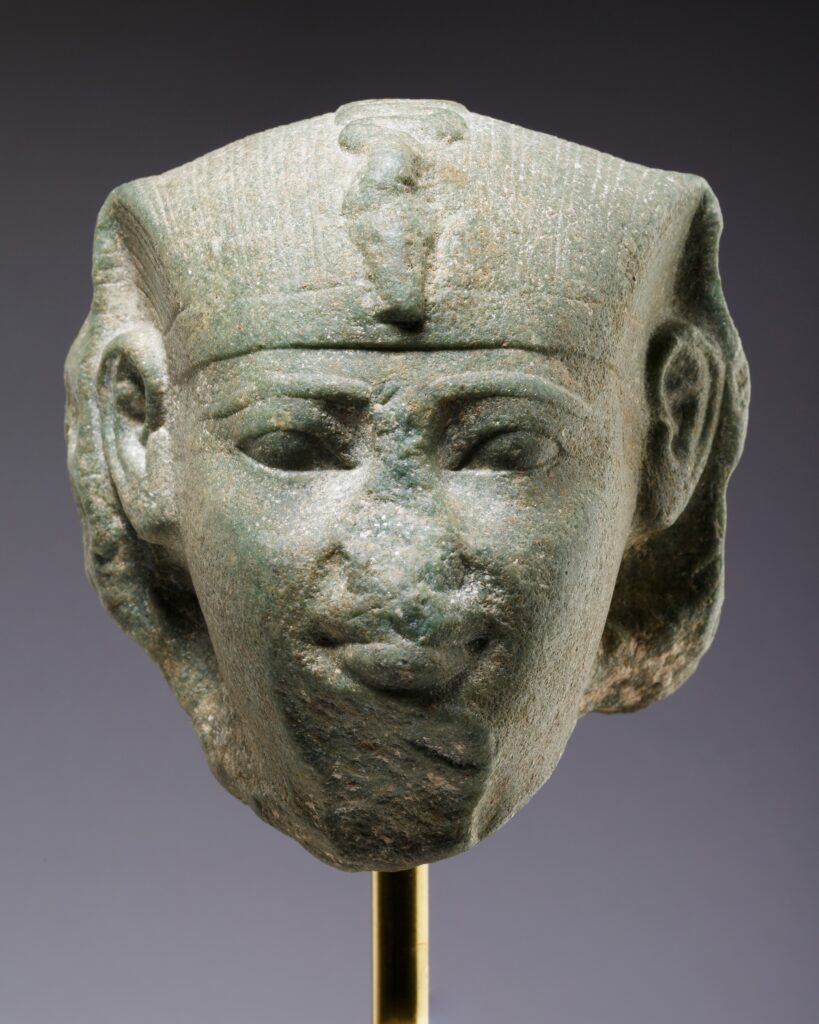
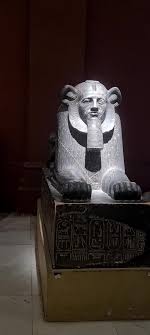
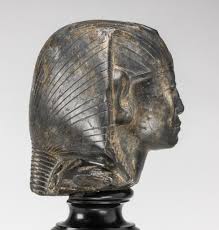
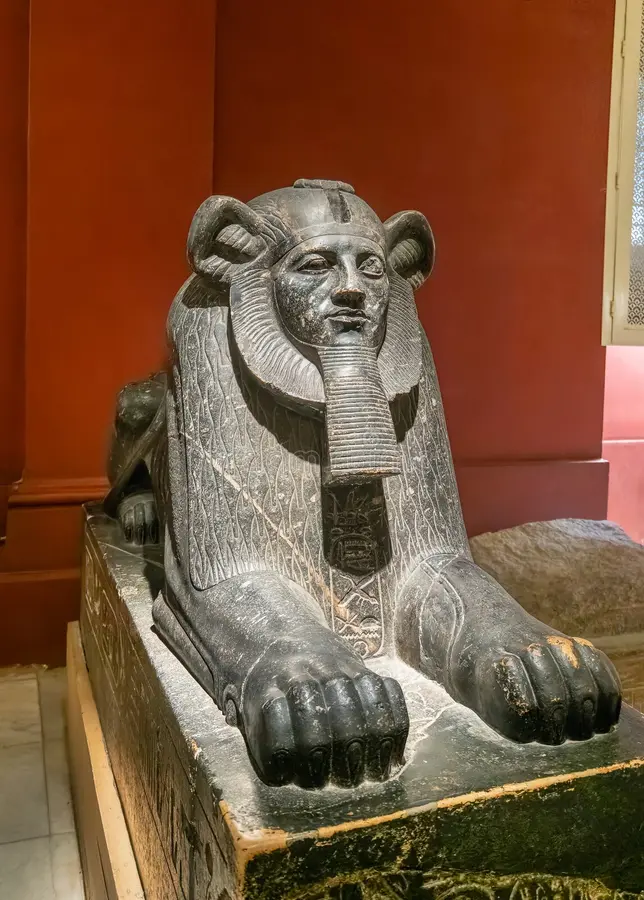
Head of a Sphinx, Possibly of Amenemhat I, ca. 1981–1952 B.C.
Egyptian, Middle Kingdom
Dolomitic marble; H. 14.1 cm (5 9/16 in.)
The Metropolitan Museum of Art, New York, Purchase, Fletcher Fund and The Guide Foundation Inc. Gift, 1966 (66.99.4)
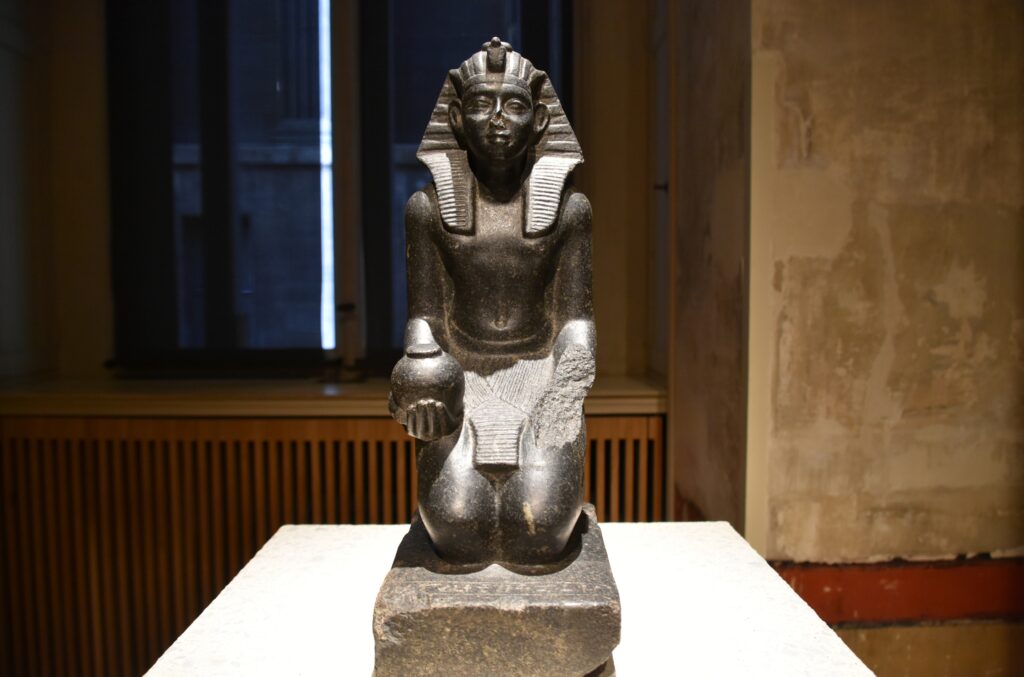
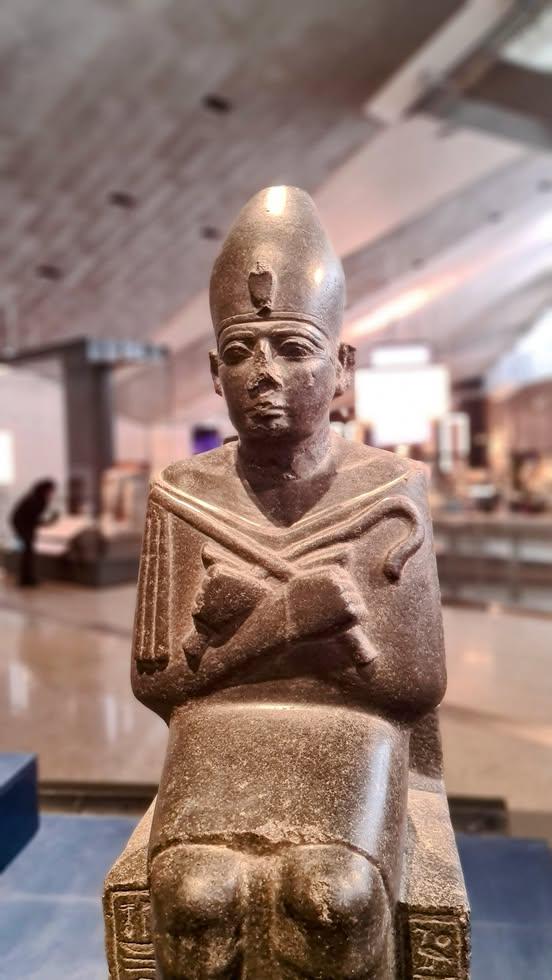
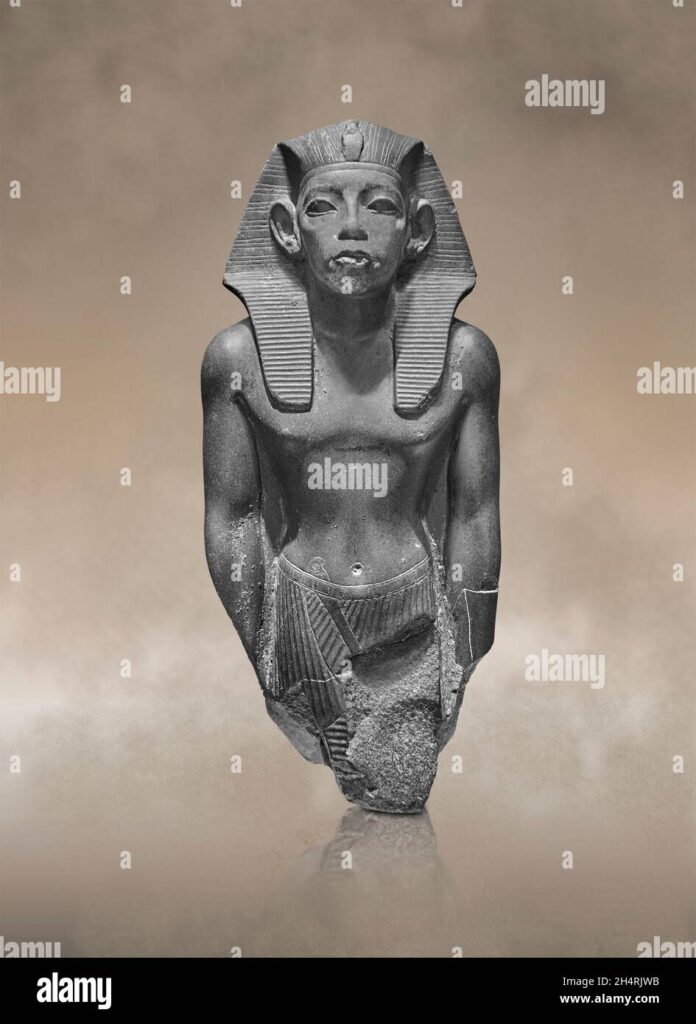
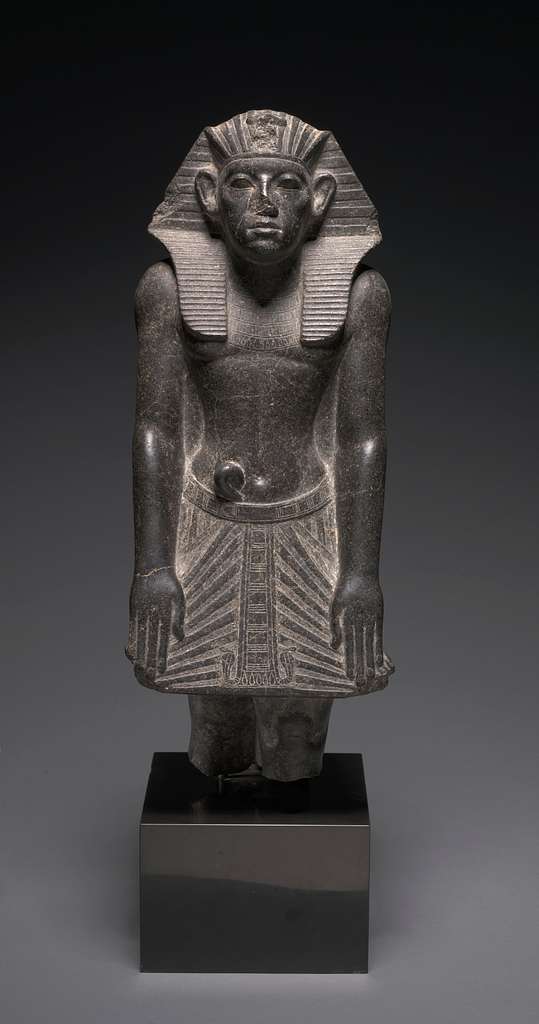
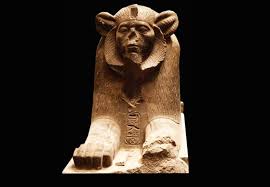
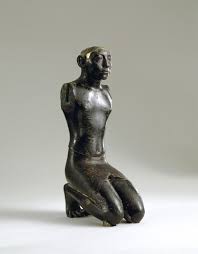
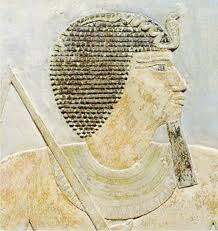
http://www.metmuseum.org/Collections/search-the-collections/545105Colossal seated statue of an Egyptian pharaoh. Possible Amenemhat II (1919-1885 BCPraying statue of king Amenemhet III or Amenemhat III. King of ancient Egypt, 12th Dynasty. Middle Kingdom. c.1840-1800 BC. Memphis. Dolorite. Neues Museum (New Museum). Berlin. Germany.OSAMA SM AMINRelief Decorated Lintel from a Building of King Amenemhat I, ca. 1981–1952 B.C.
Egyptian; Lisht North, Middle Kingdom
Limestone, paint; h. 36.8 cm (14 1/2 in.); w. 172.7 cm (68 in); d. 13.3 cm (5 1/4 in)
The Metropolitan Museum of Art, New York, Rogers Fund, 1908 (08.200.5)
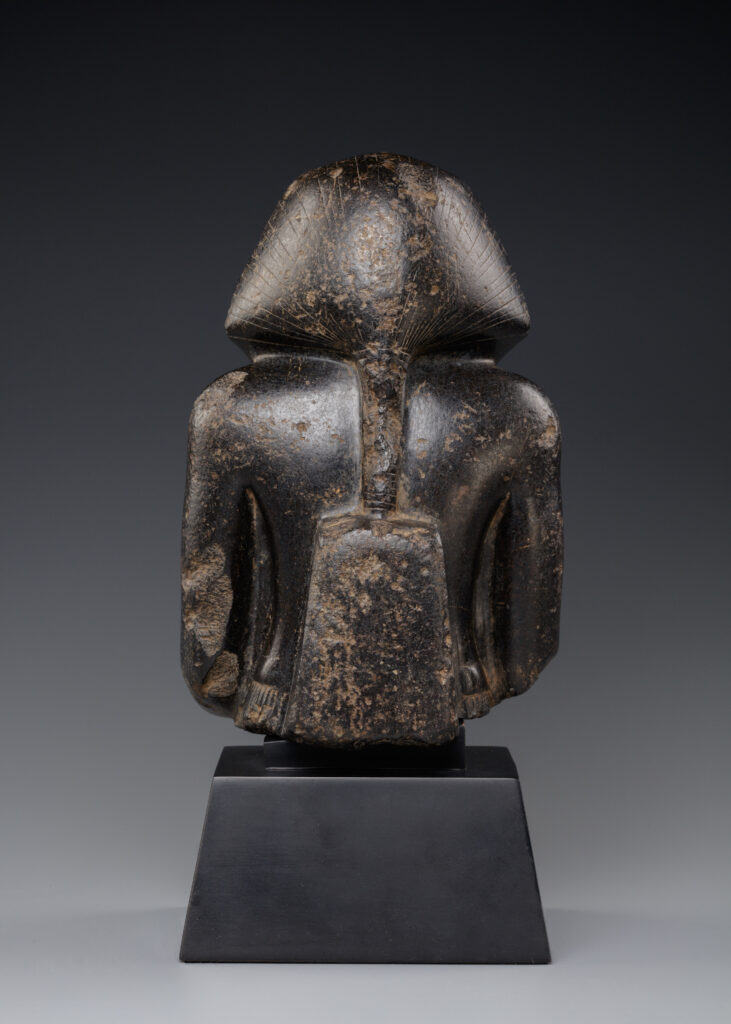
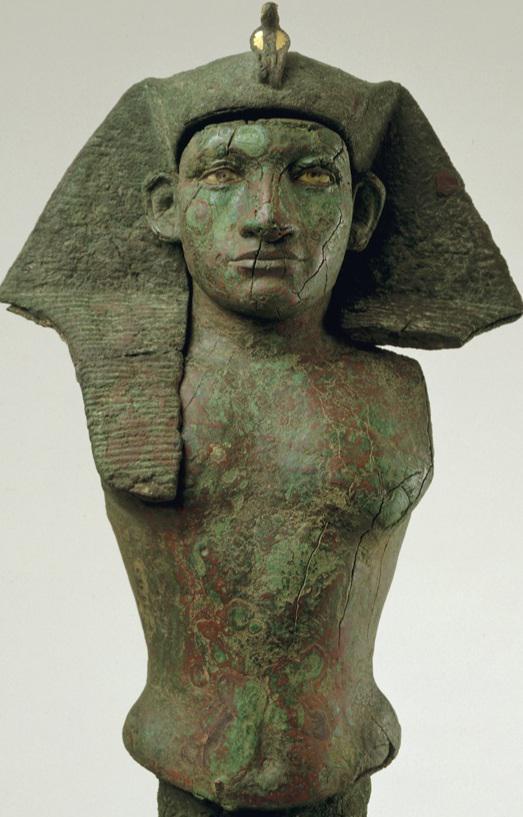
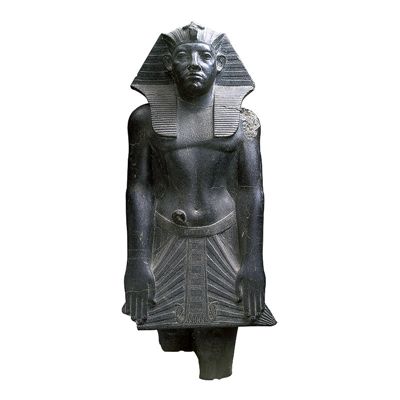
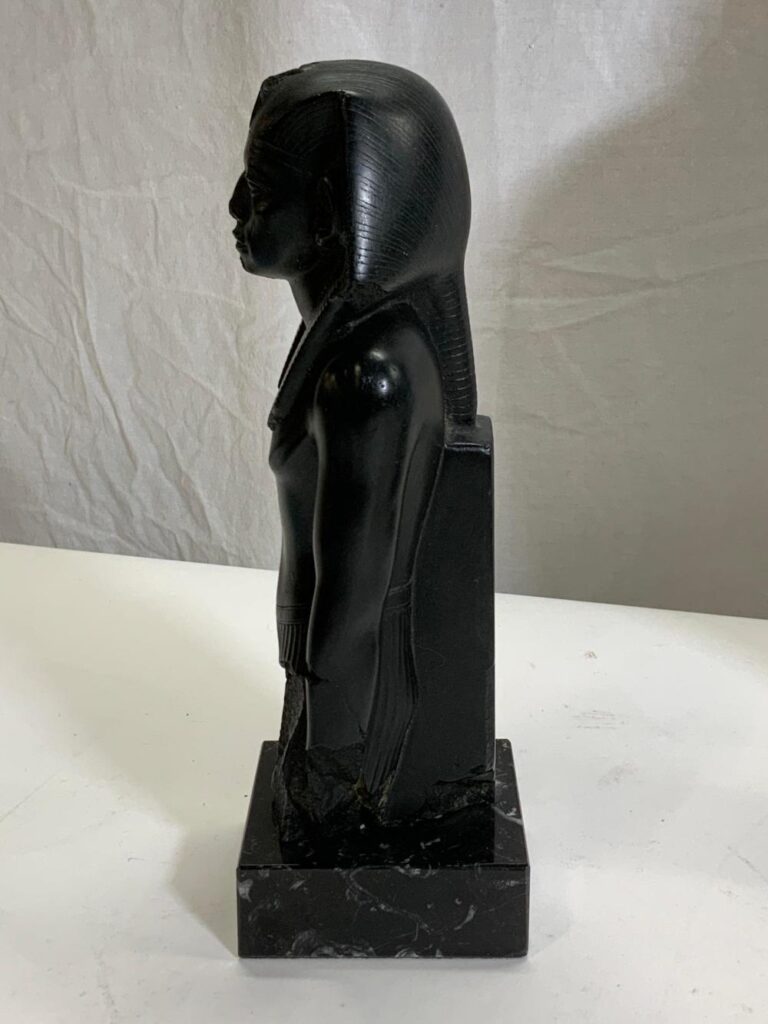
http://www.metmuseum.org/Collections/search-the-collections/544206OLYMPUS DIGITAL CAMERAU¥Statue of King Amenemhat III in kneeling posture,Made of a material known as black gold, an alloy of copper, silver and gold, it would once have had details highlighted in gold and silver. Egypt. Ancient Egyptian. Middle Kingdom,12th Dynasty,1855 1808 BC. (Photo by Werner Forman/Universal Images Group/Getty Images)Colossal seated statue of an Egyptian pharaoh, Possible Amenemhat II (1919-1885 BC (Photo by: Universal History Archive/Universal Images Group via Getty Images)Colossal seated statue of an Egyptian pharaoh, Possible Amenemhat II (1919-1885 BC (Photo by: Universal History Archive/Universal Images Group via Getty Images)Praying ancient egypt statue of king Amenemhet isolated on white background (pharaoh Amenhotep).XIR171253 Seated Statue of Amenemhat III (1843-1798 BC) (limestone) by Egyptian, 12th Dynasty (1991-1786 BC) limestone Egyptian National Museum, Cairo, Egypt Egyptian, out of copyright
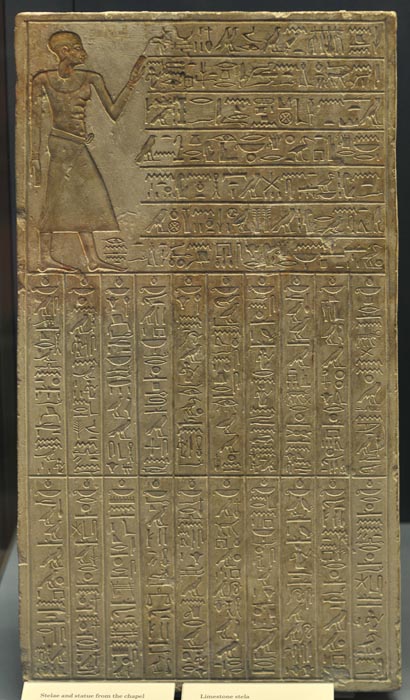
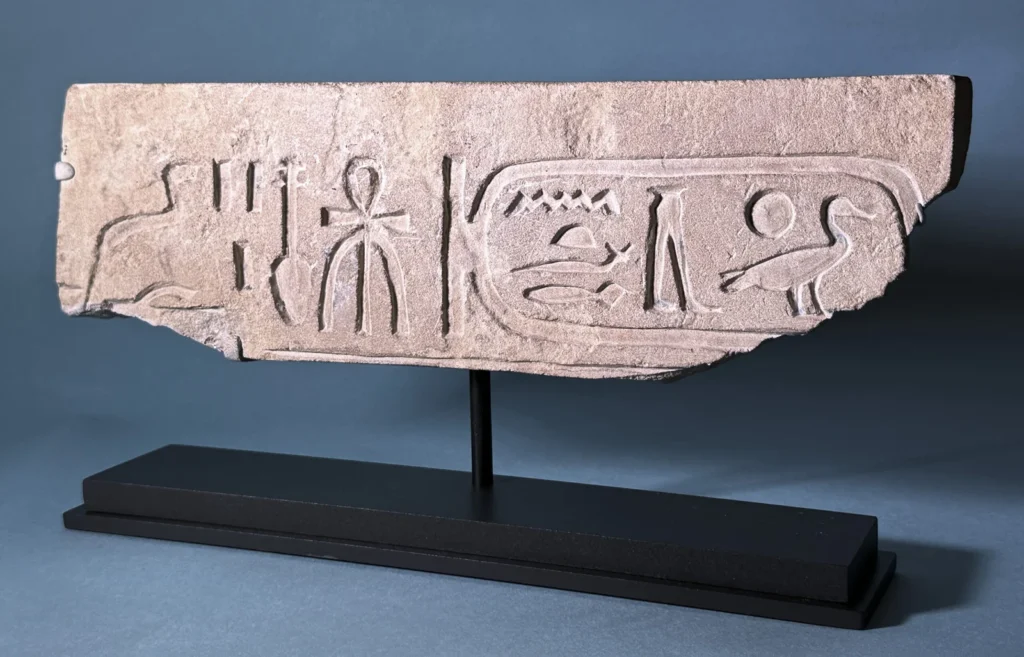
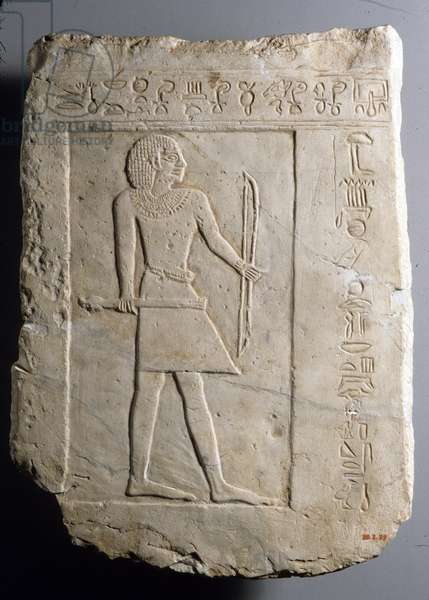
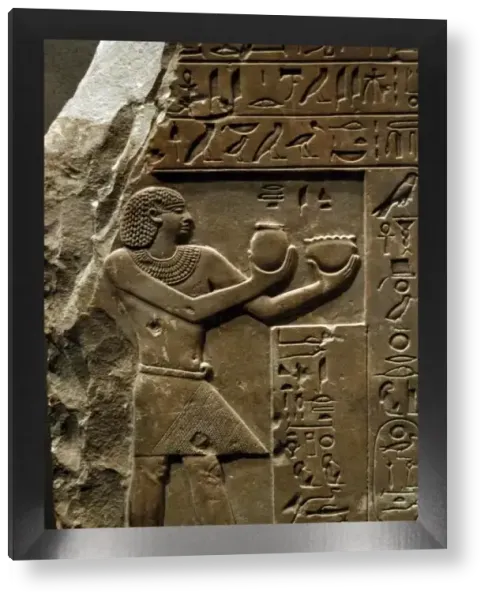
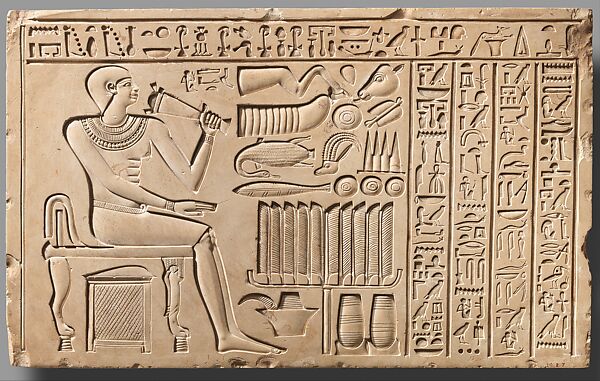
Limestone stela from the tomb of Intef at Abydos, dating to the 12th Dynasty during the reign of Senusret I (EA 581). The stela records the building of his chapel and praises the sacred land of the Abydos necropolis; this is followed by an autobiographical text including his mercy, generosity, efficiency, and providing for the hungry.OSAMA SM AMINPRZ704095 Stela, from Novario (sandstone) by Roman; Museo Preistorico e Etnographico Luigi Pigorini, Rome, Lazio, Italy.3526074 Funerary stela of the bowman Semin, c. 2120–2051 BC (painted limestone) by Egyptian, First Intermediate Period (c.2125-1975 BC); 41.3×29.5 cm; Metropolitan Museum of Art, New York, USA; (add.info.: From Egypt; Probably from Upper Egypt, Thebes, Tarif
First Intermediate Period, 11th Dynasty reign of Intef I–III