




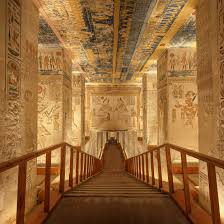


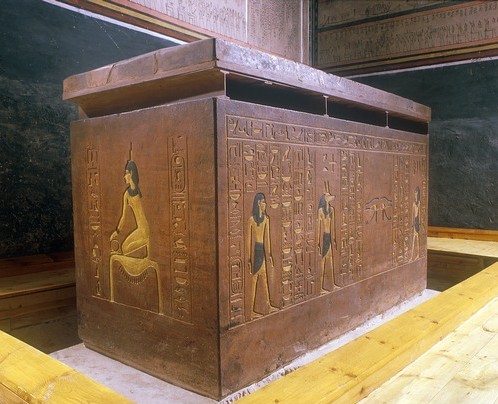
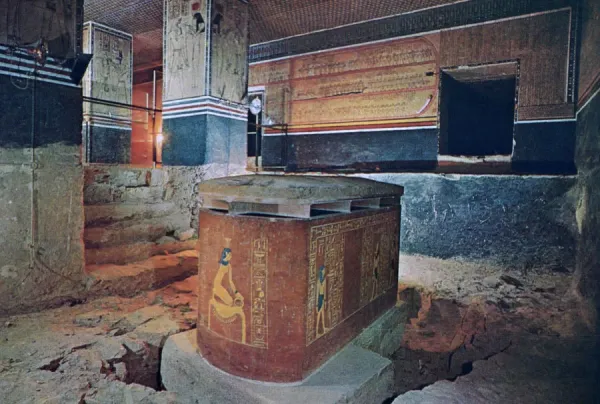
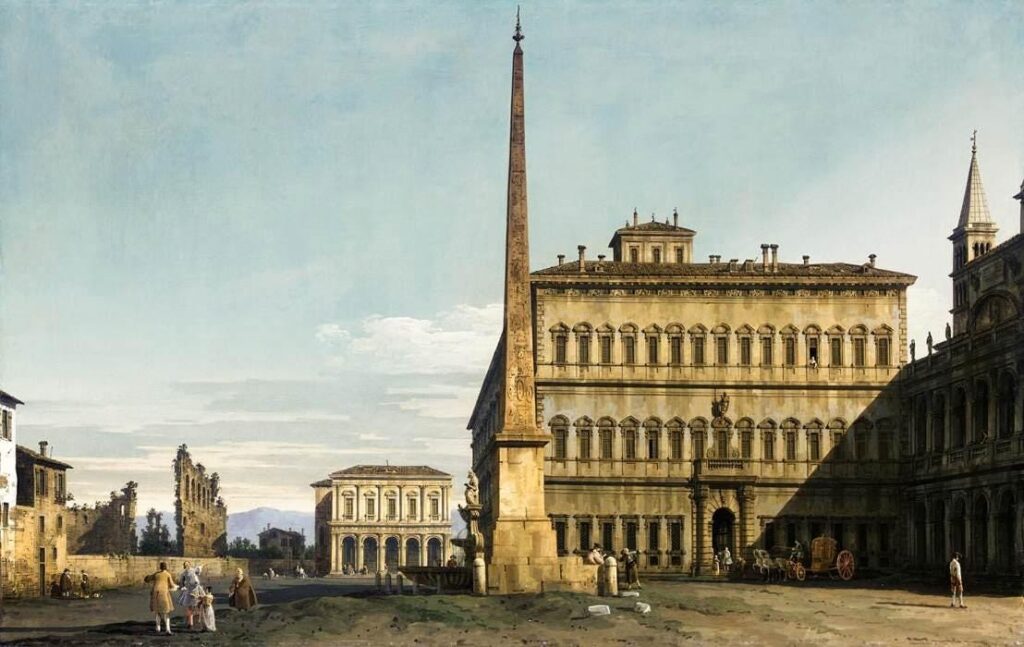
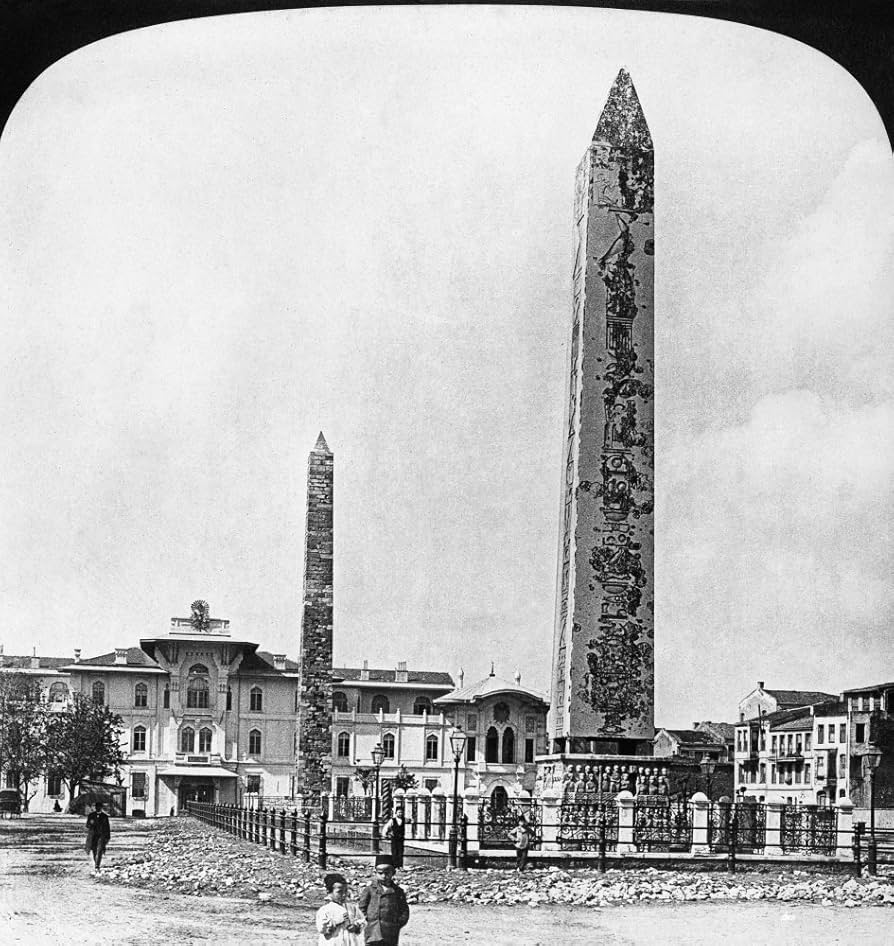
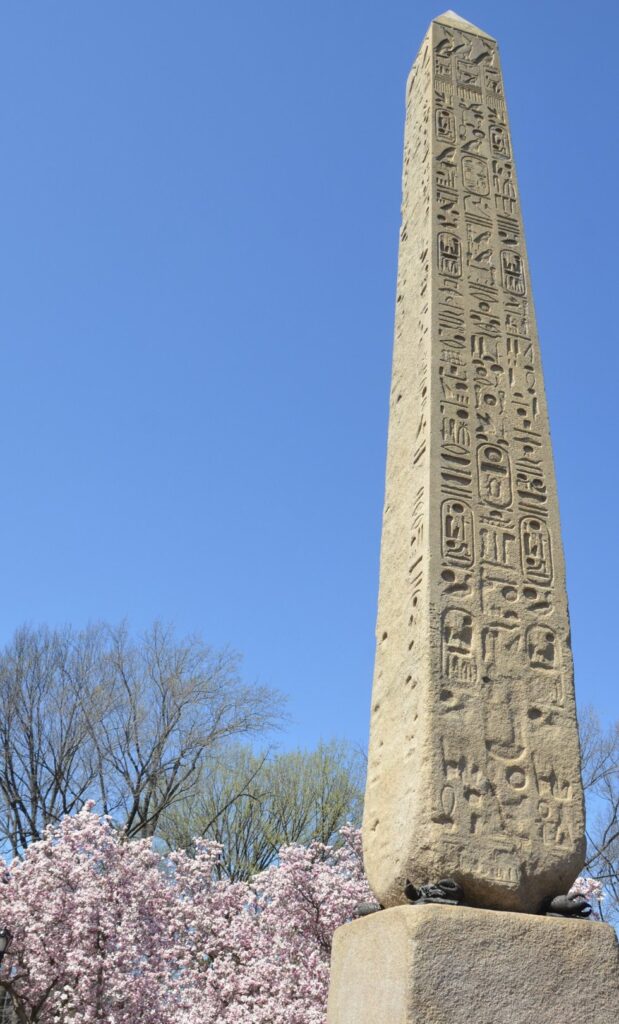
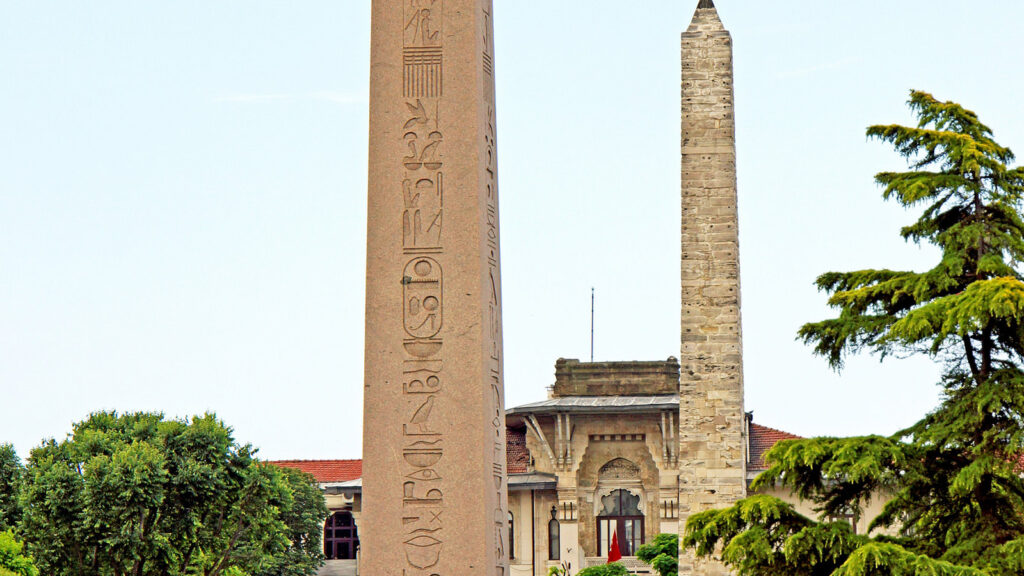
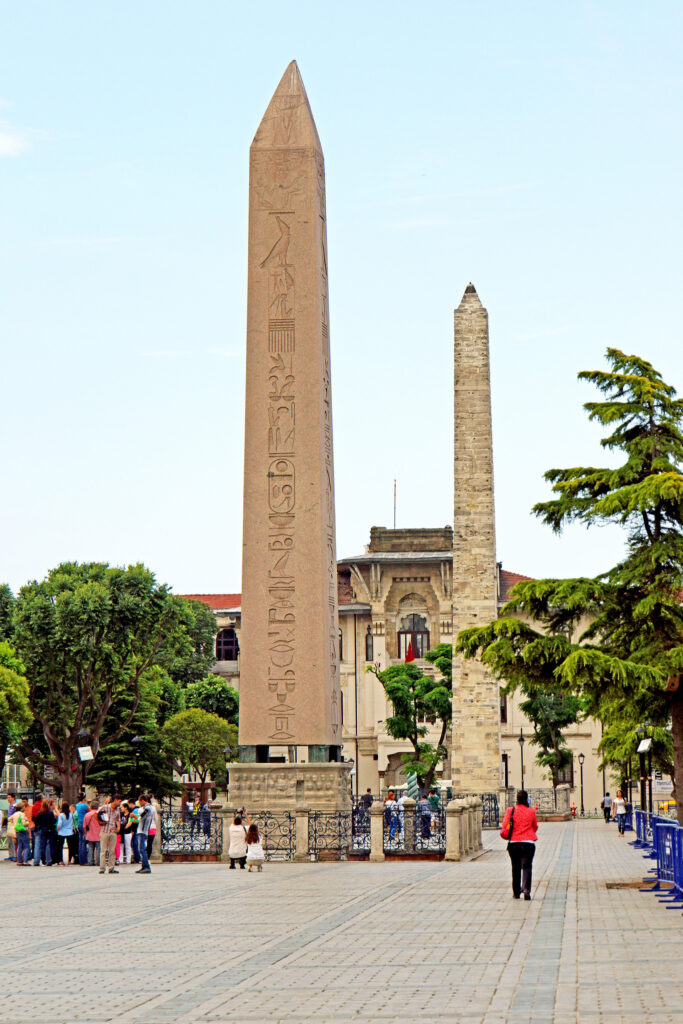
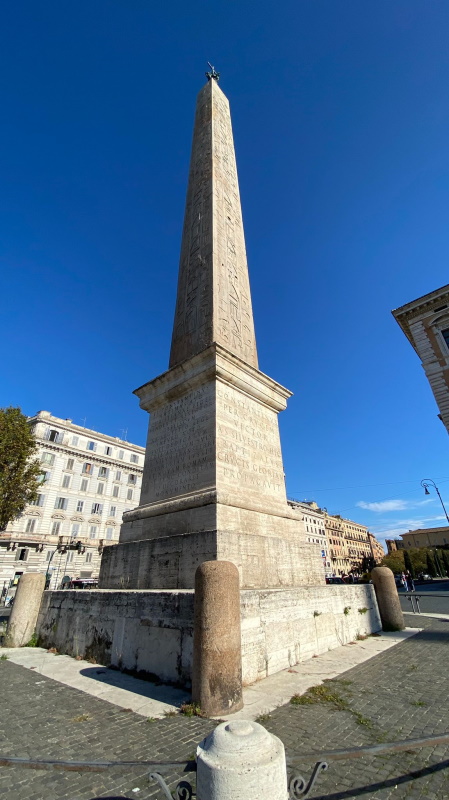
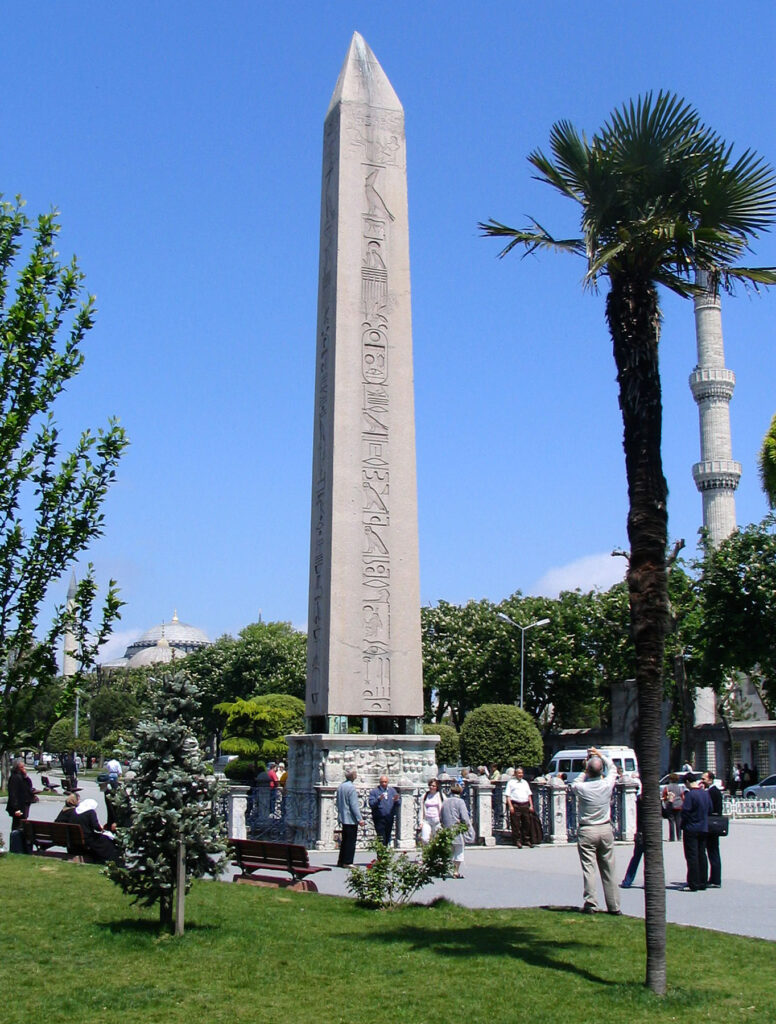
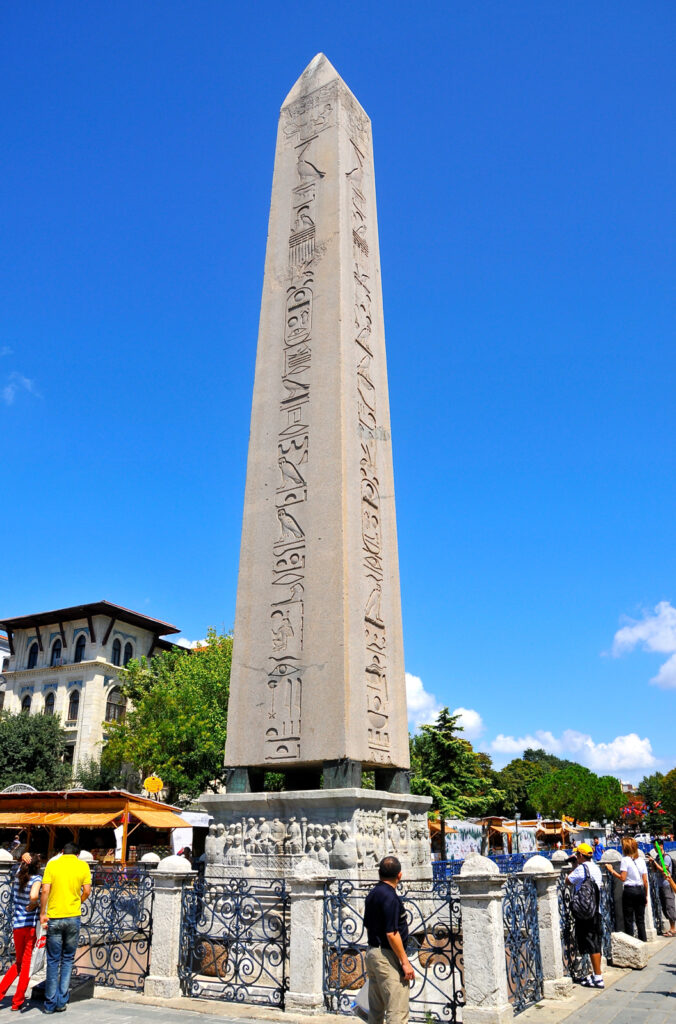
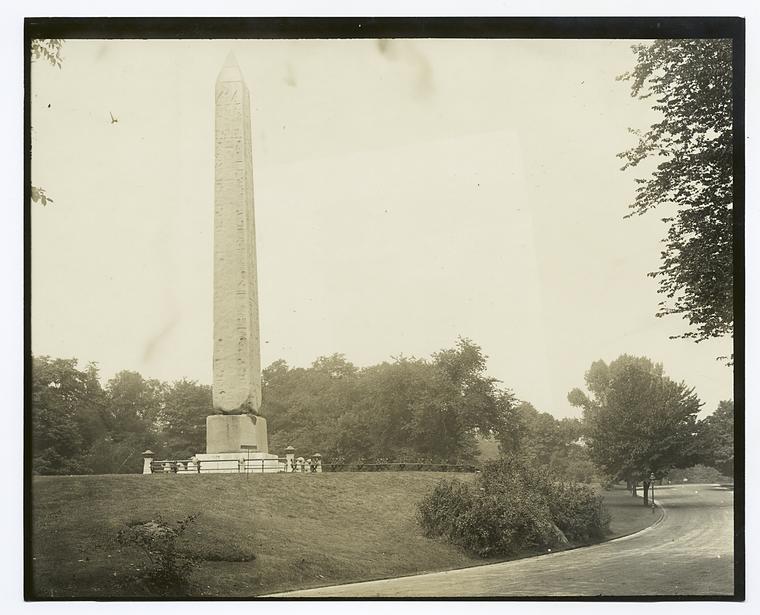
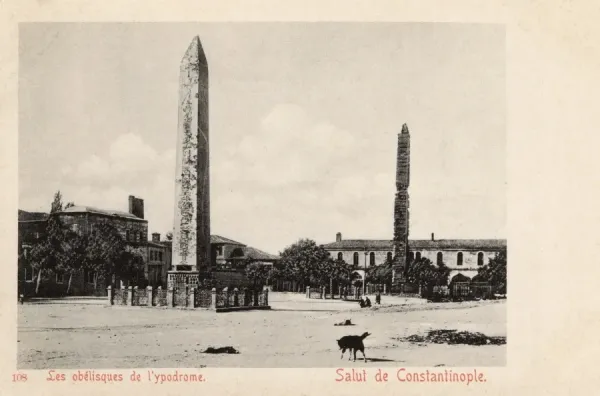
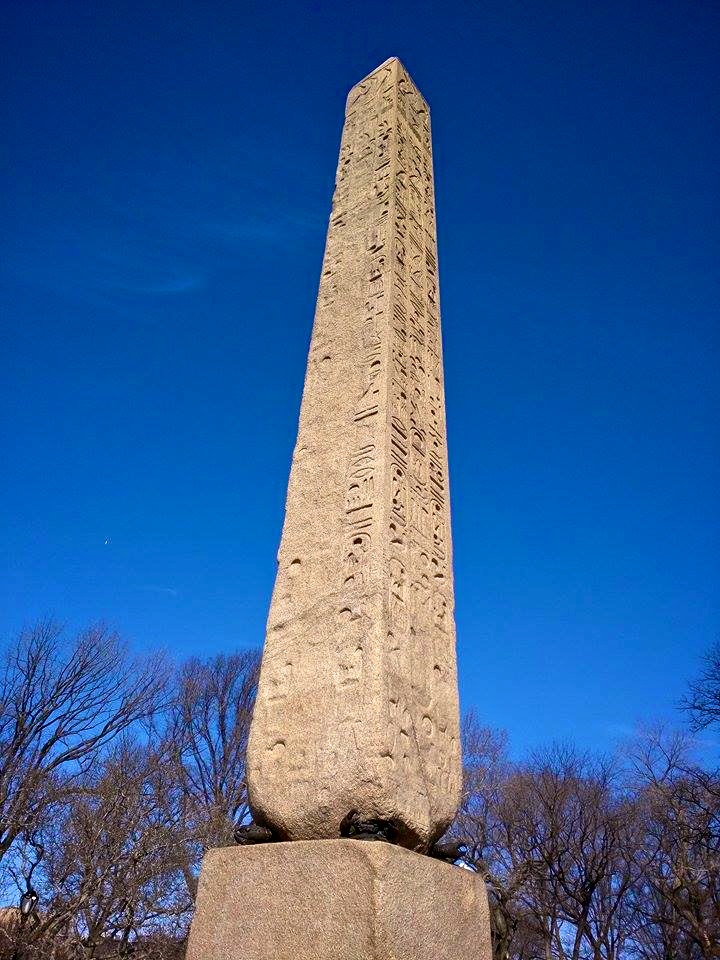
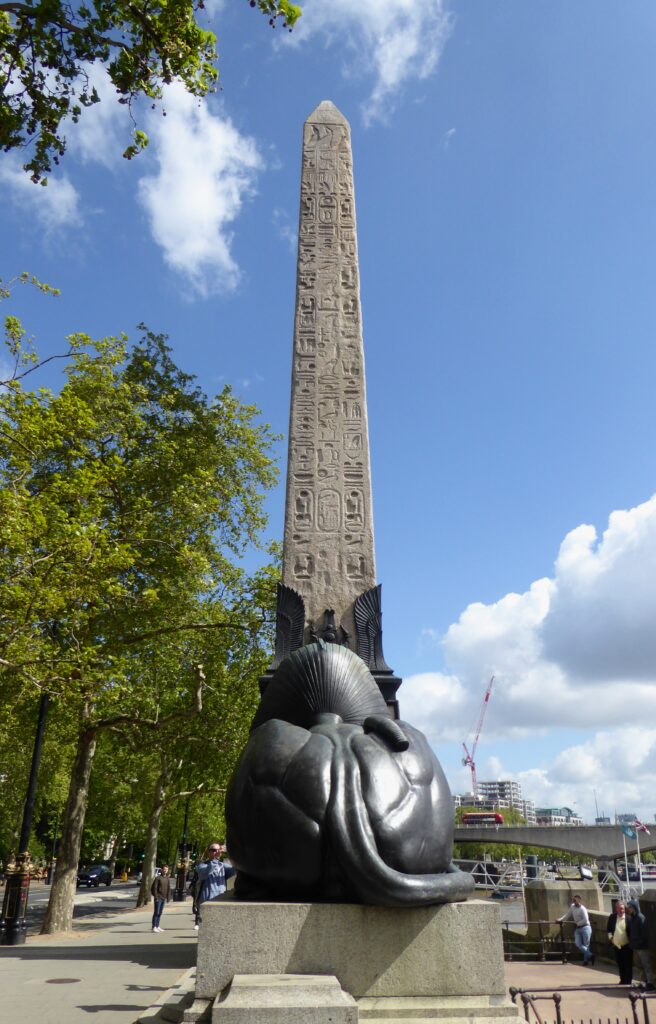
Pharaoh 121 Thutmose III — OBELISKS

























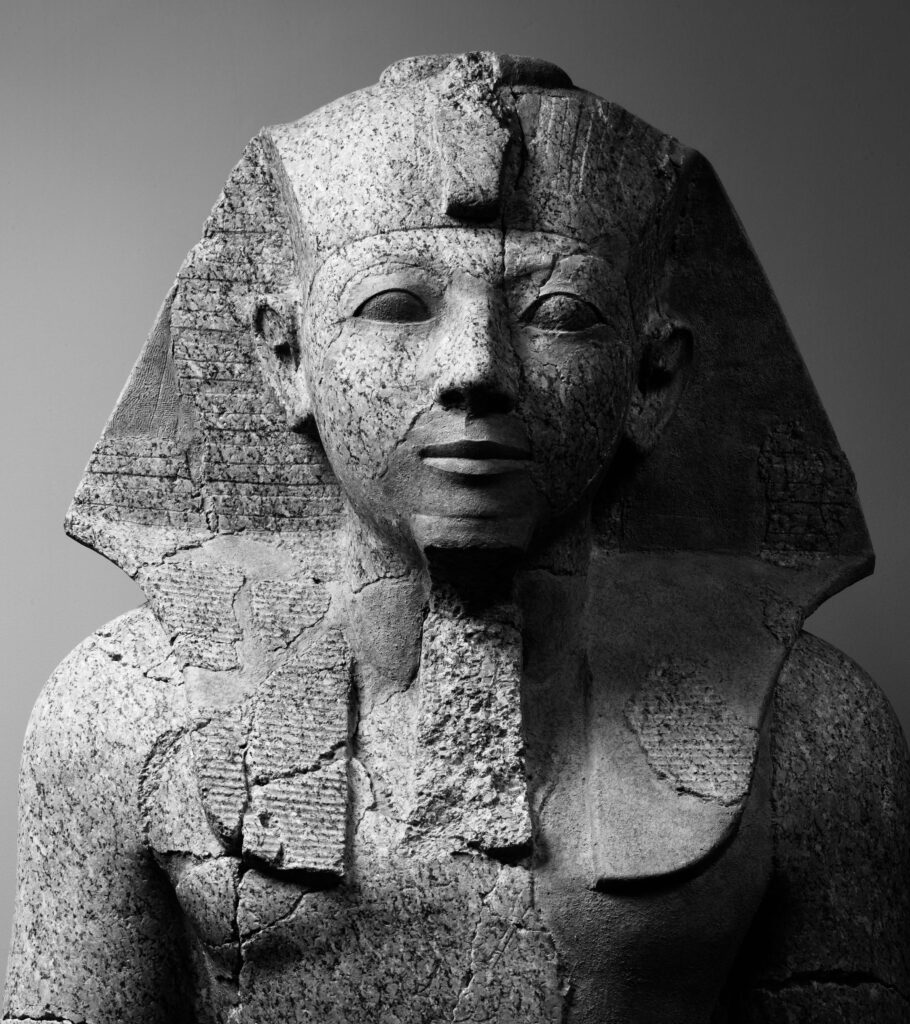
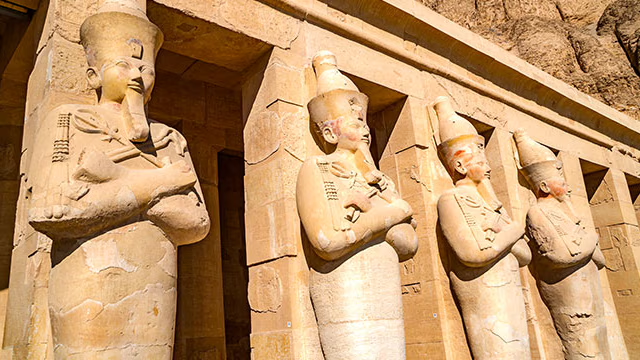
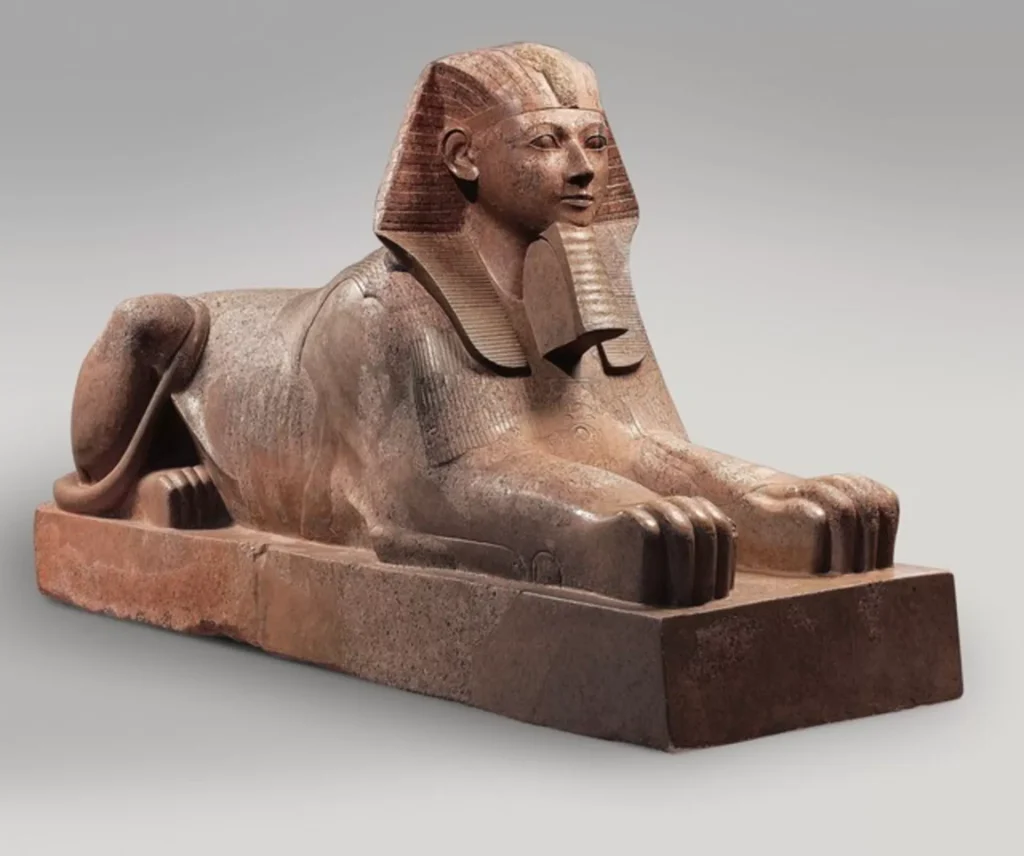
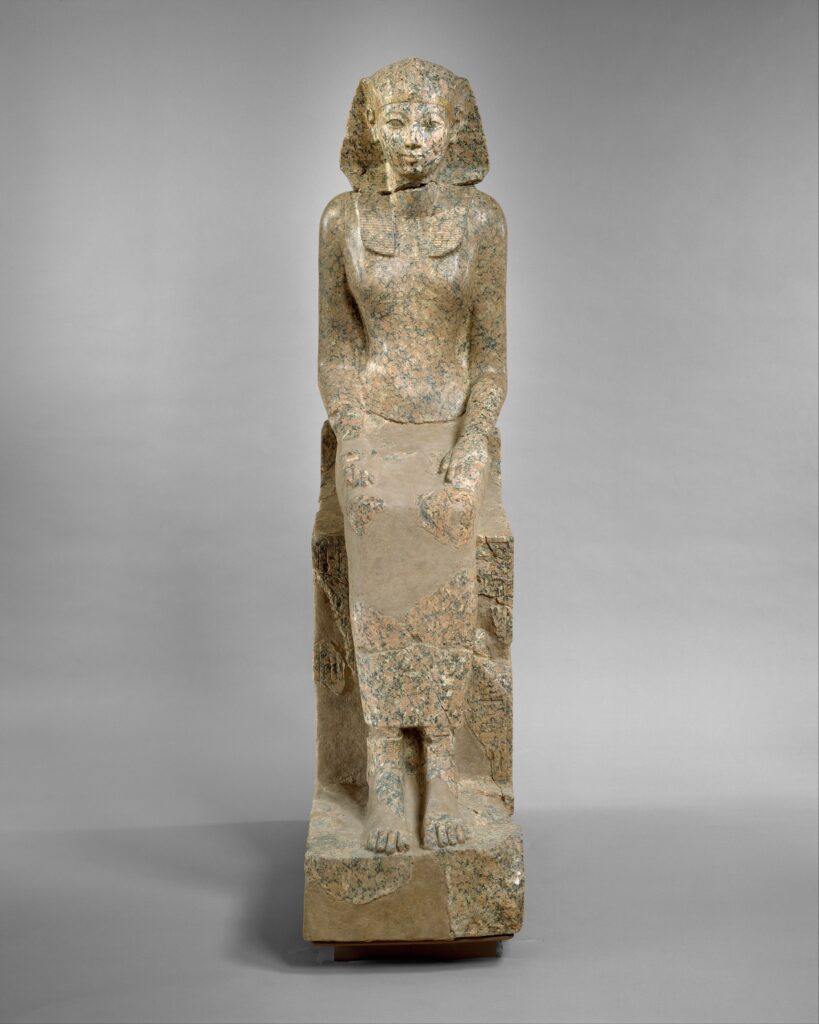
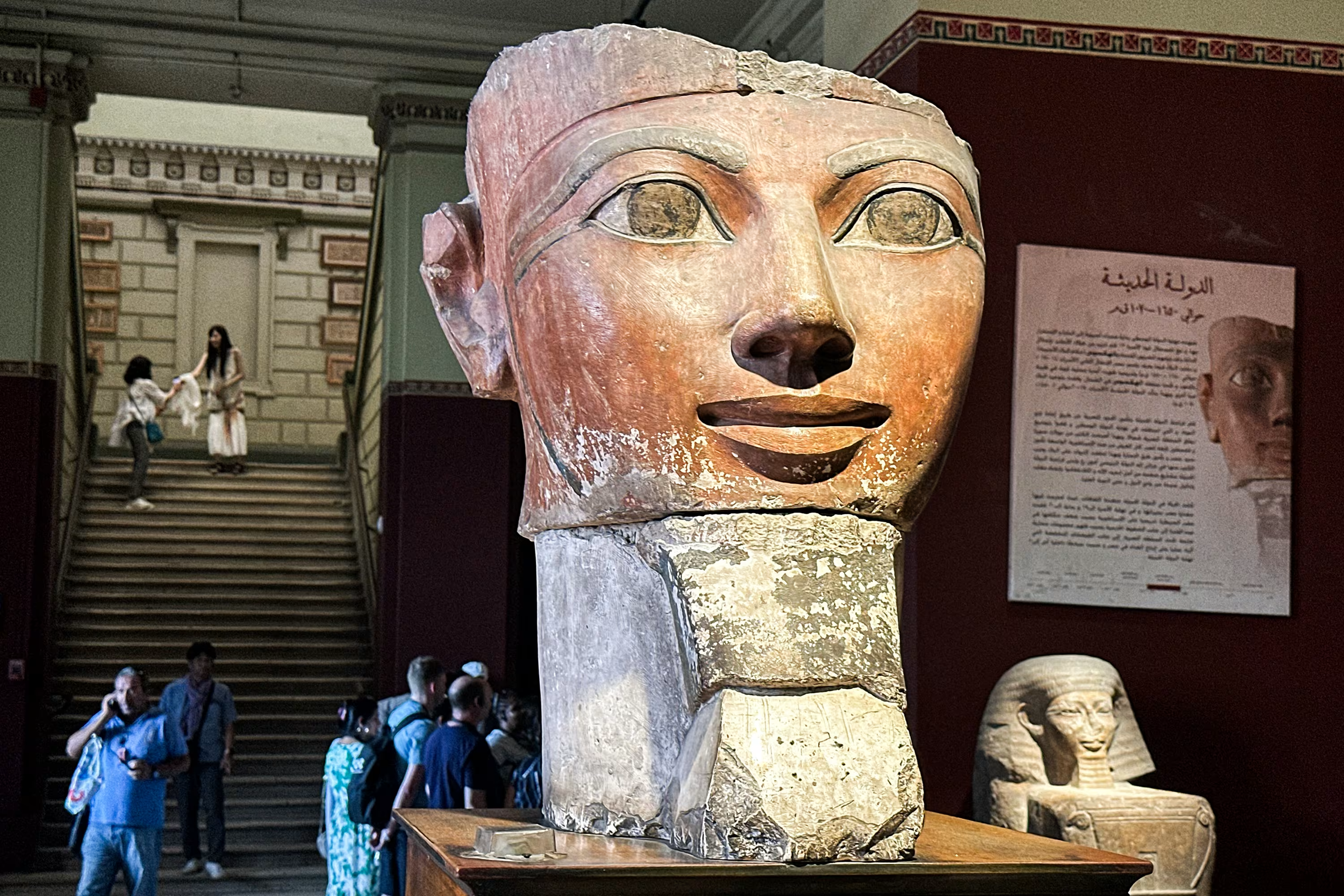
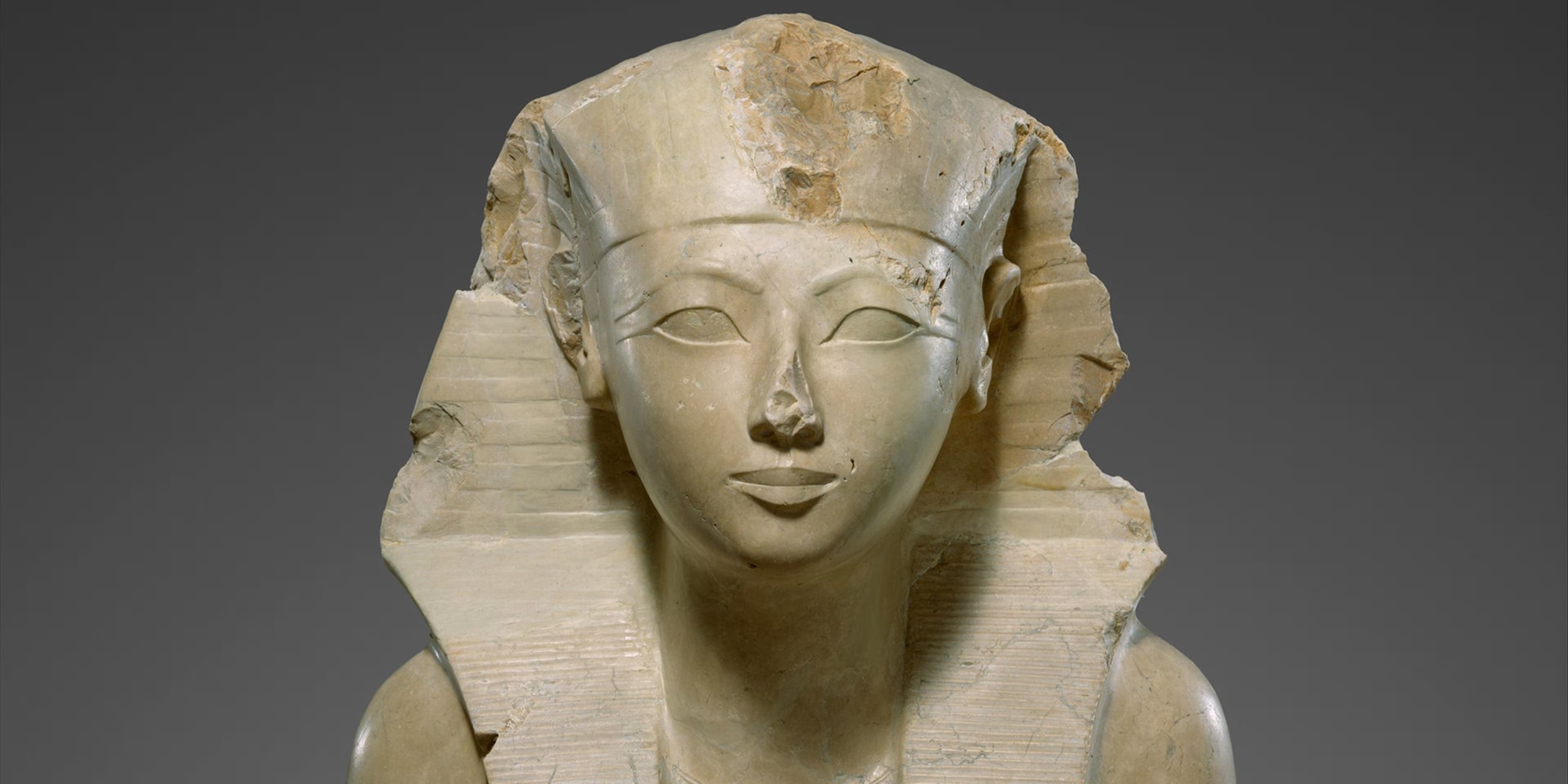
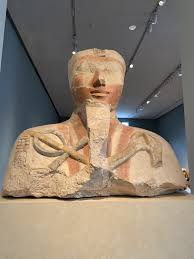
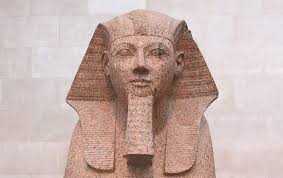
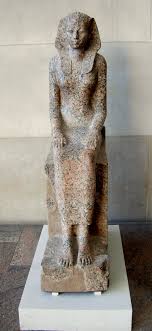
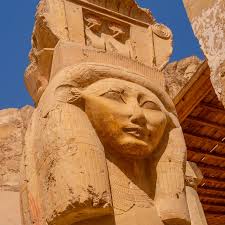
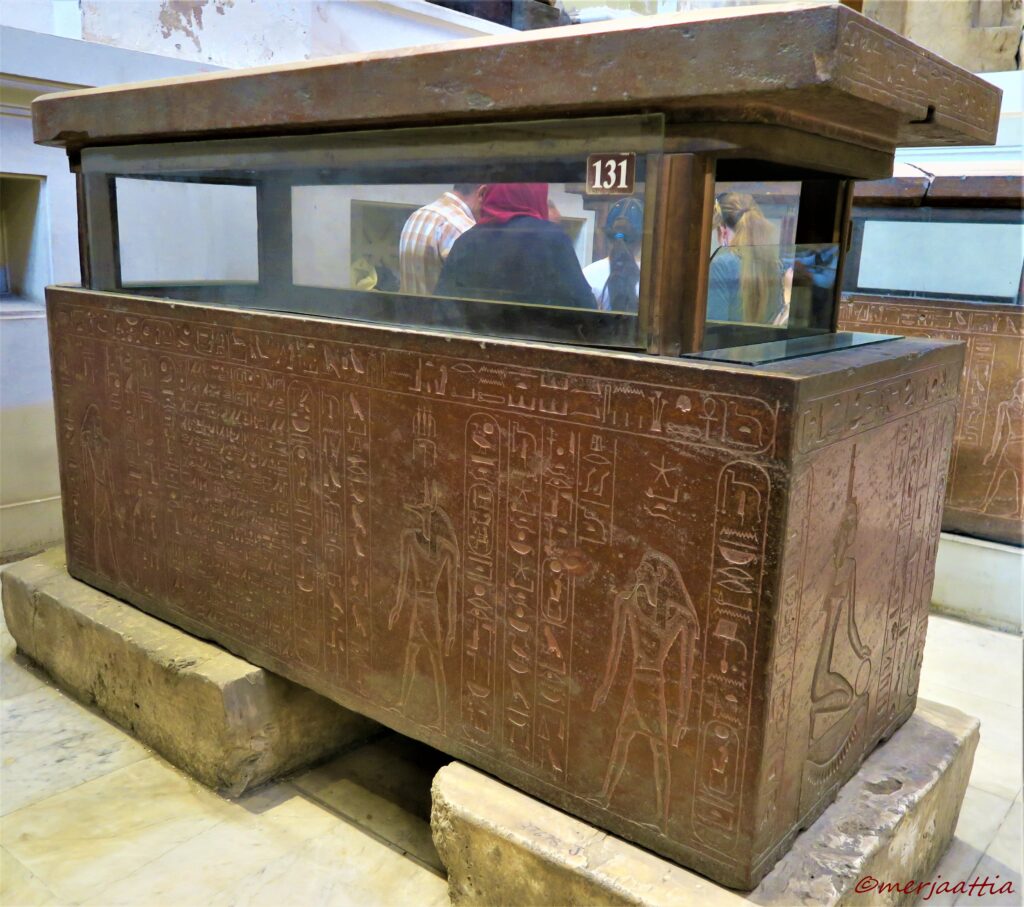
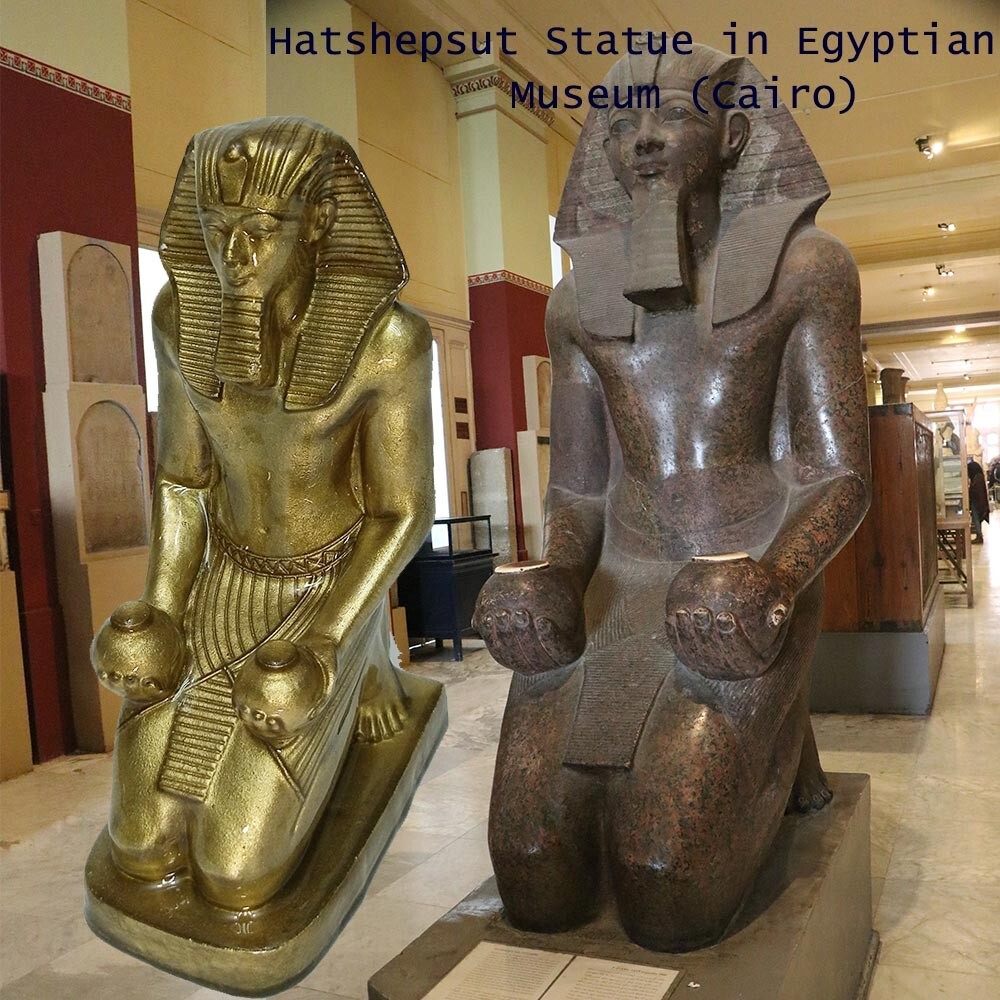
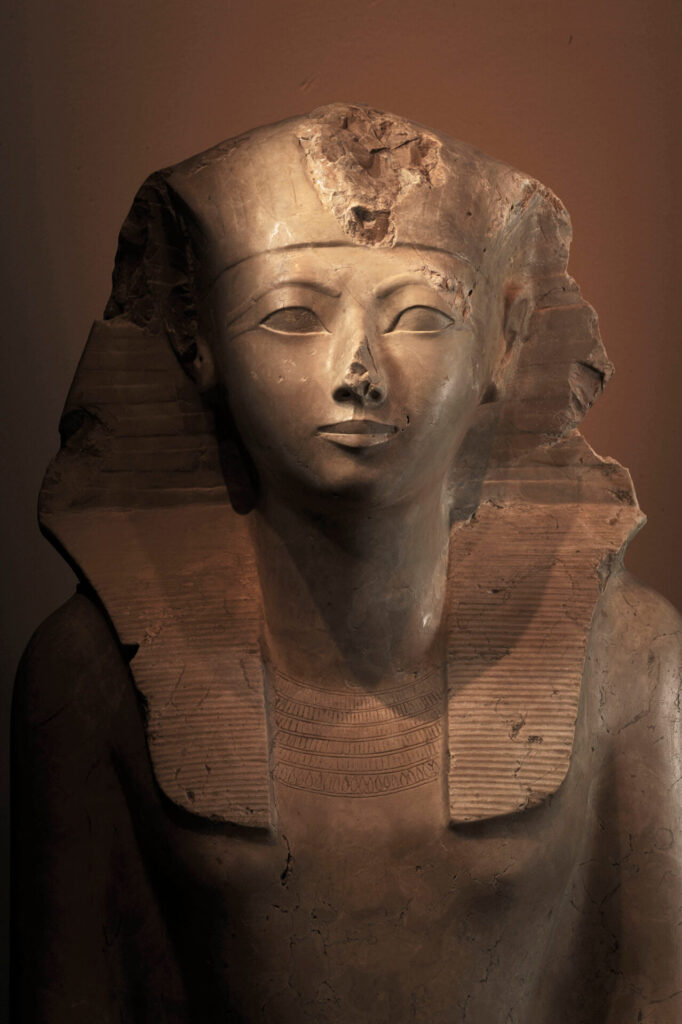
Pharaoh 120 Hatshepsut — 2nd Female Pharaoh, Deir el-Bahri temple, Colossal statues


















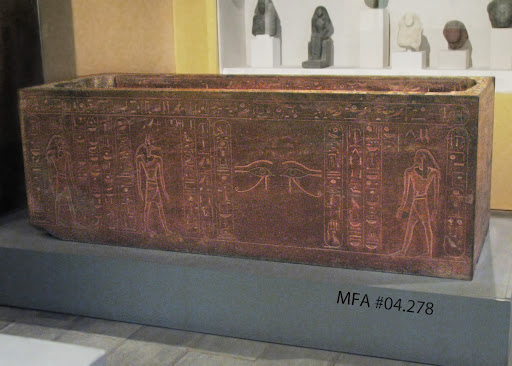


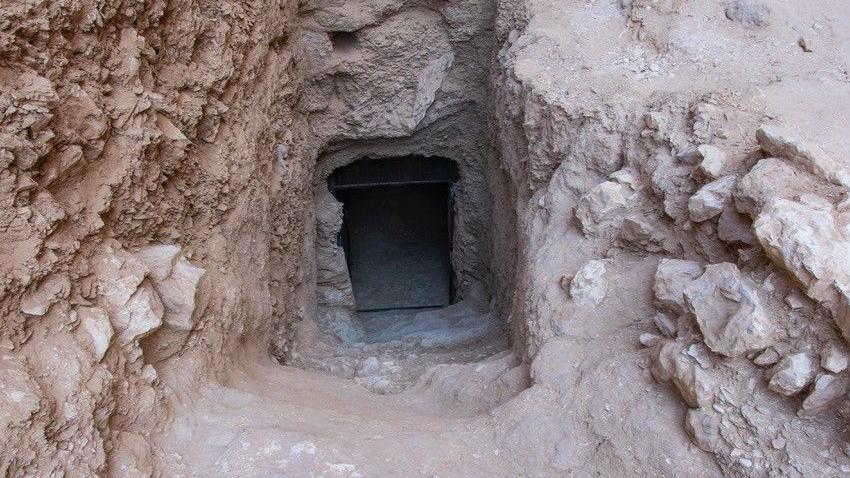
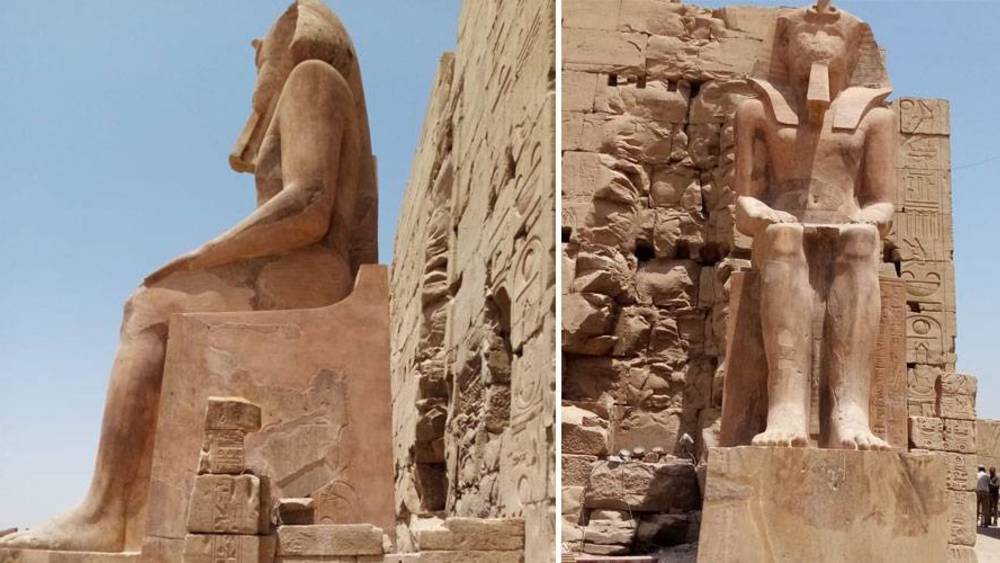

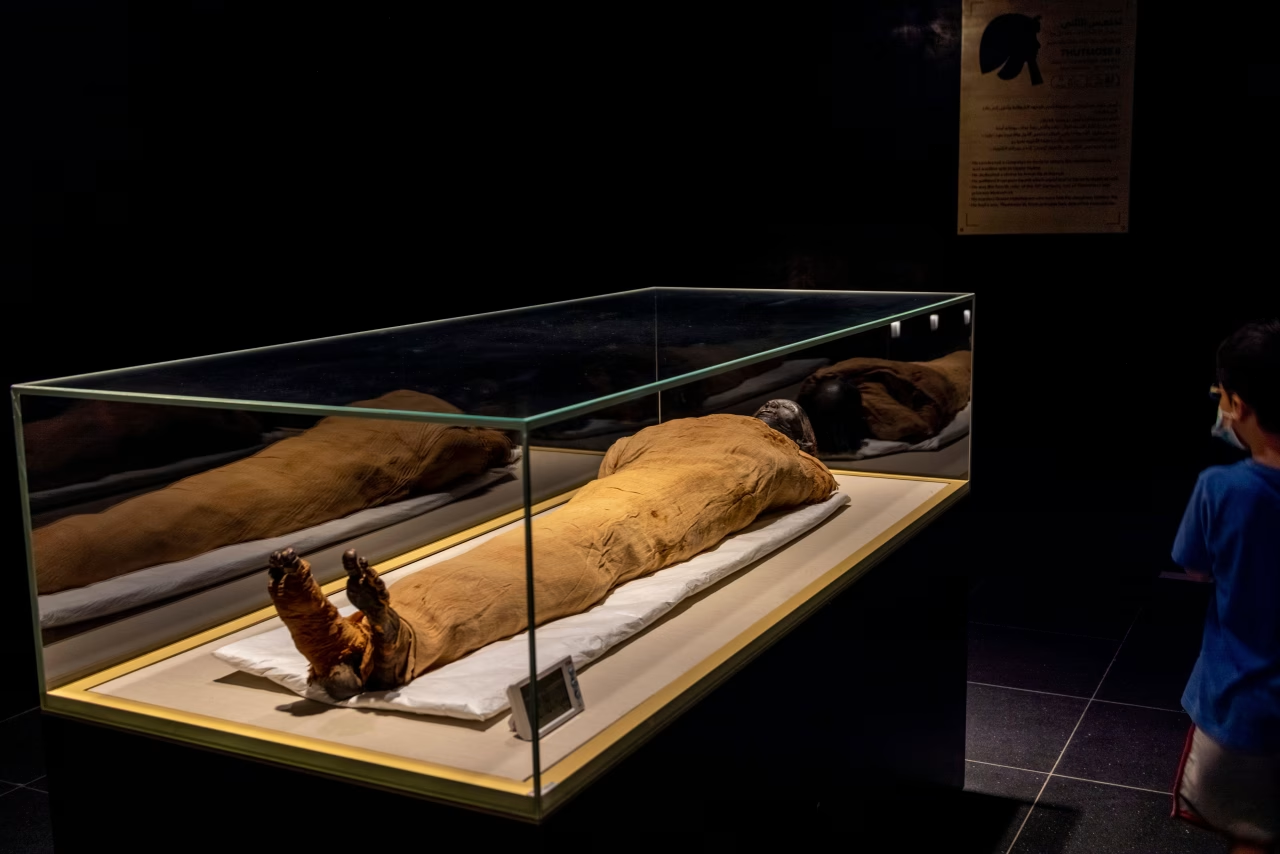
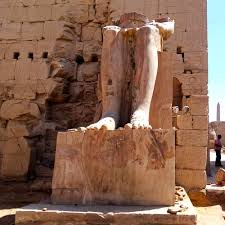


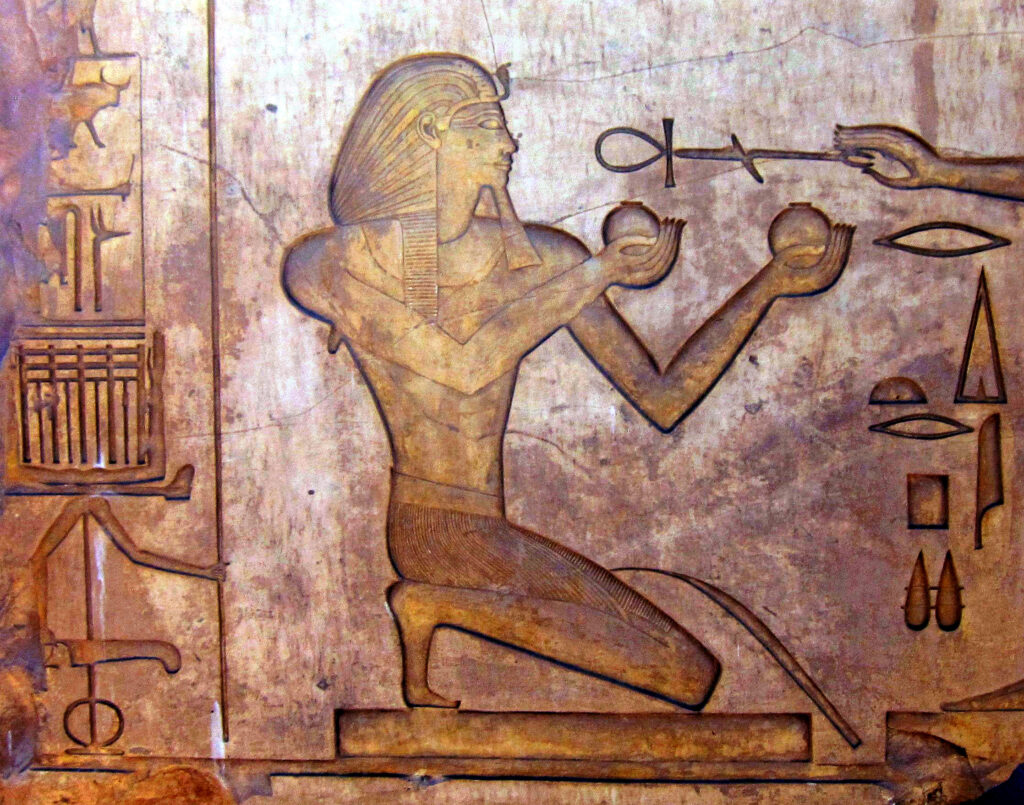

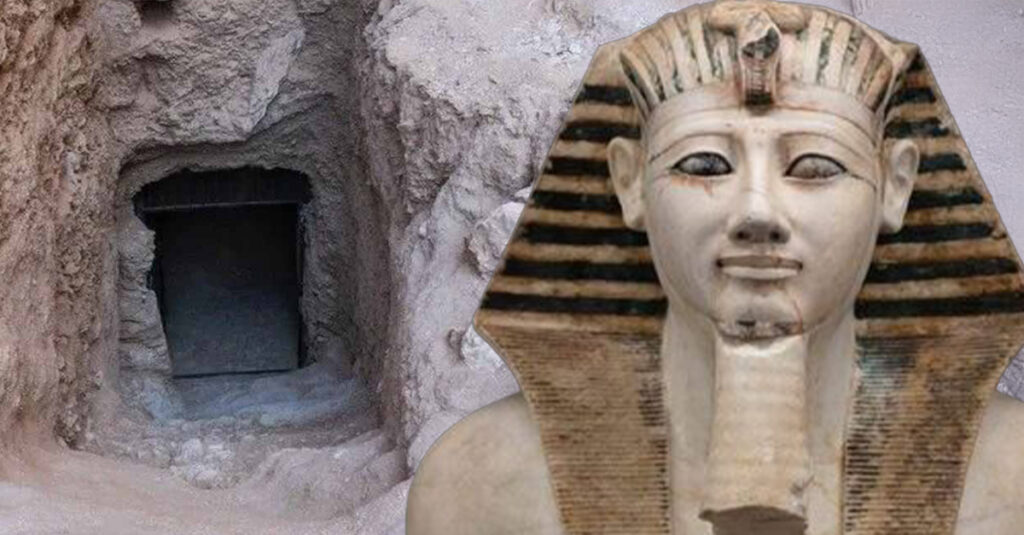
Pharaoh 118 Thutmose I — Karnak expansions, statues
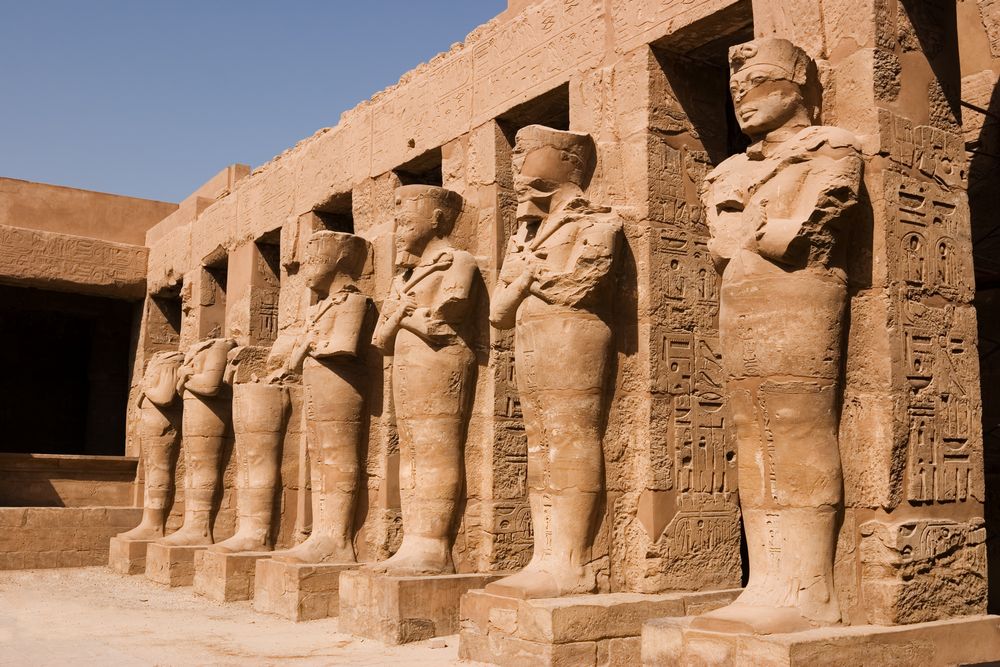













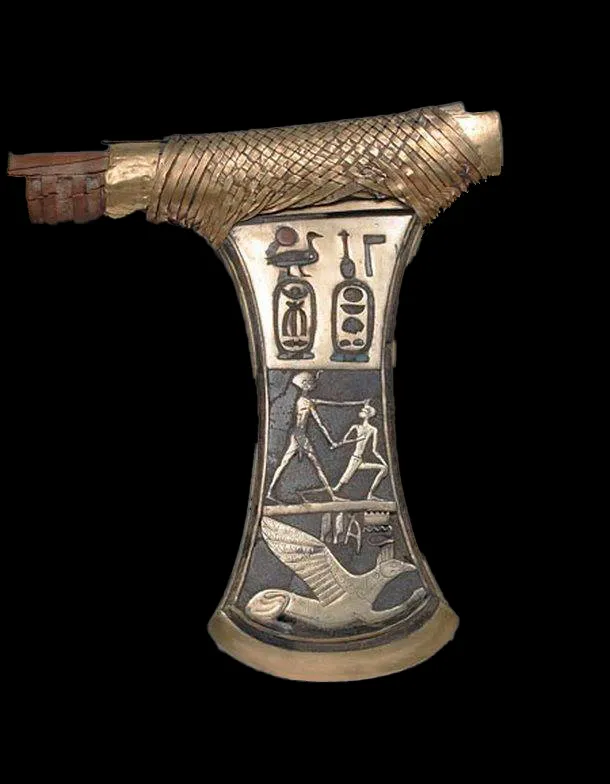


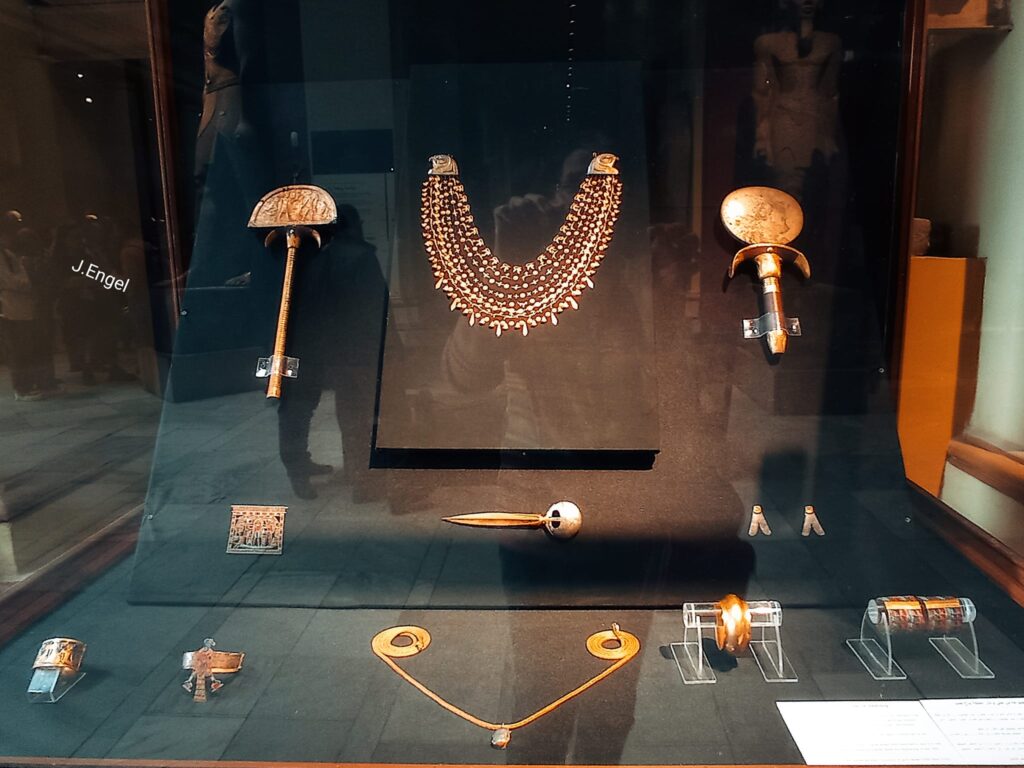


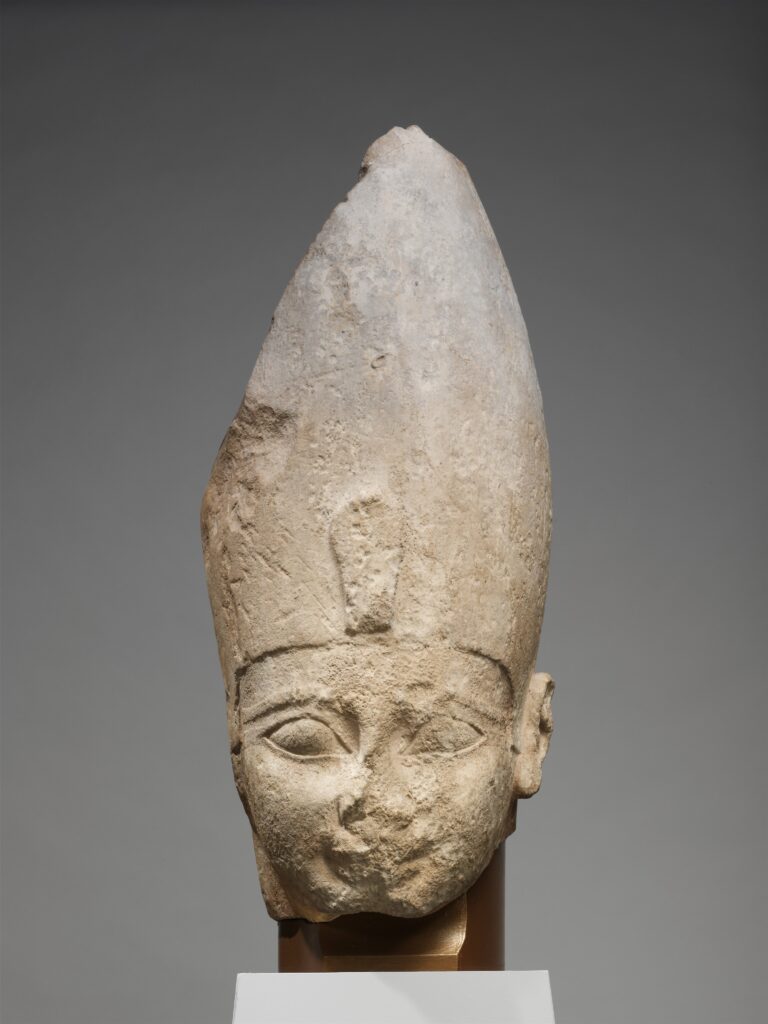












Pharaoh 115 Kamose — Victory Stelae
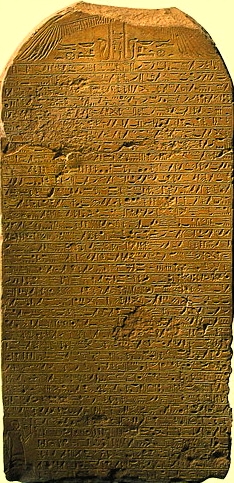


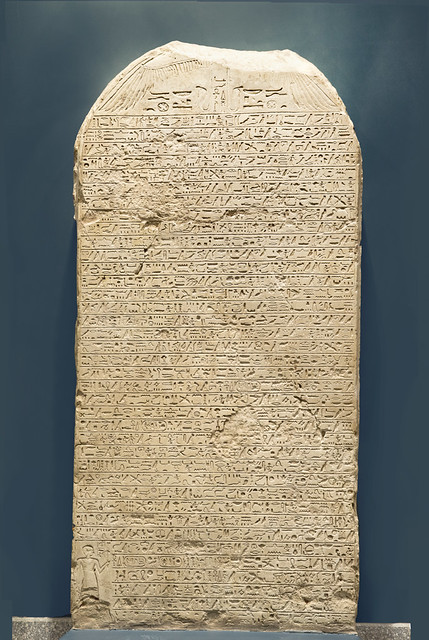









Pharaoh 108 Khyan — Avaris Monument
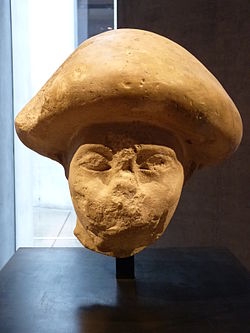


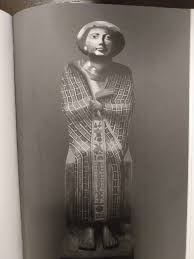


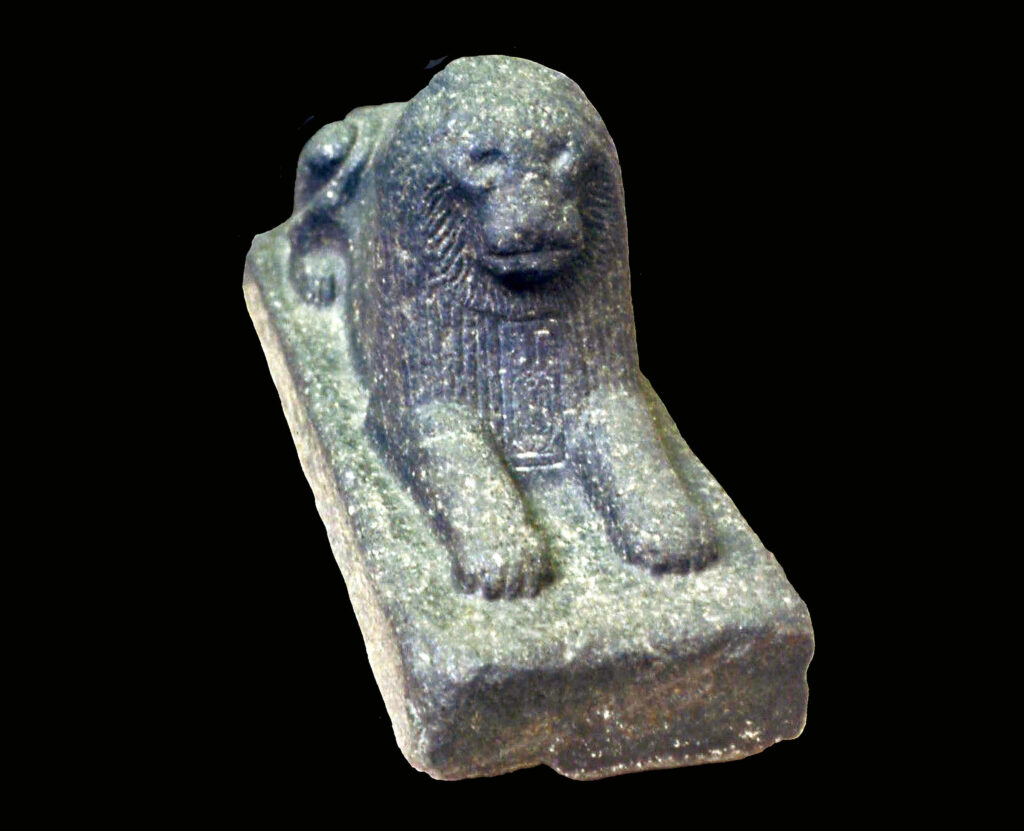


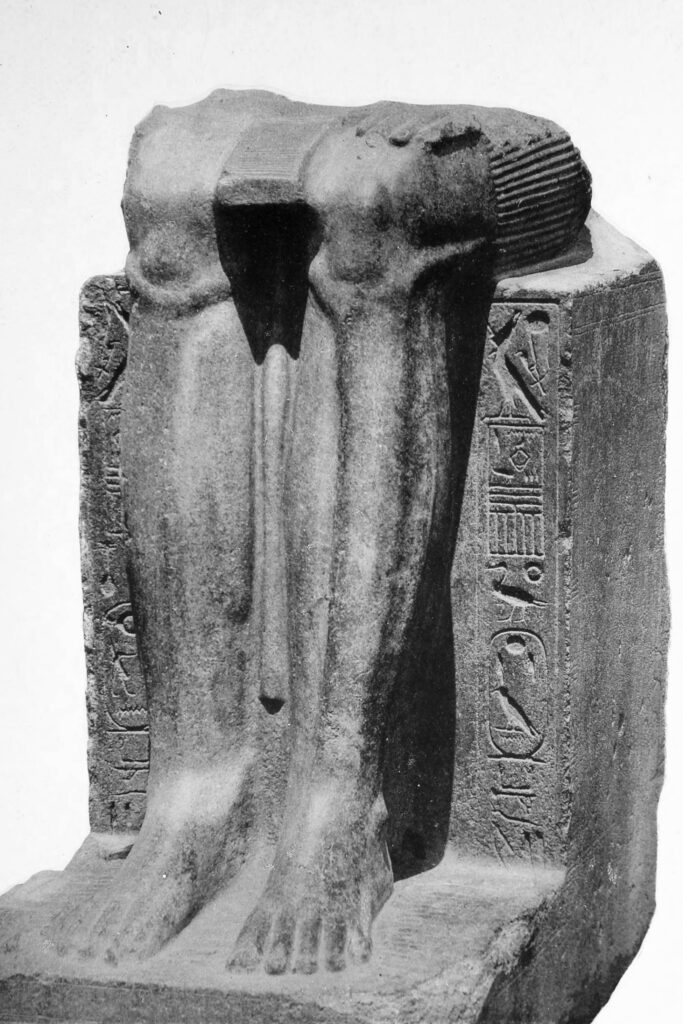


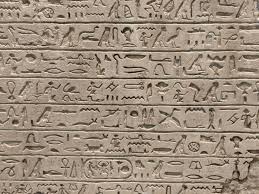
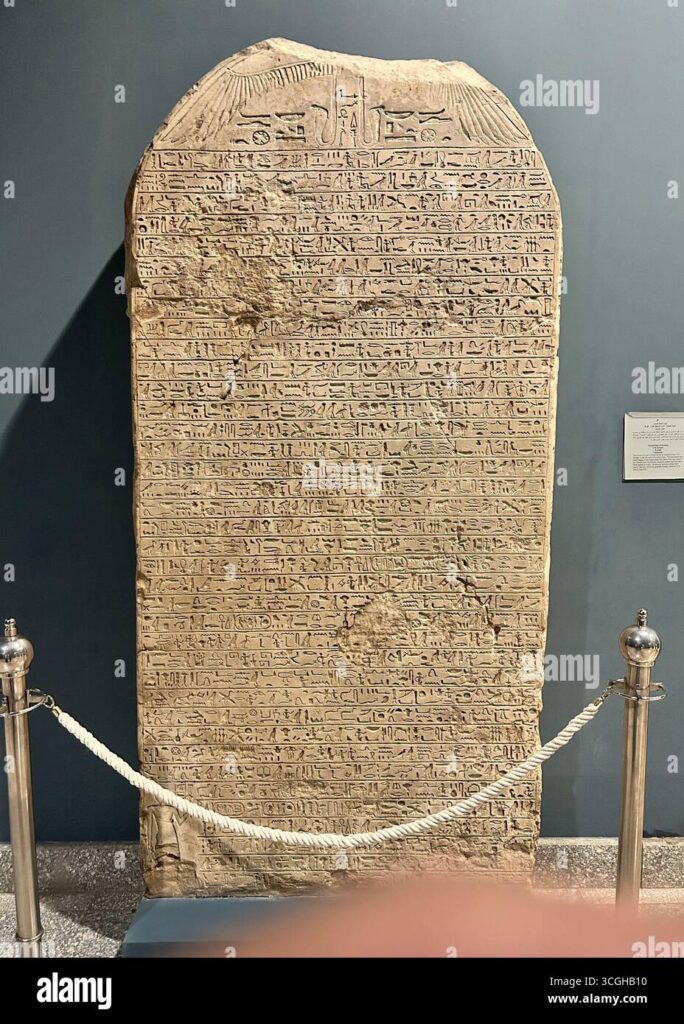
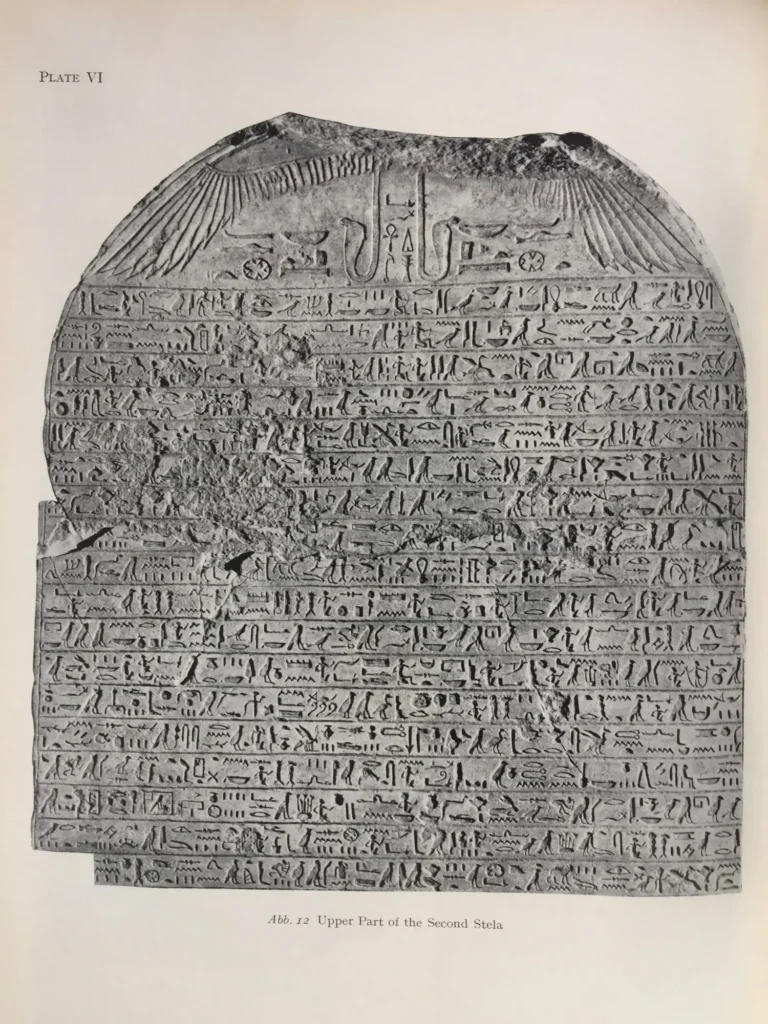
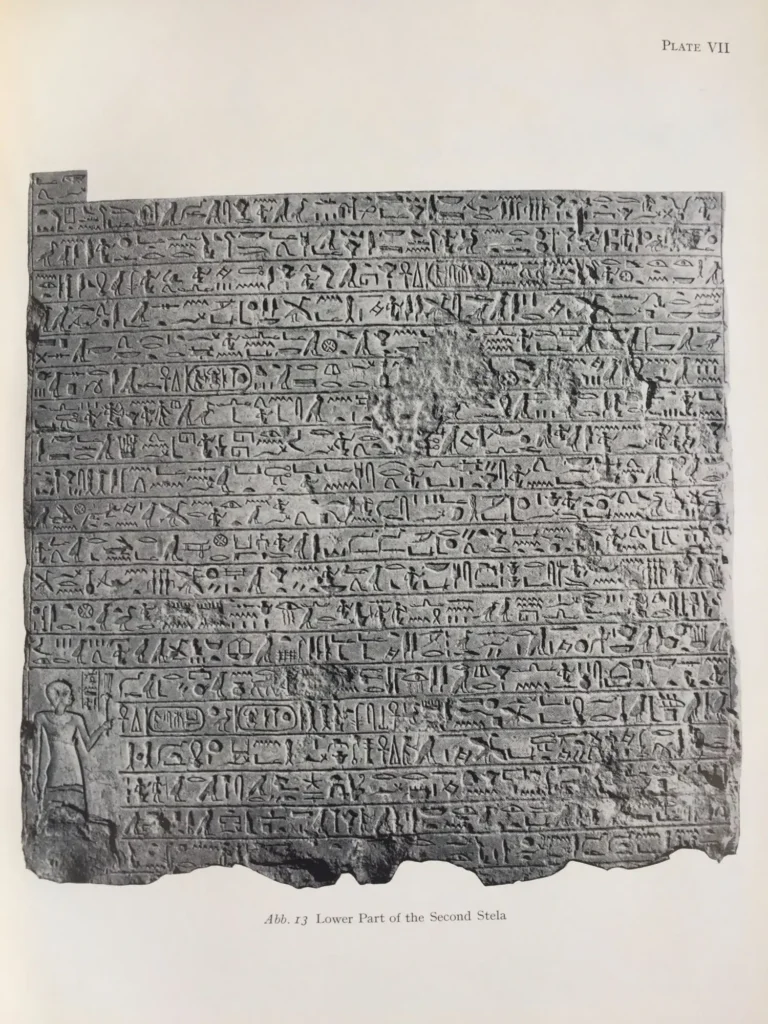
The “Khyan Avaris monument” is not a single intact monument like a pyramid or temple. Instead, it refers to fragments of royal statues and stone blocks inscribed with the name of King Khyan that were discovered at the Hyksos capital Avaris (modern Tell el-Dab‘a in Egypt’s Nile Delta).
The Avaris Asiatic woman statue shows that:
- people from the Levant lived in Egypt’s Delta
- foreign elites existed in the Hyksos capital
- Egyptian and Near Eastern cultures mixed there


