 XIR39176 Statue of the Cult of Osiris (painted wood) by Egyptian, Late Period (715-332 BC); Louvre, Paris, France; (add.info.: Painting by Late Period Egyptian).


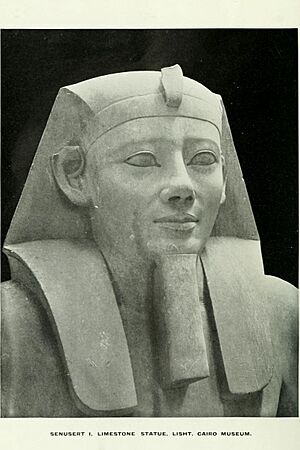
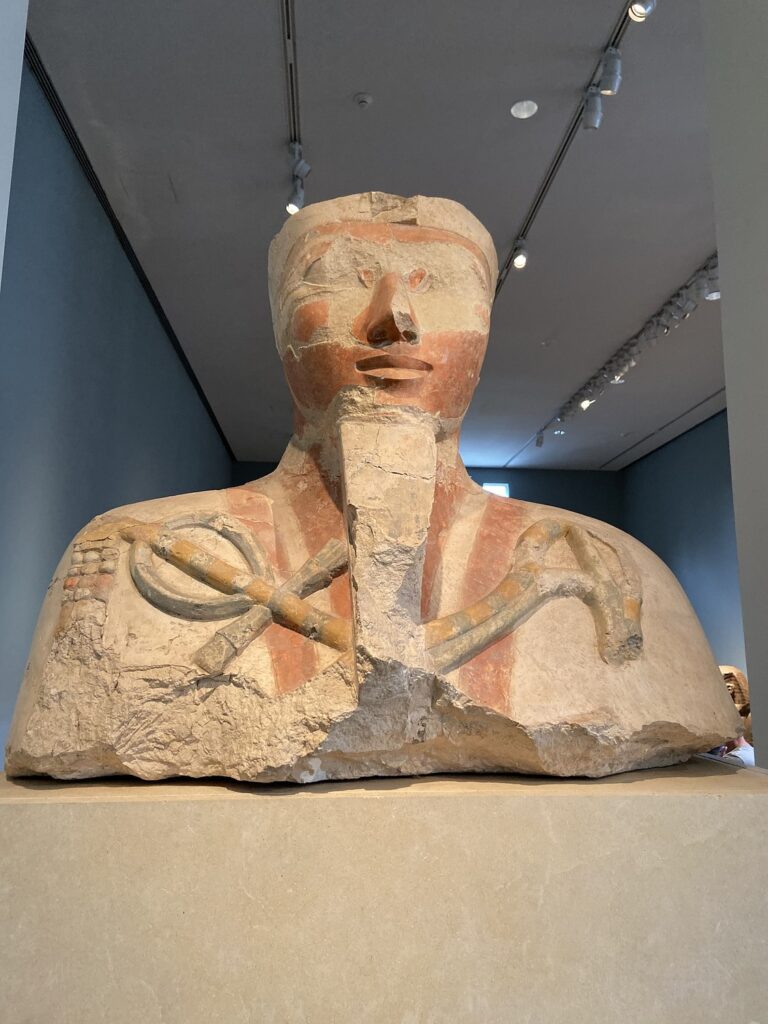
 STF267970 Representation of Pharaoh Sesostris I (1962-1928 BC) as Osiris (limestone) by Egyptian 12th Dynasty (1991-1786 BC); Luxor Museum of Ancient Art, Egypt; (add.info.: Pfeiler mit dem Pharao Sesostris I also Osiris; Kalkstein; Aegypten;); Bildarchiv Steffens.
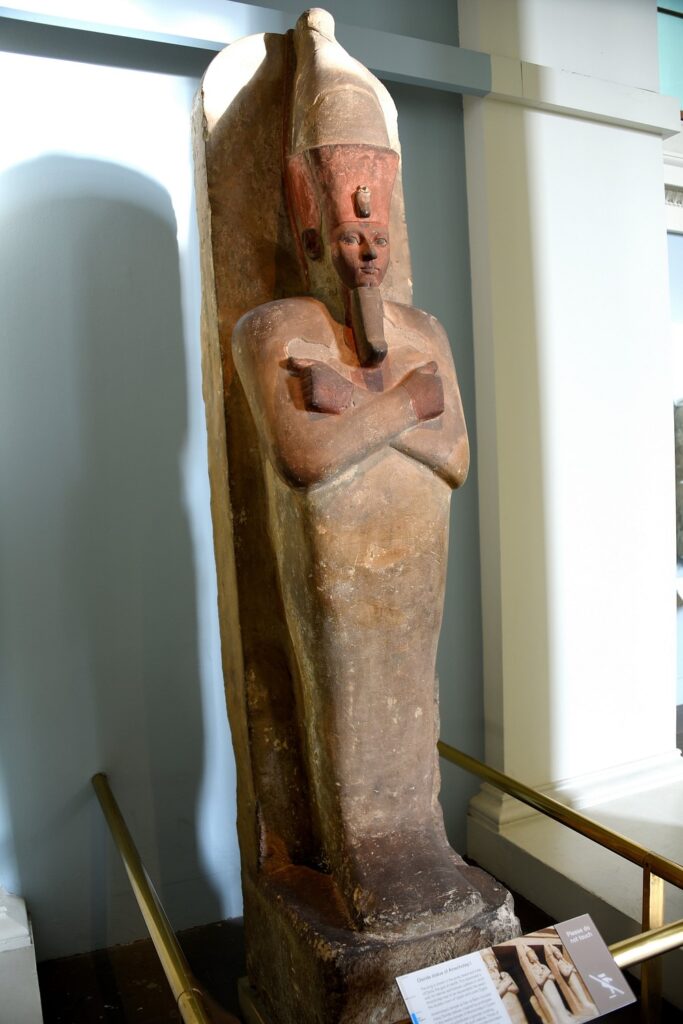
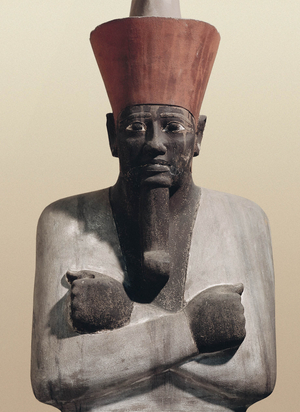 IBE5375629 Statue of Mentuhotep II (painted sandstone) by Egyptian 11th Dynasty (2061-2010 BC); Egyptian National Museum, Cairo, Egypt; (add.info.: Enthroned and wearing the red crown of Lower Egypt. From the Mortuary Temple of Mentuhotep II, at Deir el-Bahri, Middle Kingdom); © Iberfoto.

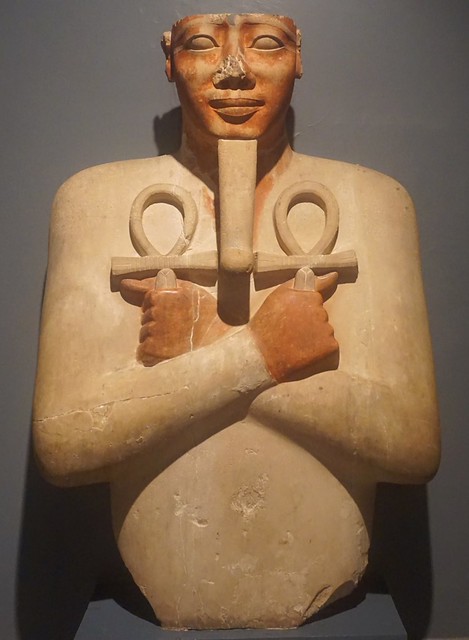
 Egyptian Art. Osiride pillar of pharaoh Senusret I, Jeperkara Senusret or Sesostris I, second king of 12th Dynasty. Middle Kingdom. Ruled between 1956 and 1910 BC. Luxor Museum. Egypt. Credit: Album / Prisma
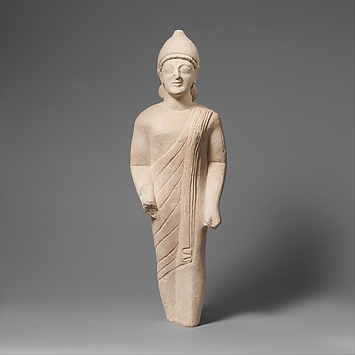
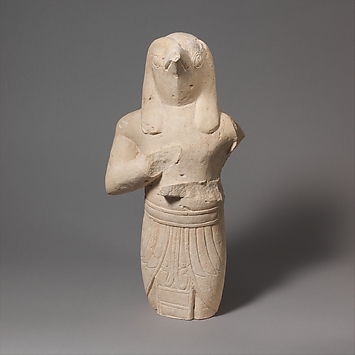


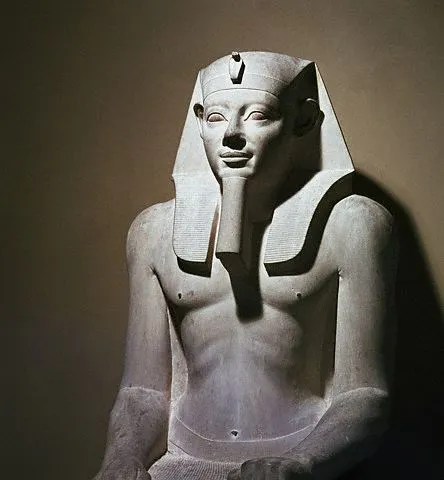

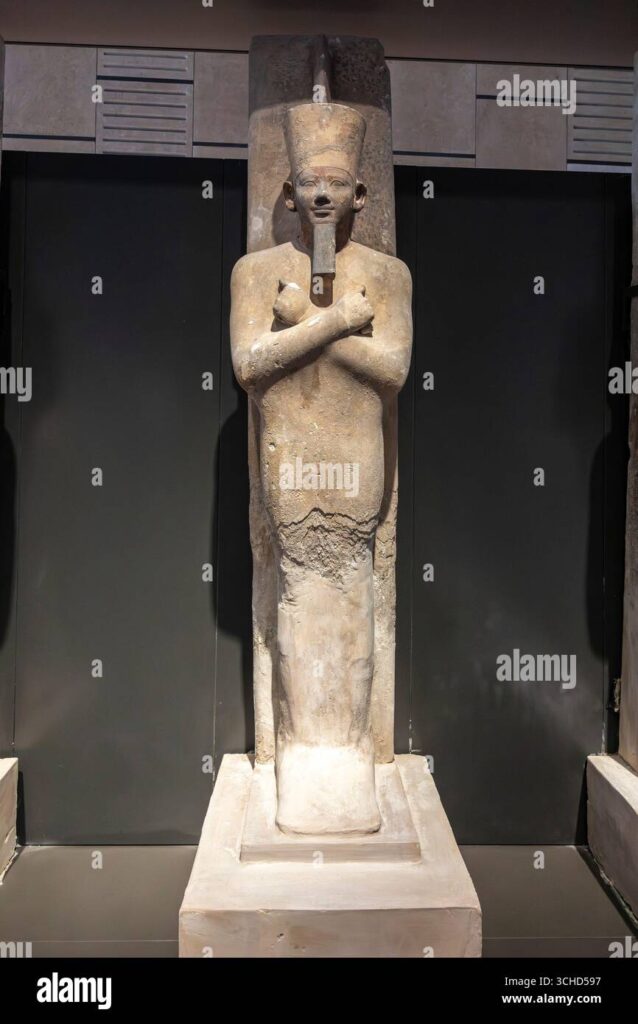
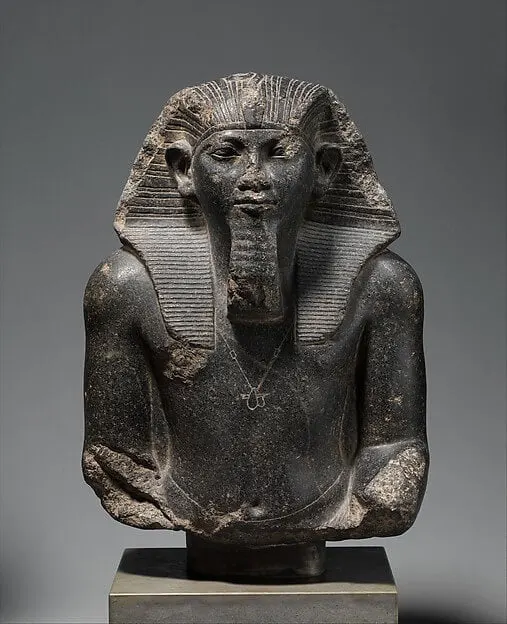


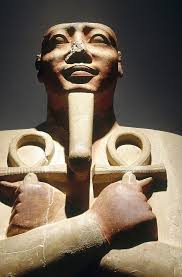


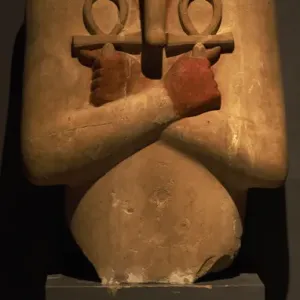
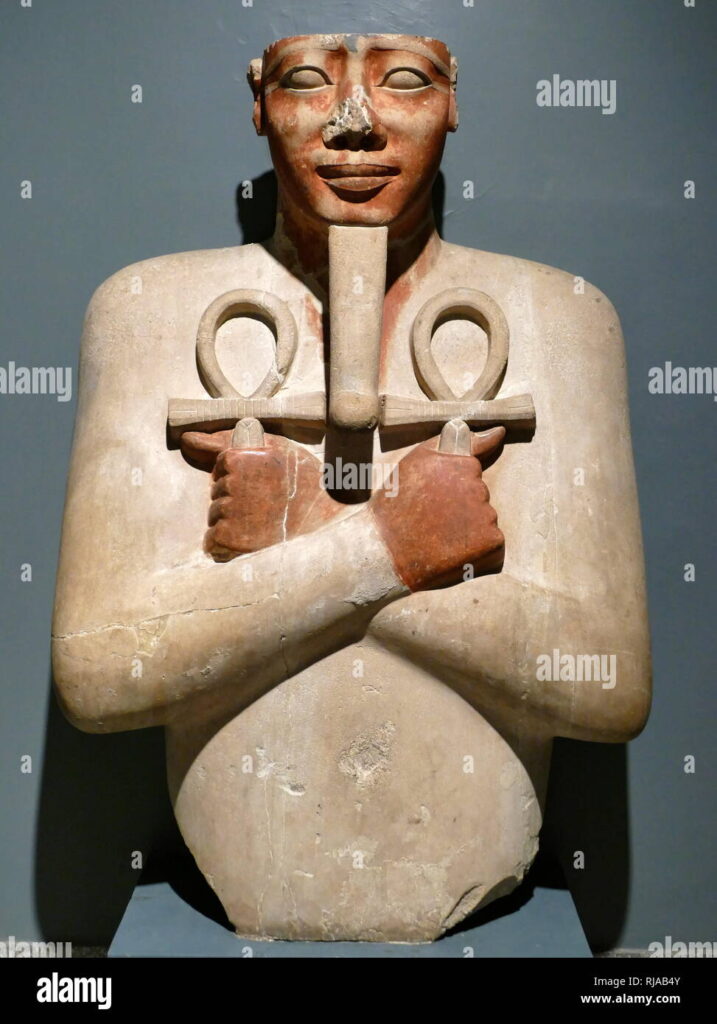

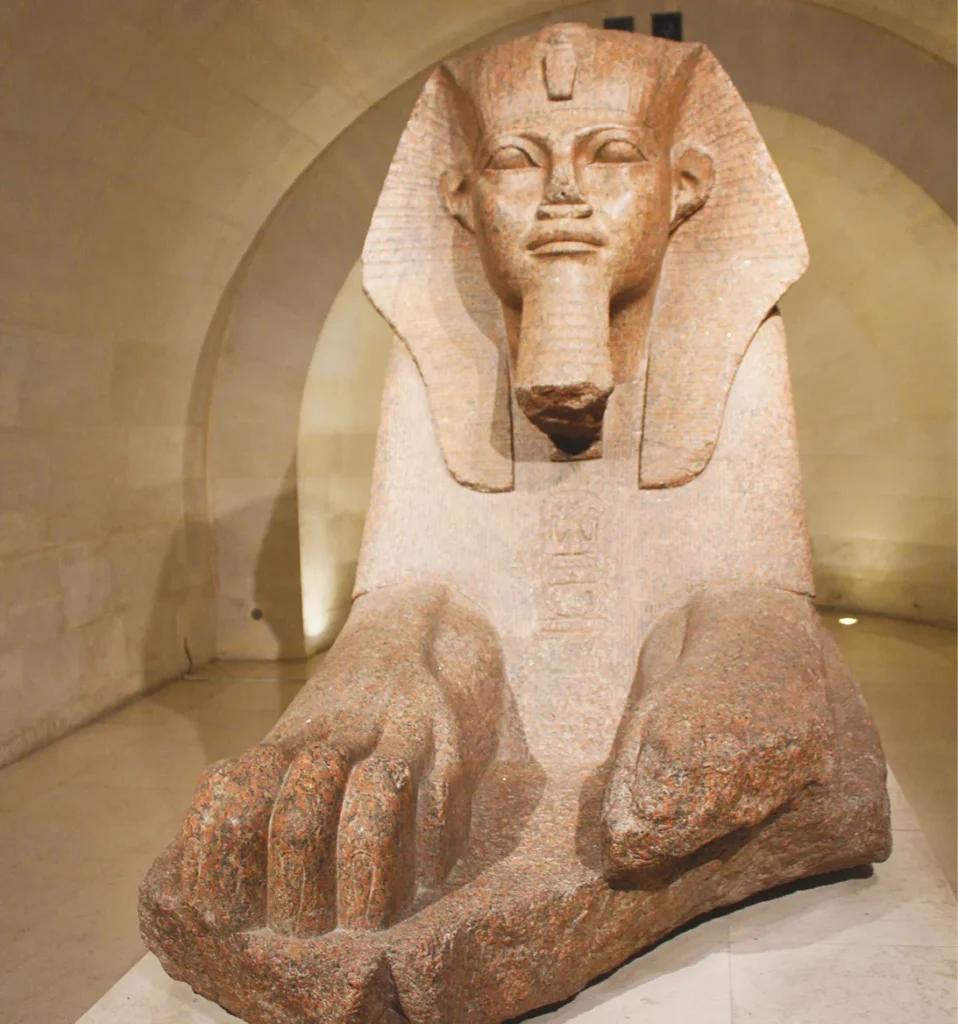


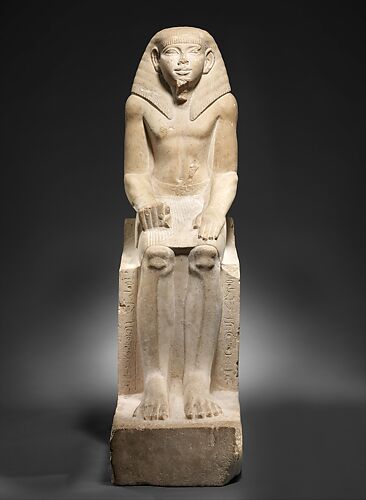


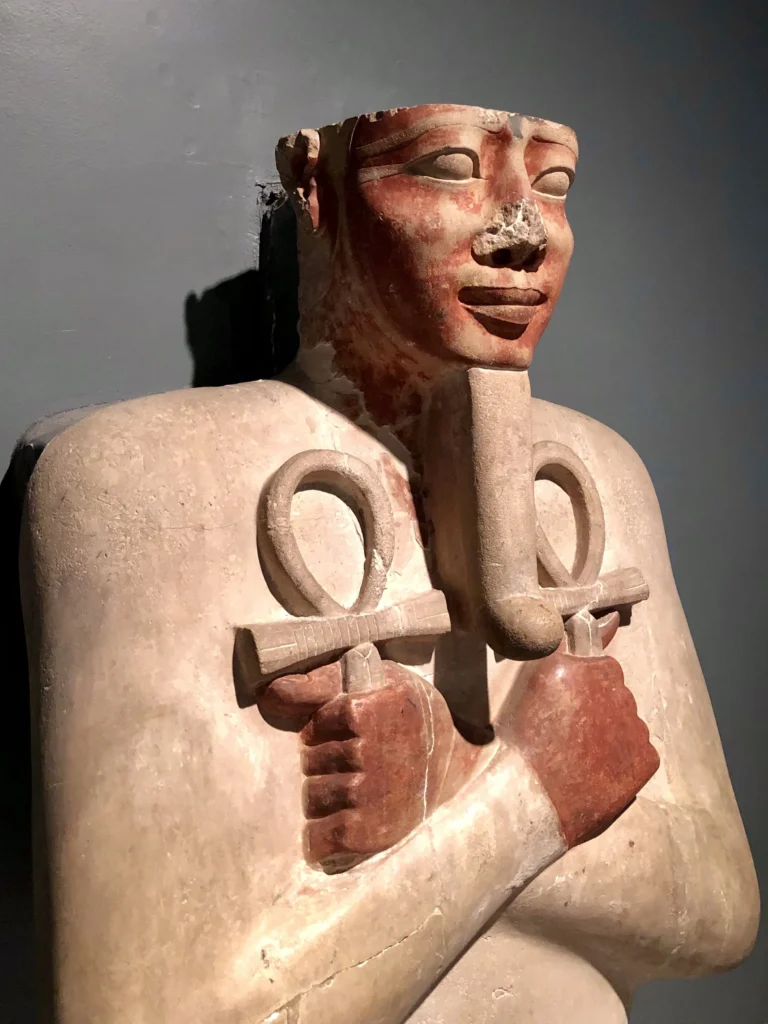


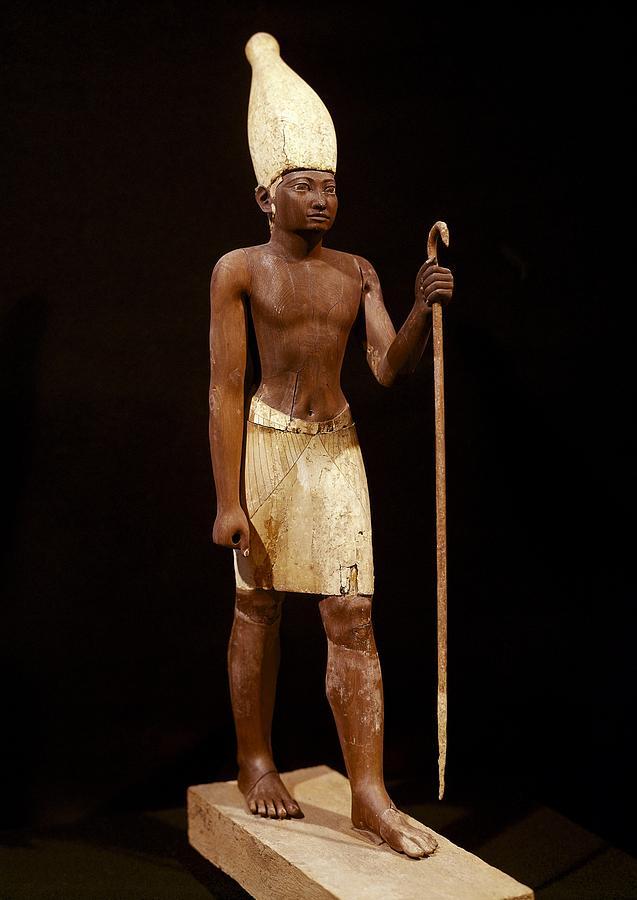
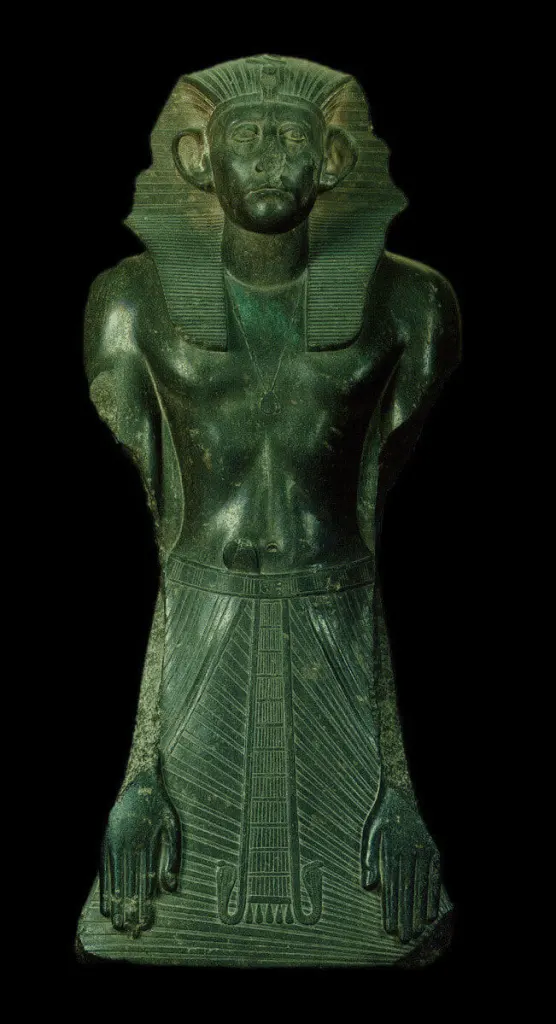


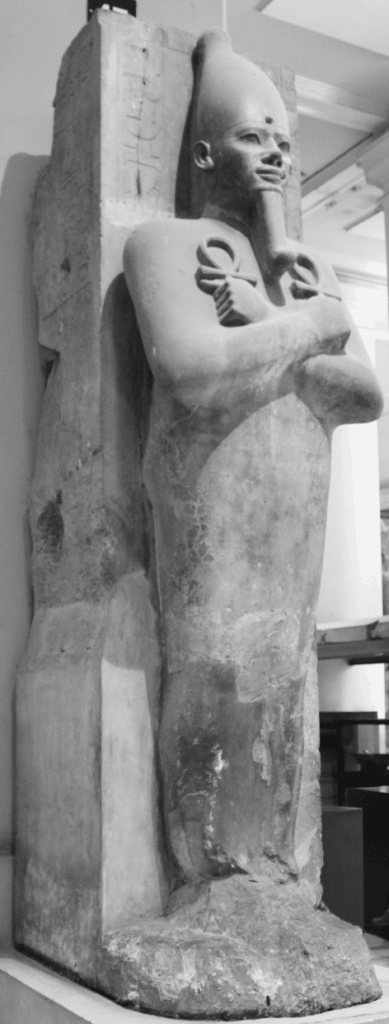

An Osiride statue is a statue of a king shown in the form of the god Osiris. Its main features are:
- Mummiform body (legs wrapped together like a mummy)
- Arms crossed over the chest
- Holding the crook and flail (symbols of kingship)
- Often attached to pillars or temple walls
- Wearing the atef crown or nemes headdress