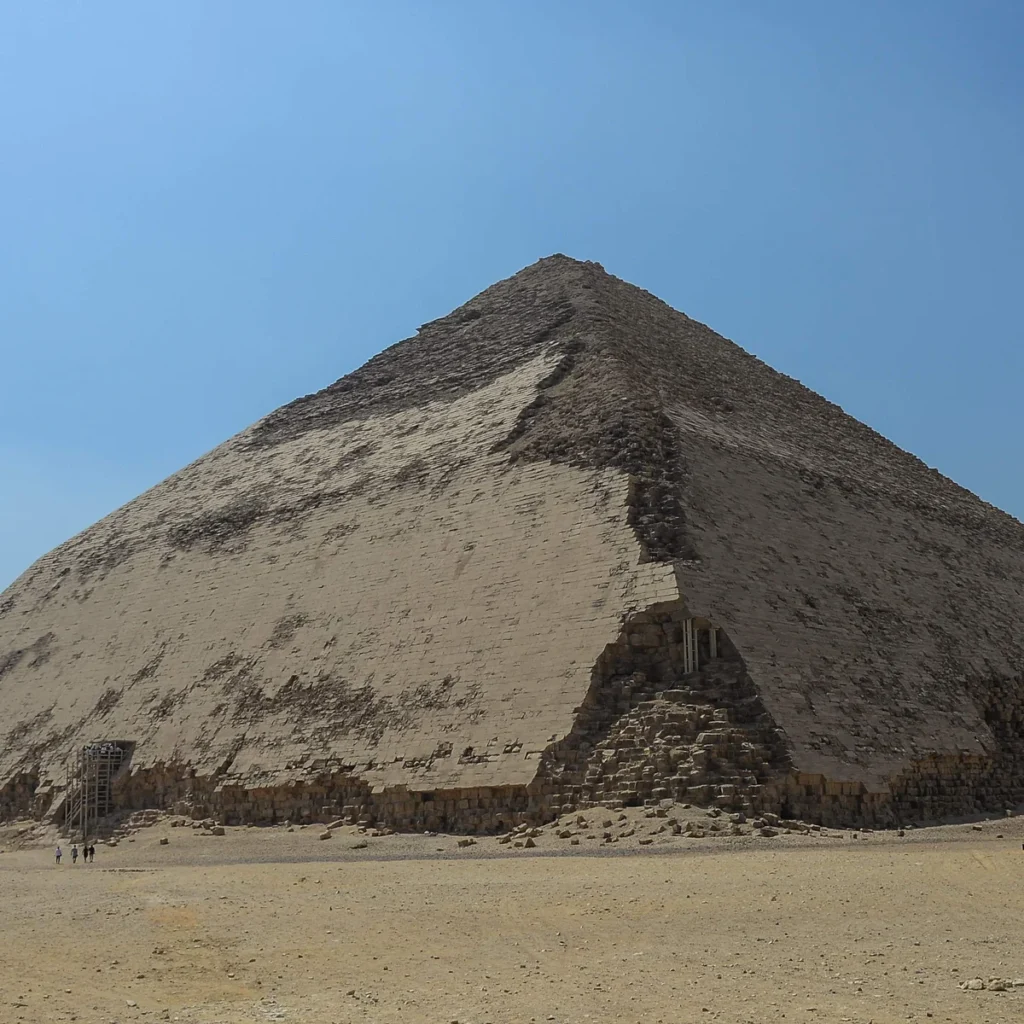
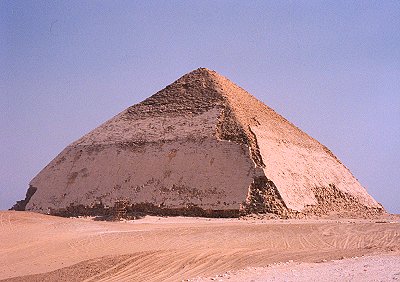
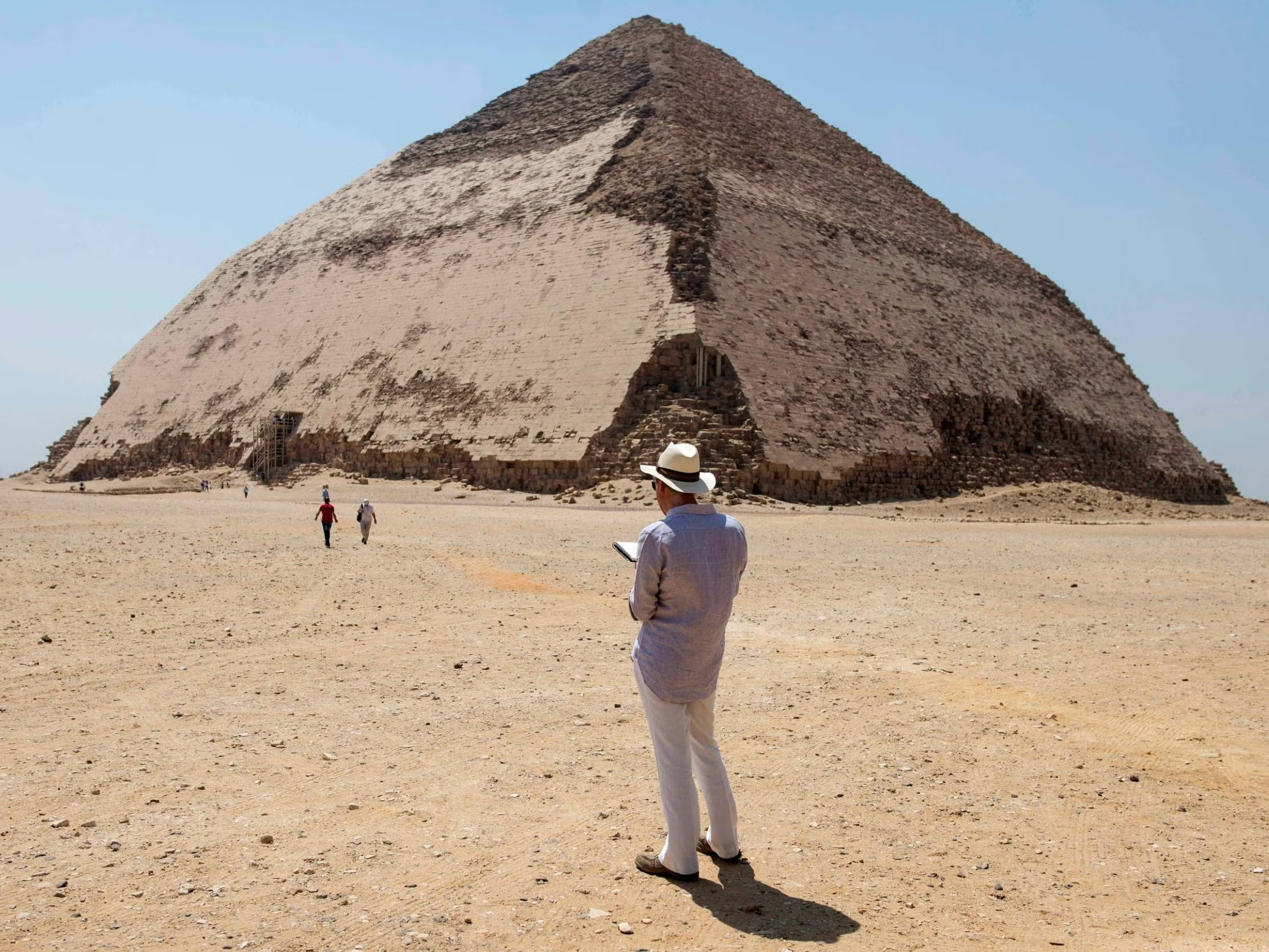
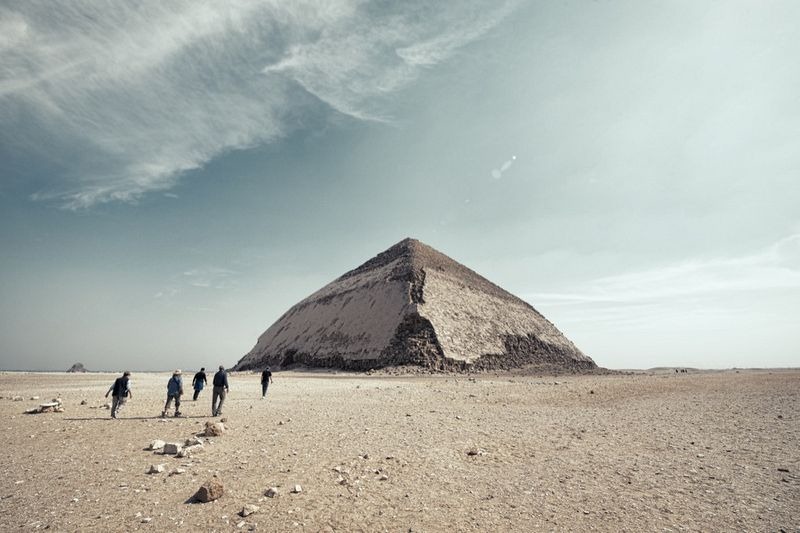
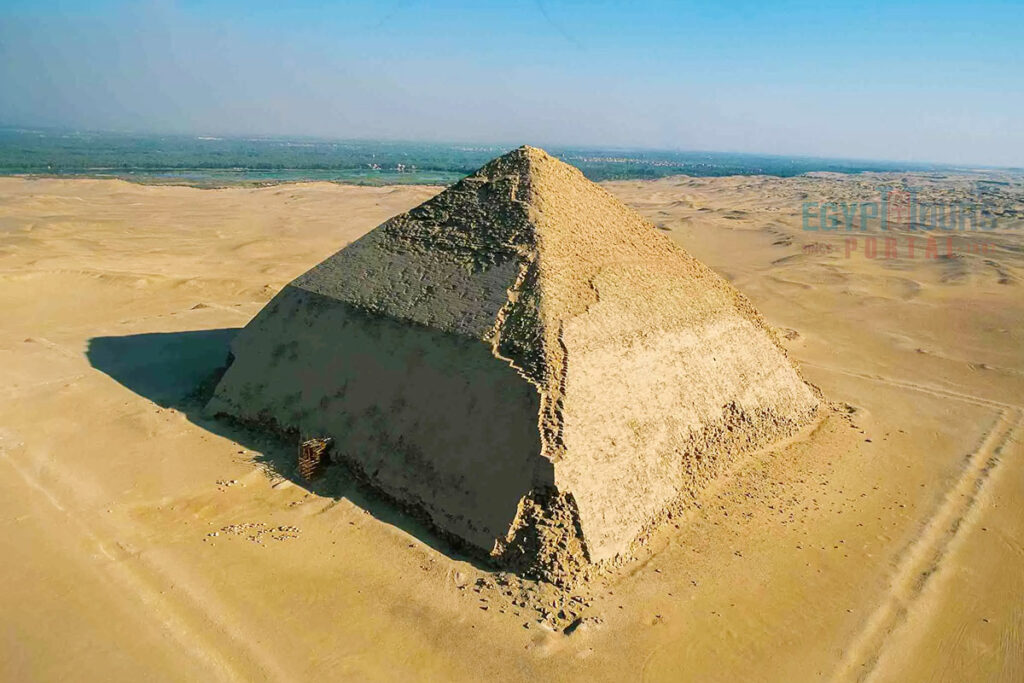
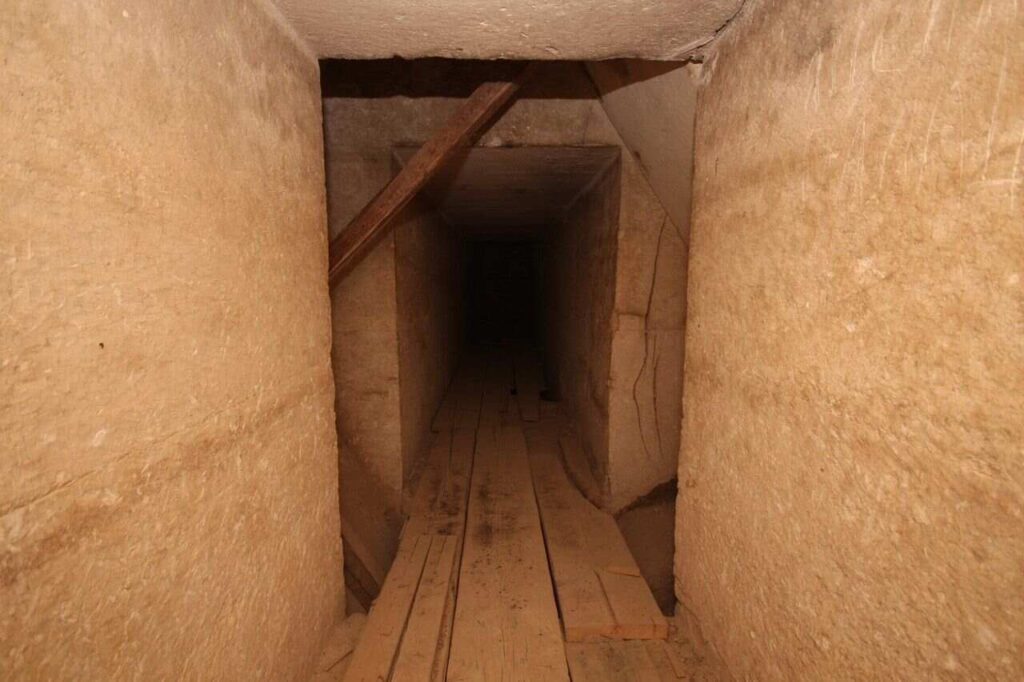
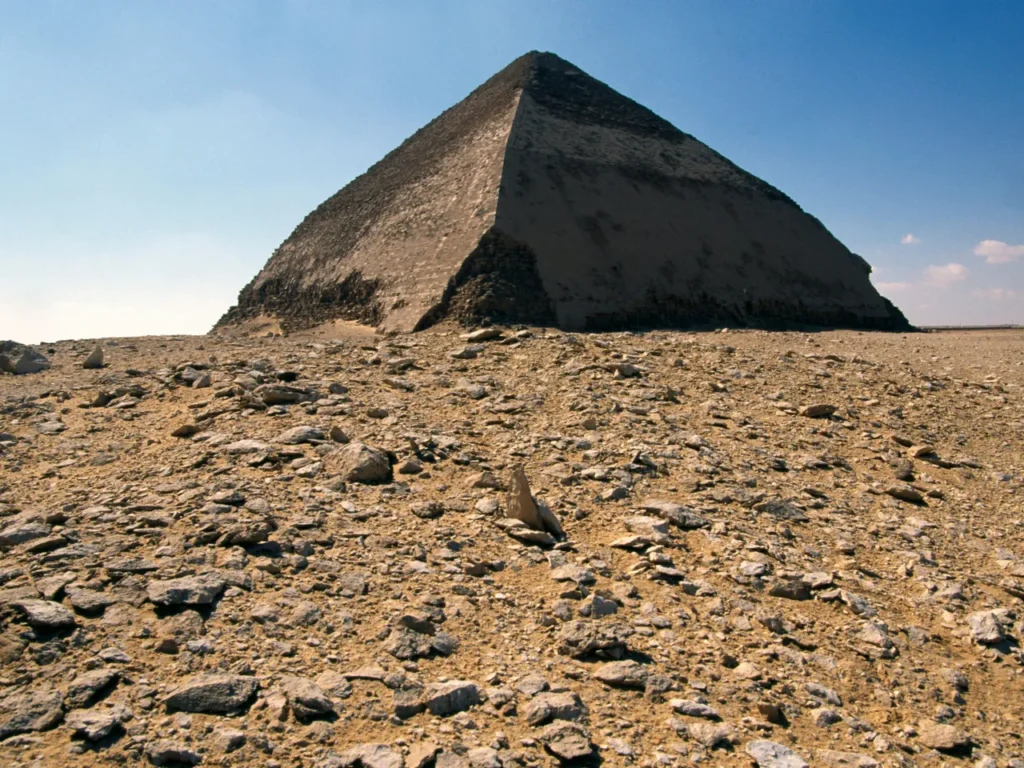
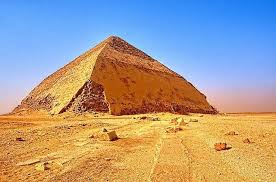
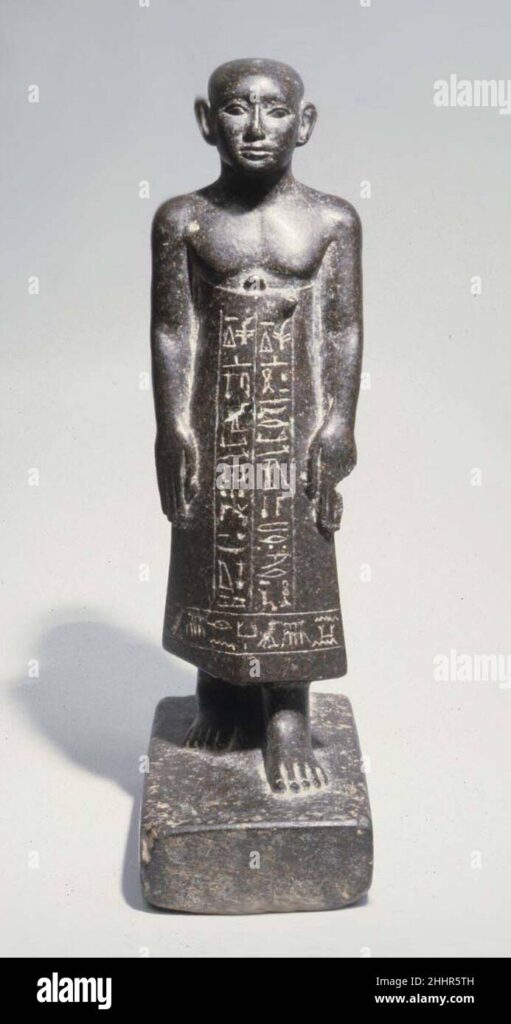
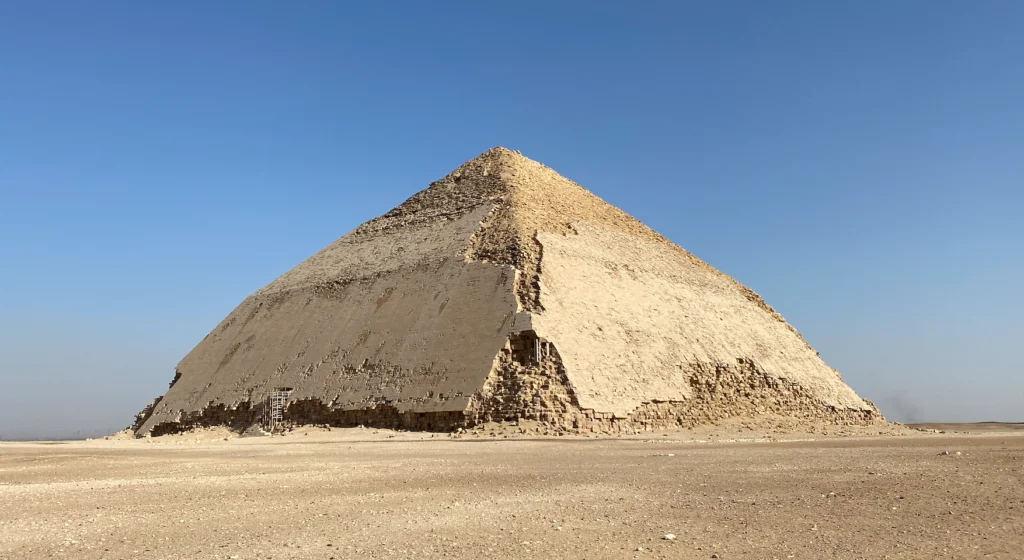
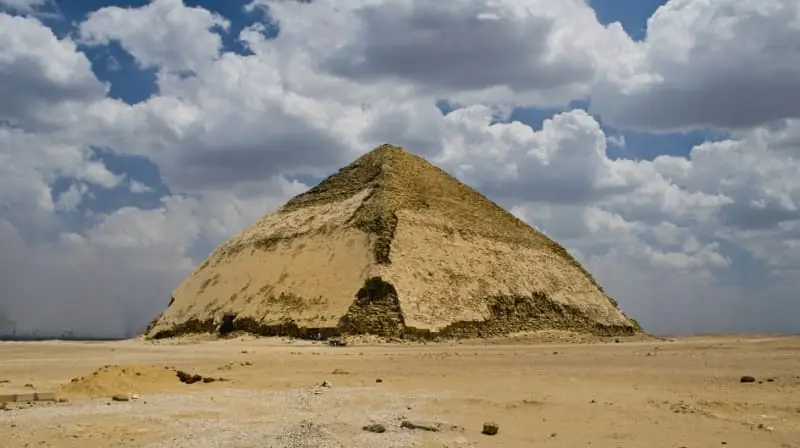
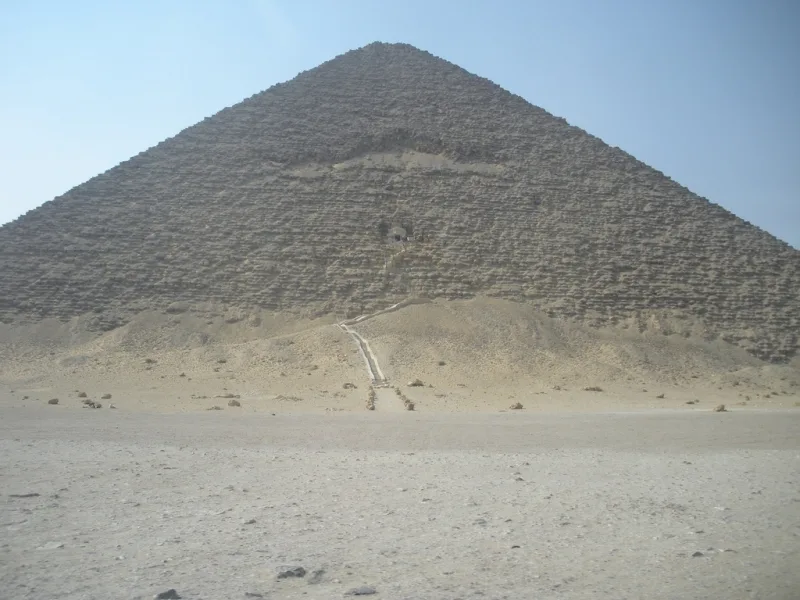
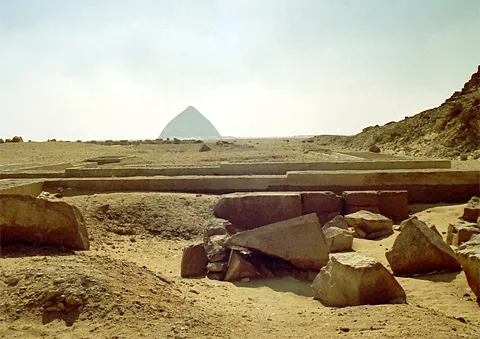
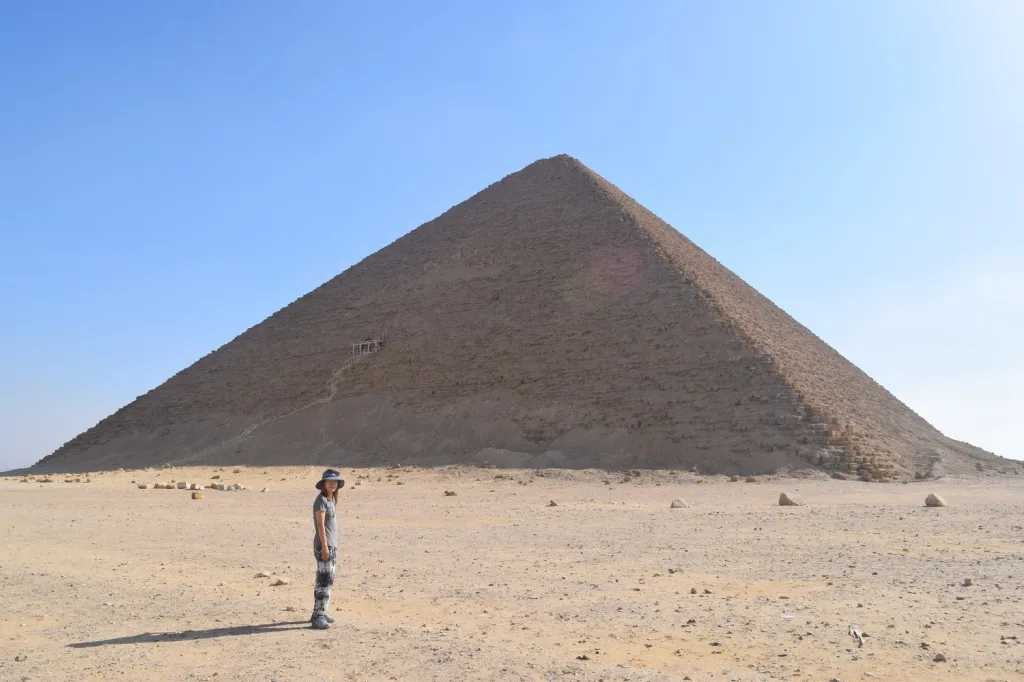
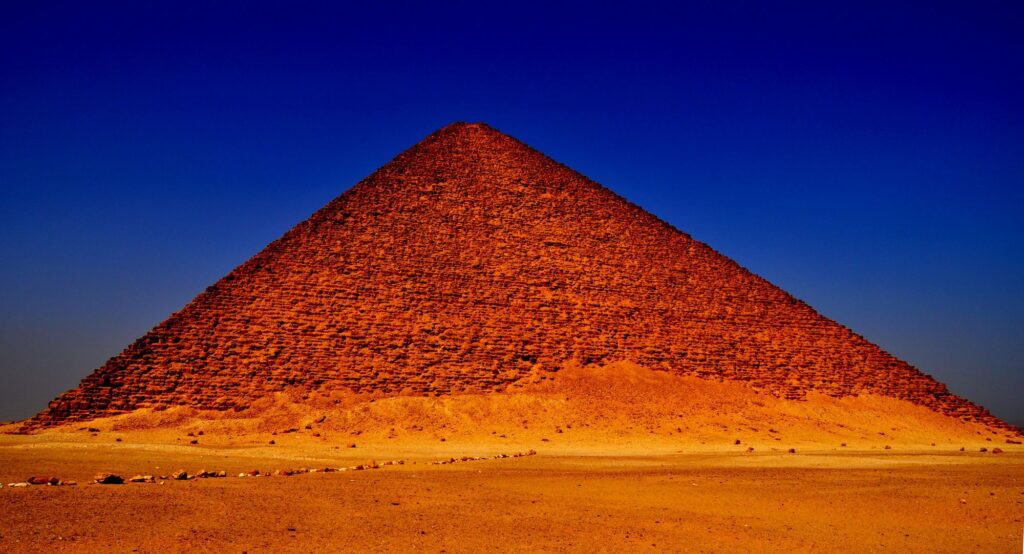
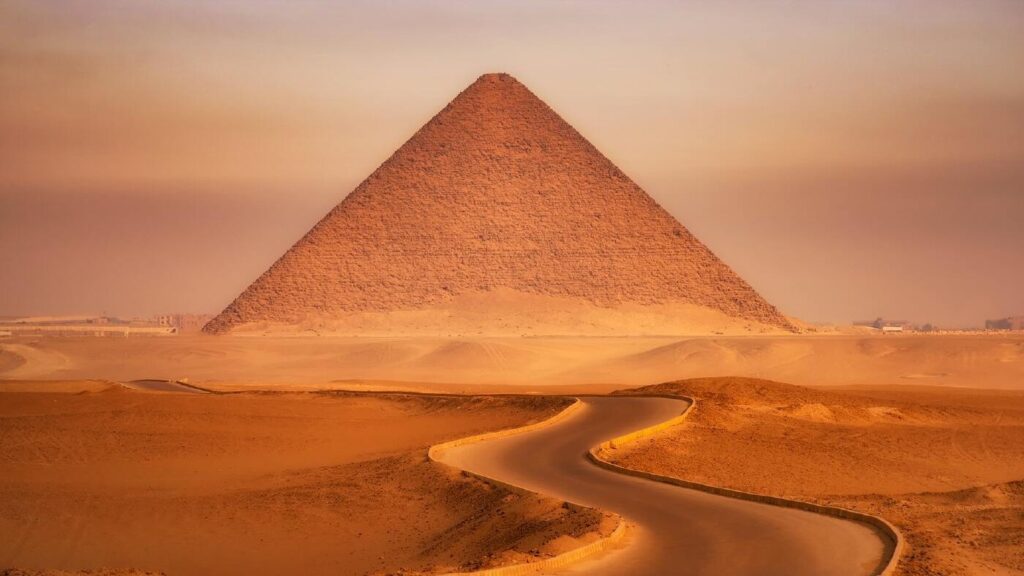
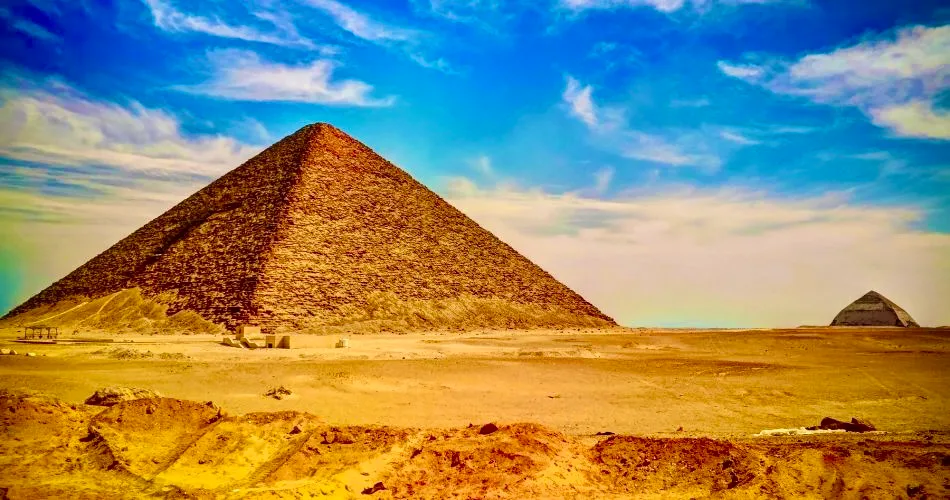
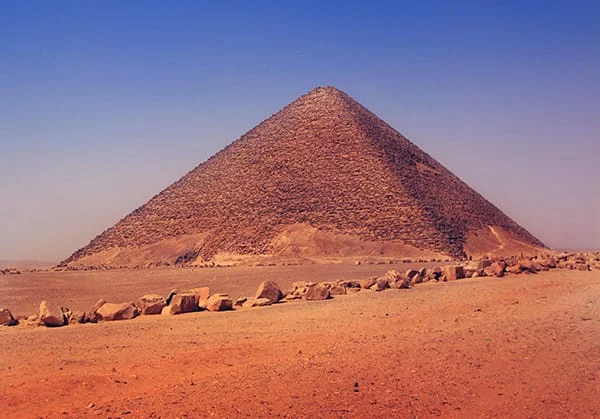
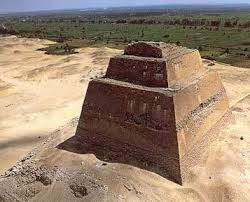
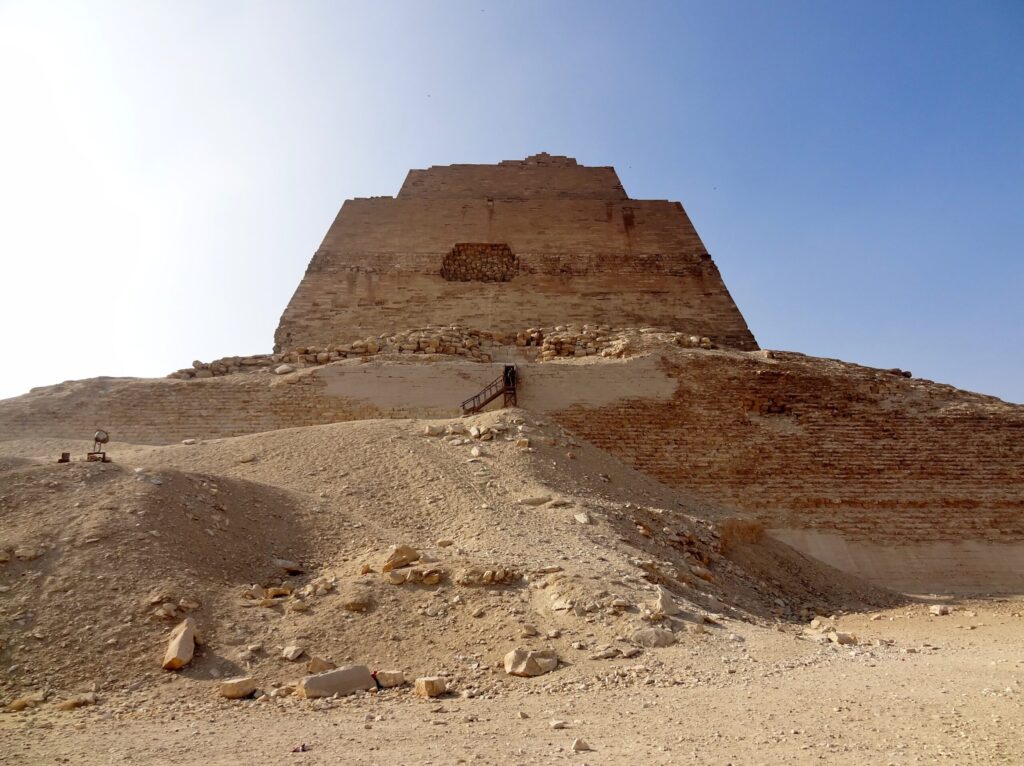
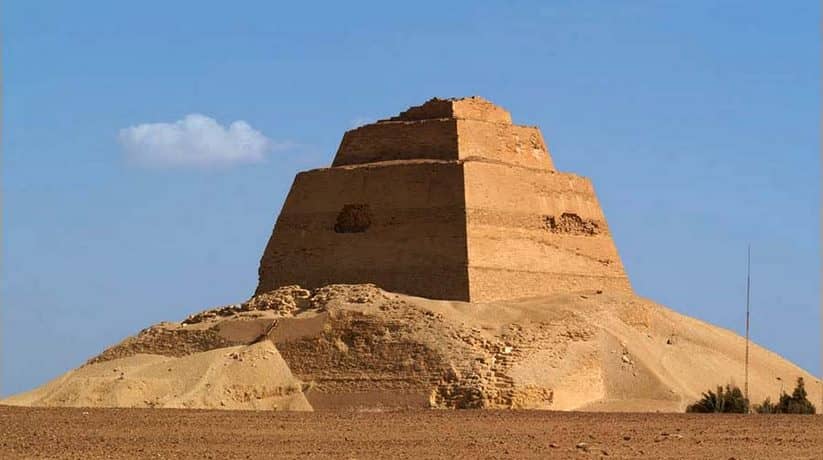
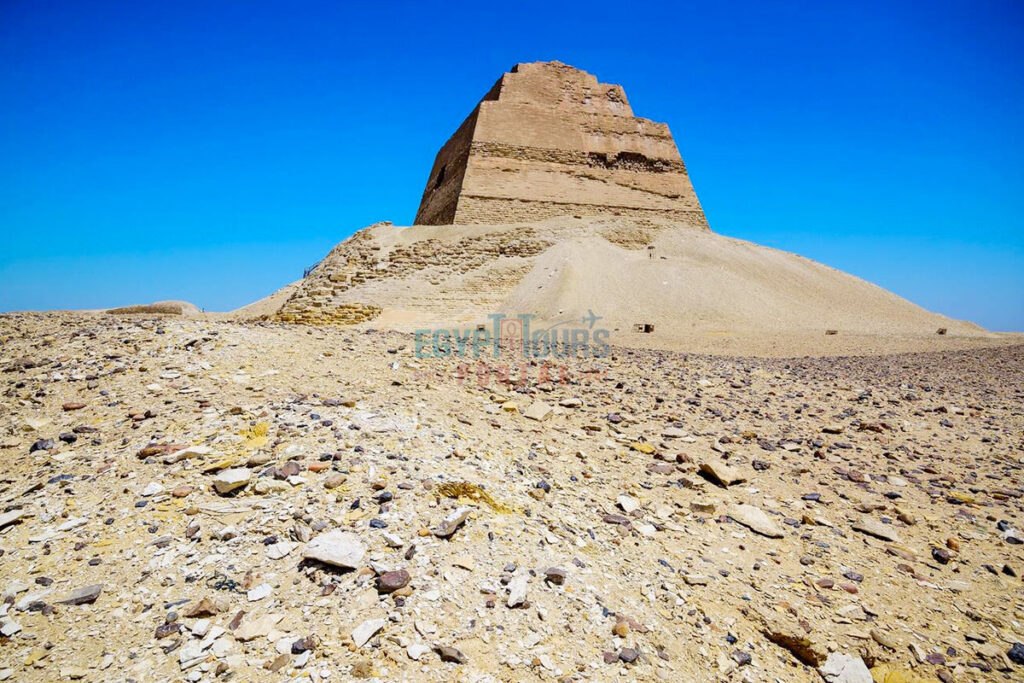
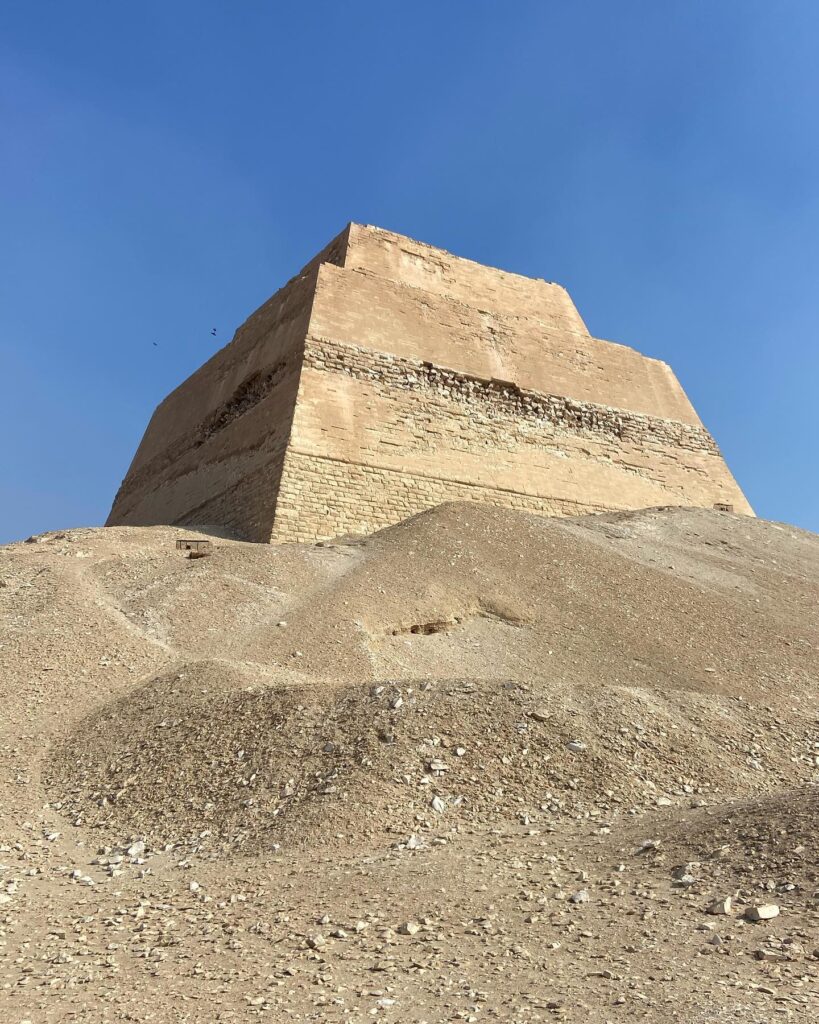
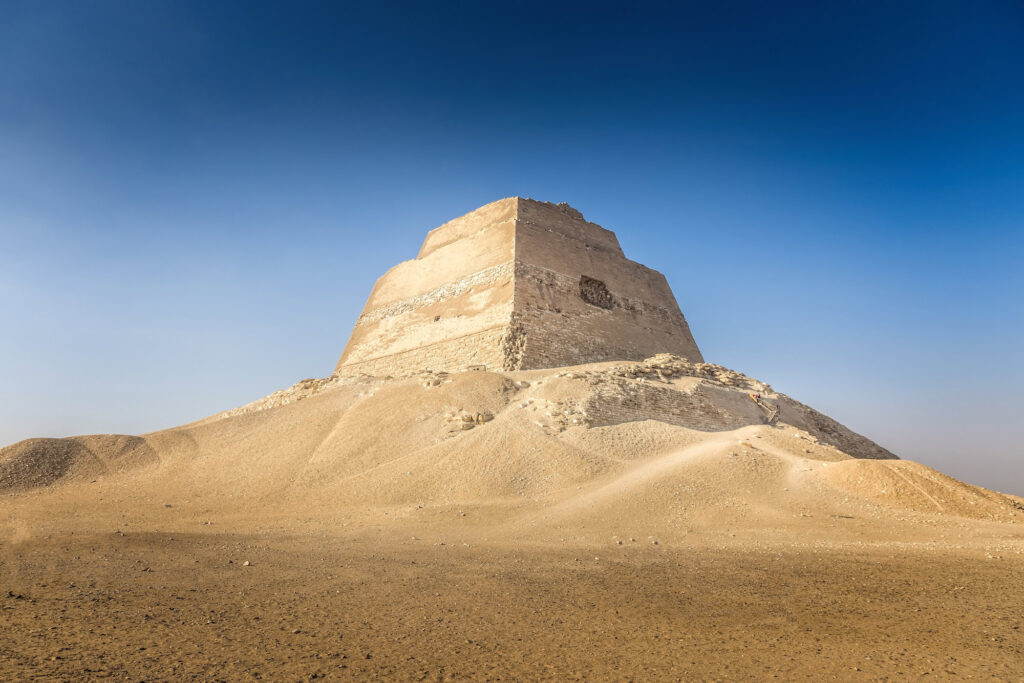
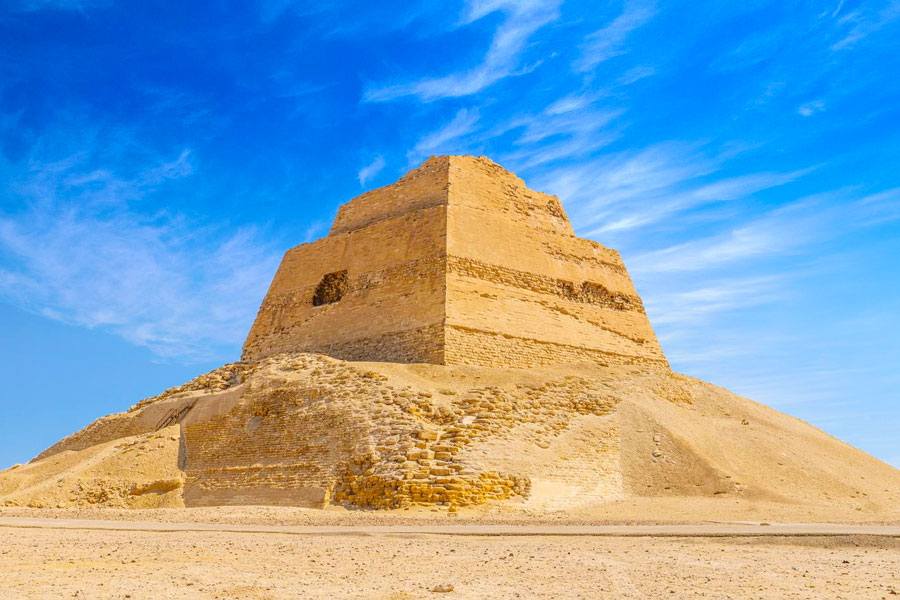
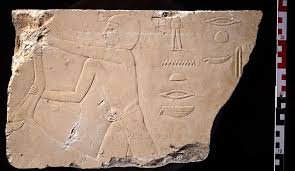
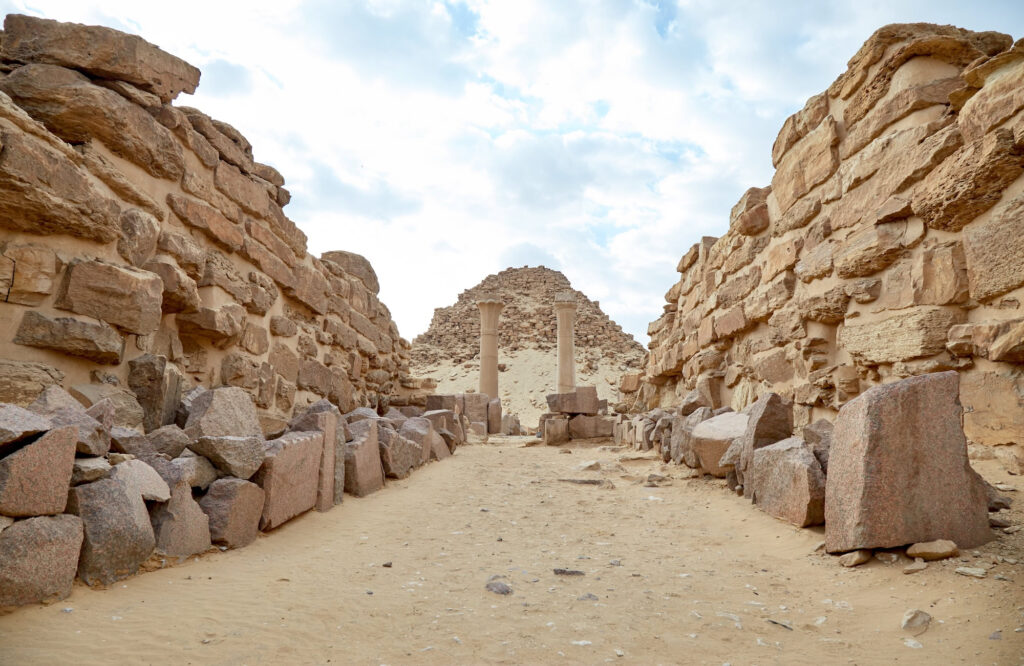
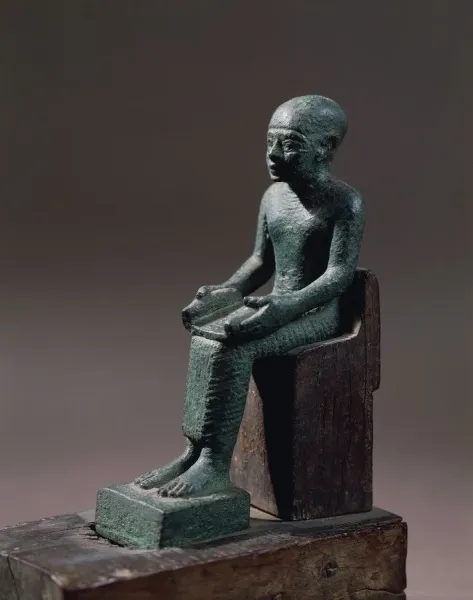
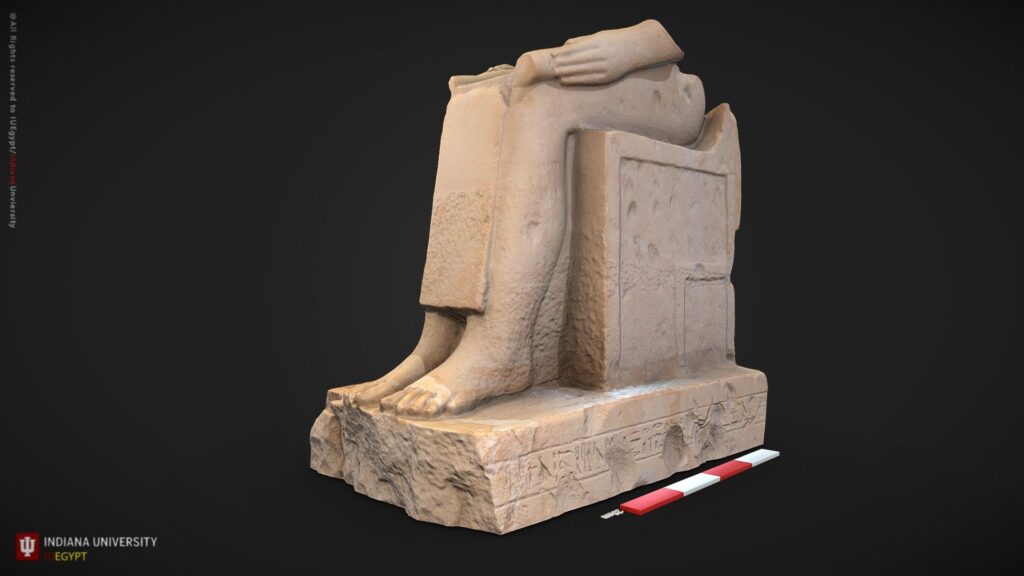
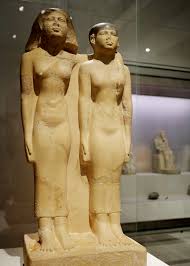
Replica statue of Rahotep, a prince in ancient Egypt during the 4th Dynasty. He was probably a son of Pharaoh Sneferu and his first wife. Dynasty IV lasted from c.2613 to 2494 BC. Credit: Album / Universal Images Group / World History ArchiveA row of camels transport tourists in front of all of the Dakshur Pyramids in Cairo, EgyptDCF 1.0Bent Pyramid – Egypt Tours PortalBent Pyramid Surroundings – Egypt Tours PortalConstruction of the Bent Pyramid – Egypt Tours PortalClear sky ovet the ancoentBent Pyramid of Sneferu in the desert landscape, Dahshur, EgyptInside the Bent Pyramid – Egypt Tours Portal????????????????????????????????????The Red Pyramid Facts – The Red Pyramid History – The Red Pyramid DescriptionThe Red Pyramid – Egypt Tours Portal
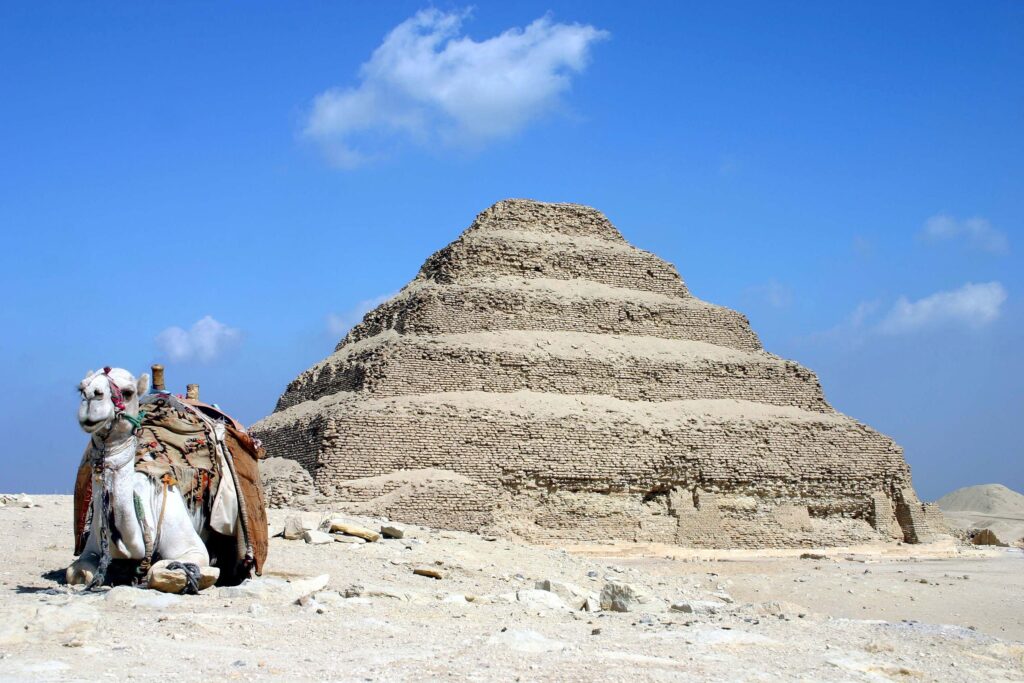
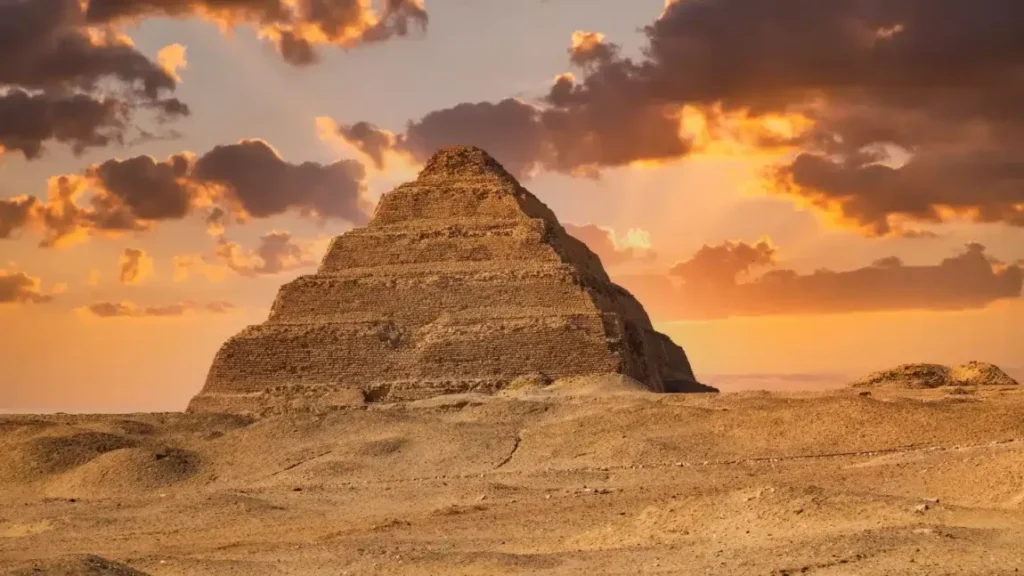
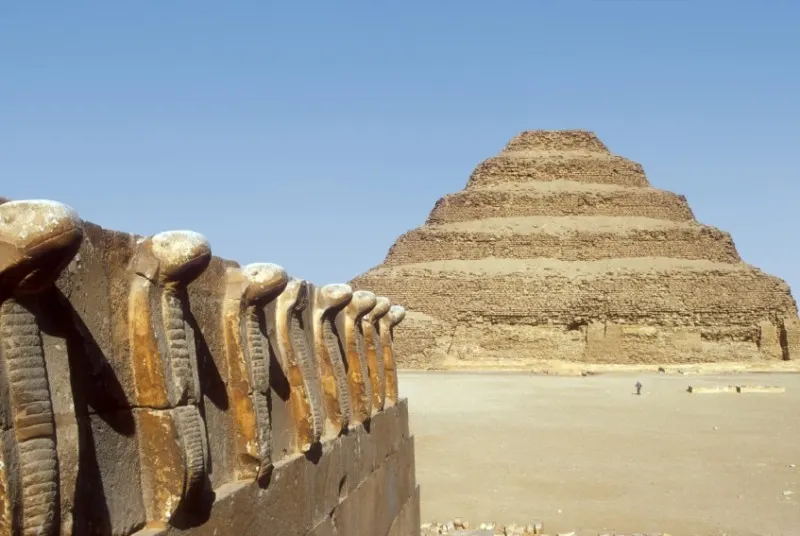
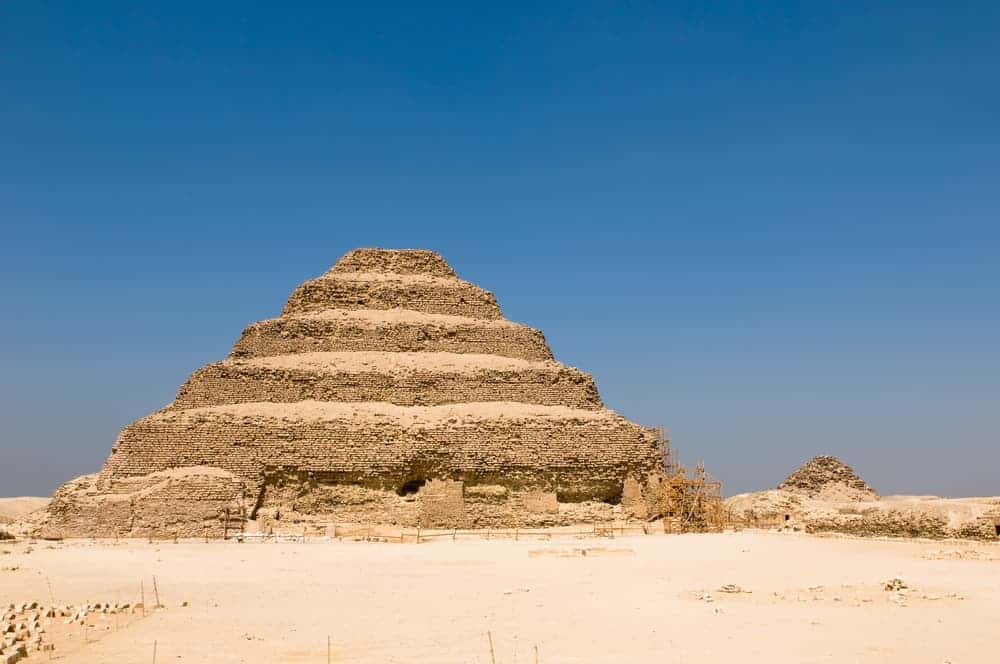
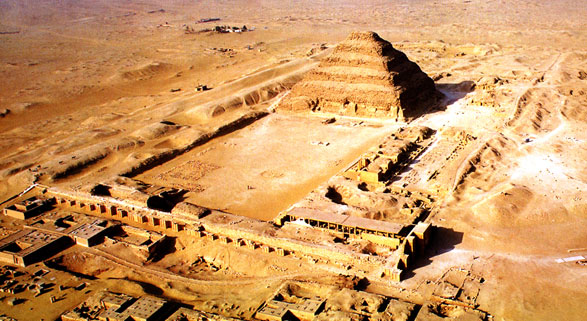
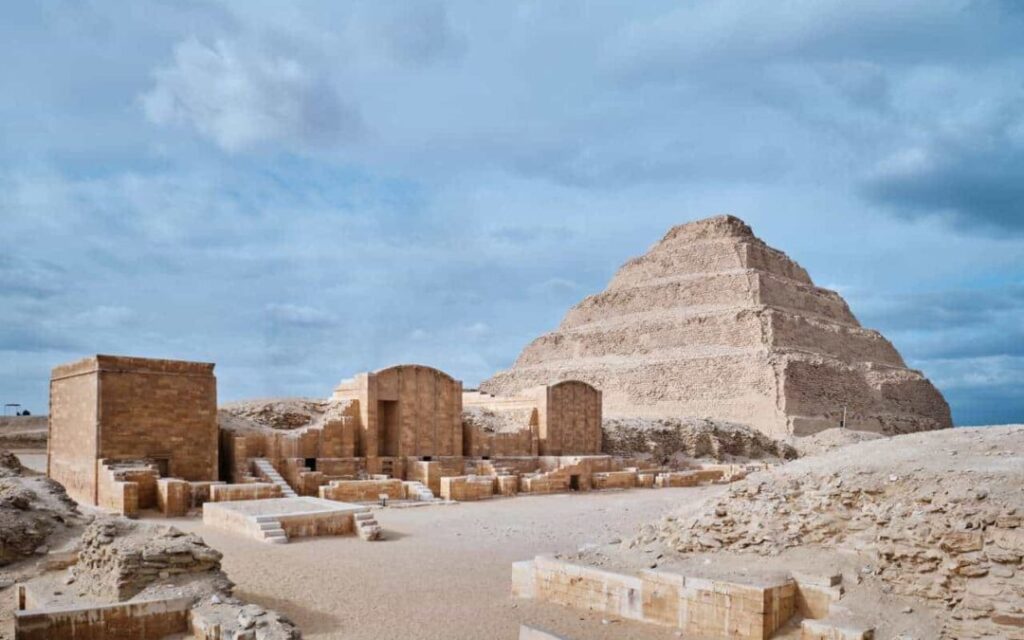
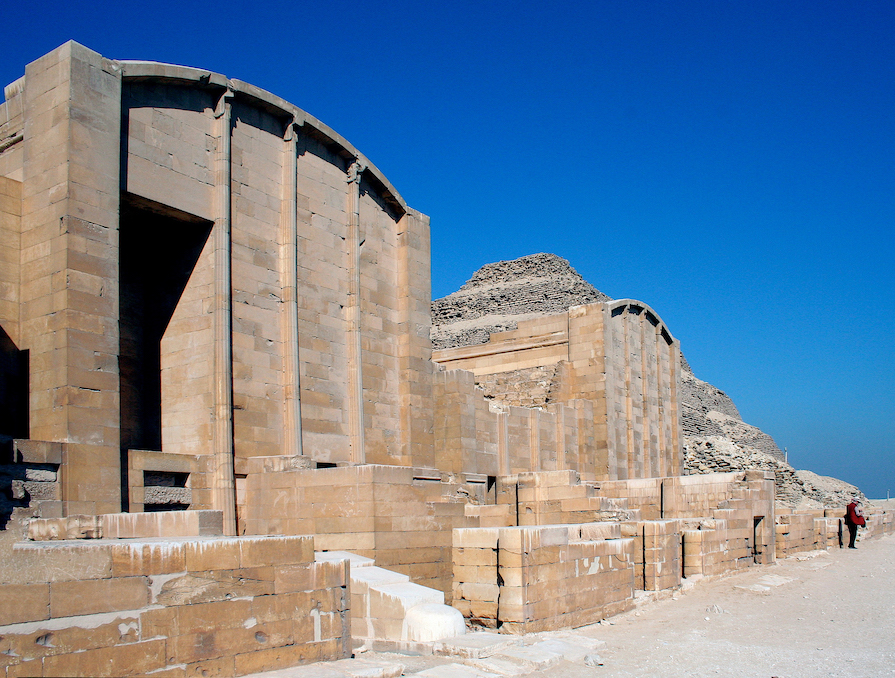
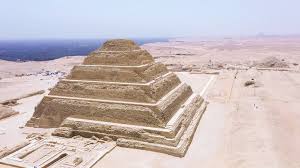
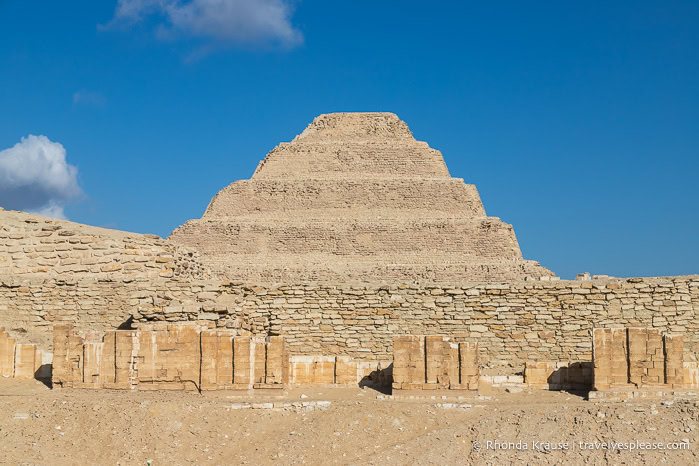
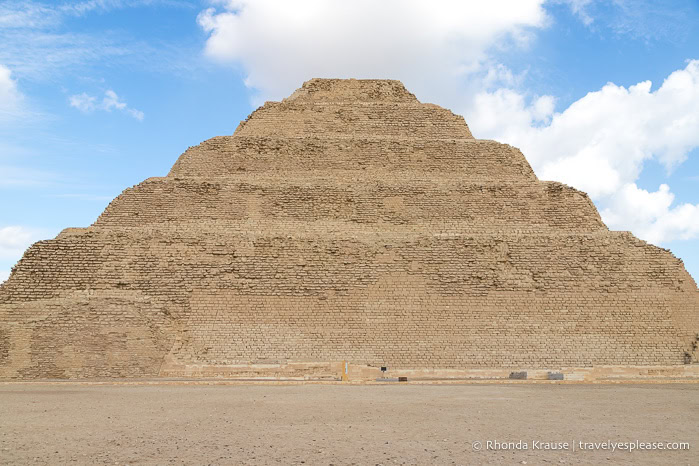
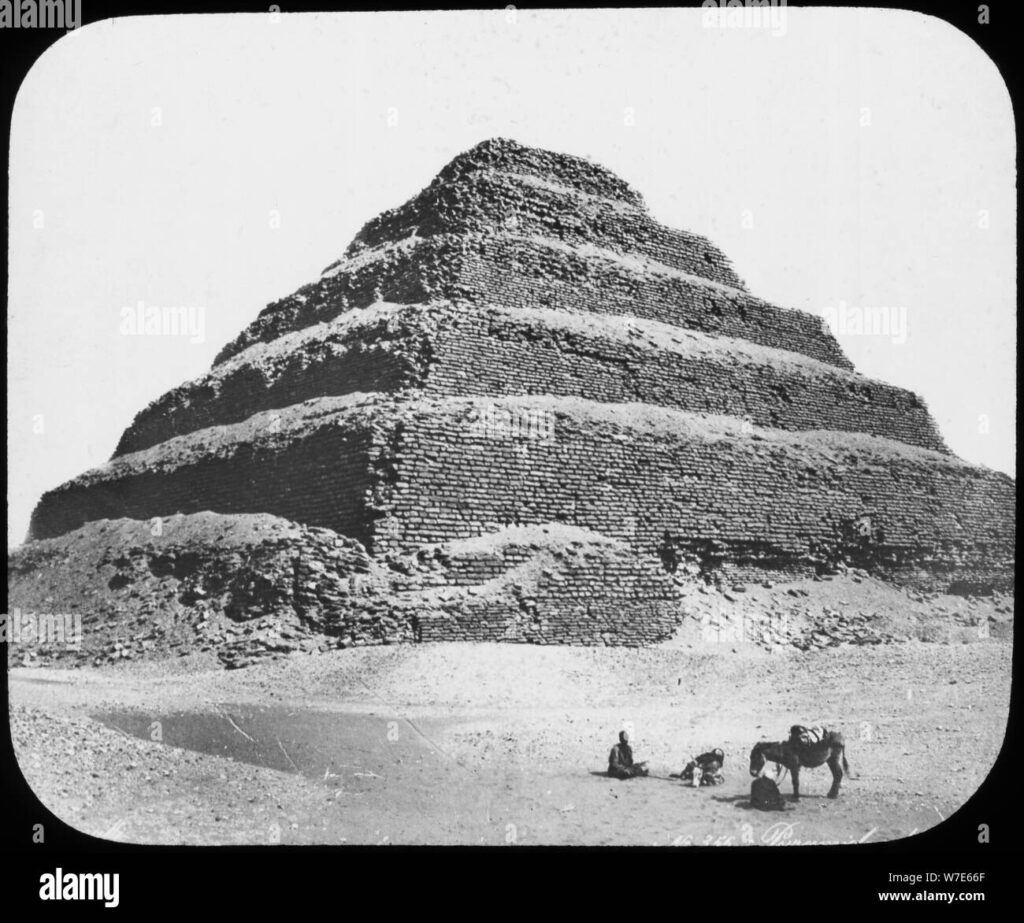
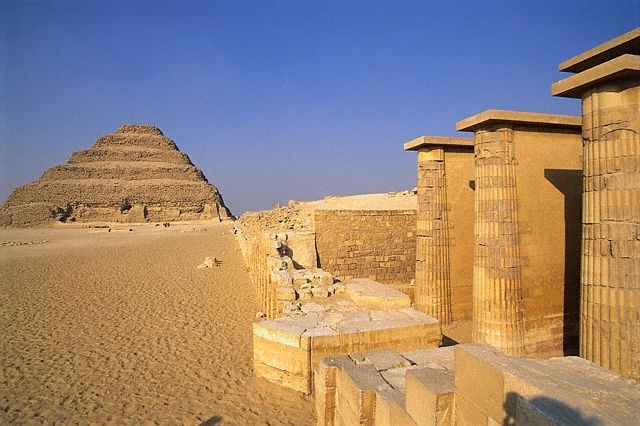
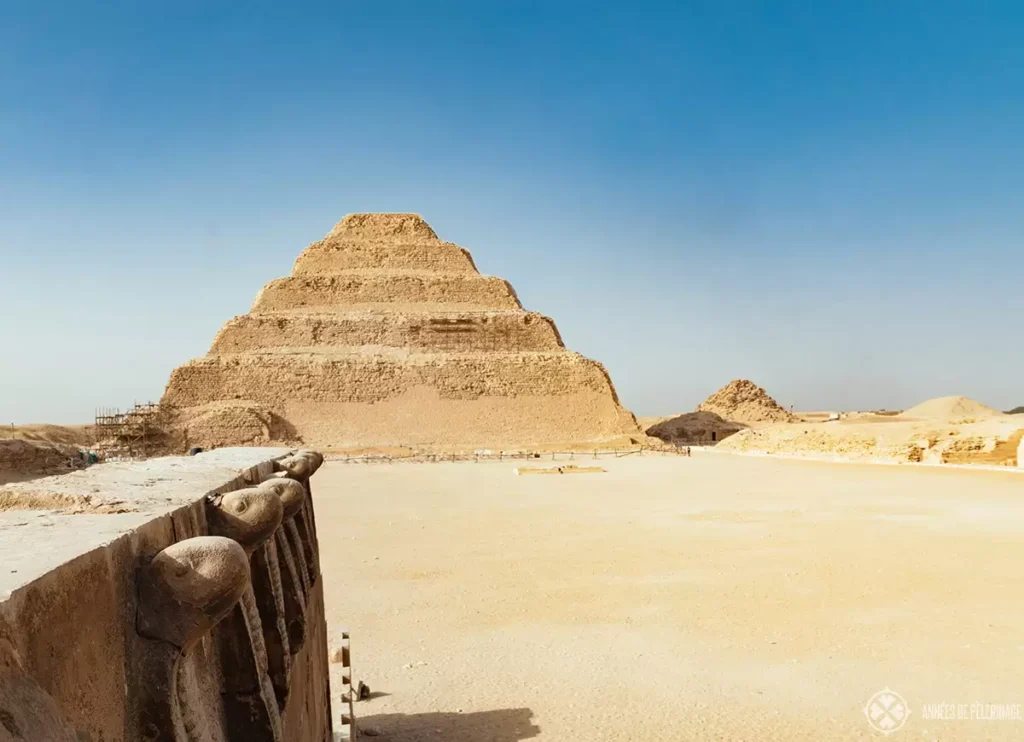
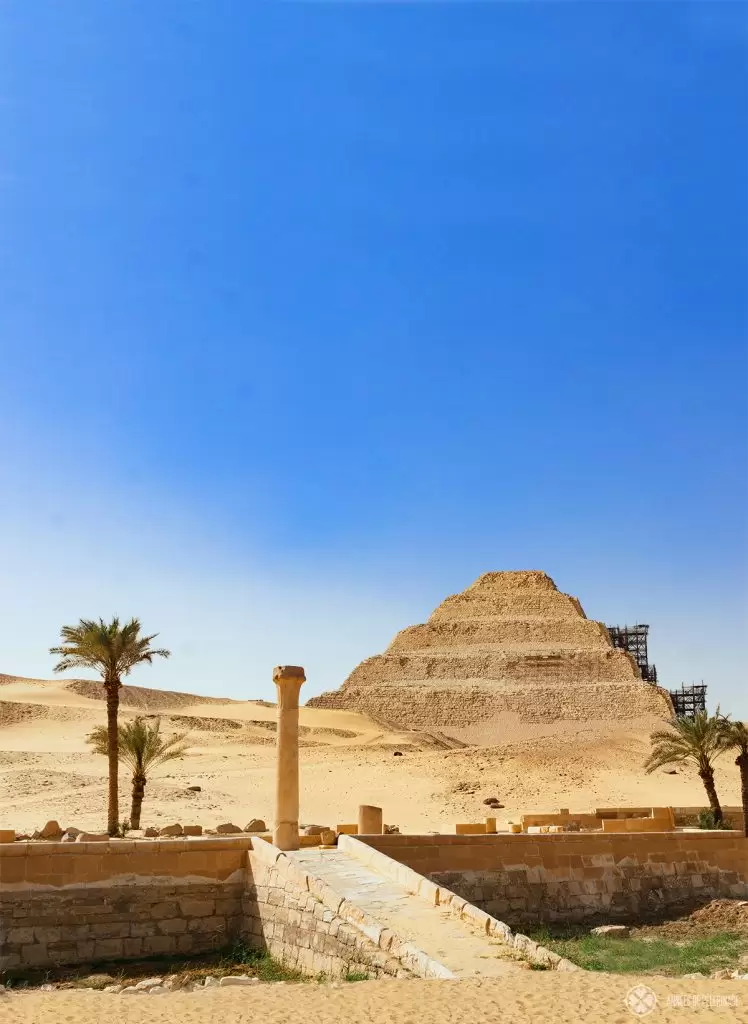
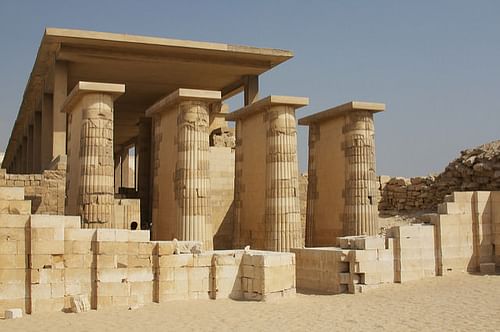
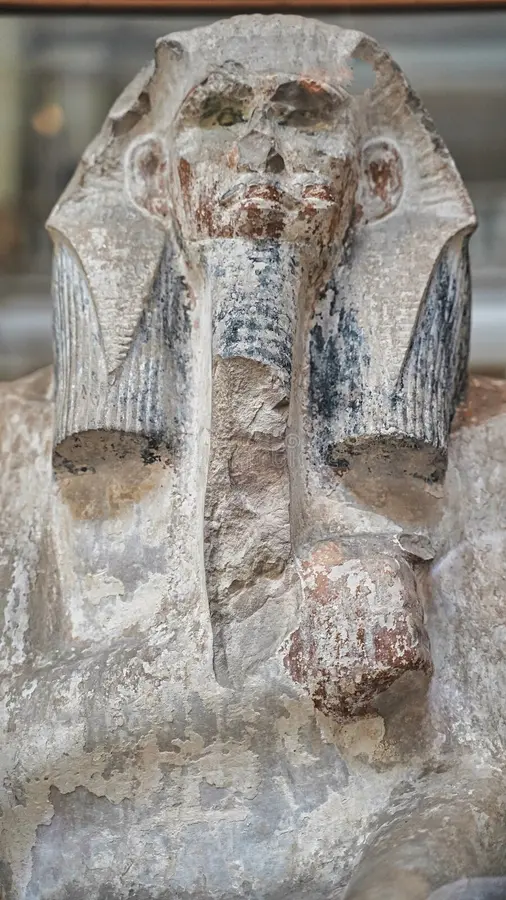
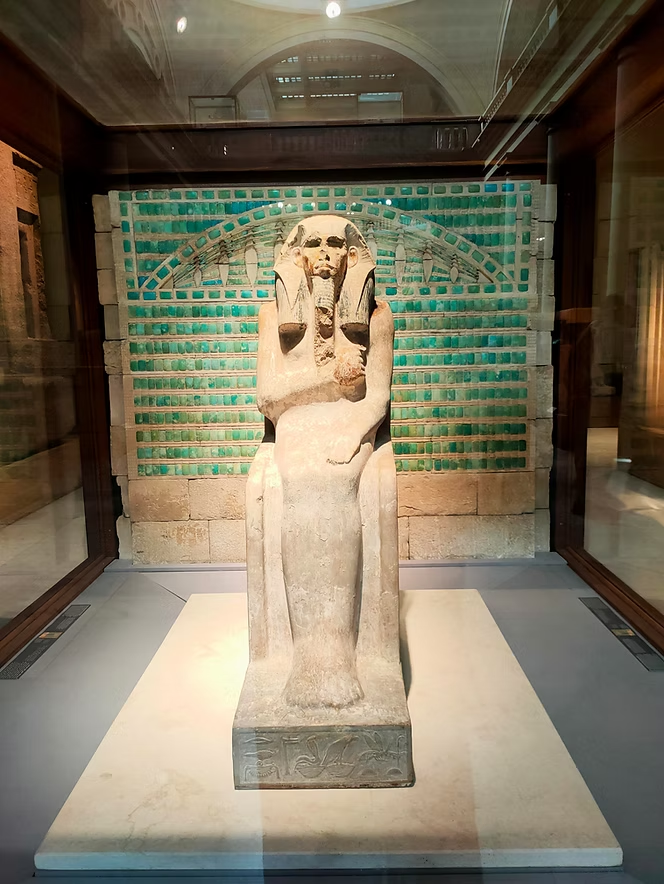
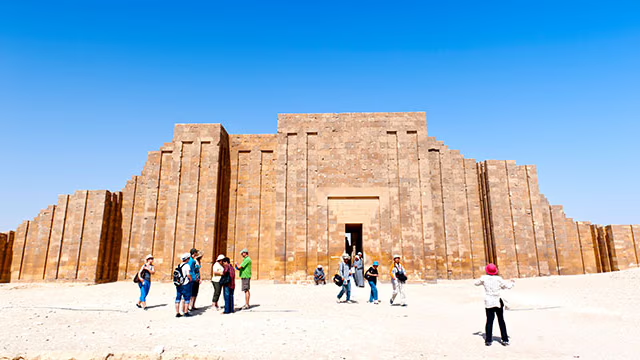
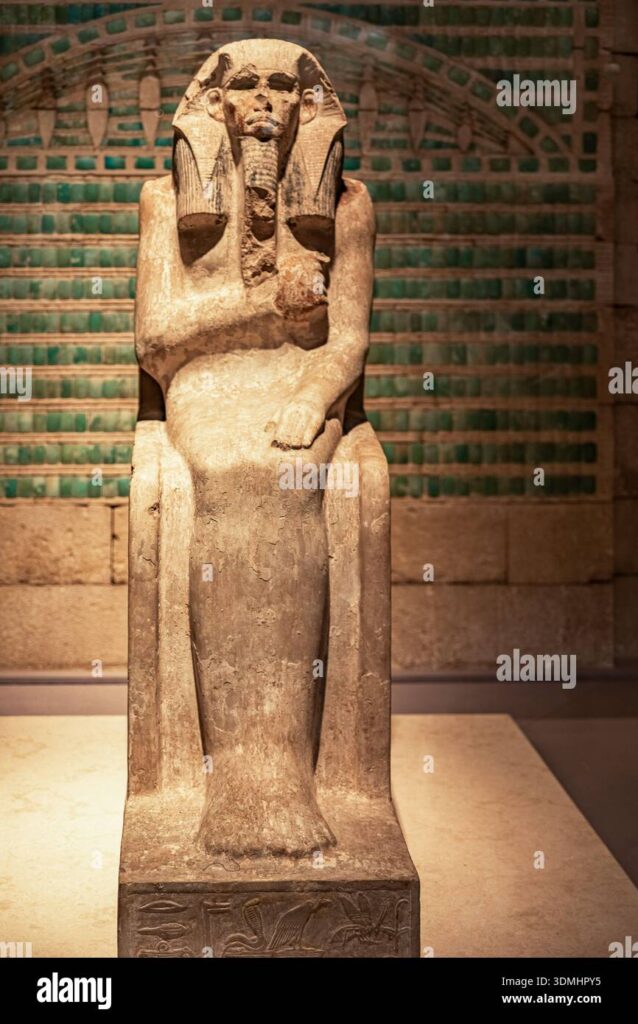
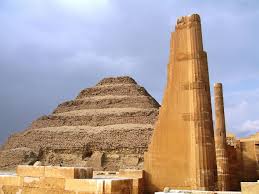
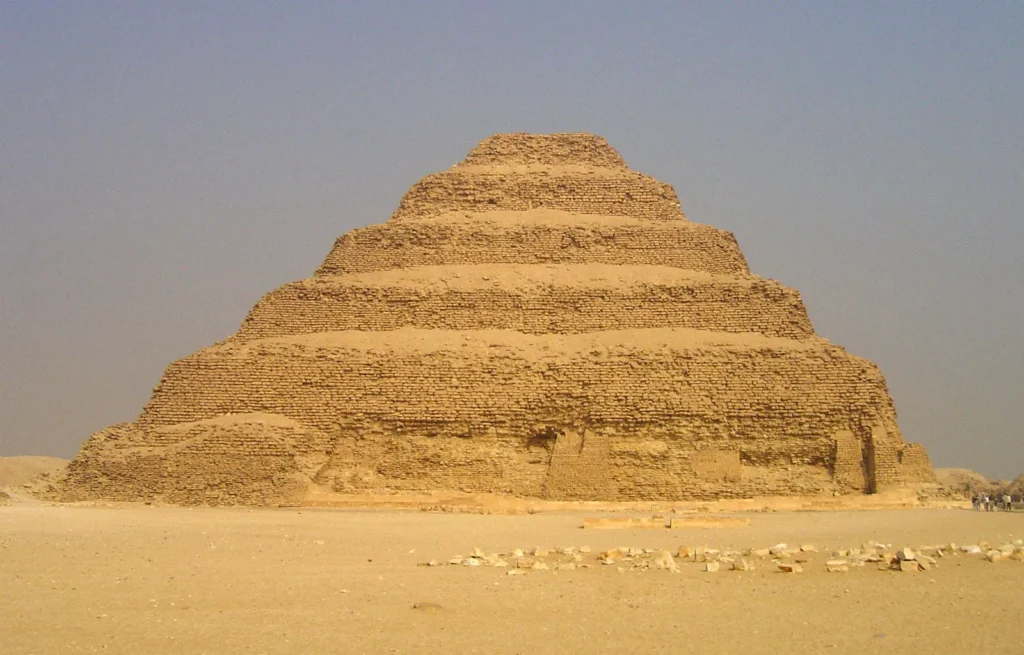
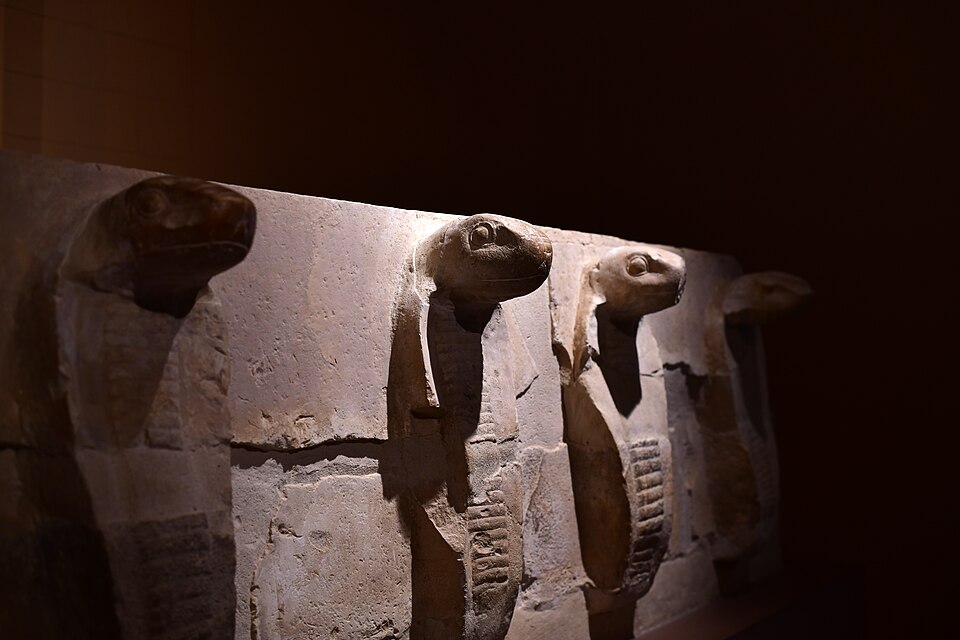
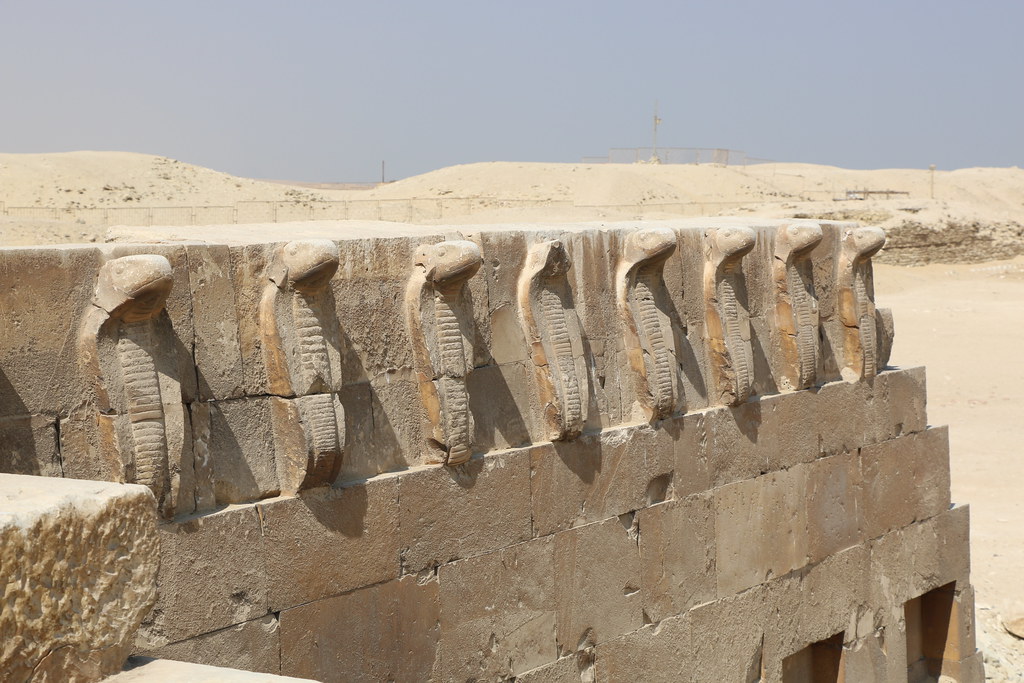
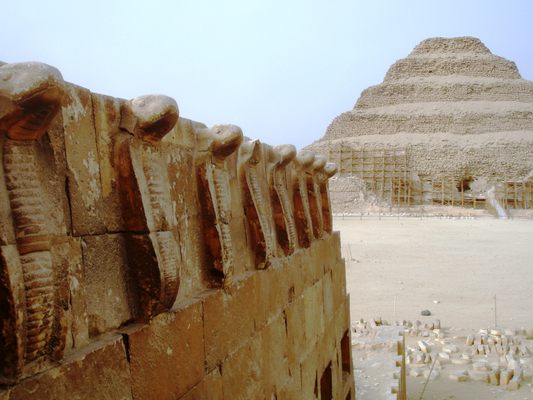
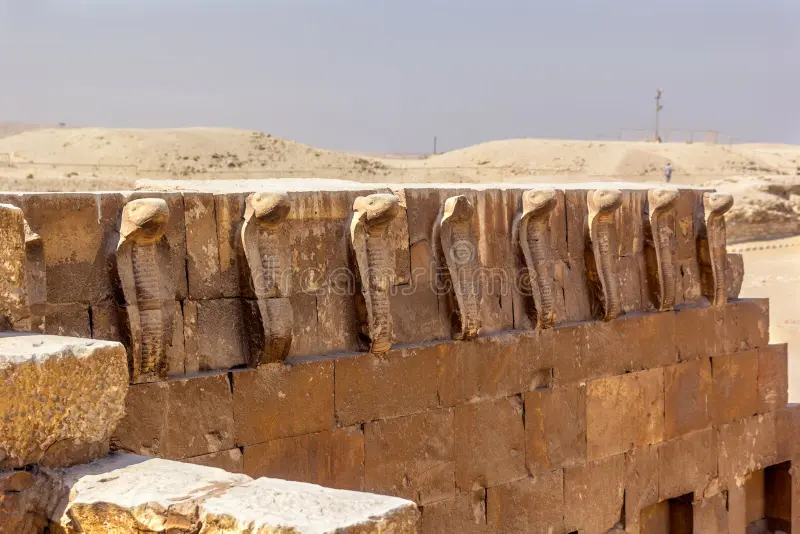
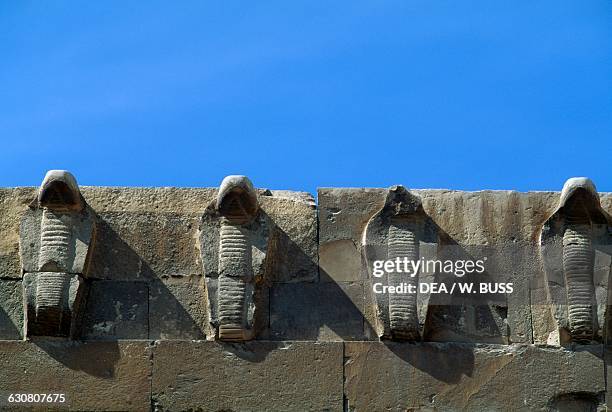
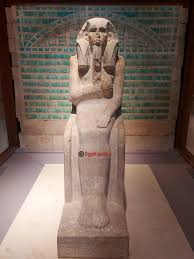
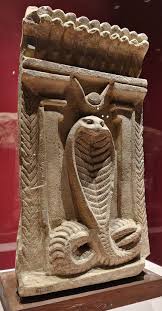
Saqqara (Egypt), Step pyramid of king Djoser, c. 2600 BC. – Court of Hebsed, reconstruction. Illustration from: Jean-Philippe Lauer, Fouilles à Sakkarah (Planche LVII) / La Pyramide à Degrés (Service des Antiquités de l’Egypte / Institut Français d’Archéologie Orientale / Le Caire 1936). Credit: Album / akg-images / Gilles MermetSakkara; The Step Pyramid of Djoser; Egyptxr:d:DAF130IlonM:13,j:8430023835693147257,t:23120411Saqqara Step Pyramid Facts – Djoser Pyramid Facts – First Pyramid in EgyptLimestone Statue of DjoserEGYPT – CIRCA 2003: The Pharaoh Djoser, painted limestone statue, from the Pyramid and Mortuary Complex of Djoser at Saqqara. Egyptian Civilisation, Old Kingdom, Dynasty III. Cairo, Egyptian Museum (Photo by DeAgostini/Getty Images)UNSPECIFIED – FEBRUARY 14: Pharaoh Djoser, painted limestone statue, from the mortuary complex of Djoser in Saqqara. Egyptian civilisation, Old Kingdom, Dynasty III. Detail. Cairo, Egyptian Museum (Photo by DeAgostini/Getty Images)EGYPT – FEBRUARY 14: Pads cobra shape, Funerary Complex of Djoser with the step pyramid in the background, Saqqara, Memphis (UNESCO World Heritage List, 1979). Egyptian civilisation, Old Kingdom, Dynasty III. Detail. (Photo by DeAgostini/Getty Images)
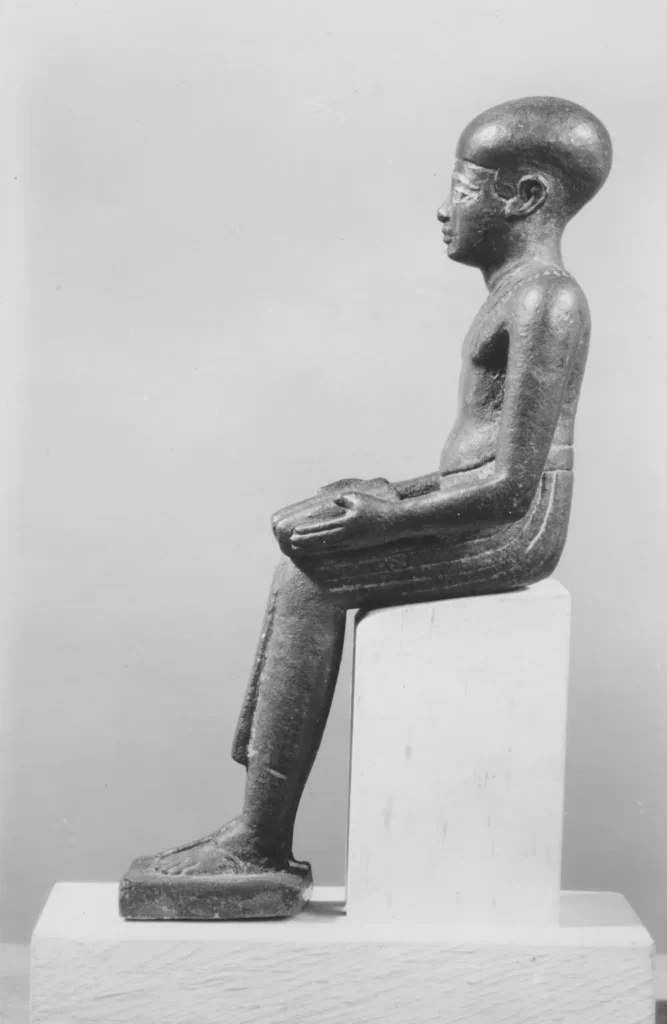
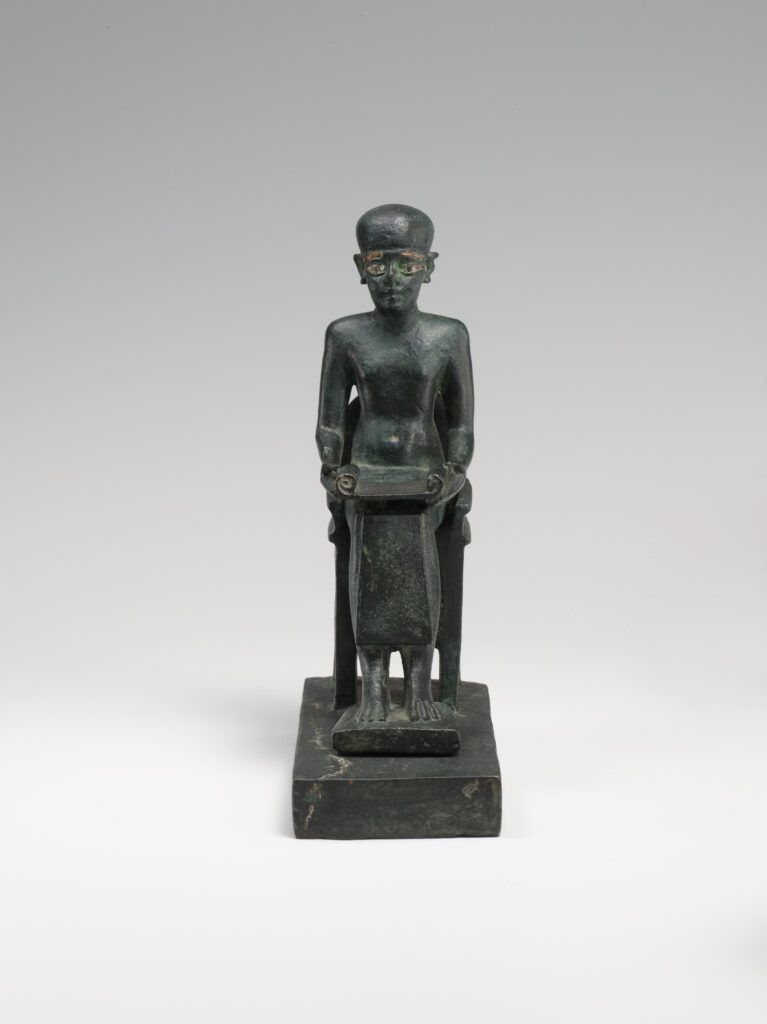
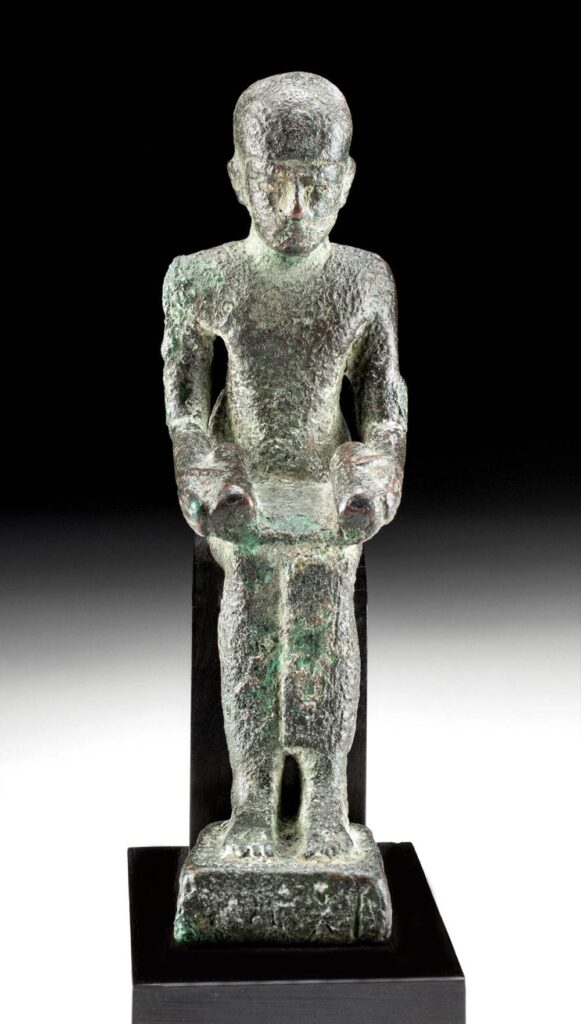
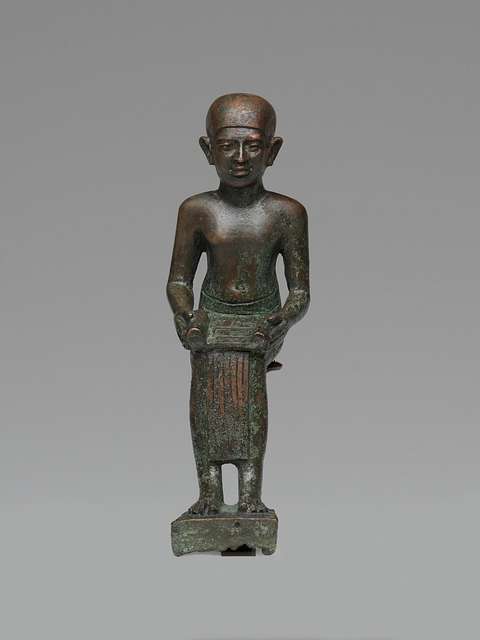
Version 1.0.0Egyptian master
circa middle 7 th century B.C.
bronze, with inlays of precious metals
h.: 17,6 cmEgyptian master
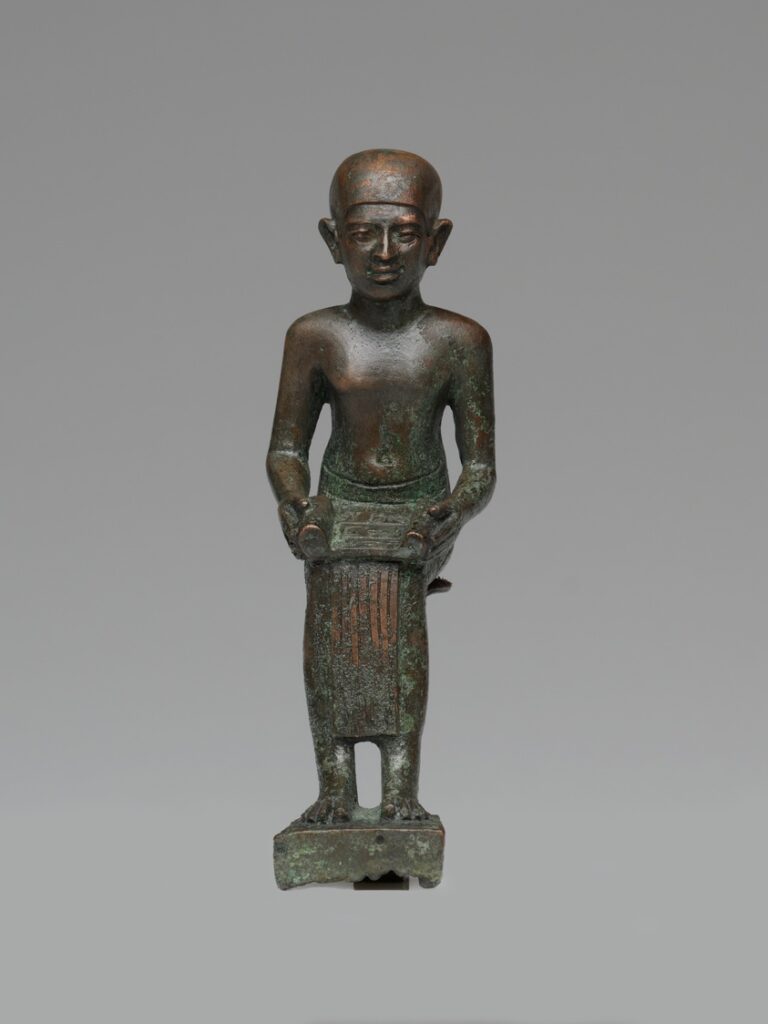
circa middle 7 th century B.C.
bronze, with inlays of precious metals
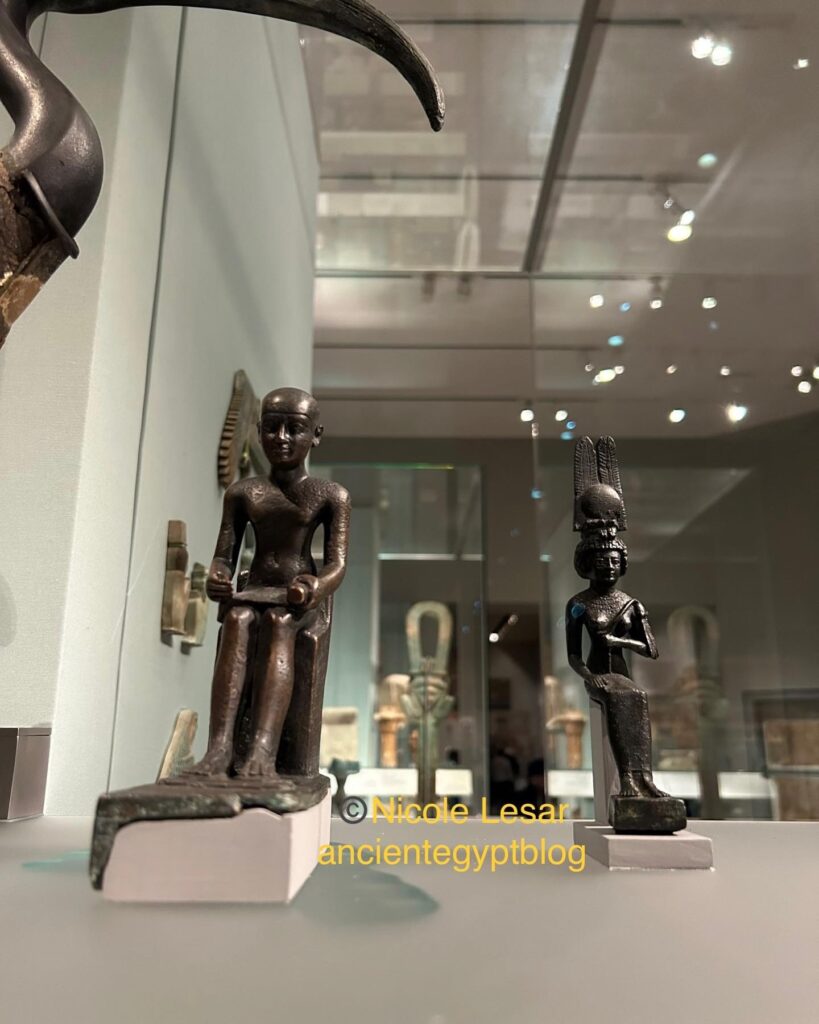
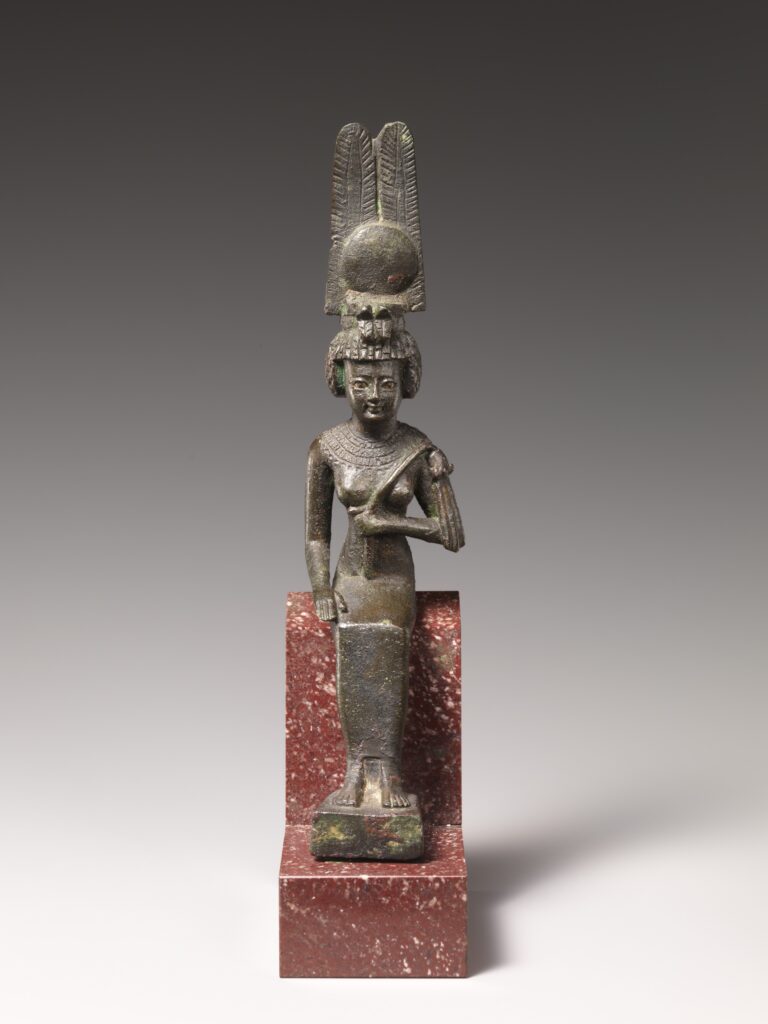
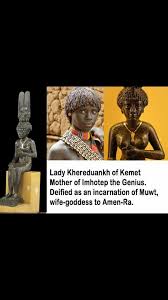
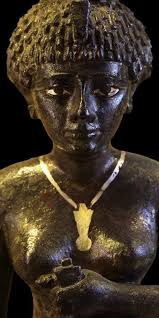
h.: 17,6 cmKhereduankh, the mother of Imhotep. Dimensions: H. 16 × W. 3.7 × D. 5.6 cm (5 5/16 × 1 7/16 × 2 3/16 in.)
H. (with tang): 16.5 cm (6 1/2 in.). Dynasty: Dynasty 27-30. Date: 332-30 B.C..
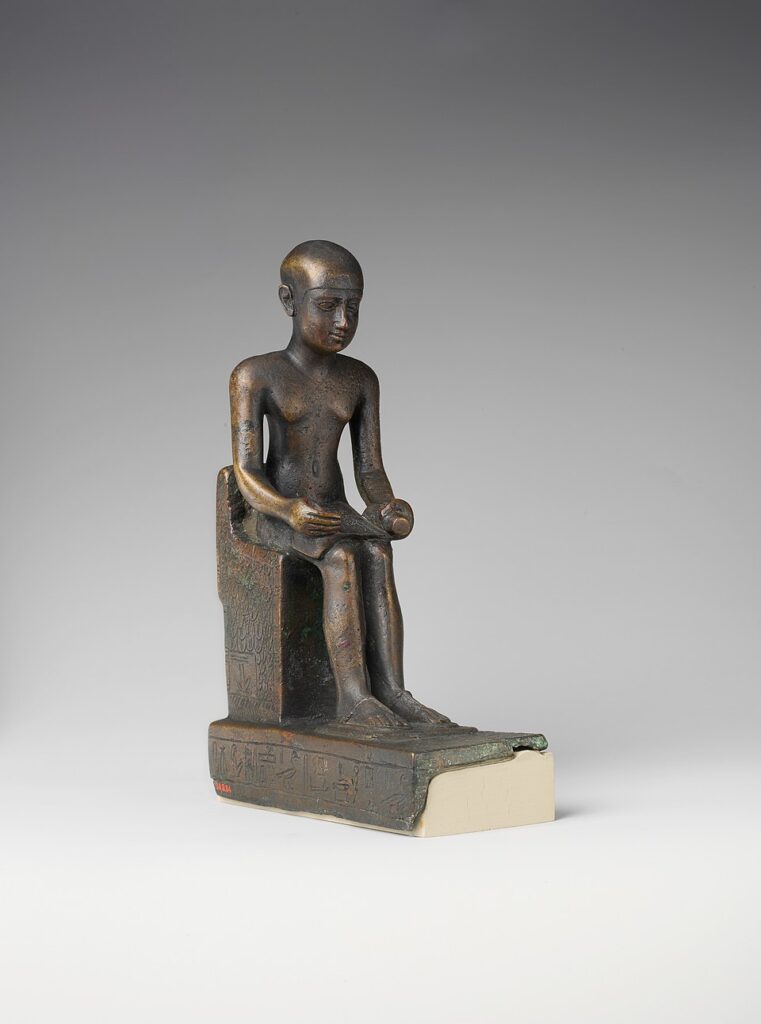
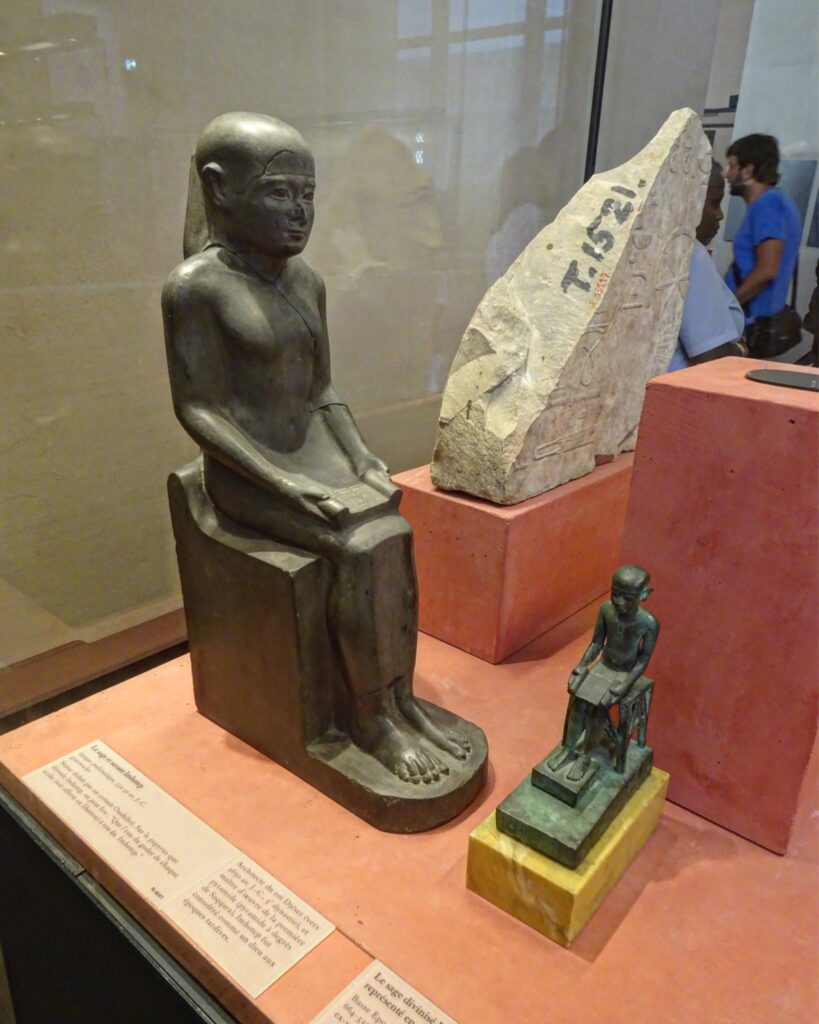
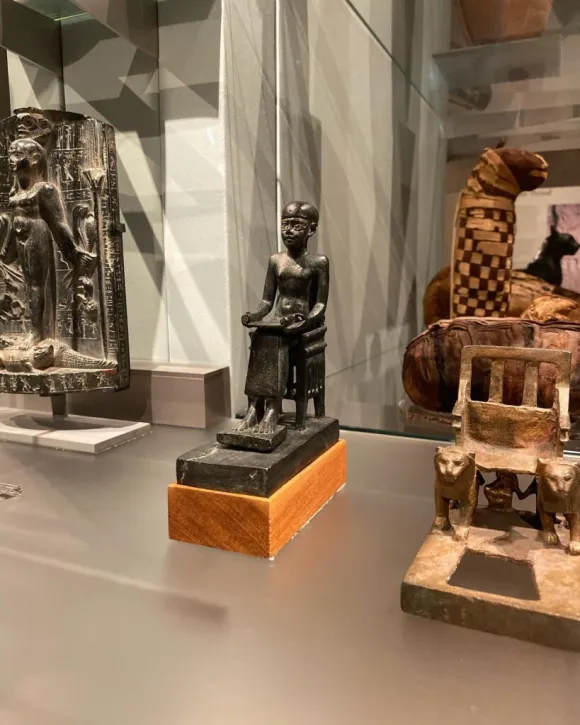
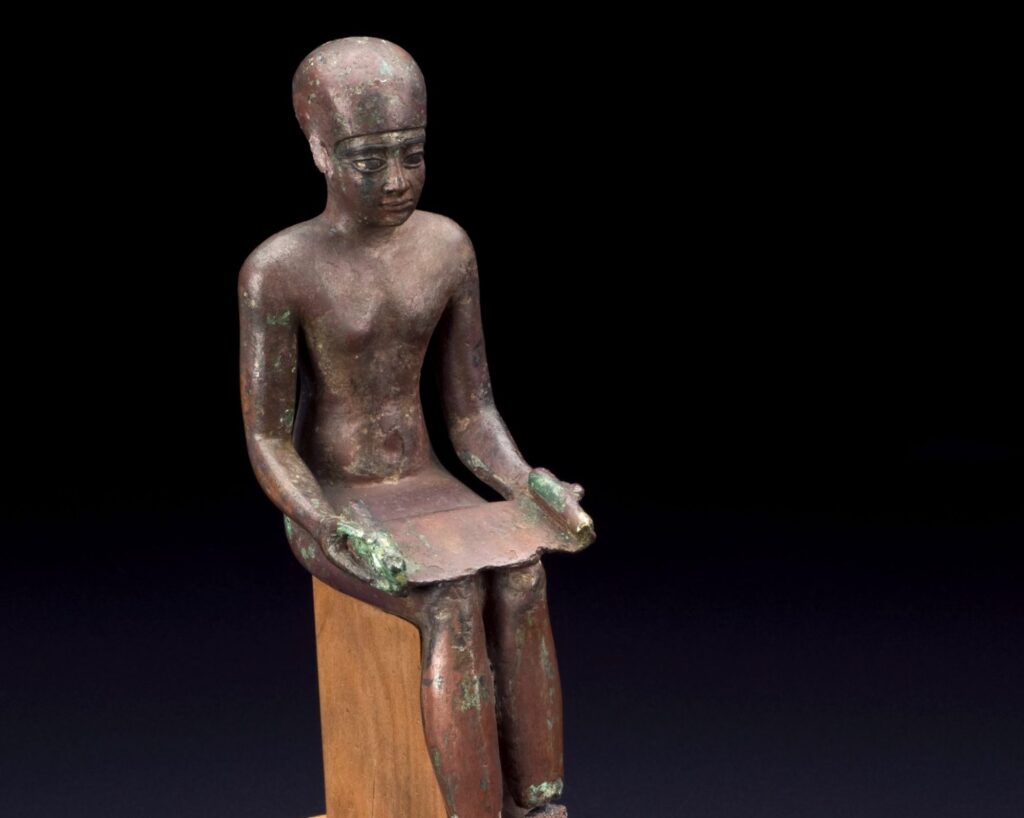
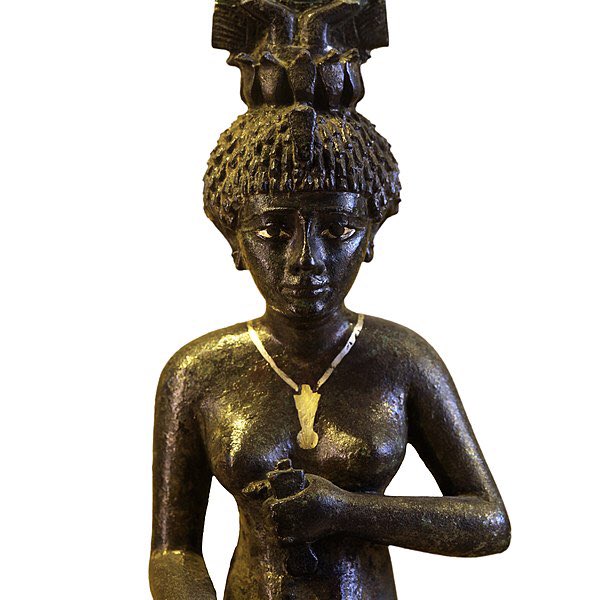
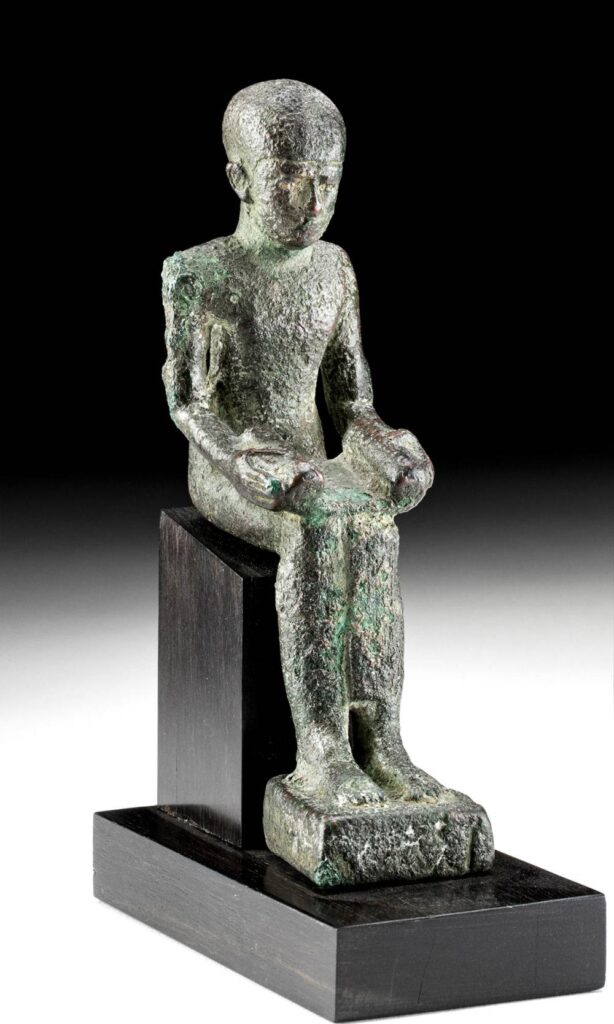
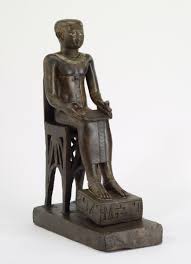
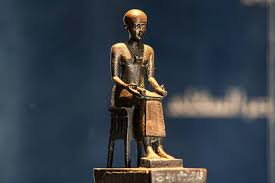
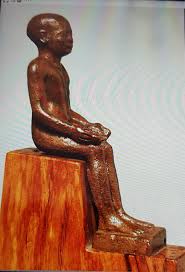
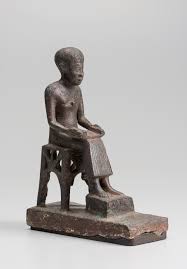
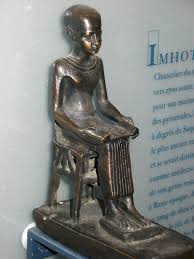
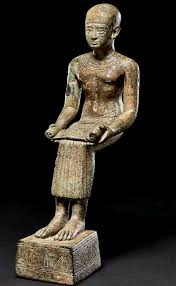
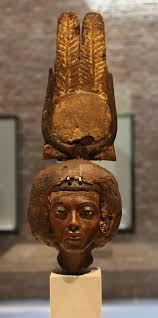
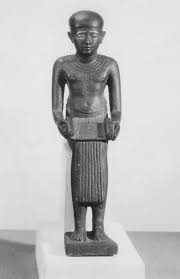
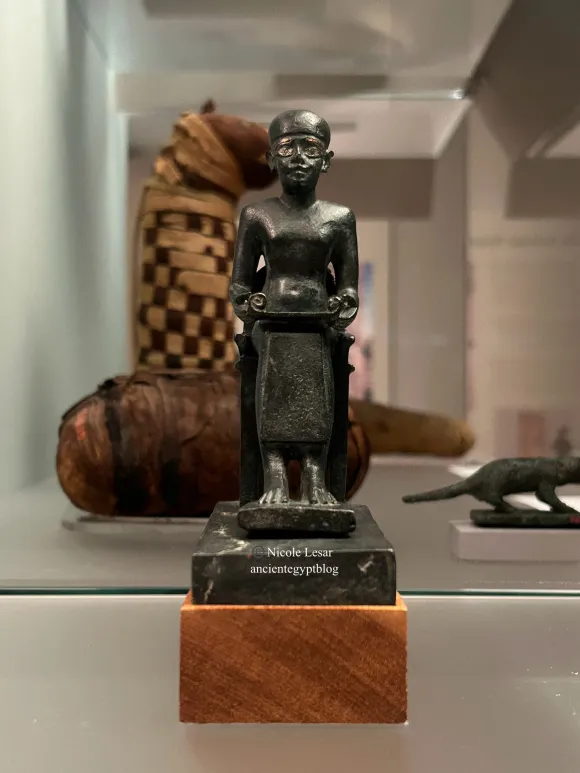
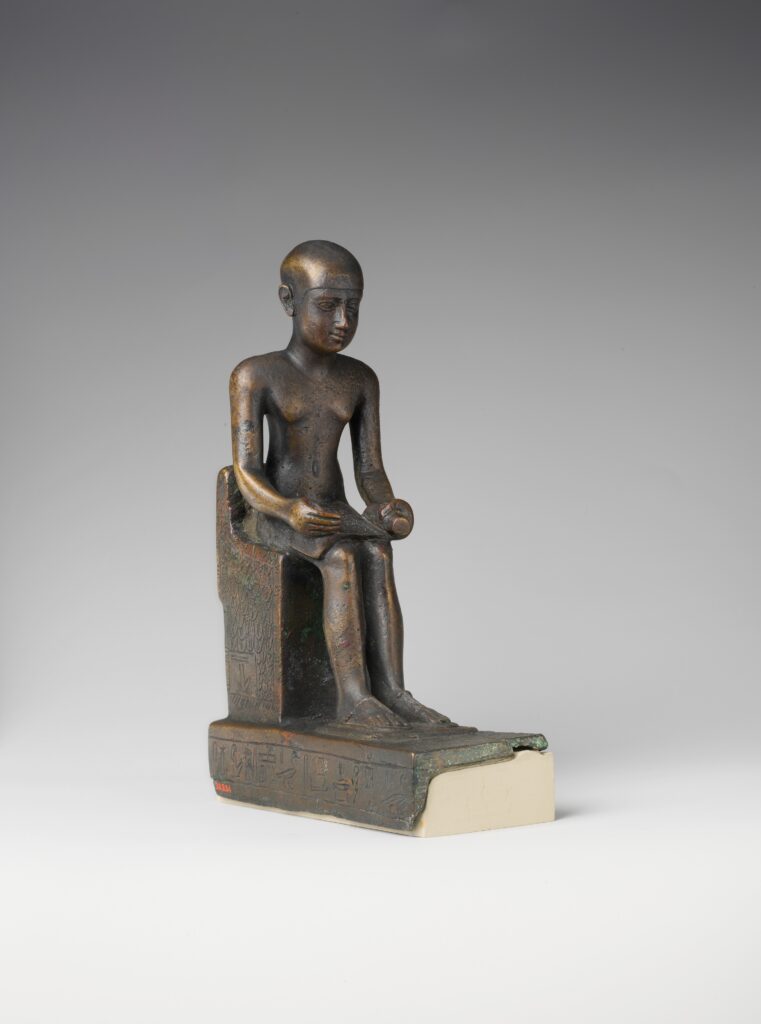
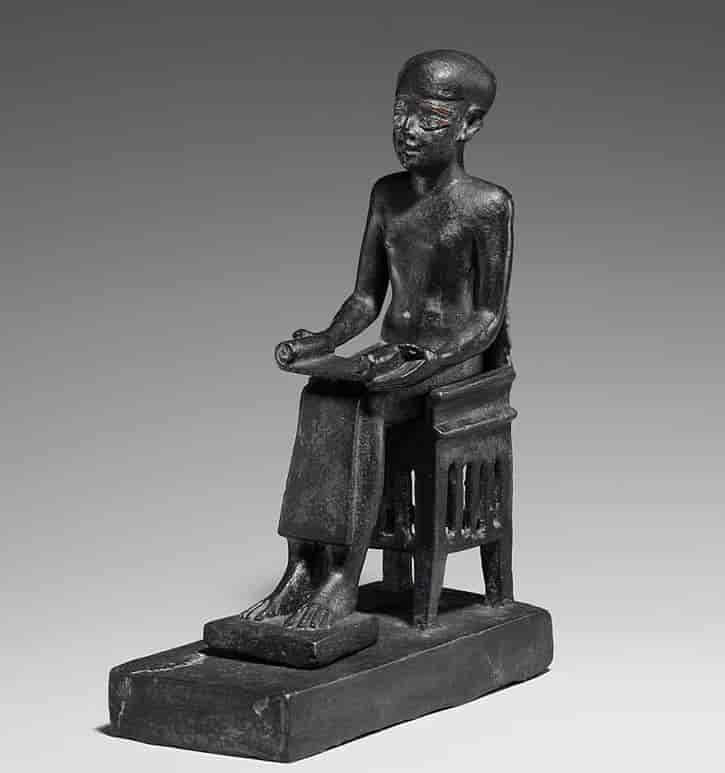
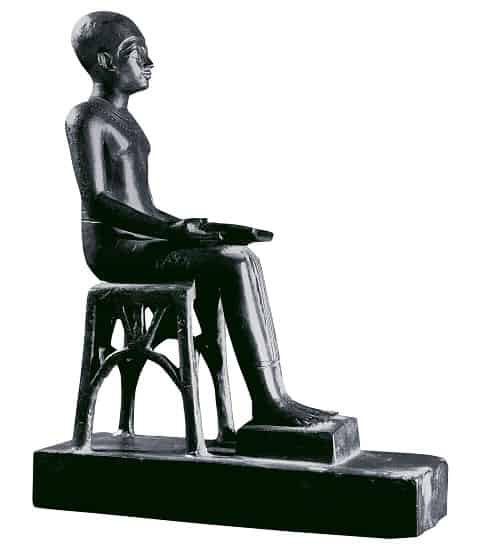
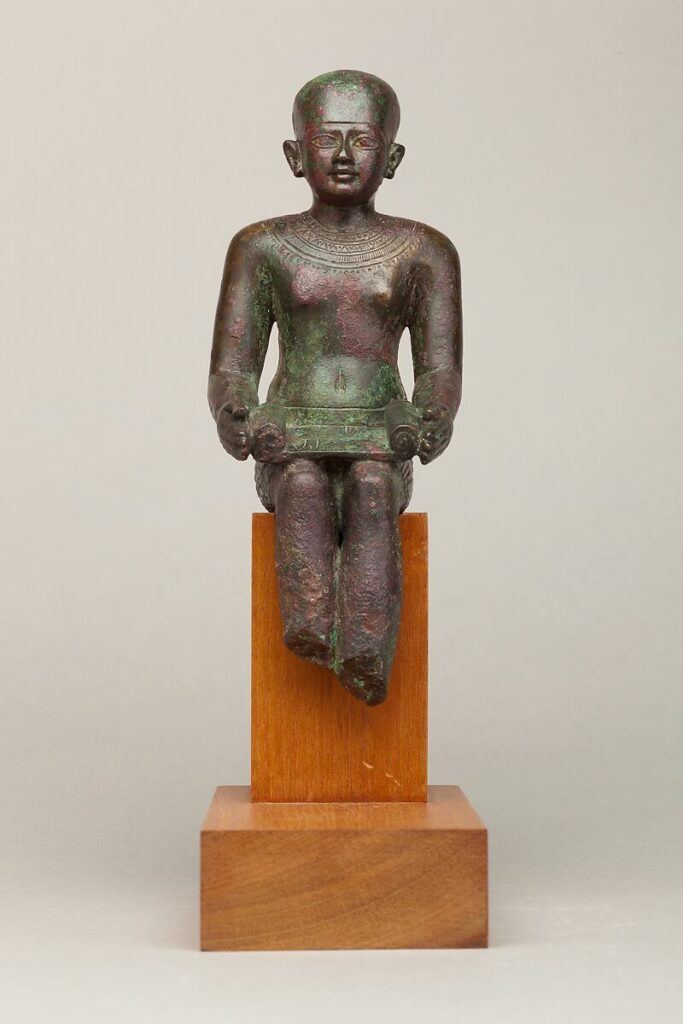
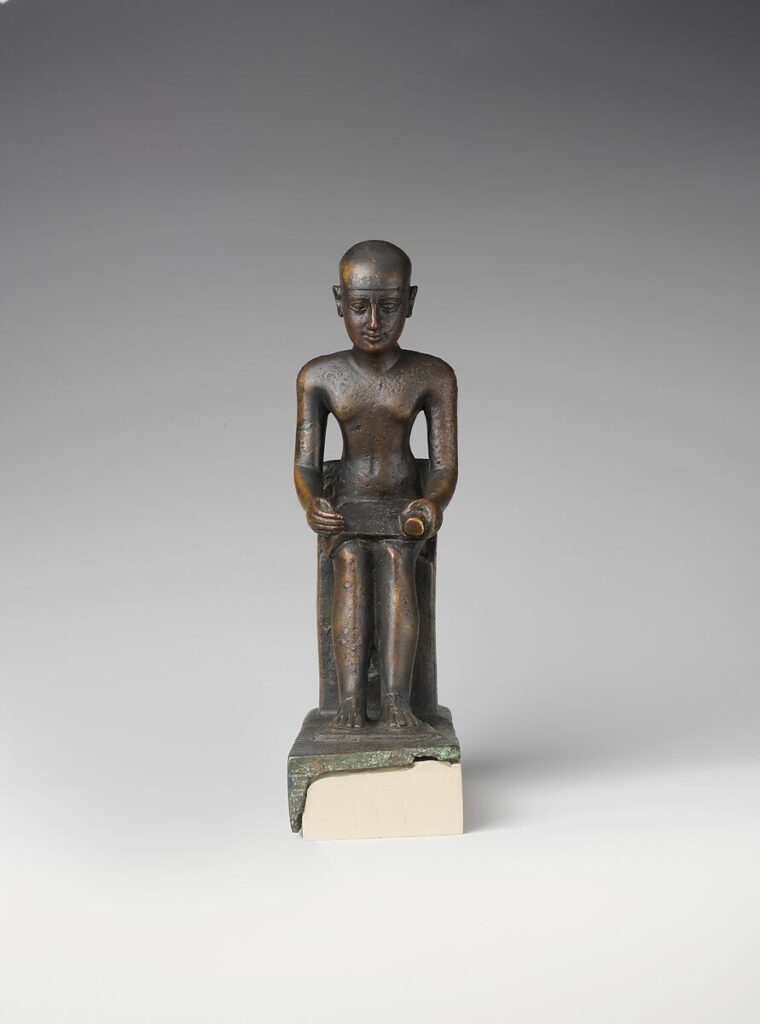
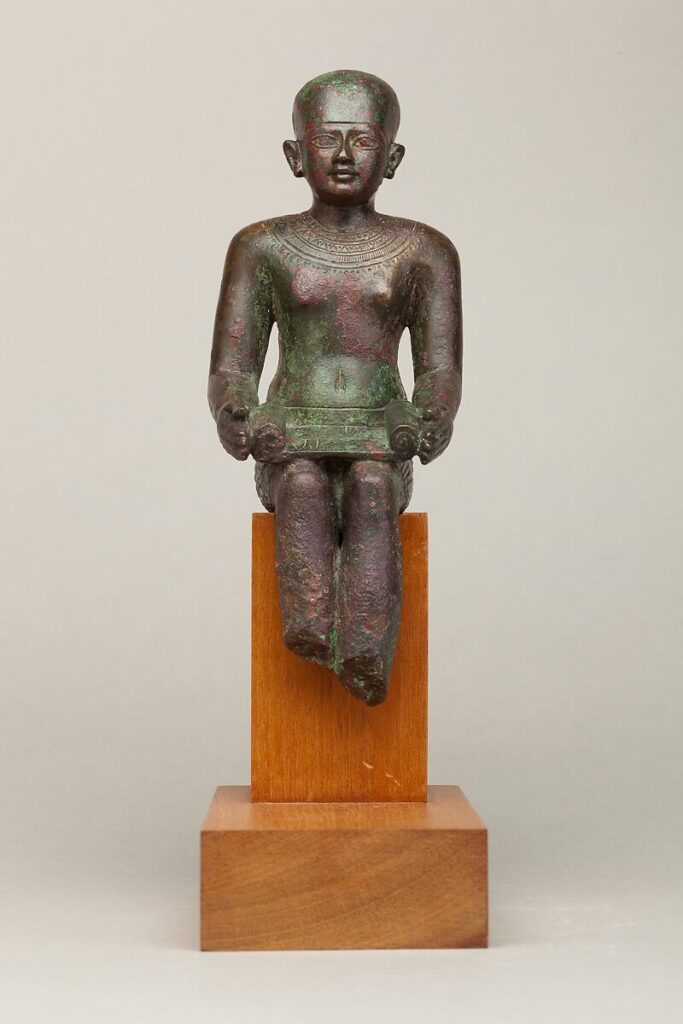
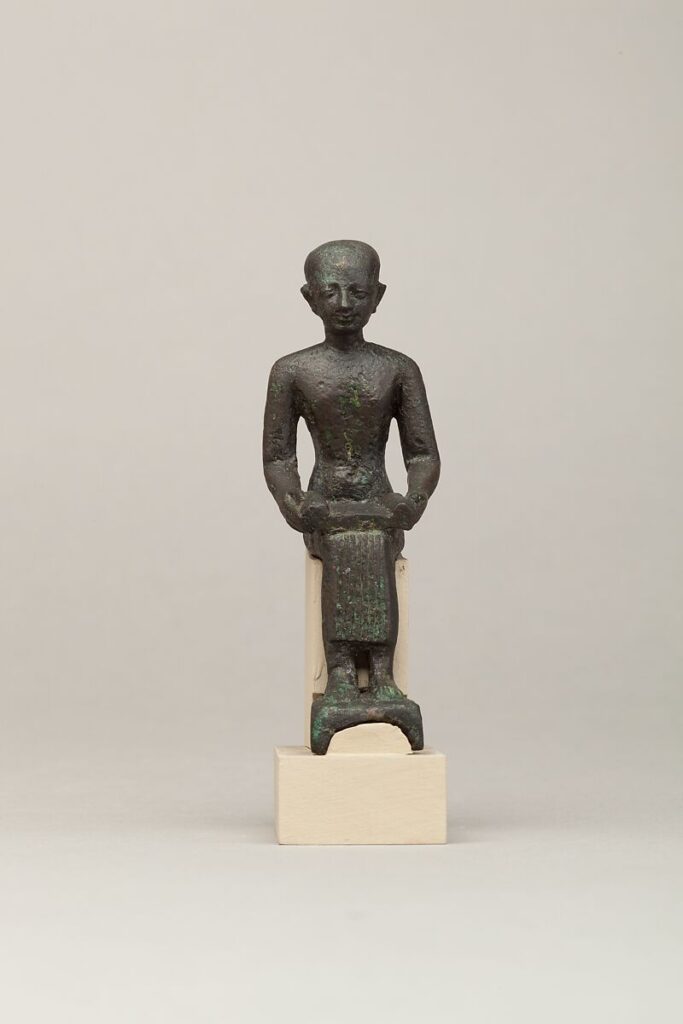
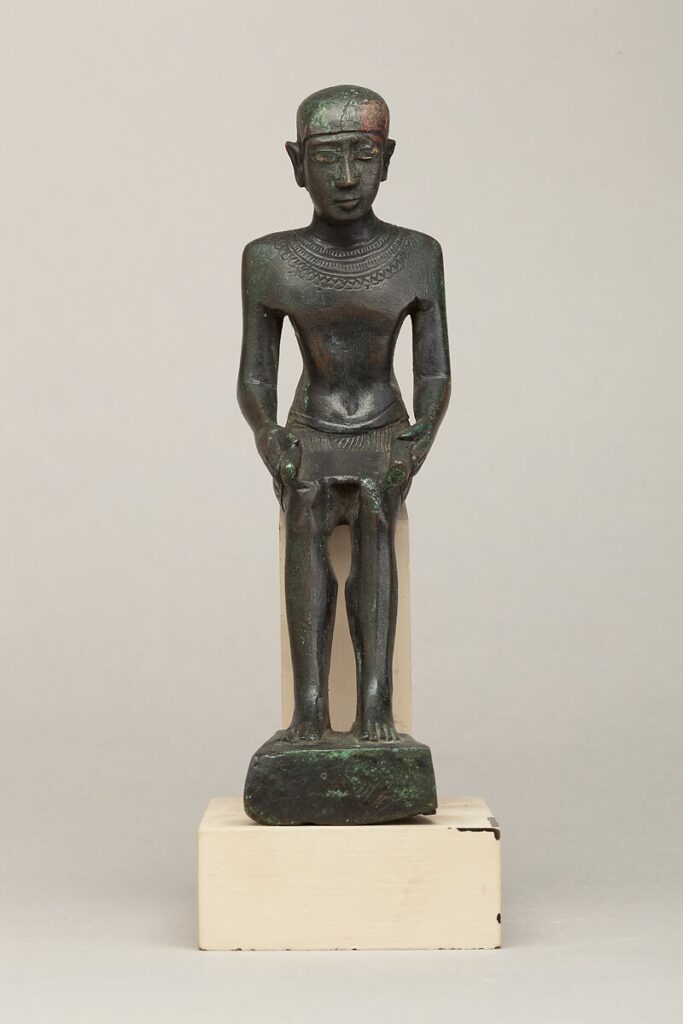
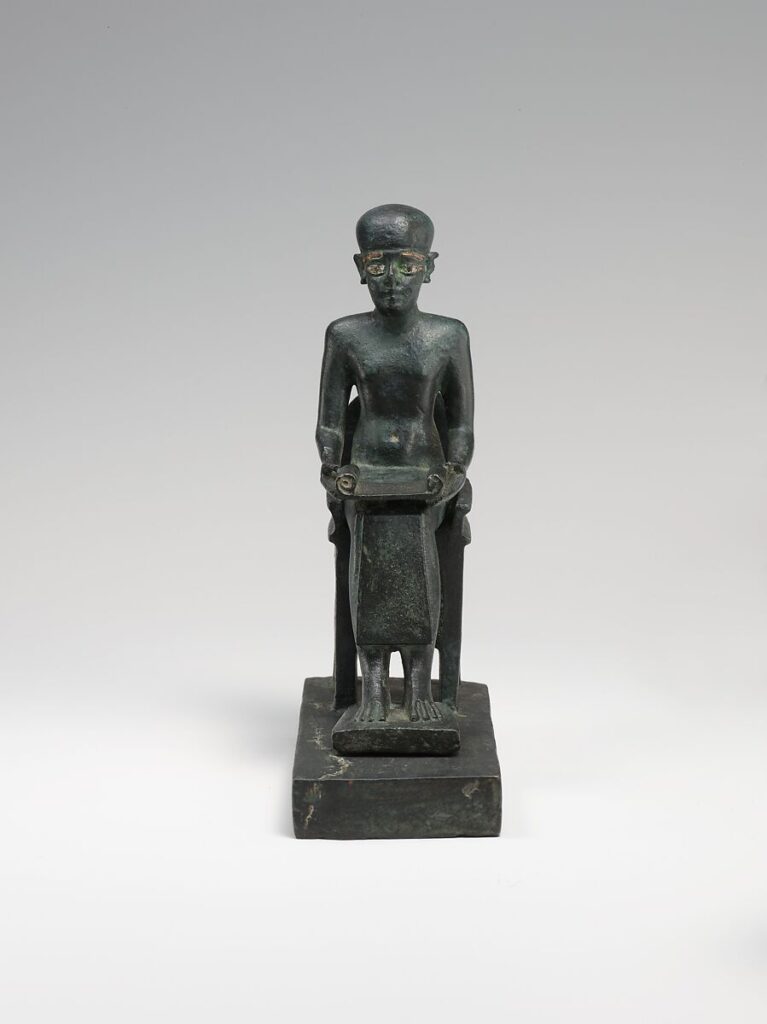
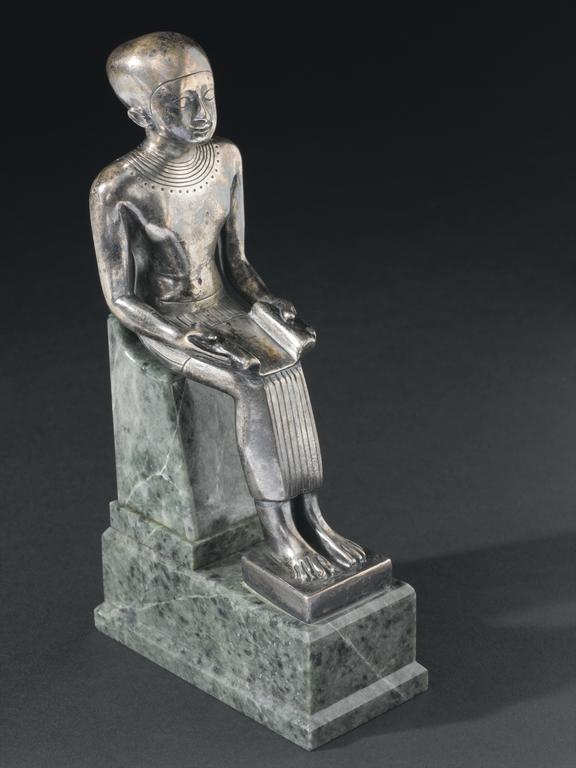
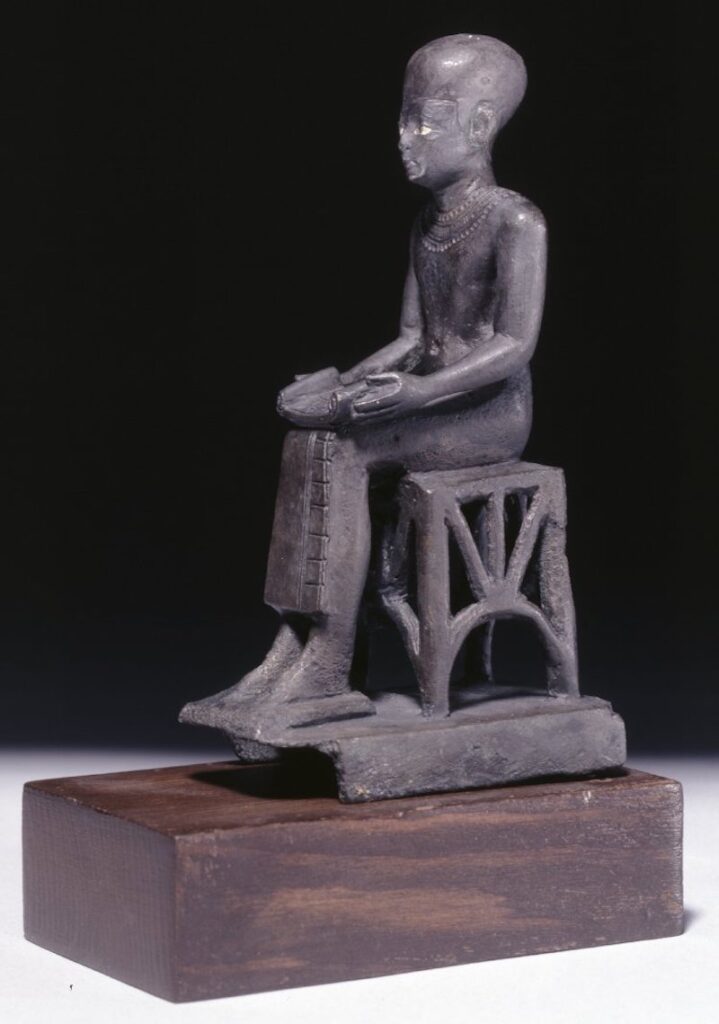
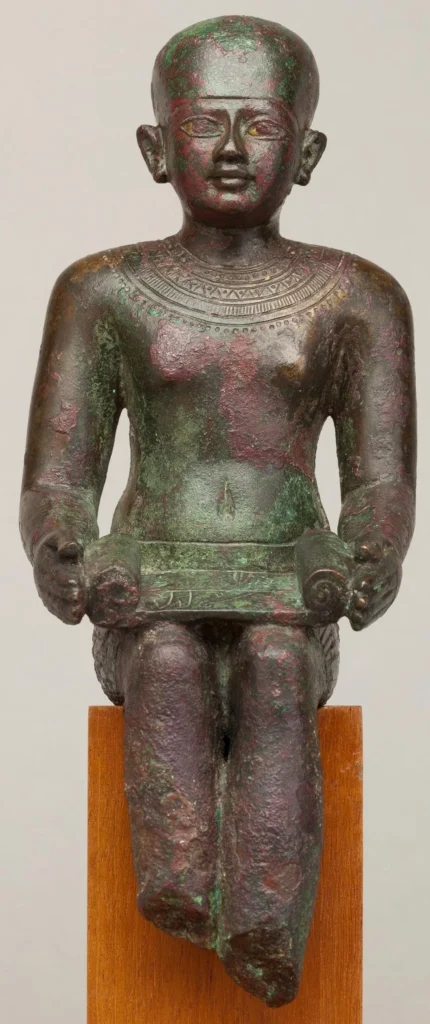
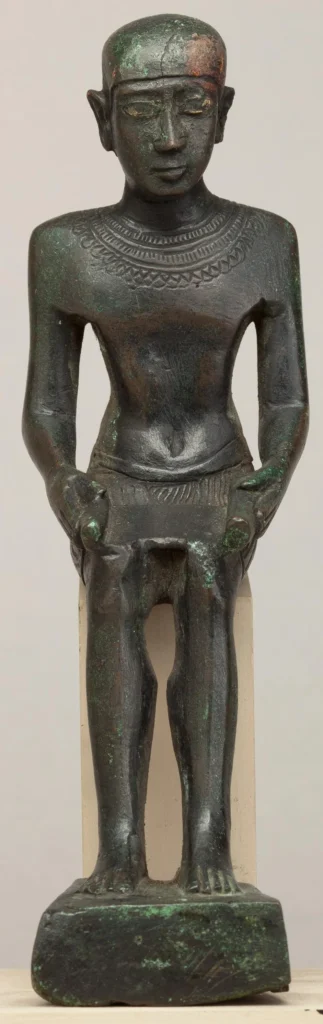
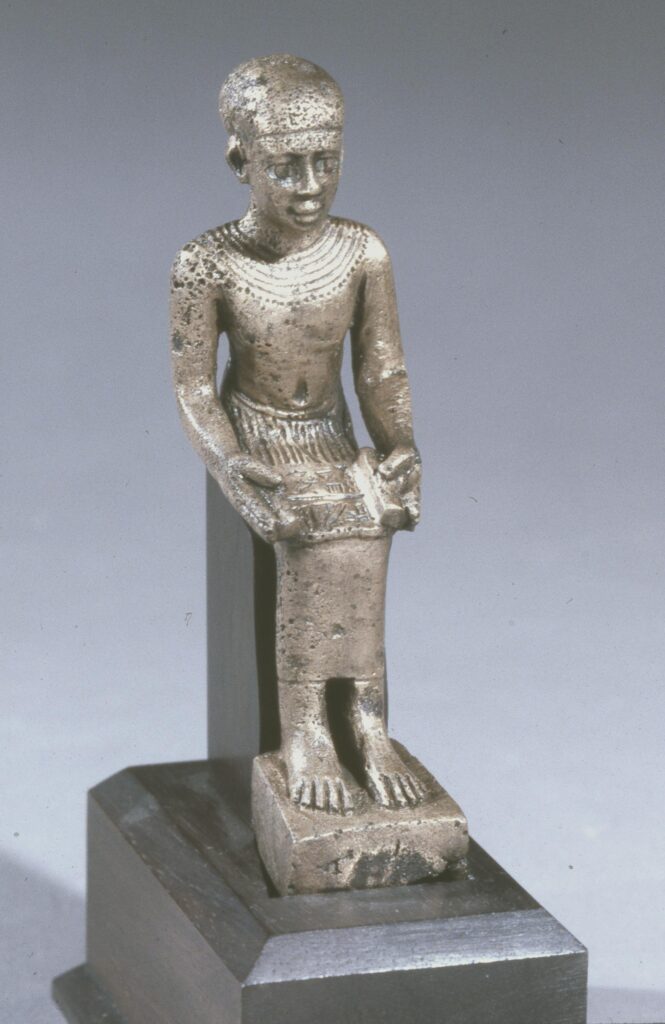
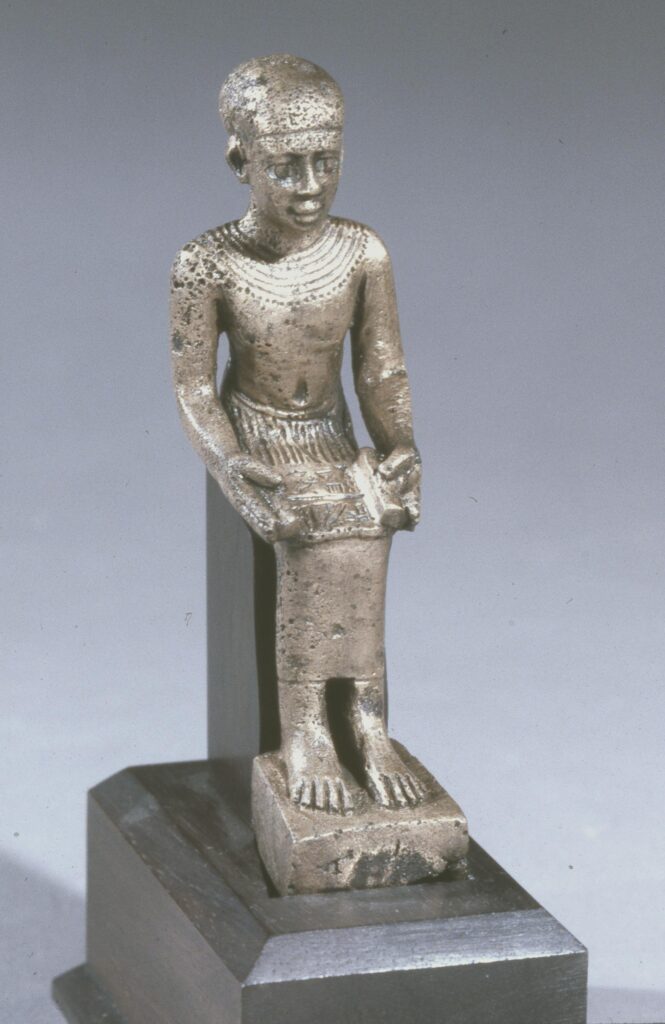
Khereduankh, the mother of Imhotep in late beliefs, received divine status like her son. Typically she wears on her short rounded hairstyle the feather crown and double uraei of an Egyptian queen-like goddess, and carries a queen’s flywhisk scepter. Credit: AlbumBronze statue of Imhotep, on modern wooden plinth, Egyptian, 600-30BC. Graduated black background.Bronze statue of Imhotep, on modern wooden plinth, Egyptian, 600-30BC. Graduated black background.Electrum metal seated figurine of Imhotep, Egyptian, 600 – 501 BC. Front three quarter view. Black background.
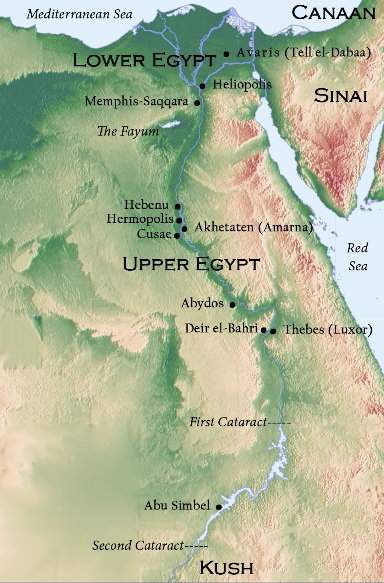
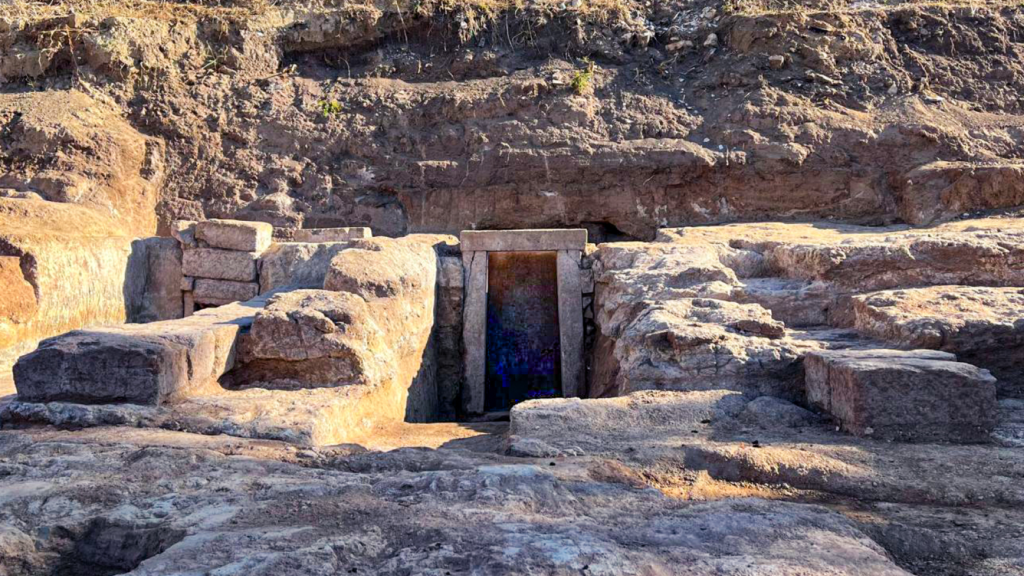
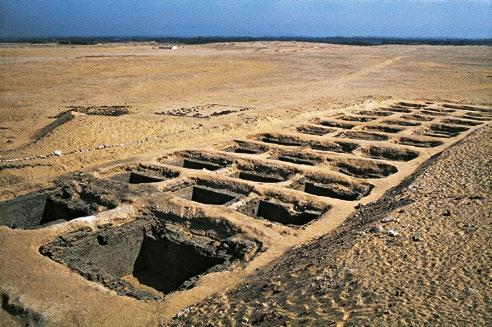
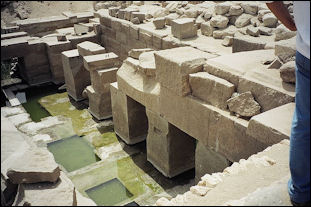
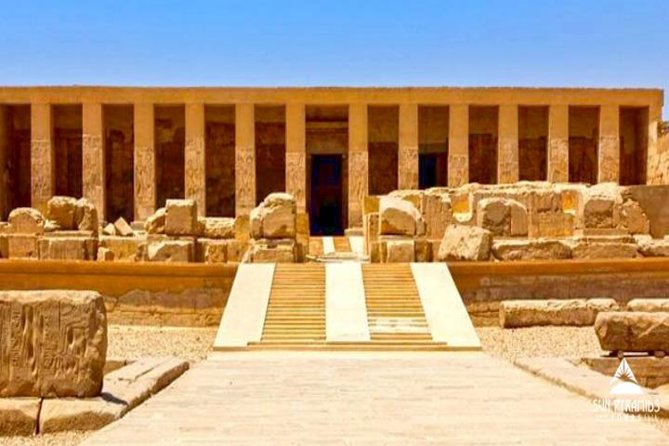
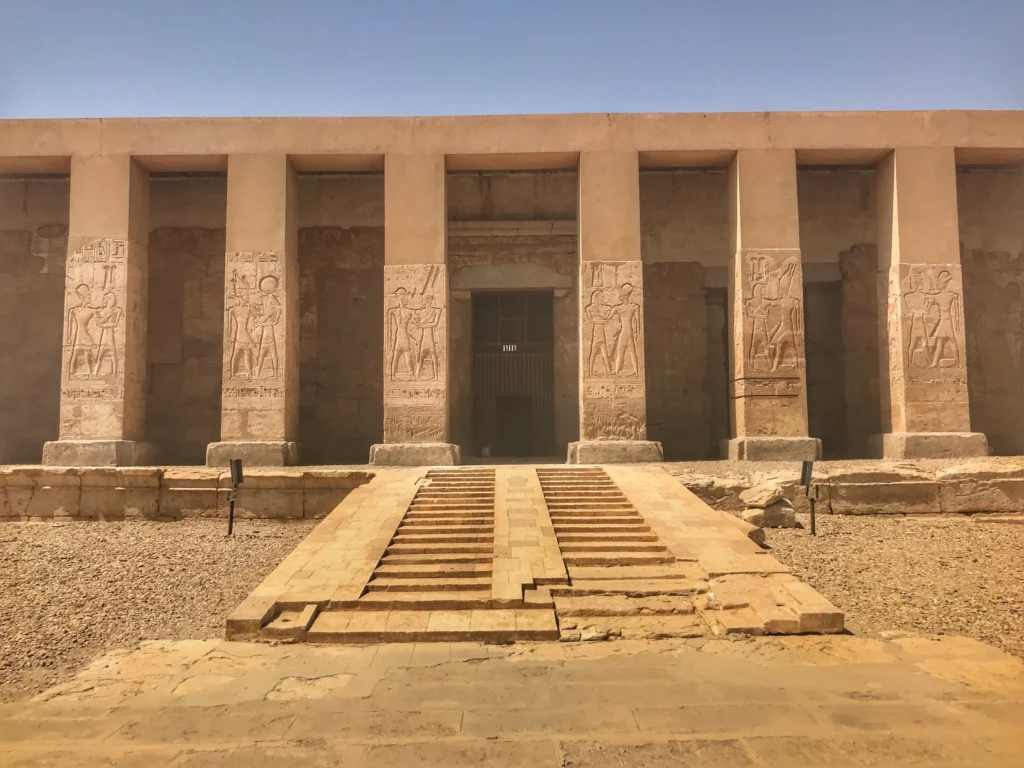
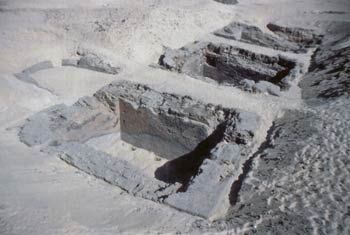
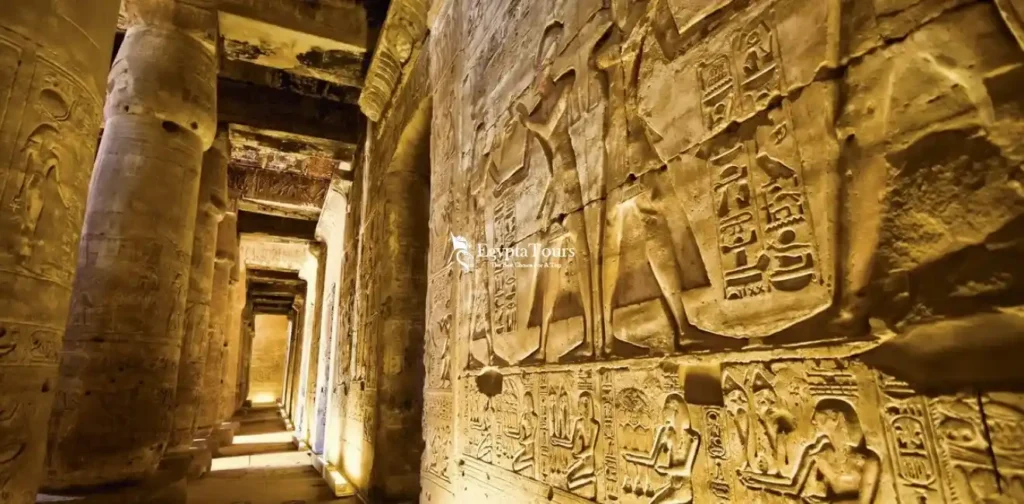
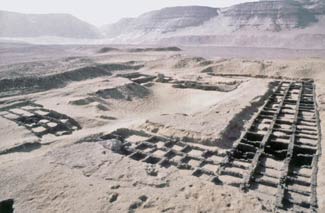
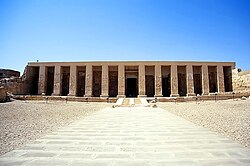
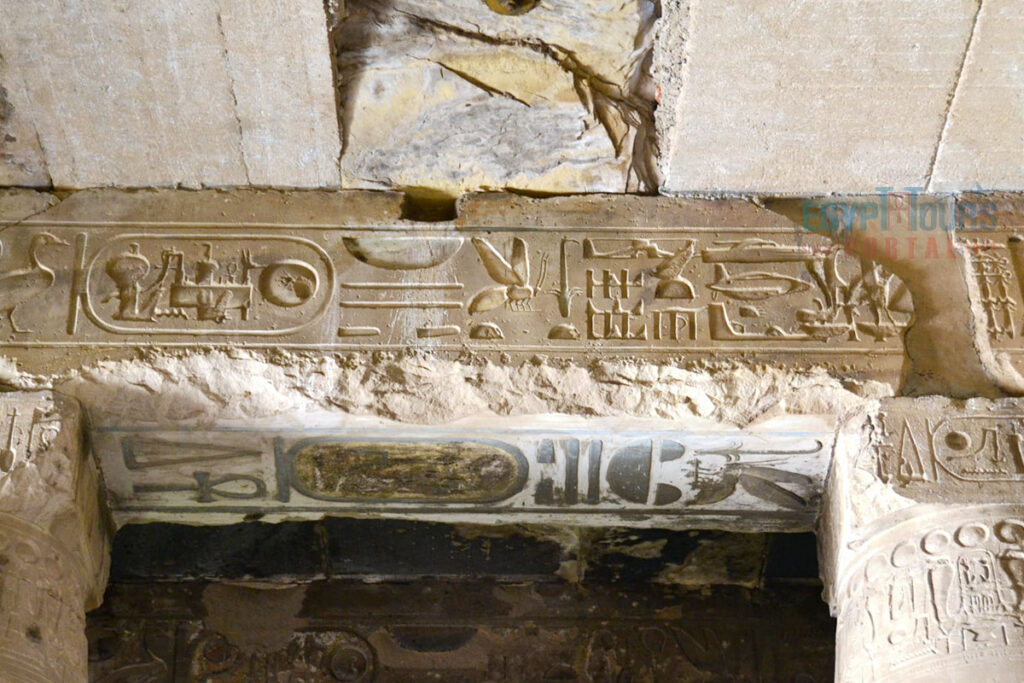
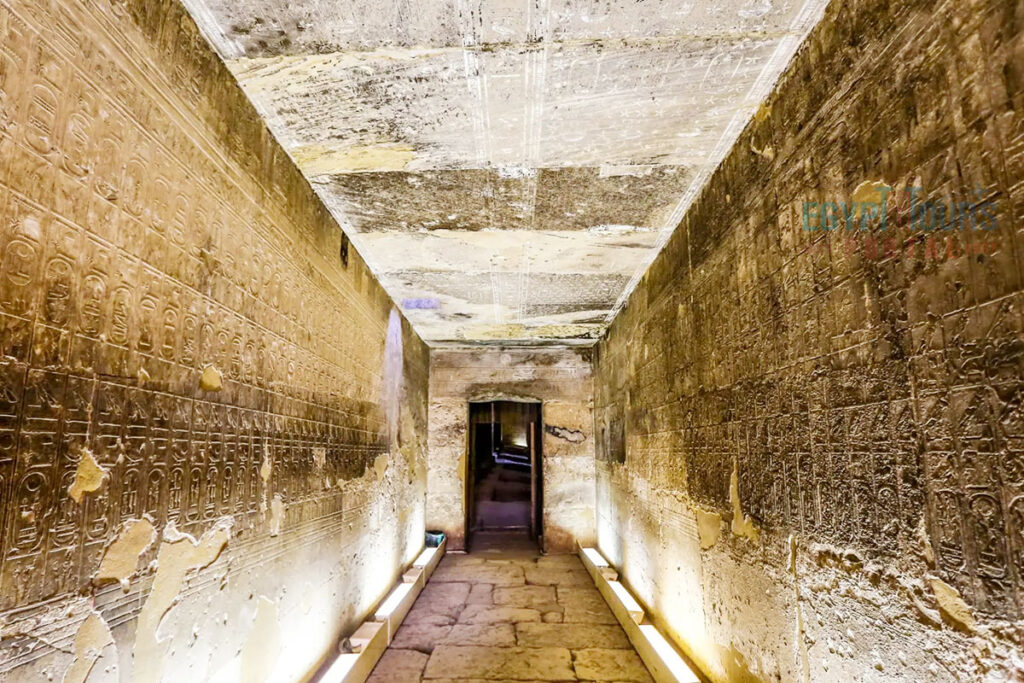
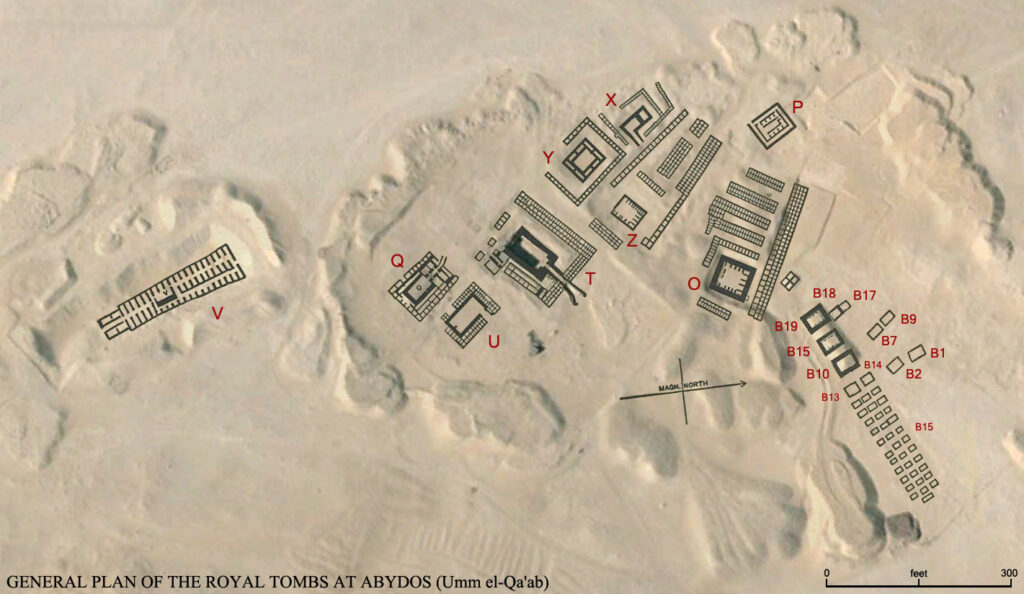
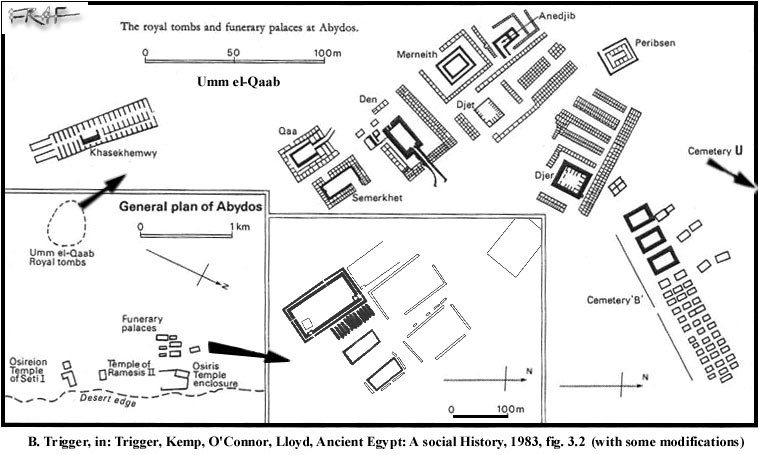
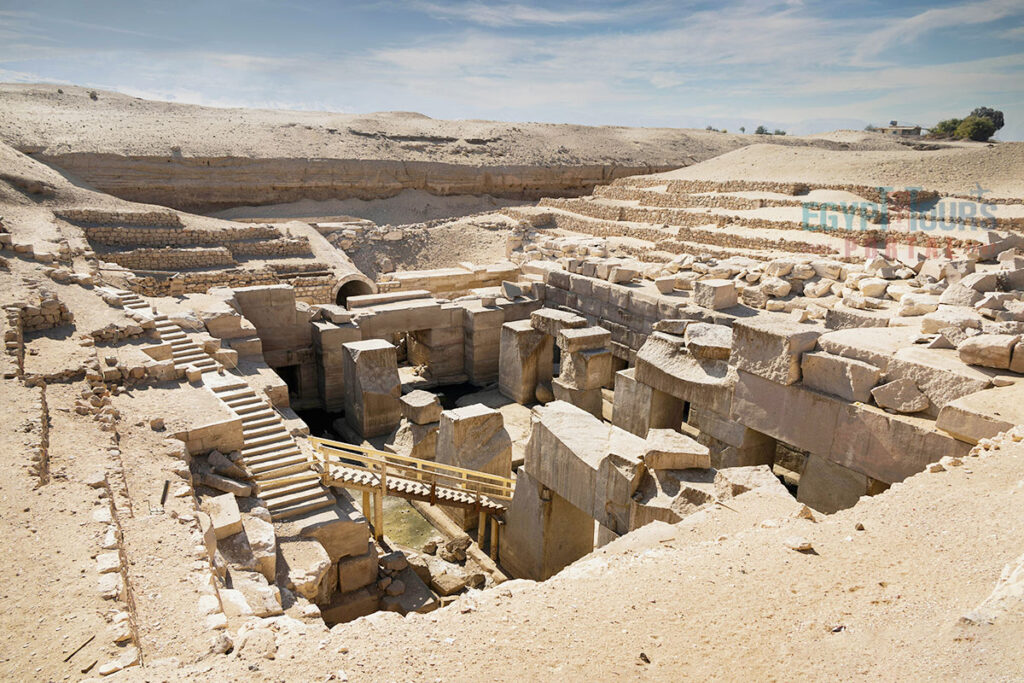
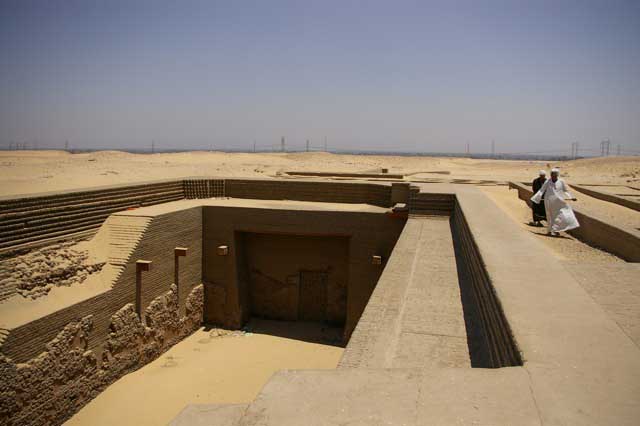
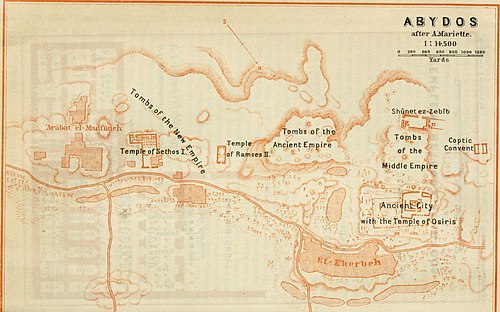
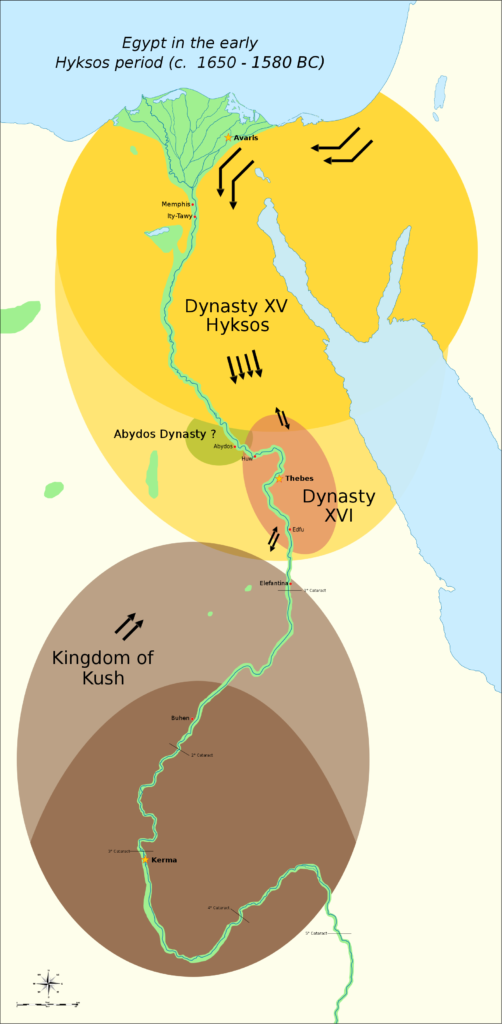
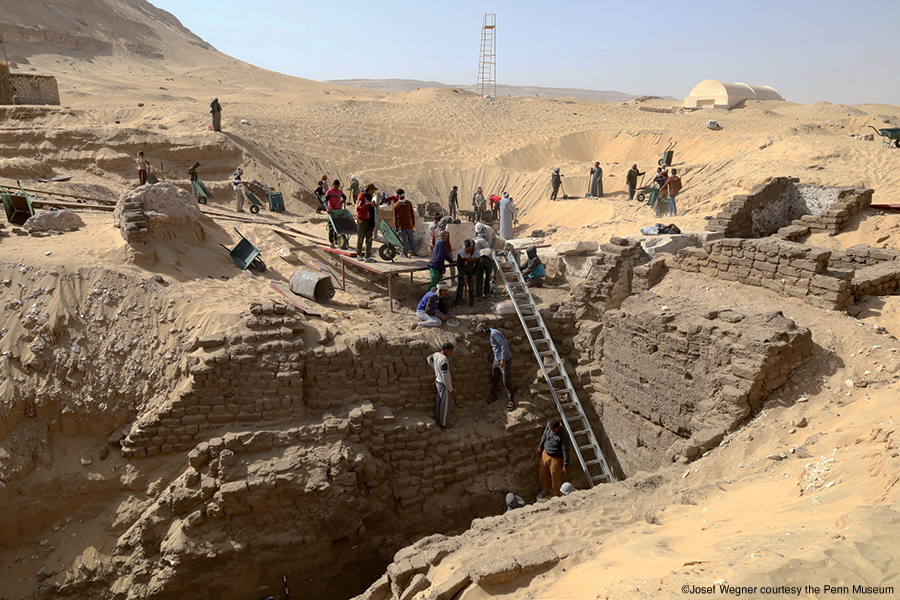
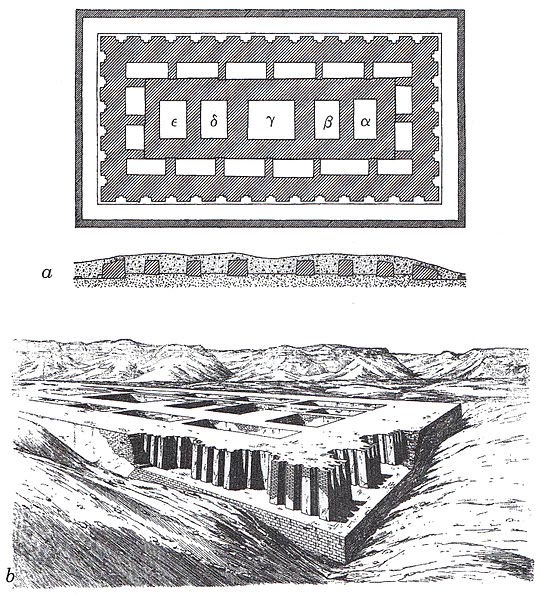
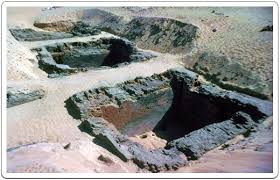
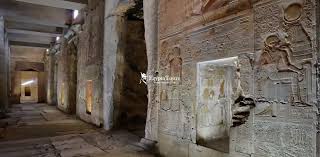
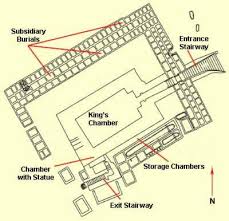
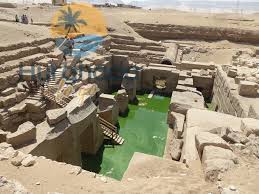
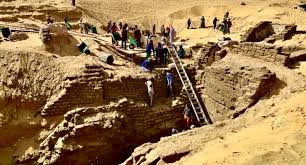
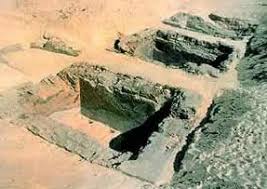
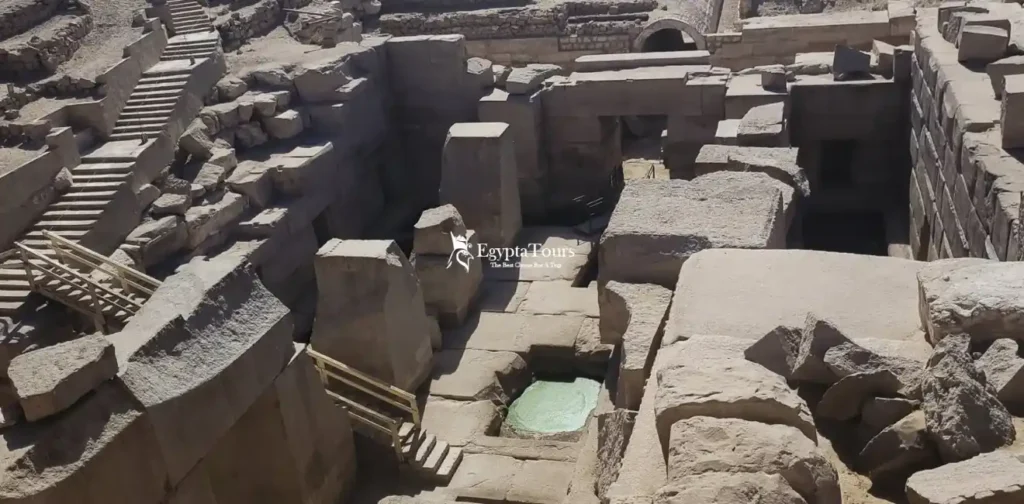
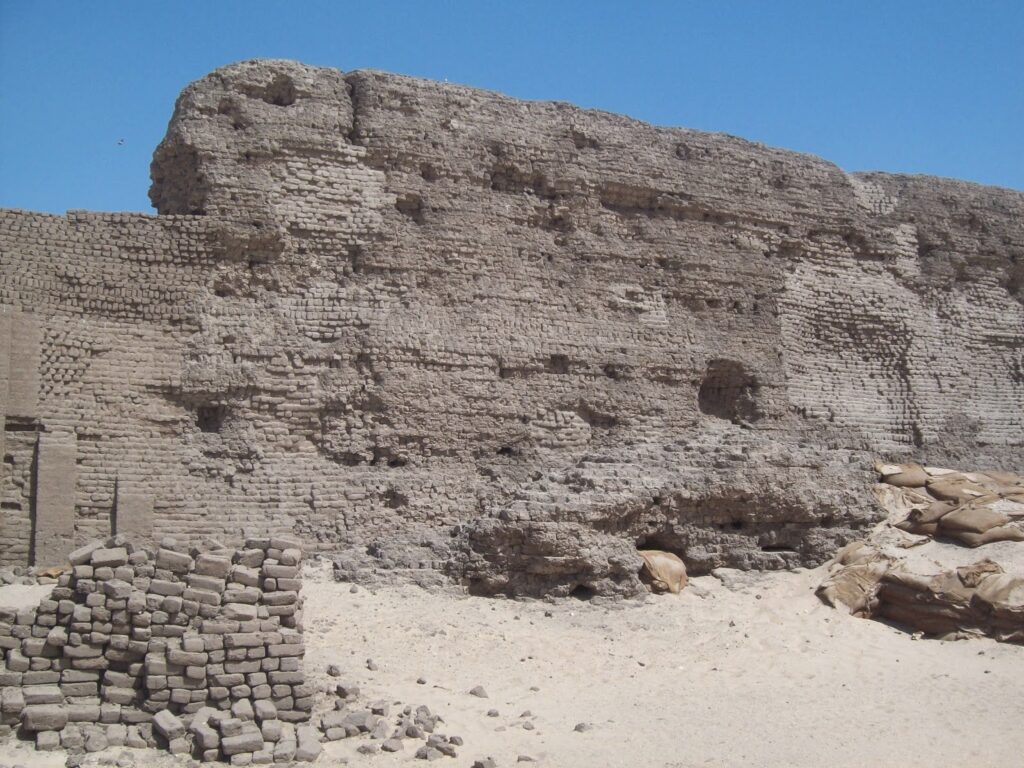
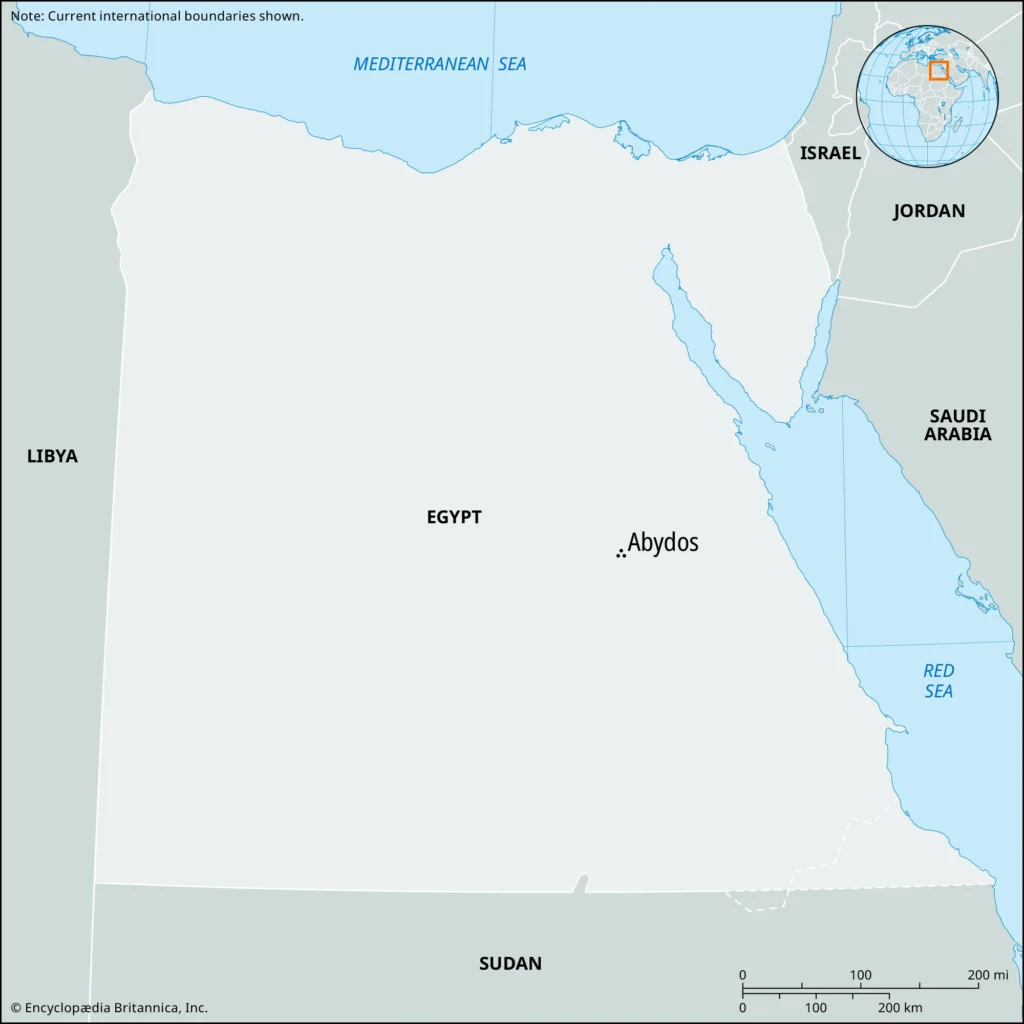
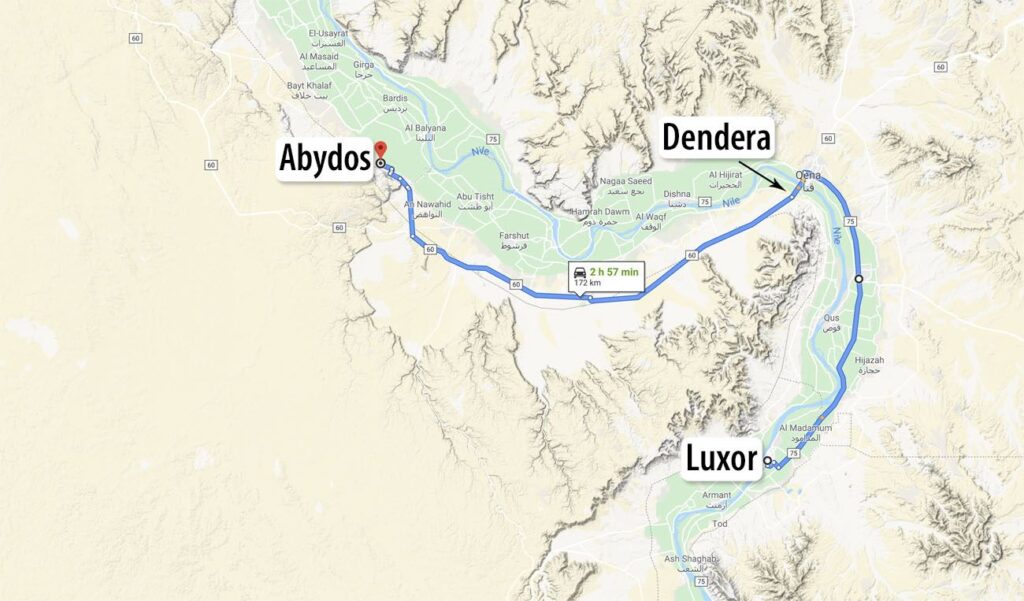
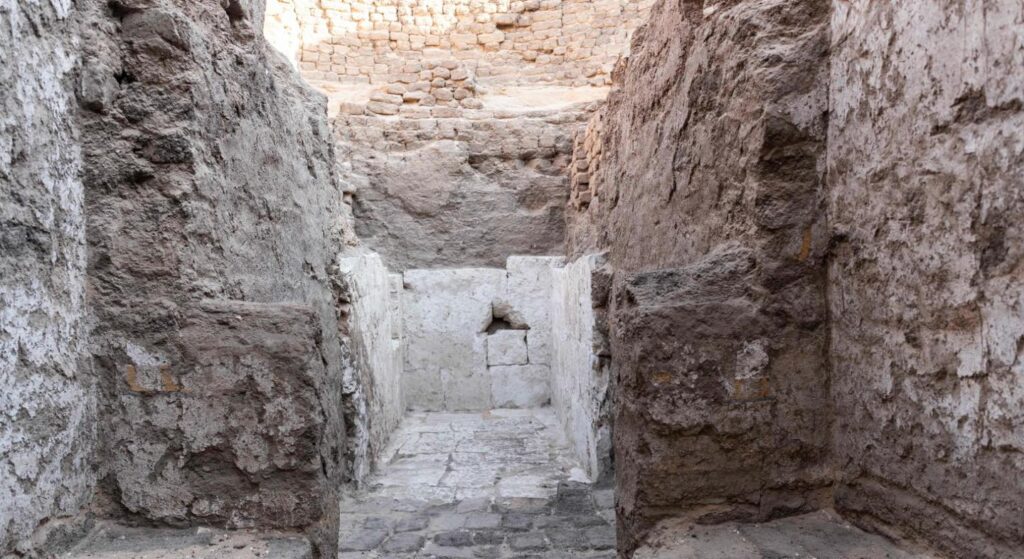
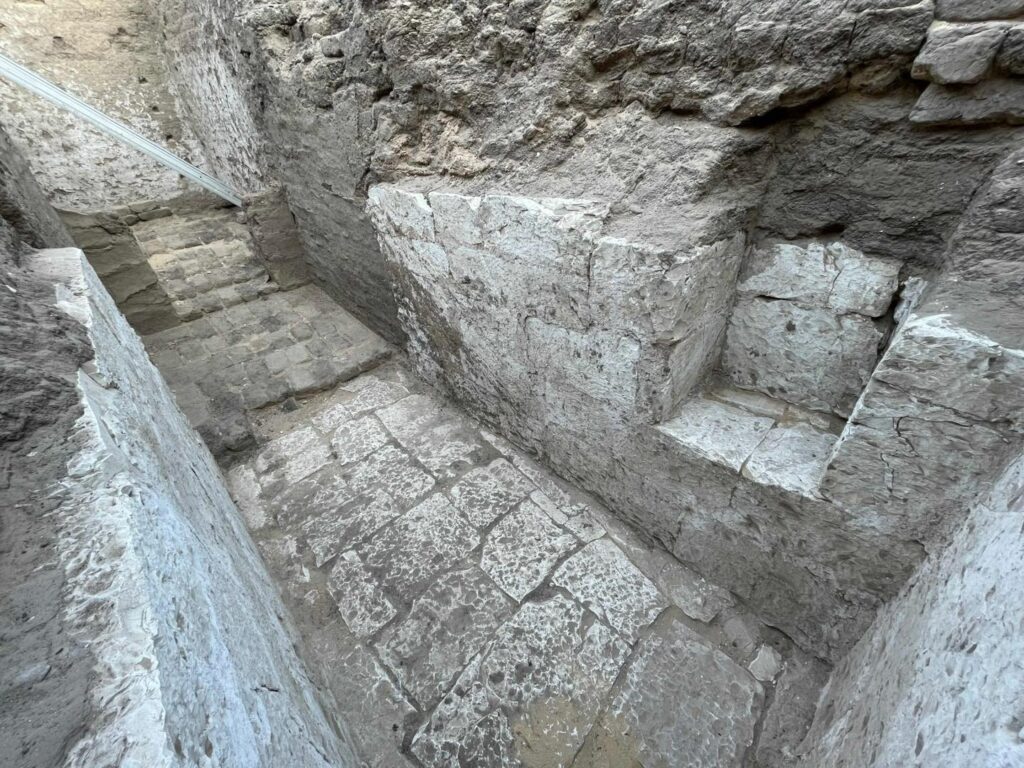
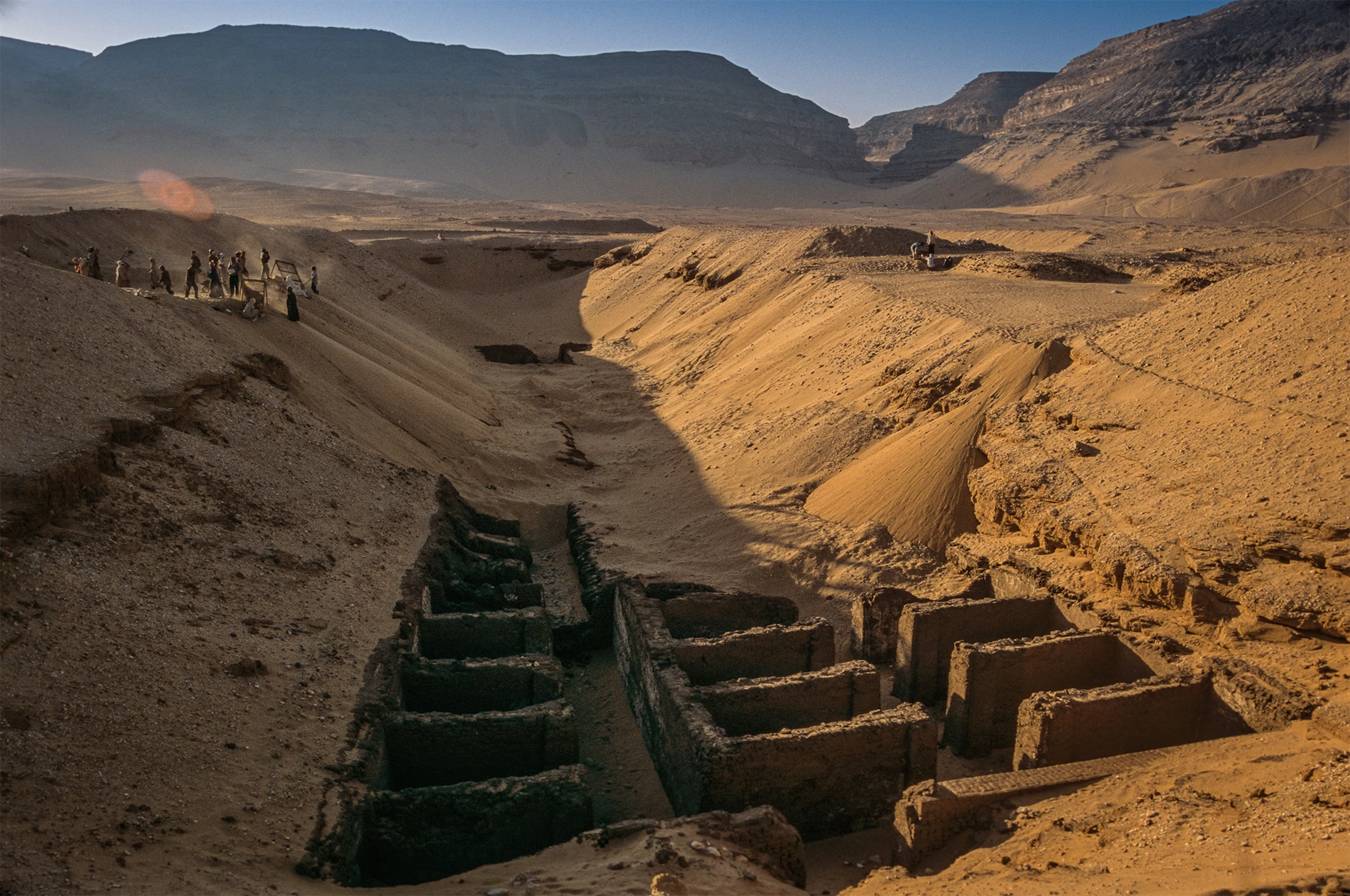
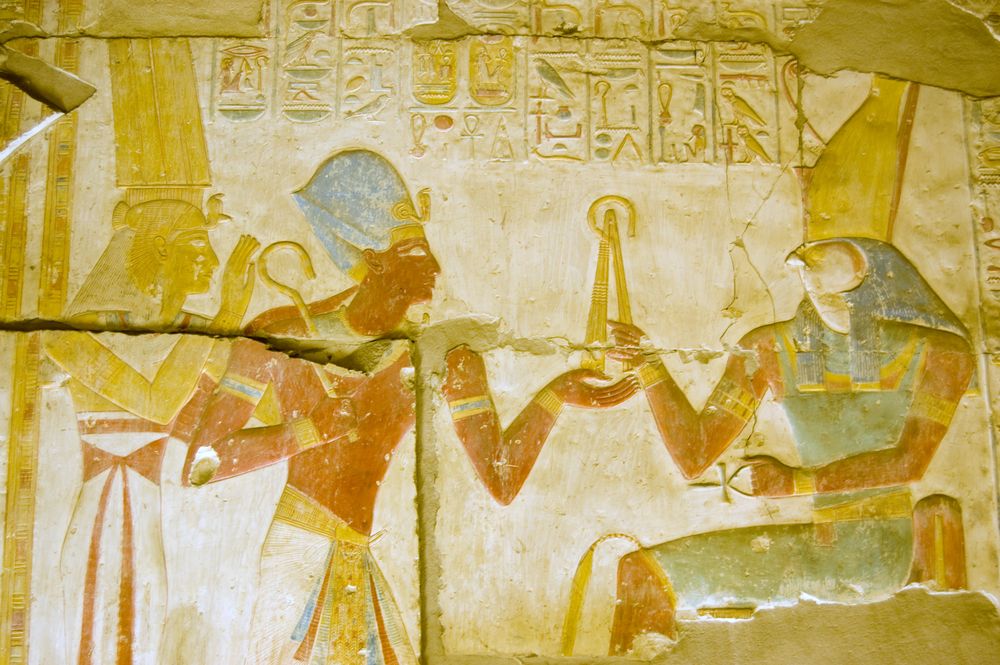
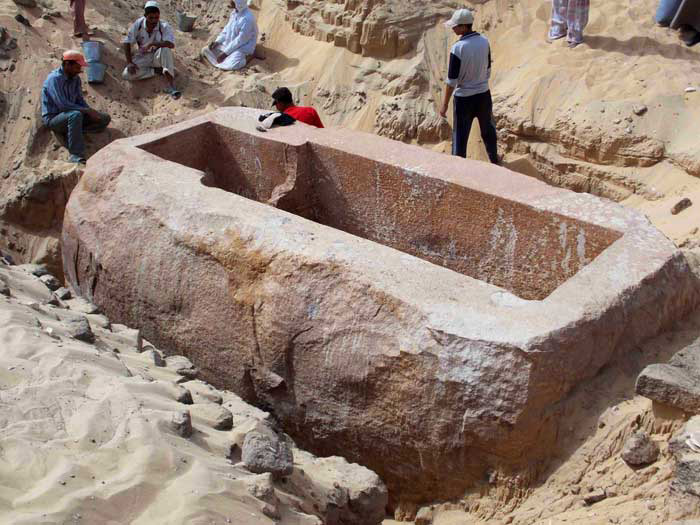
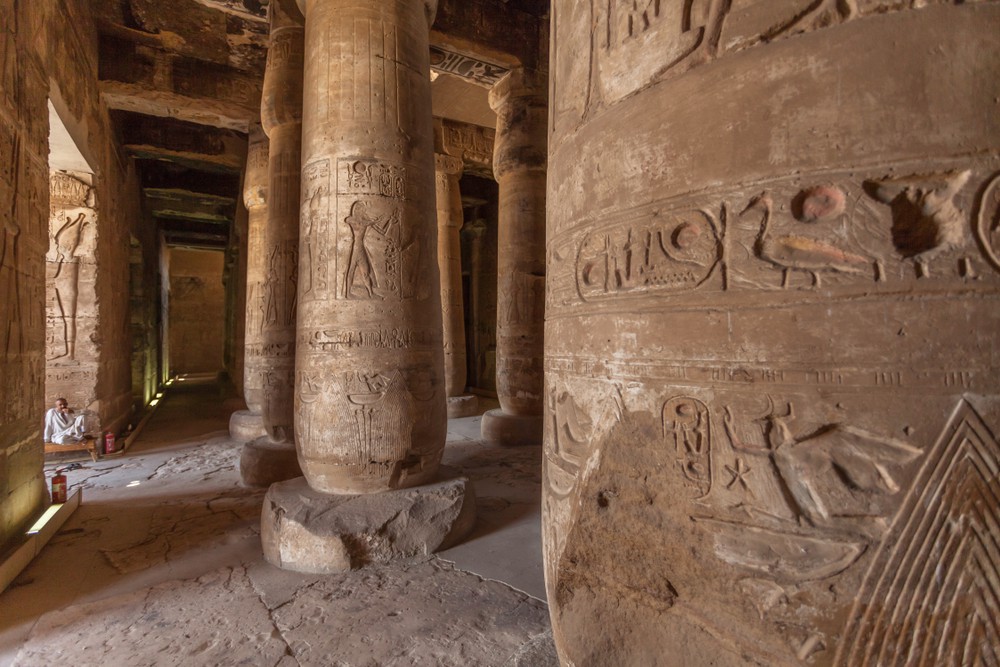
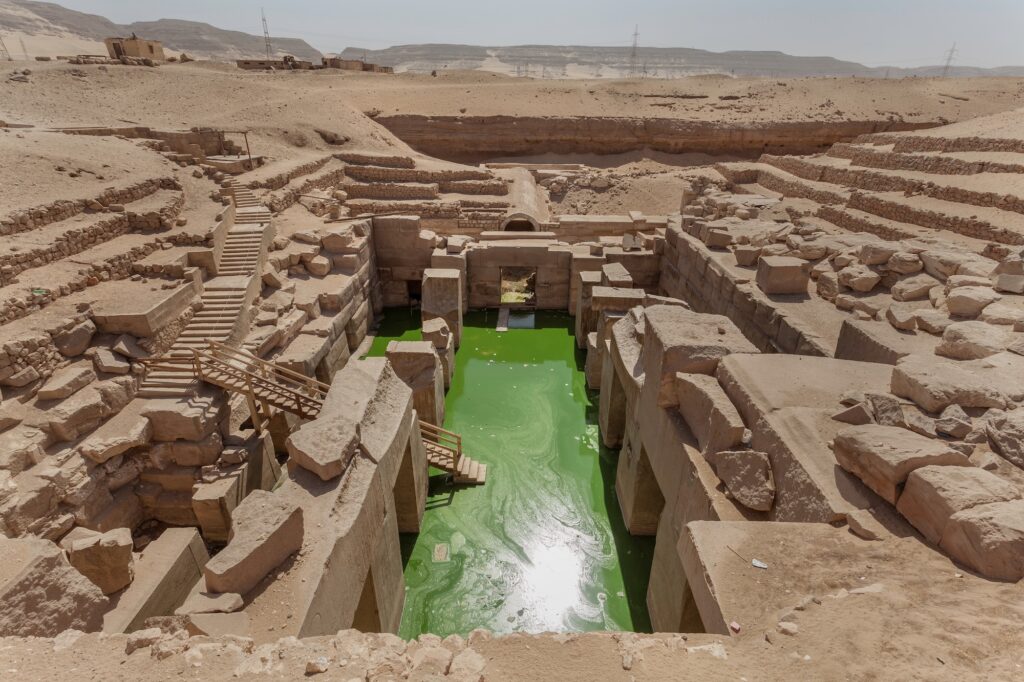
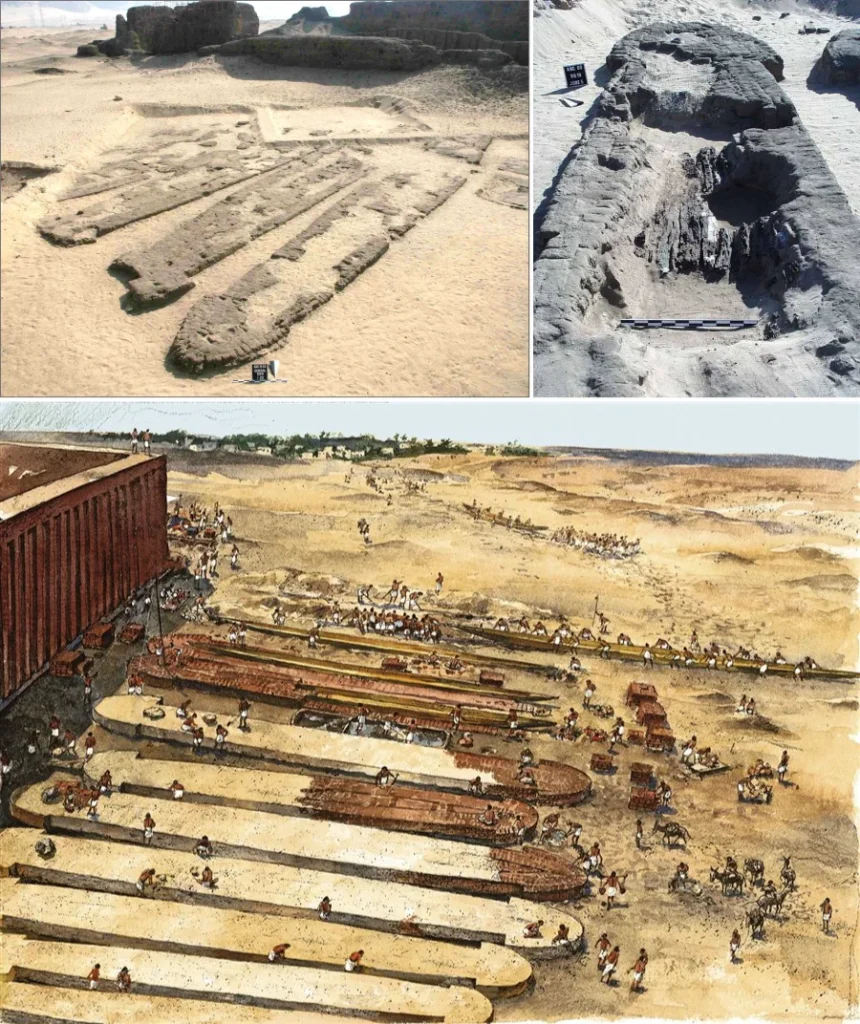
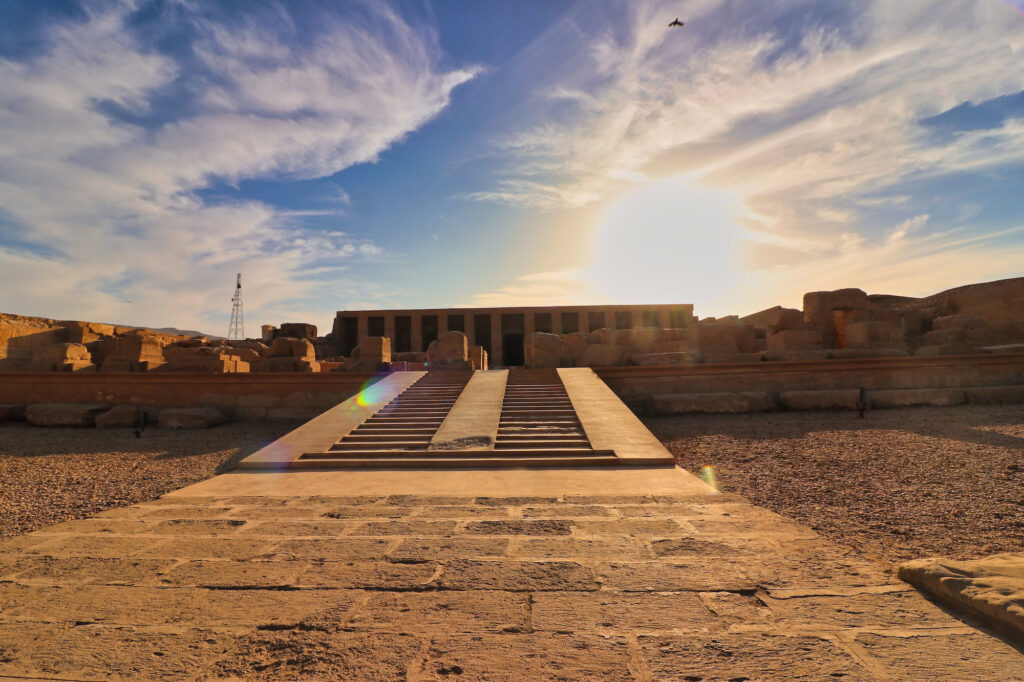
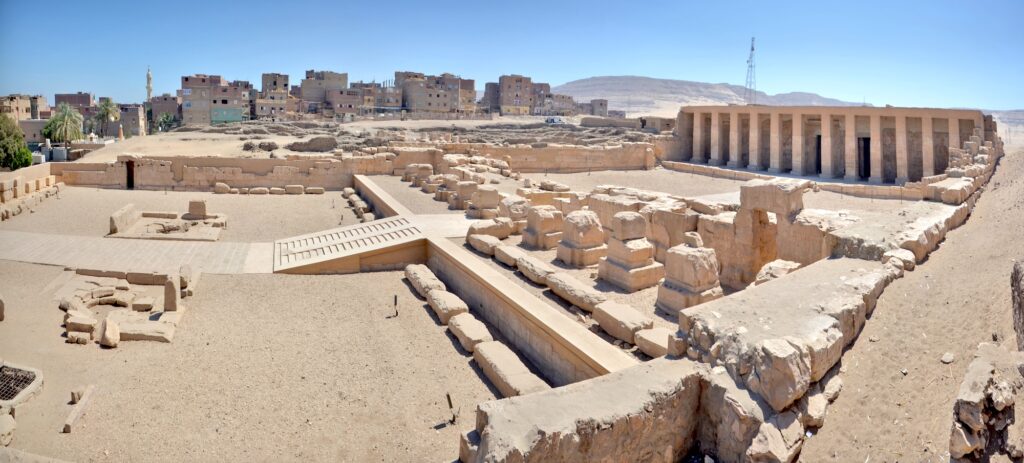
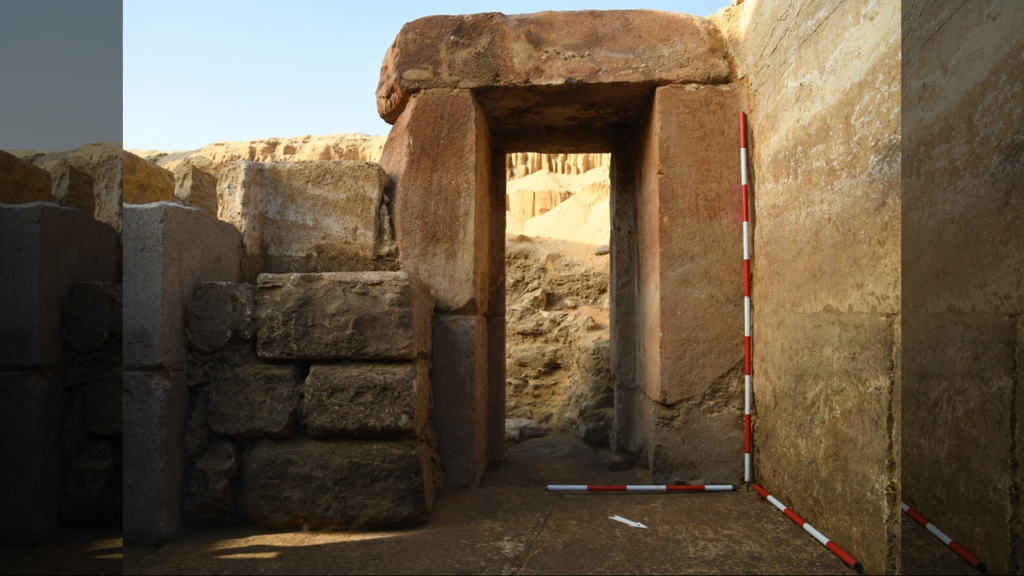
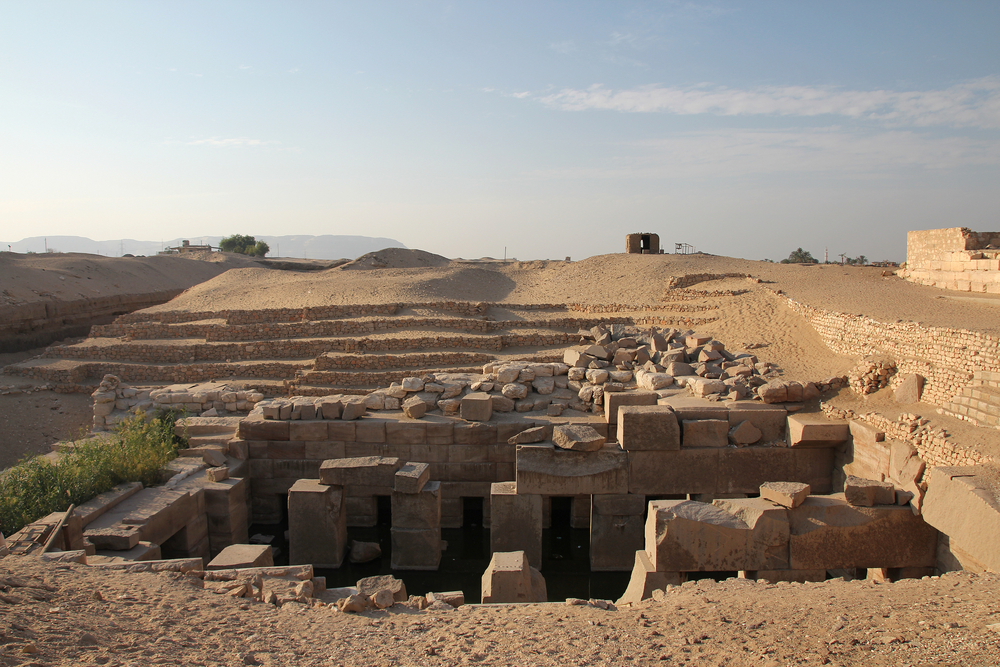
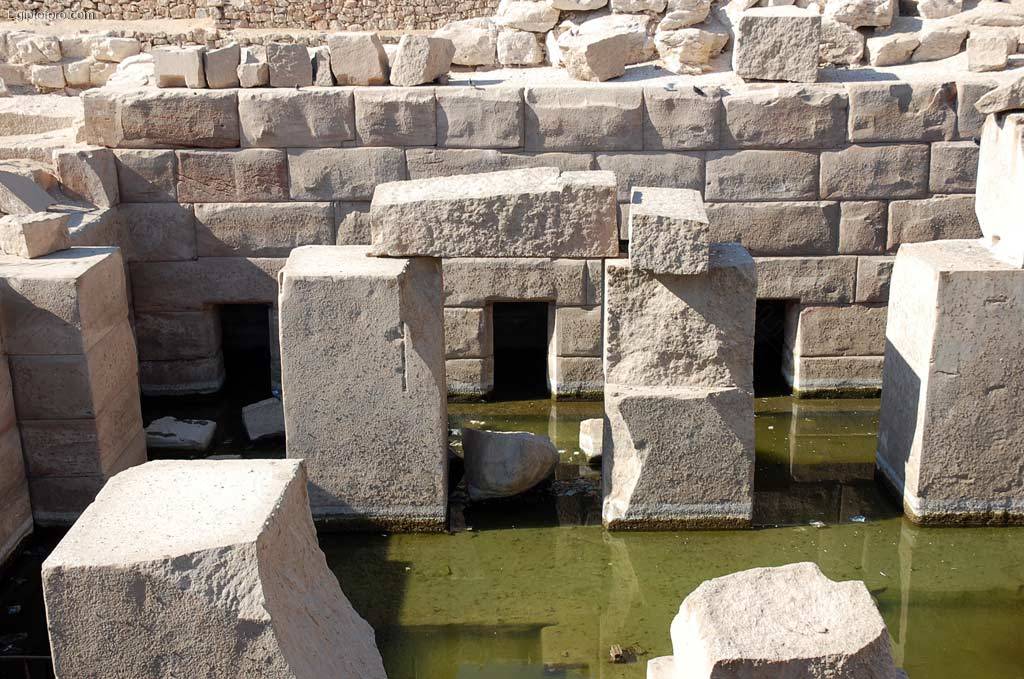
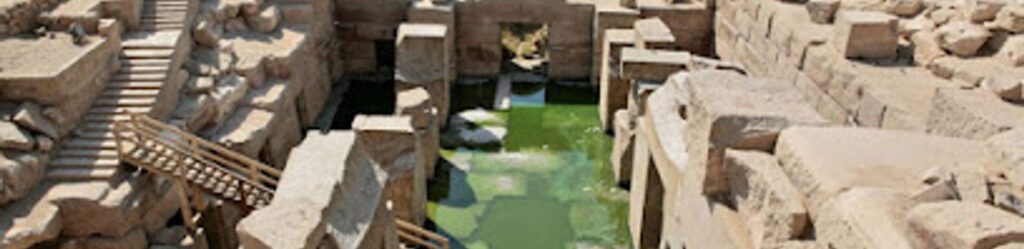
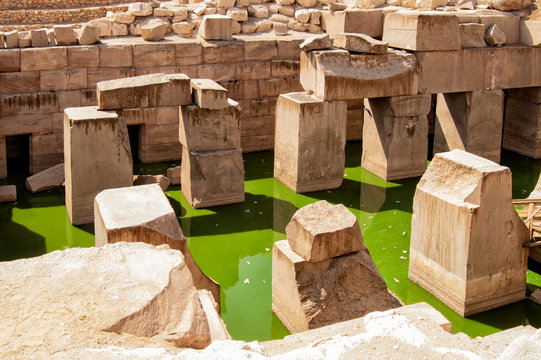
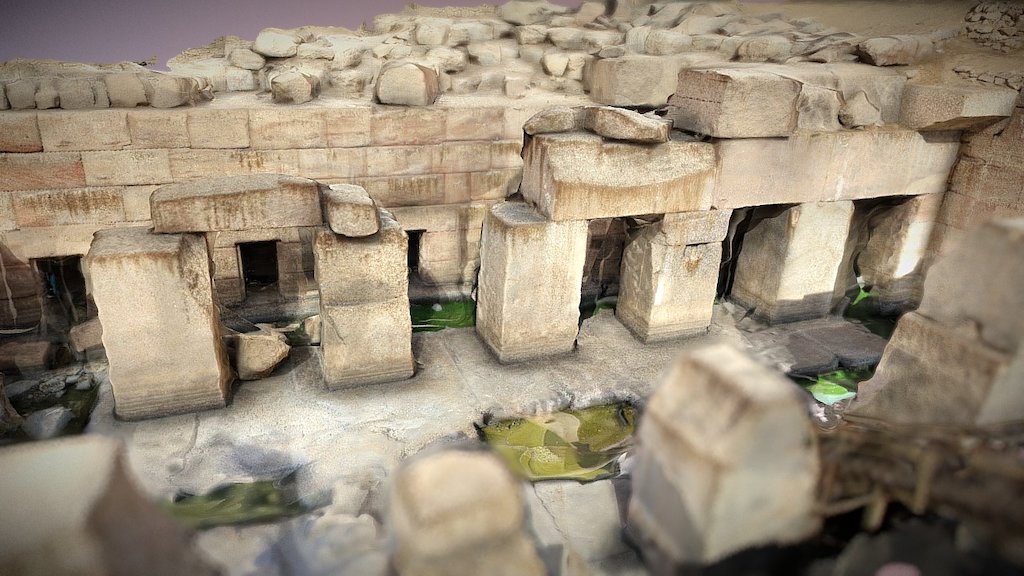
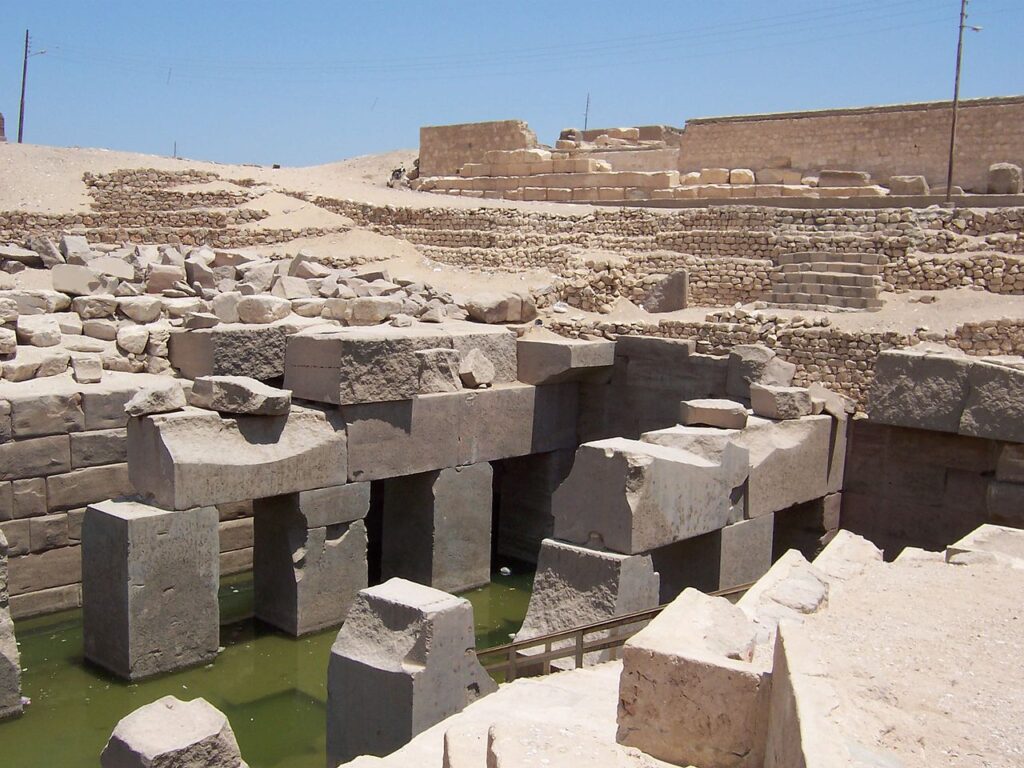
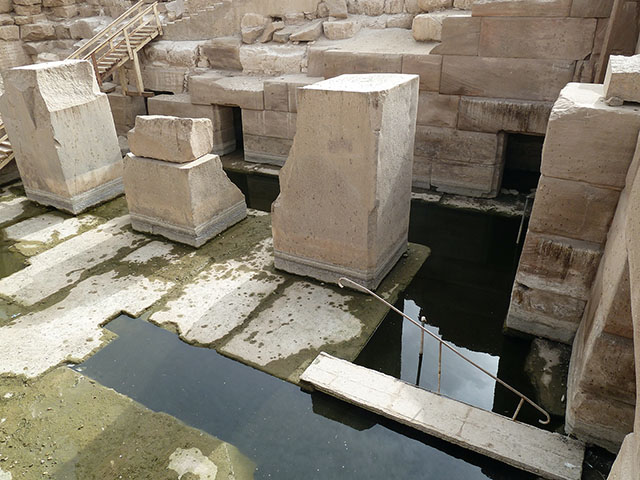
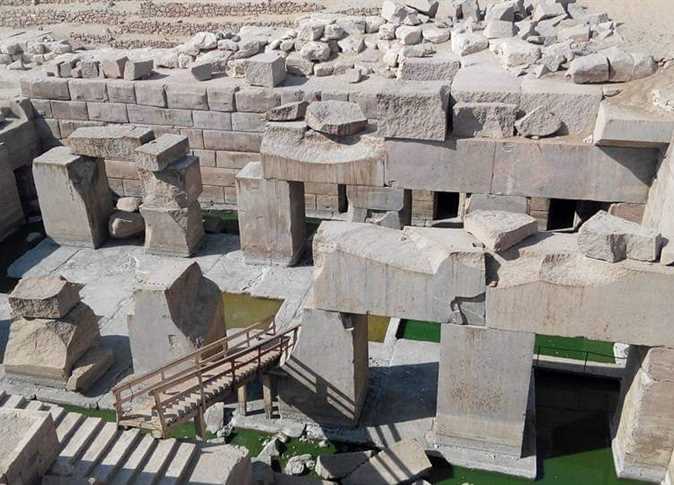
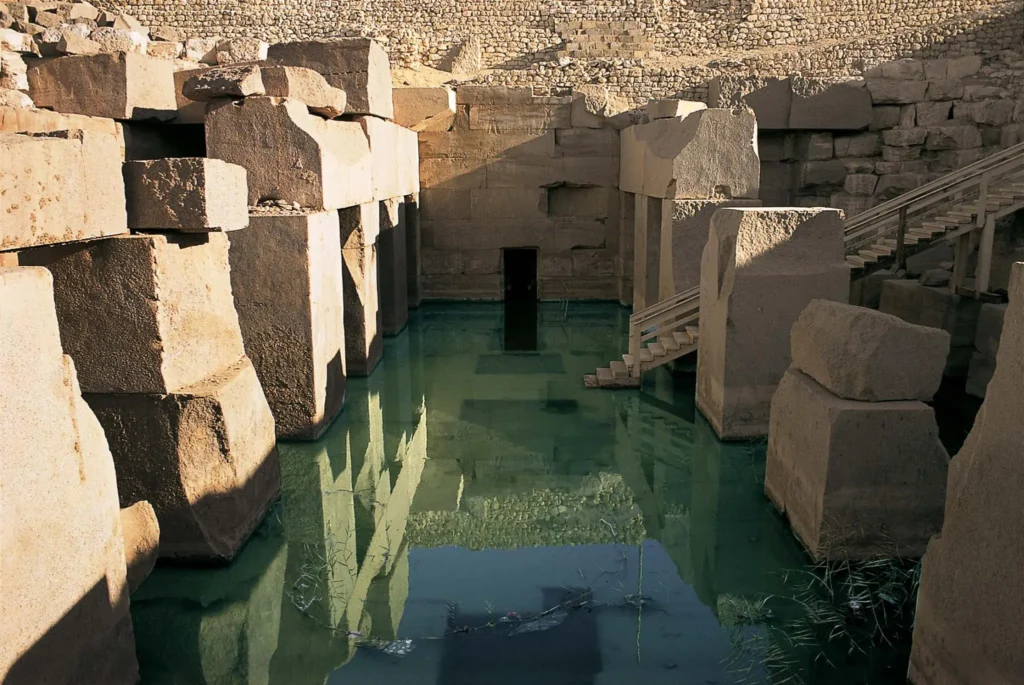
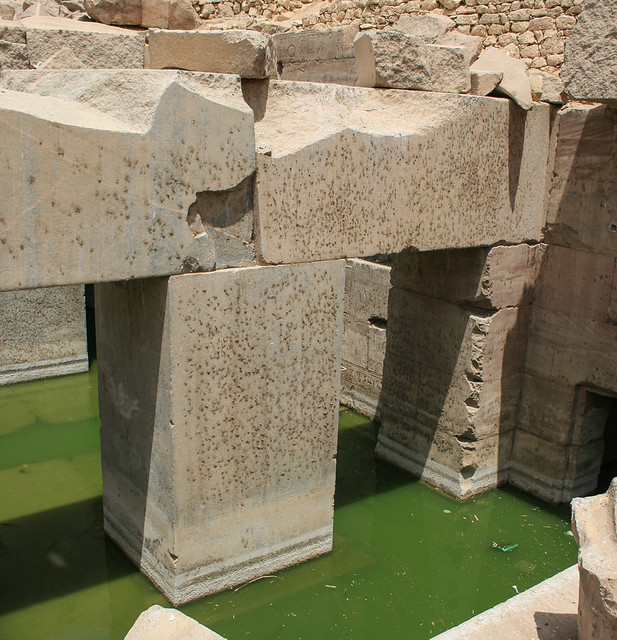
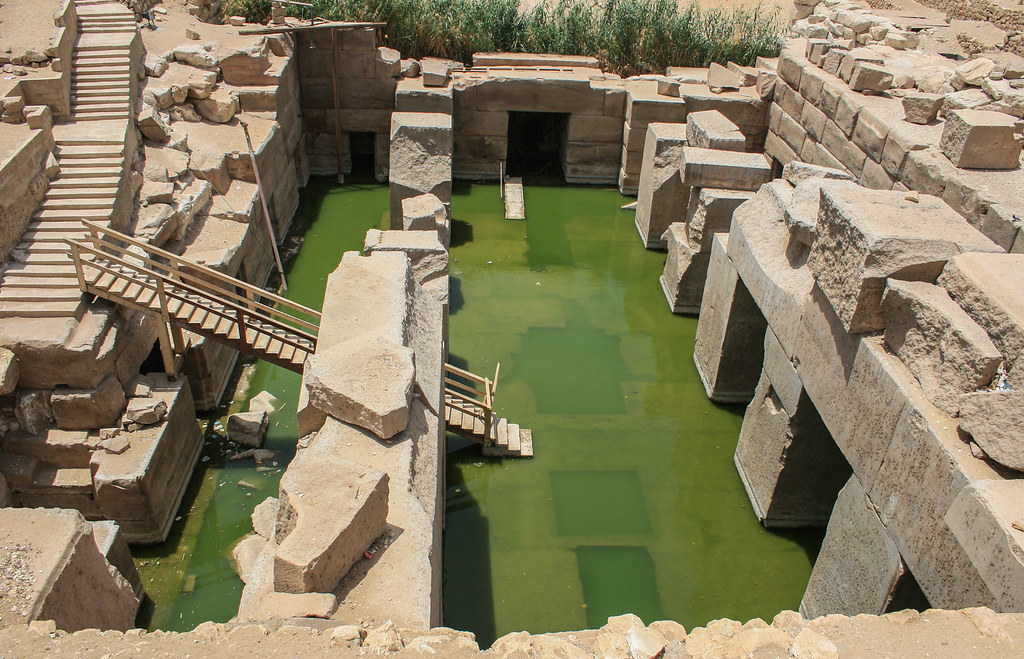
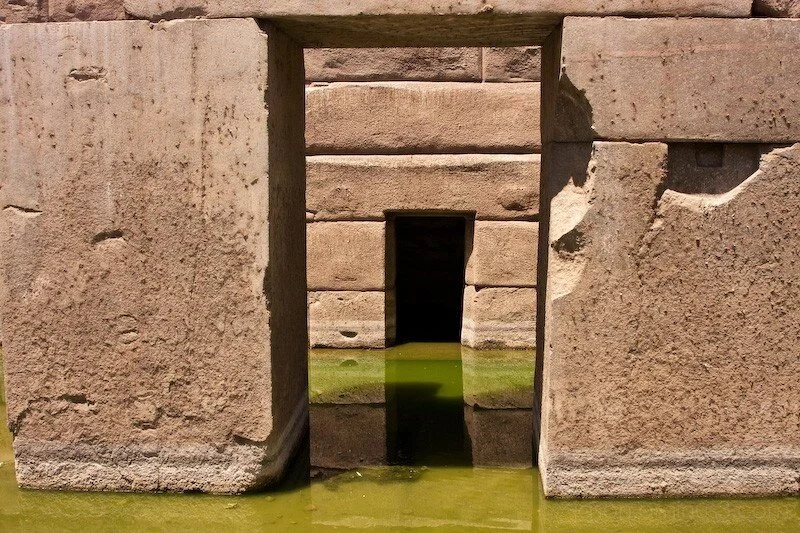
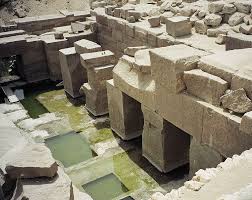
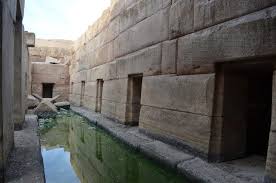
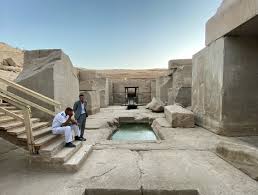
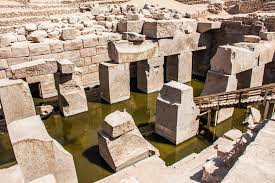
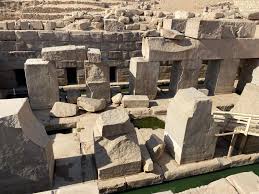
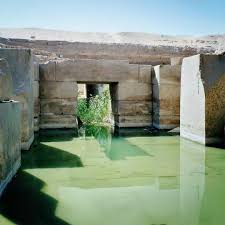
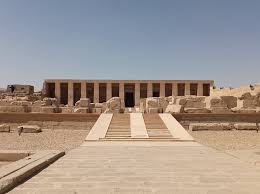
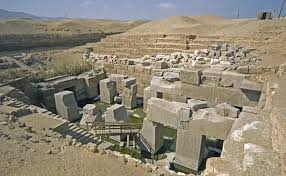
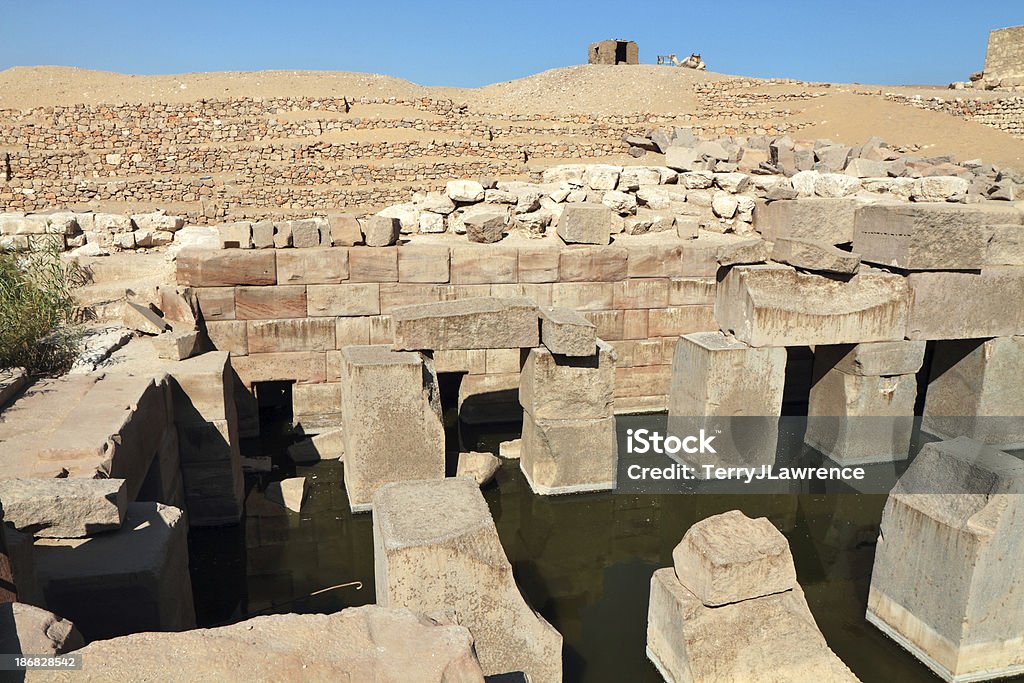
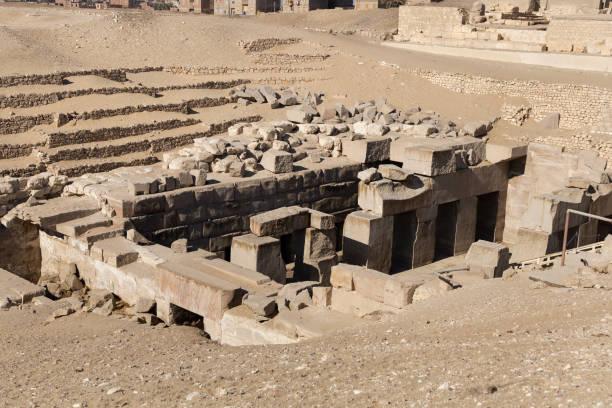
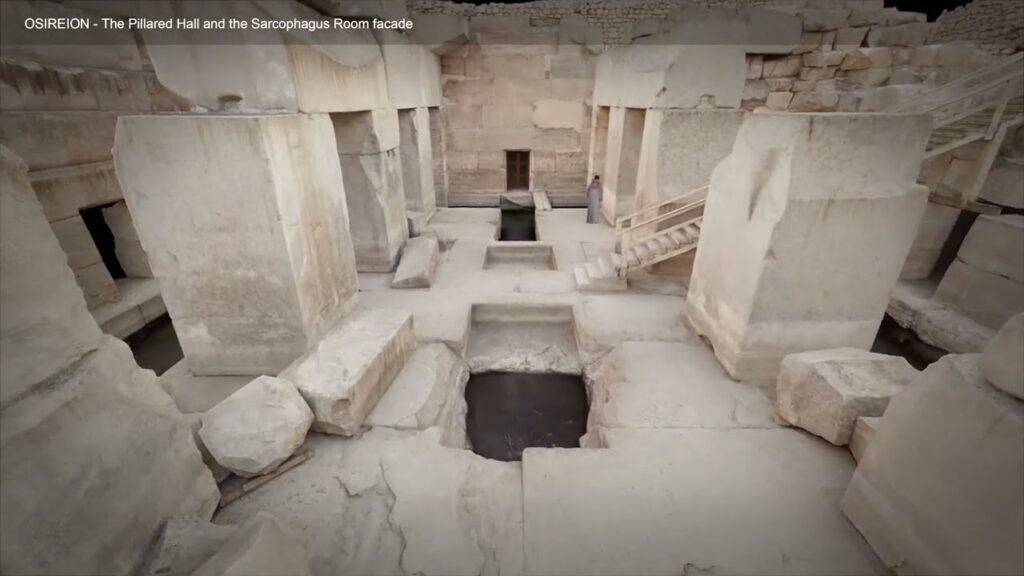
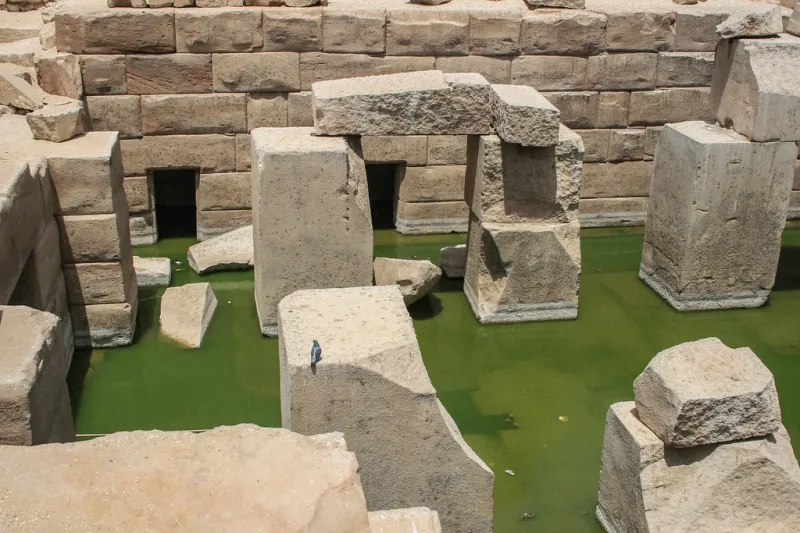
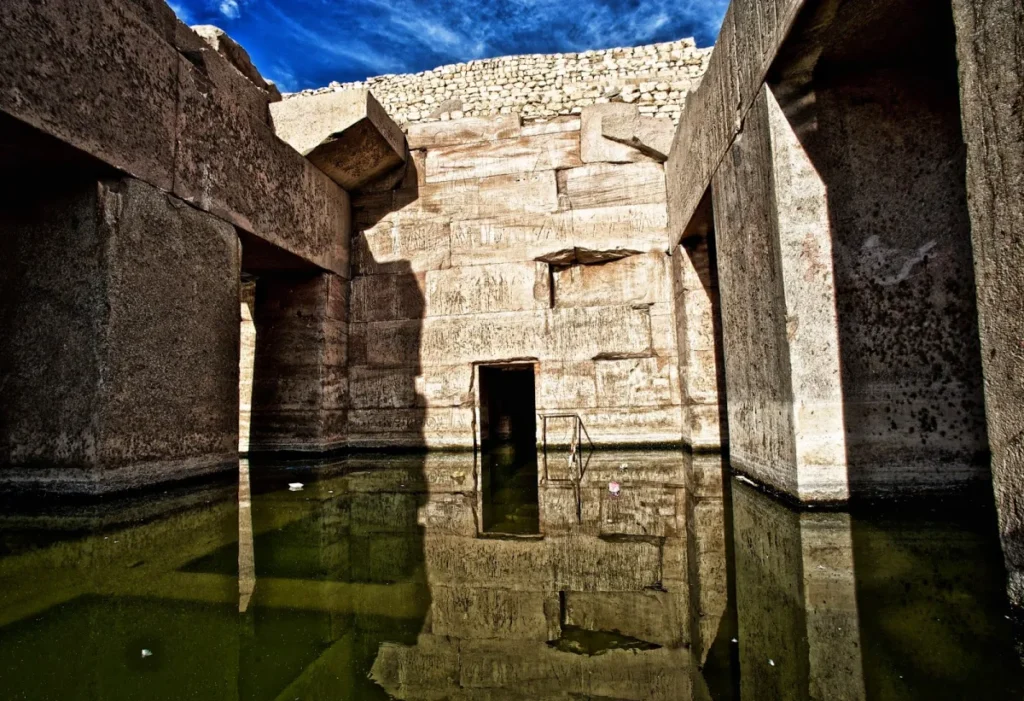
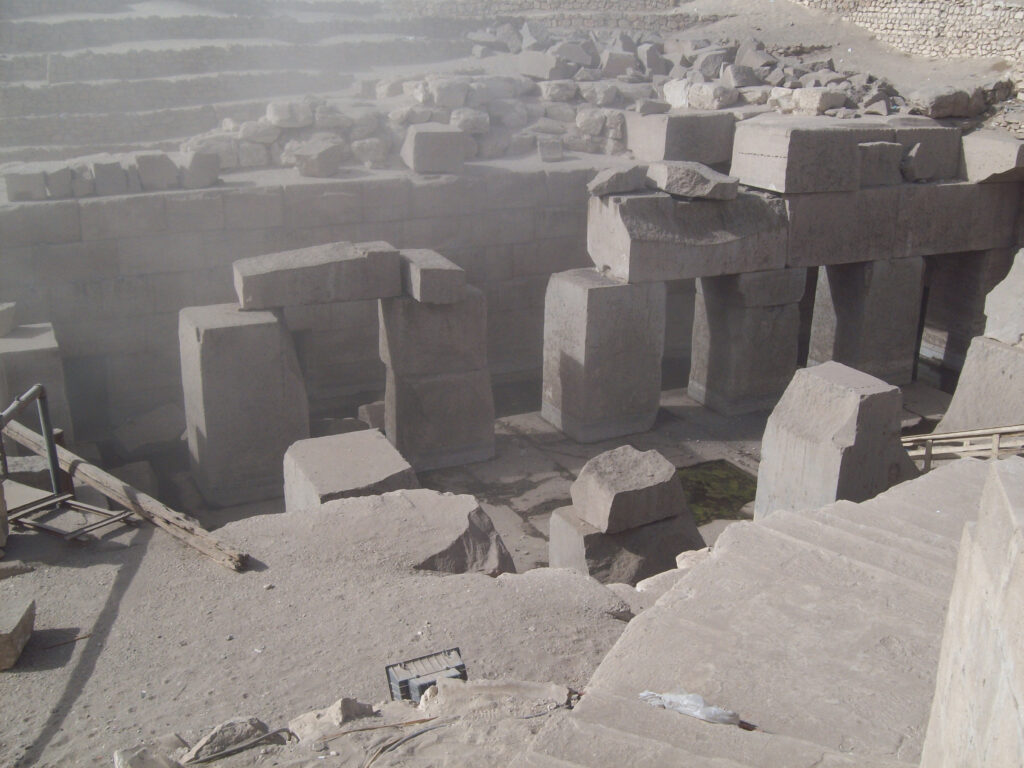
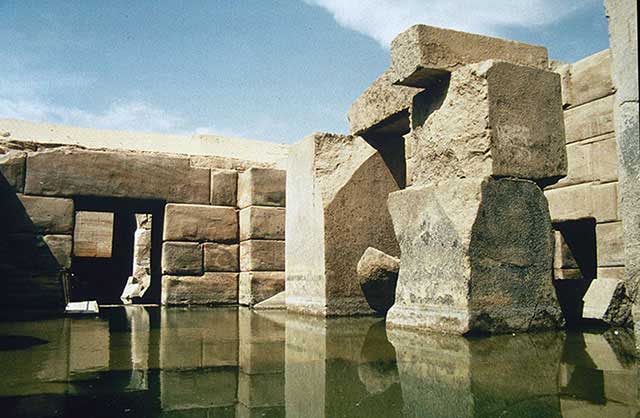
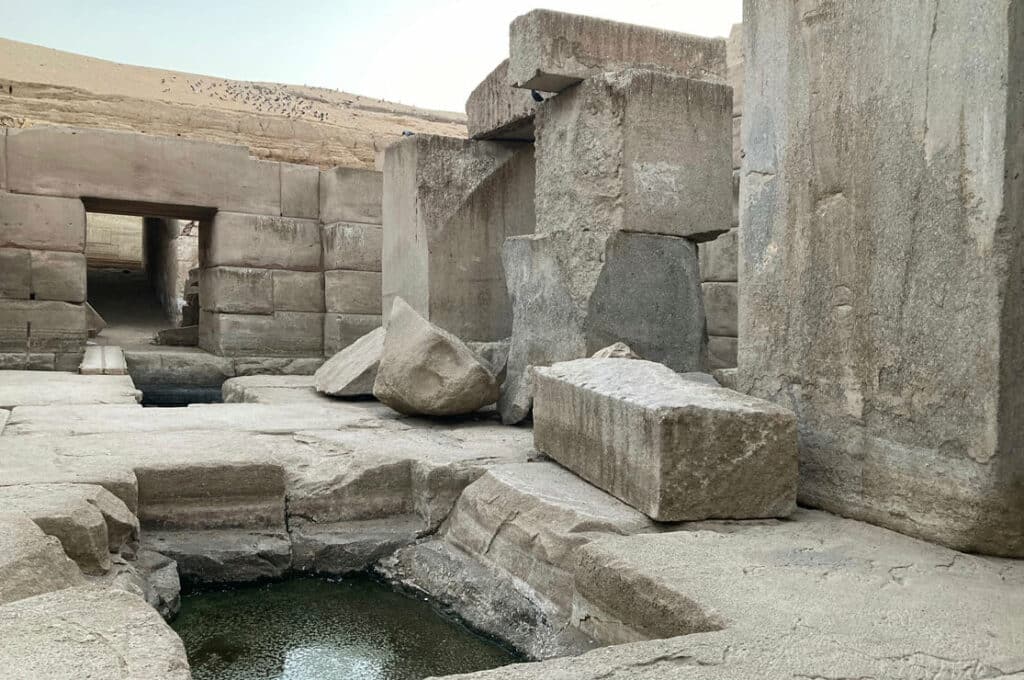
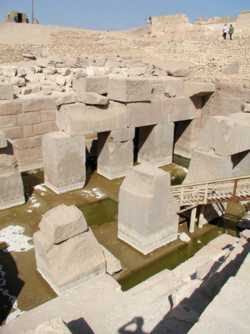
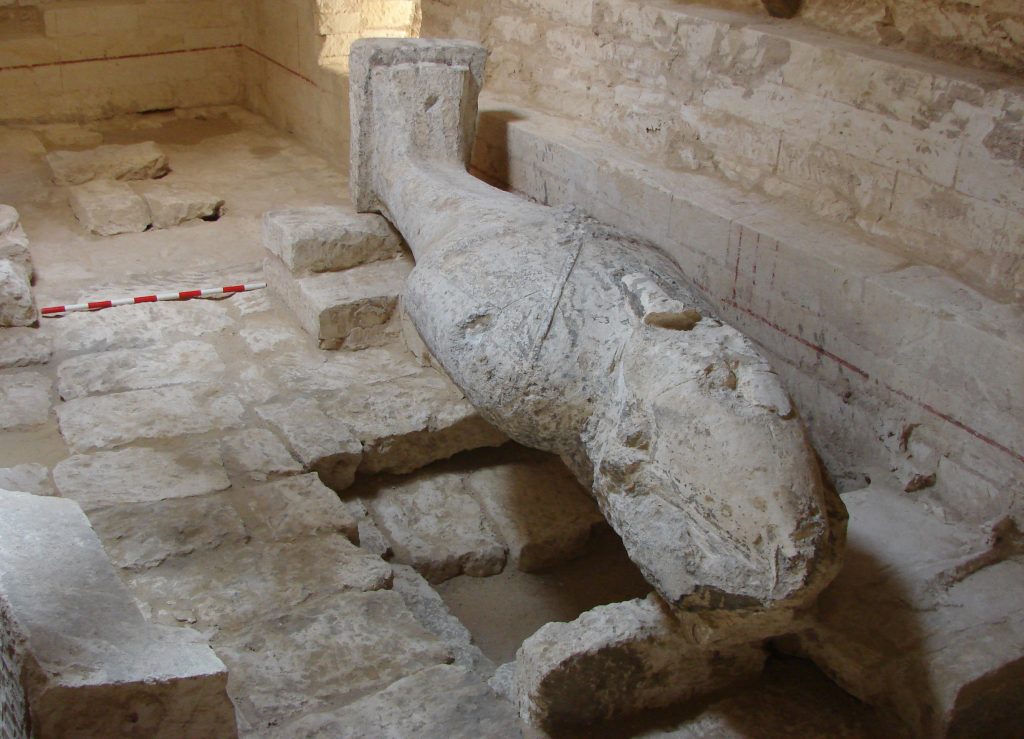
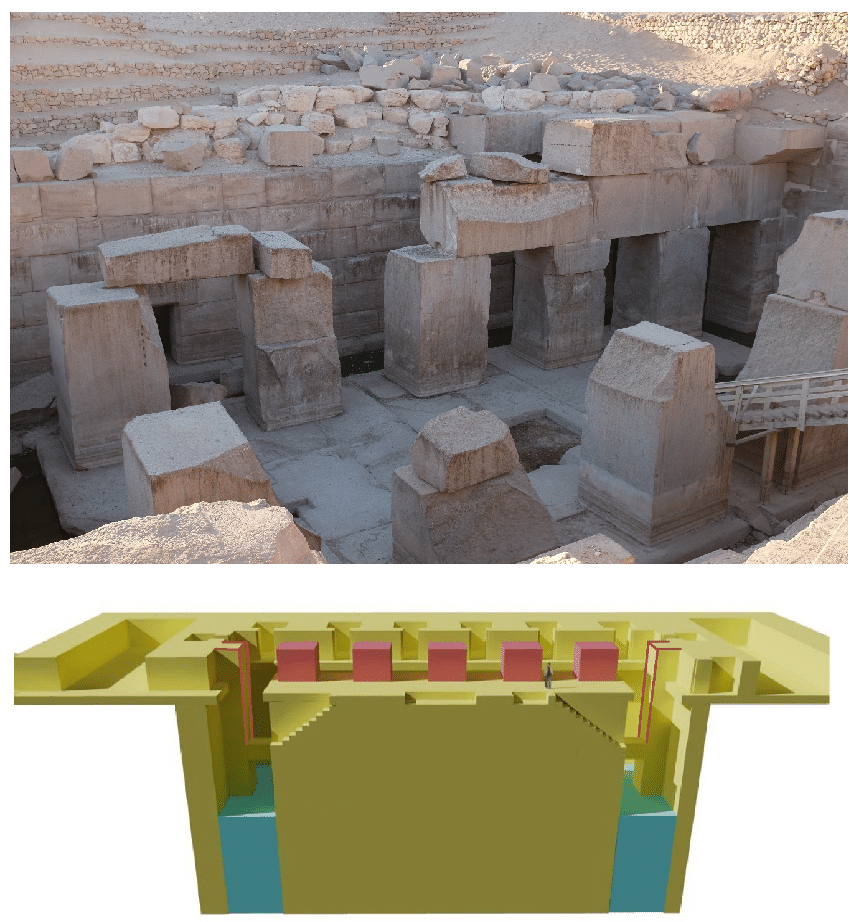
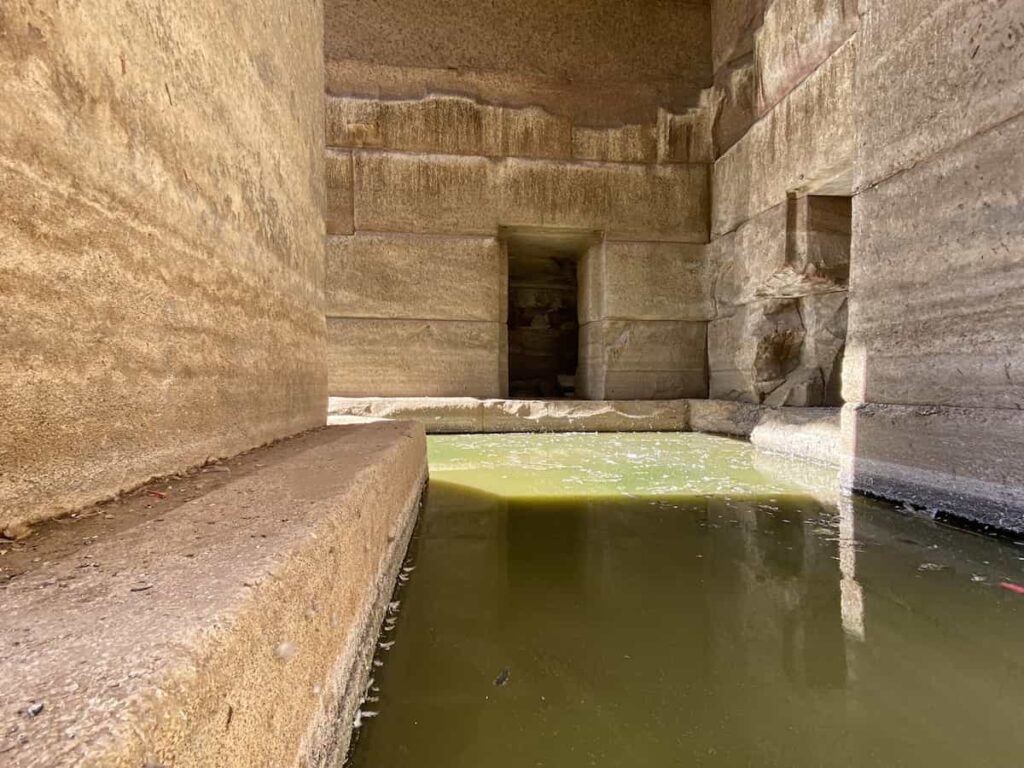
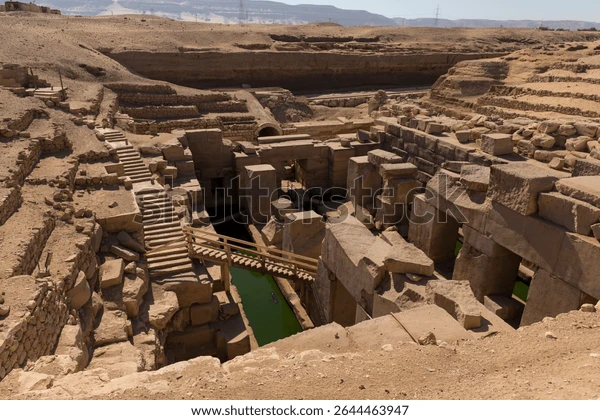
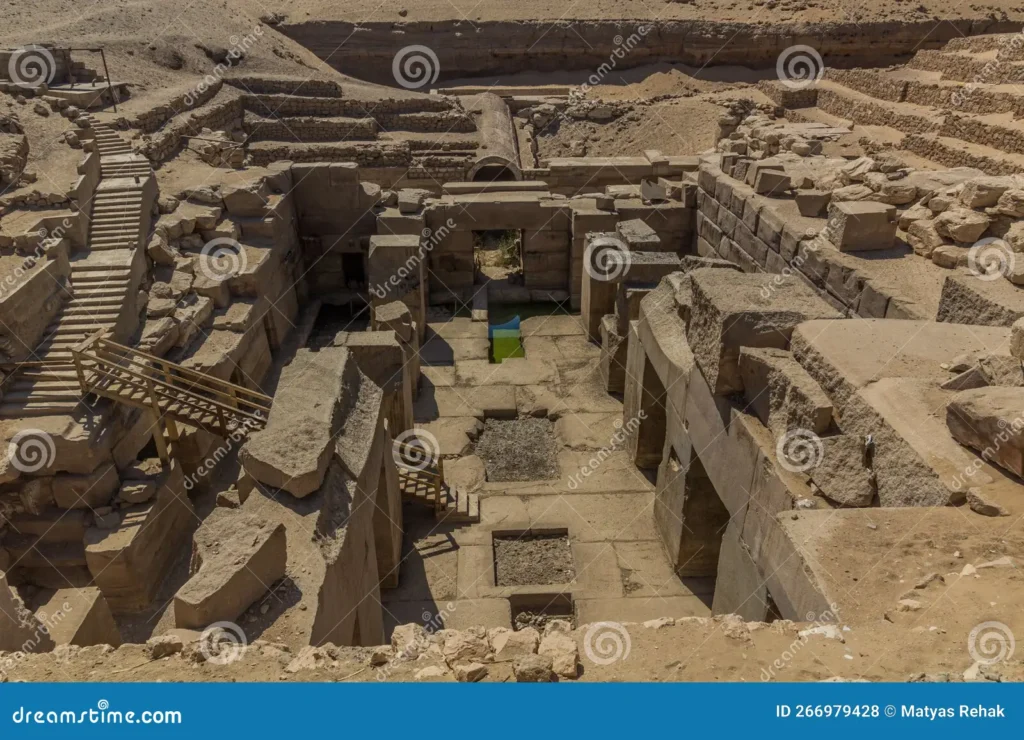
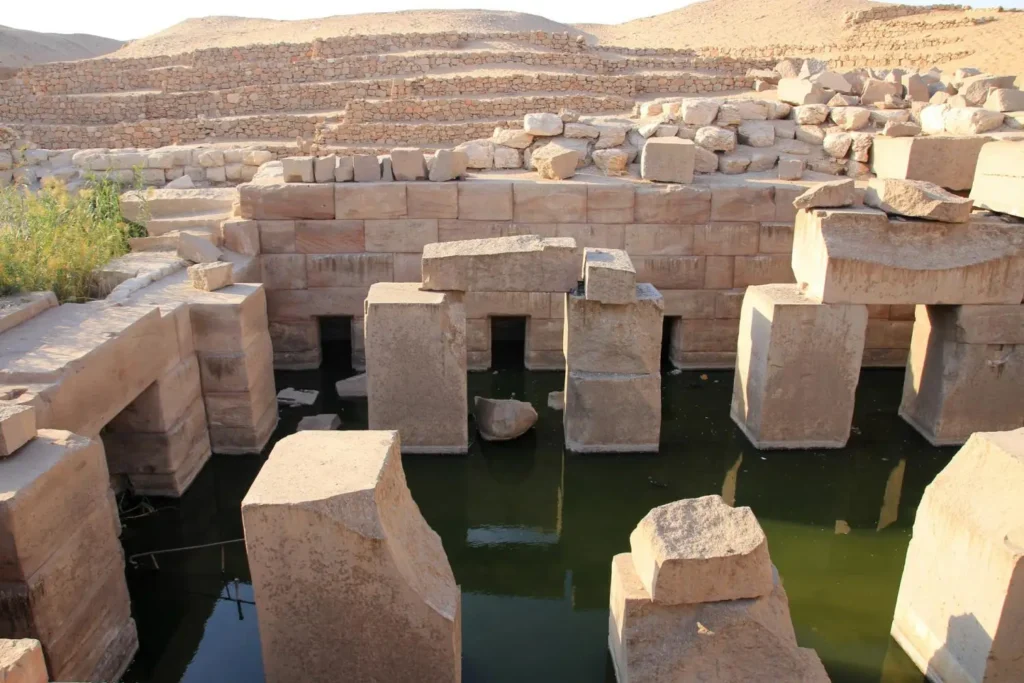
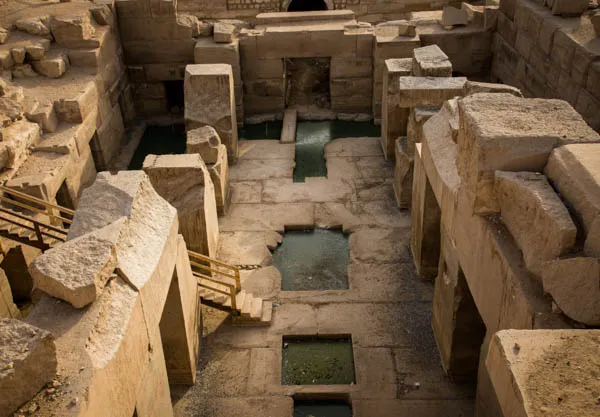
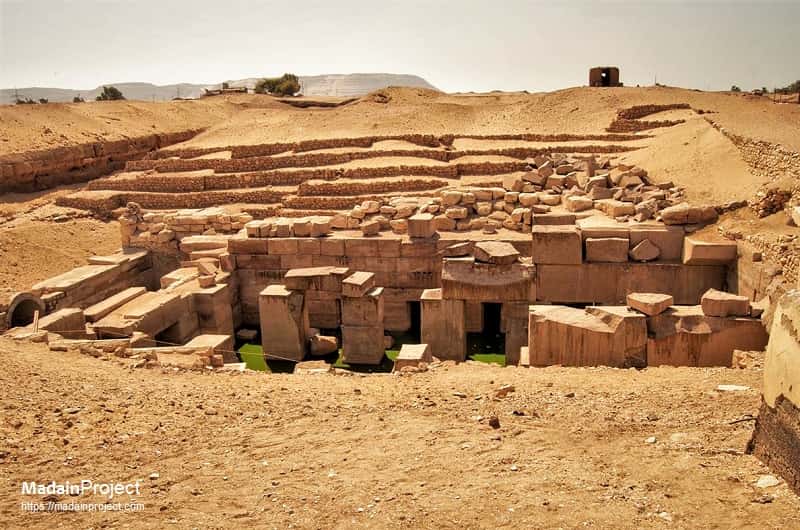
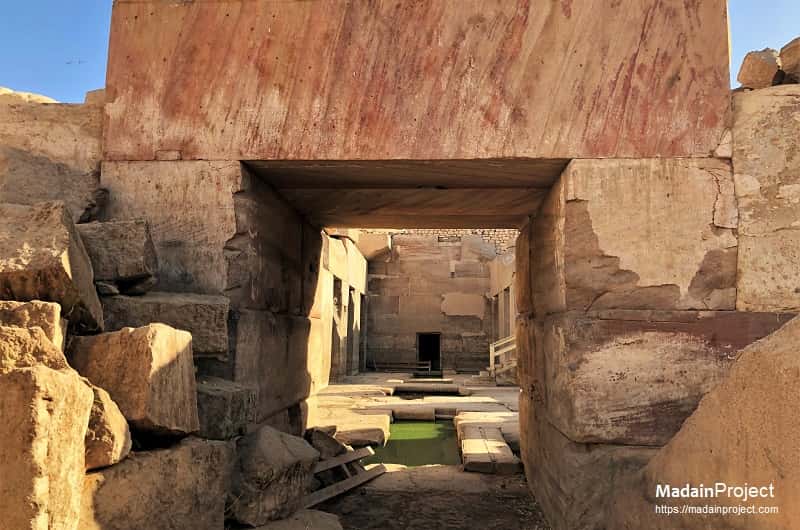
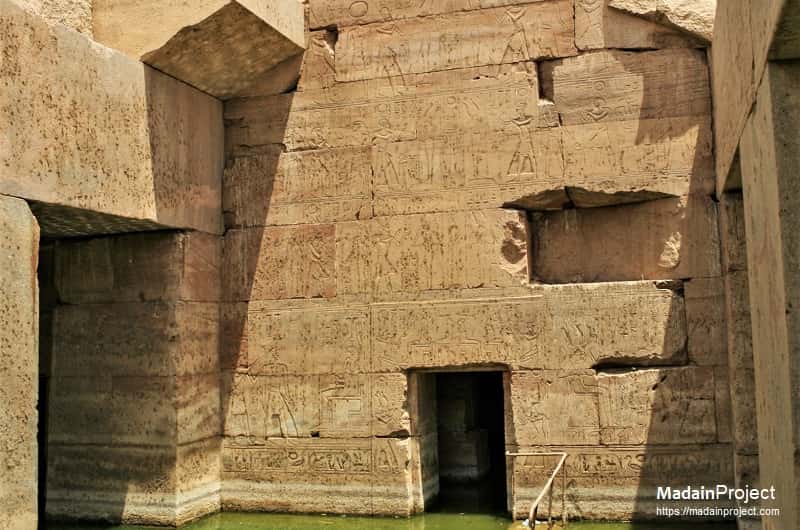
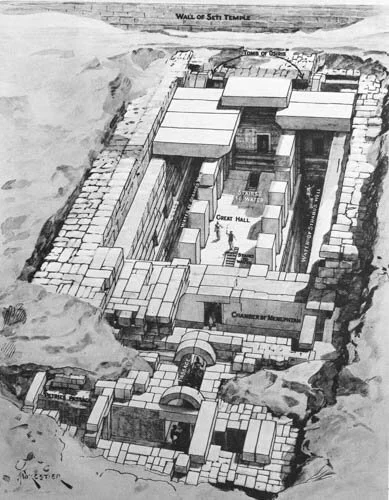
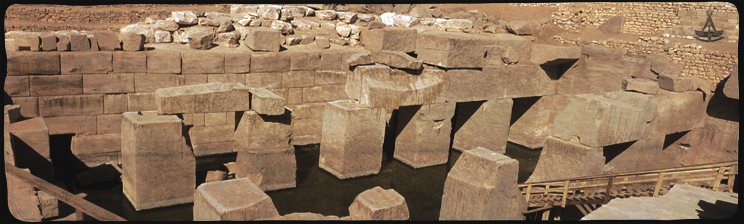
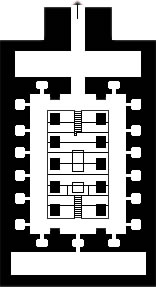
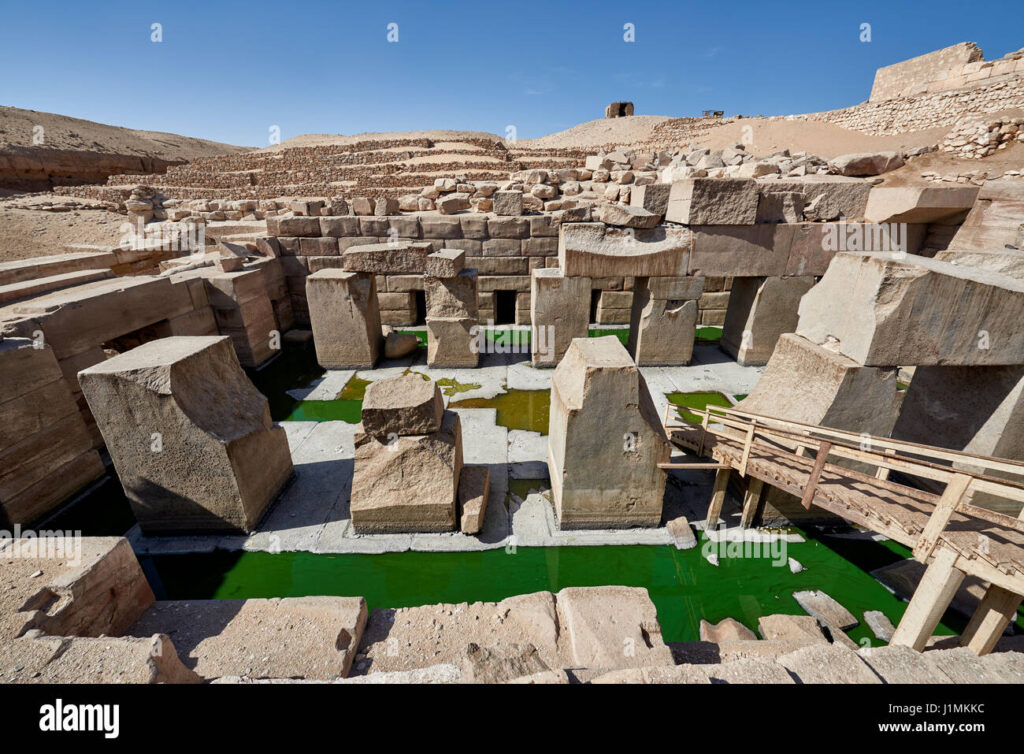
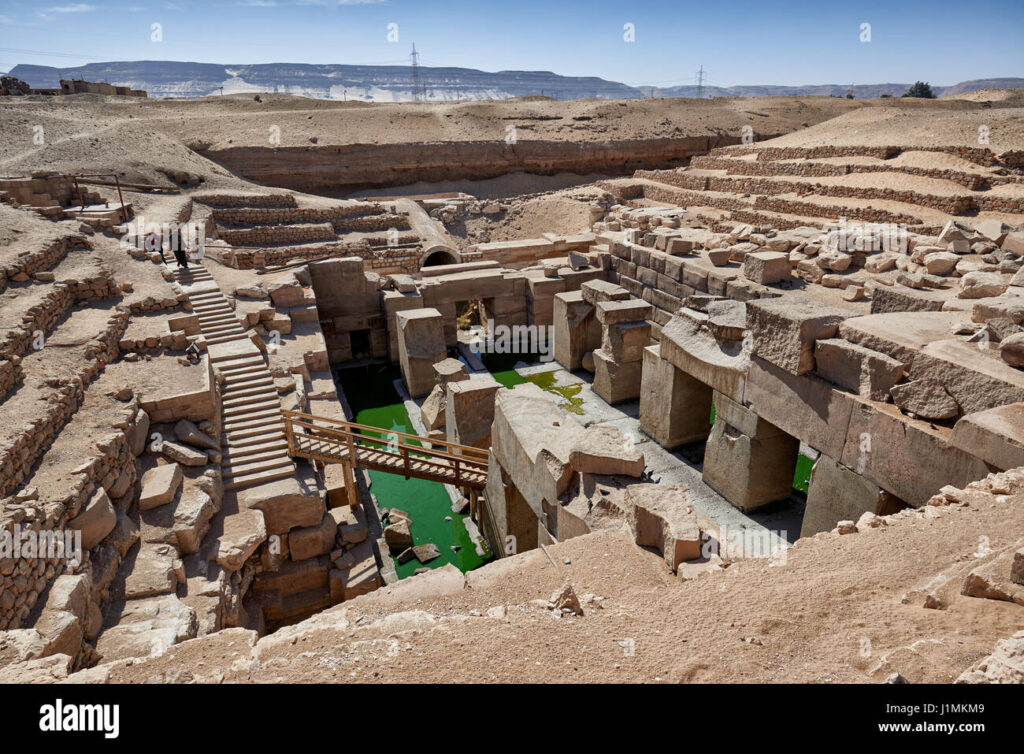
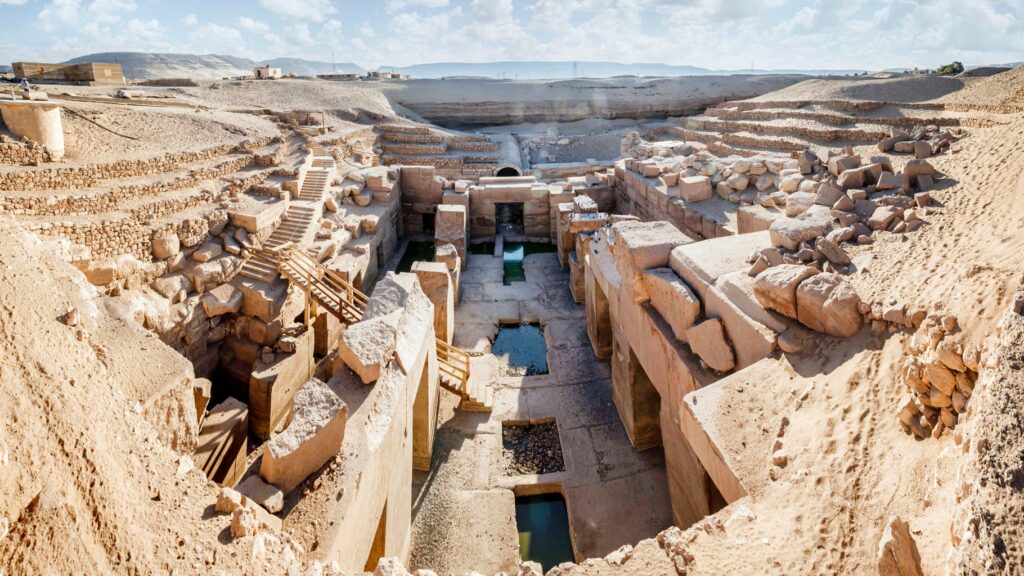
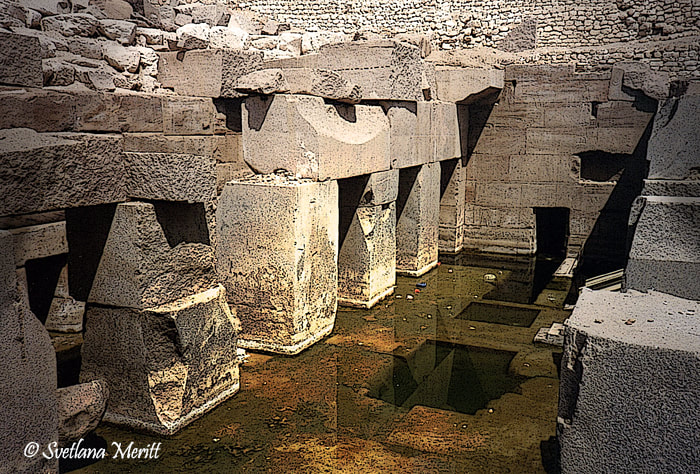
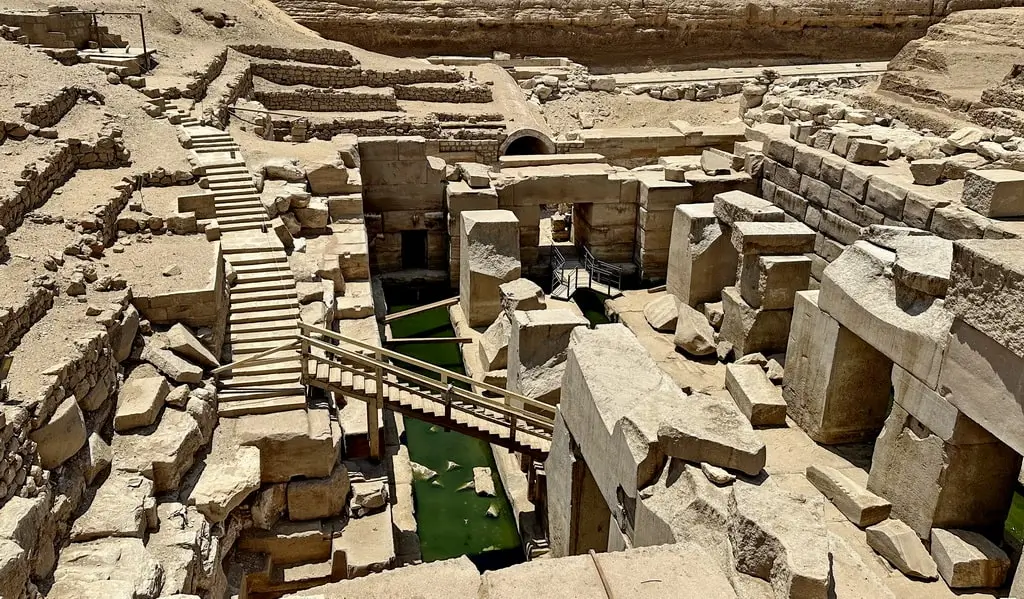
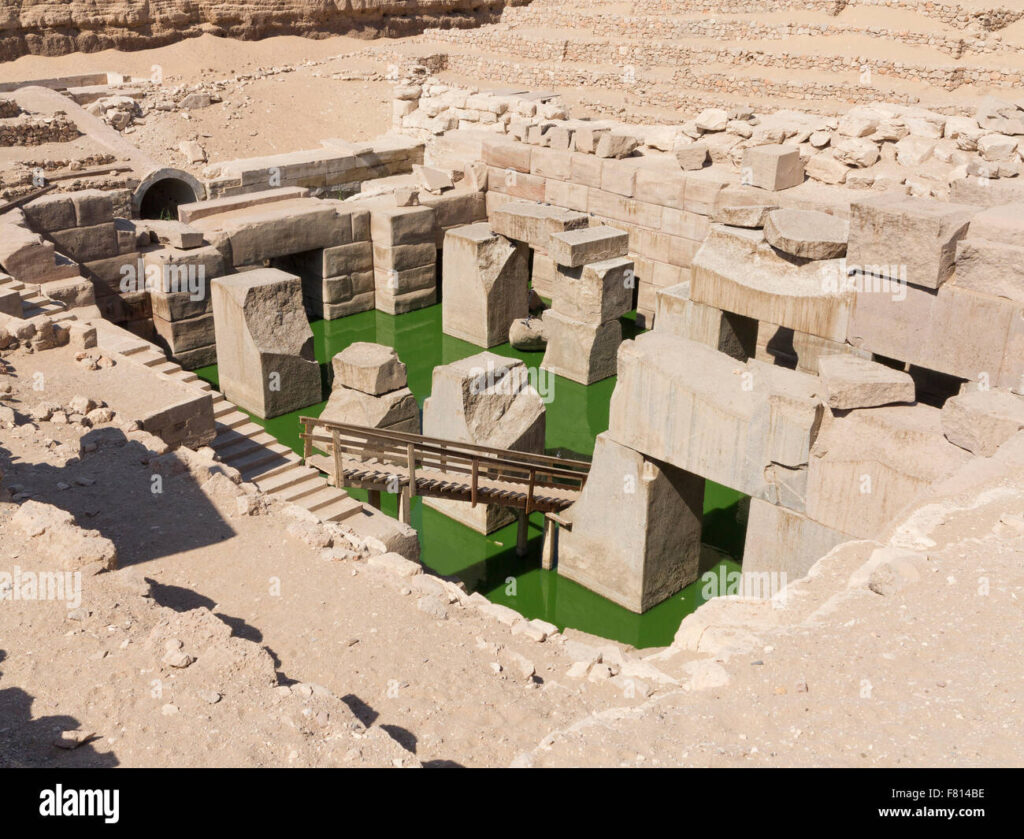
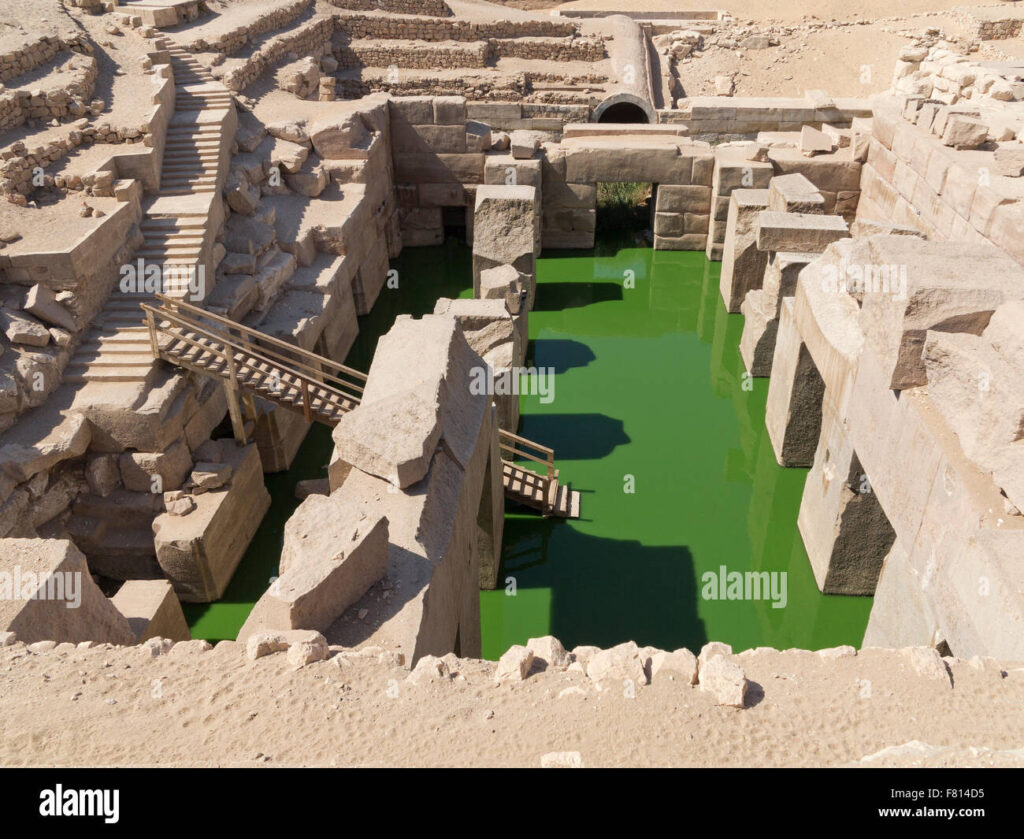
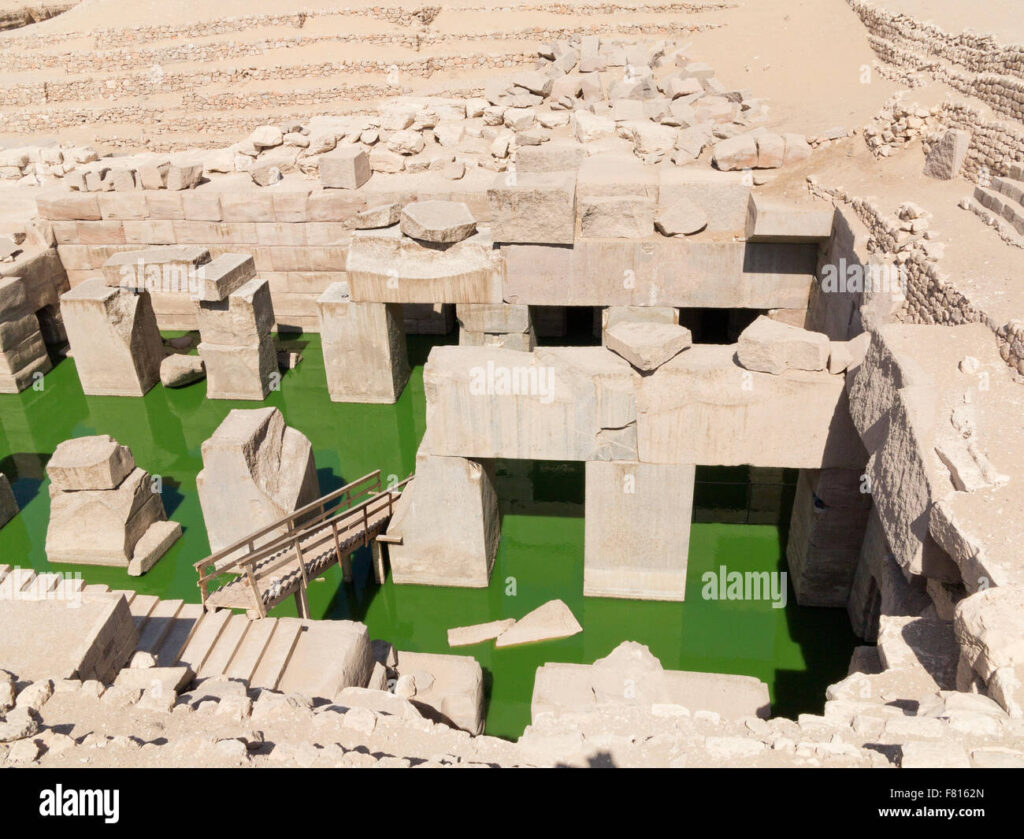
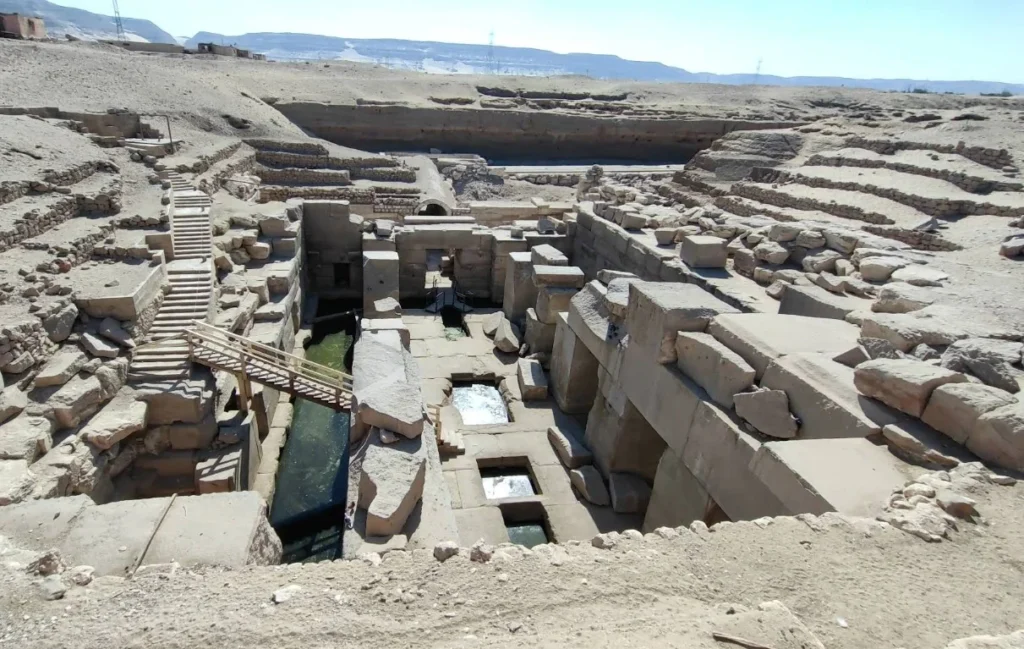
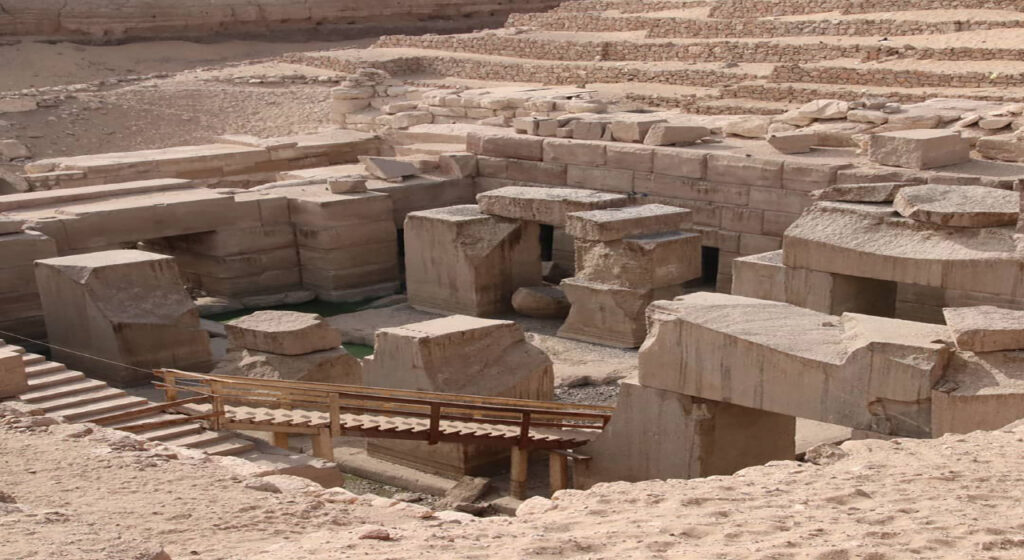
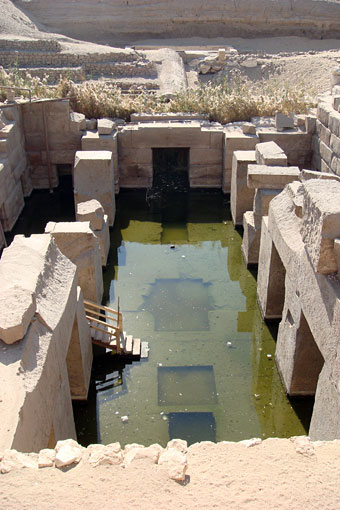
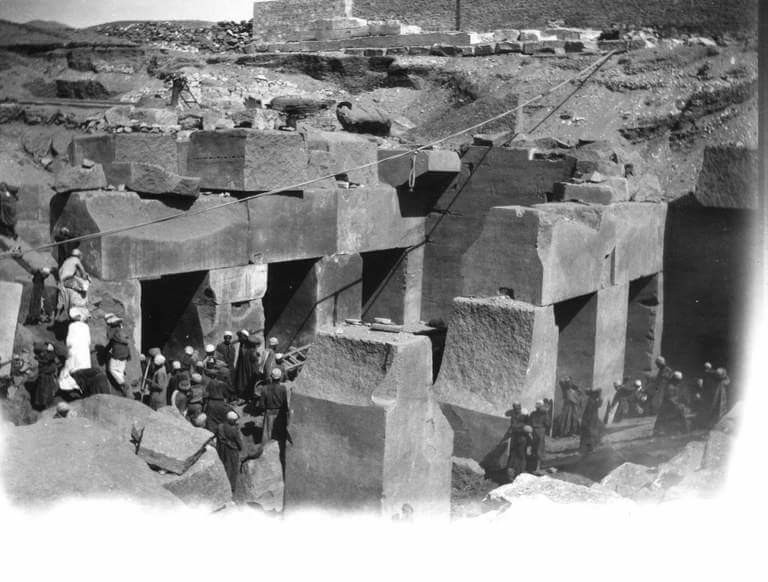
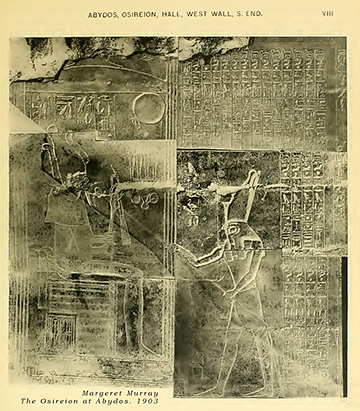
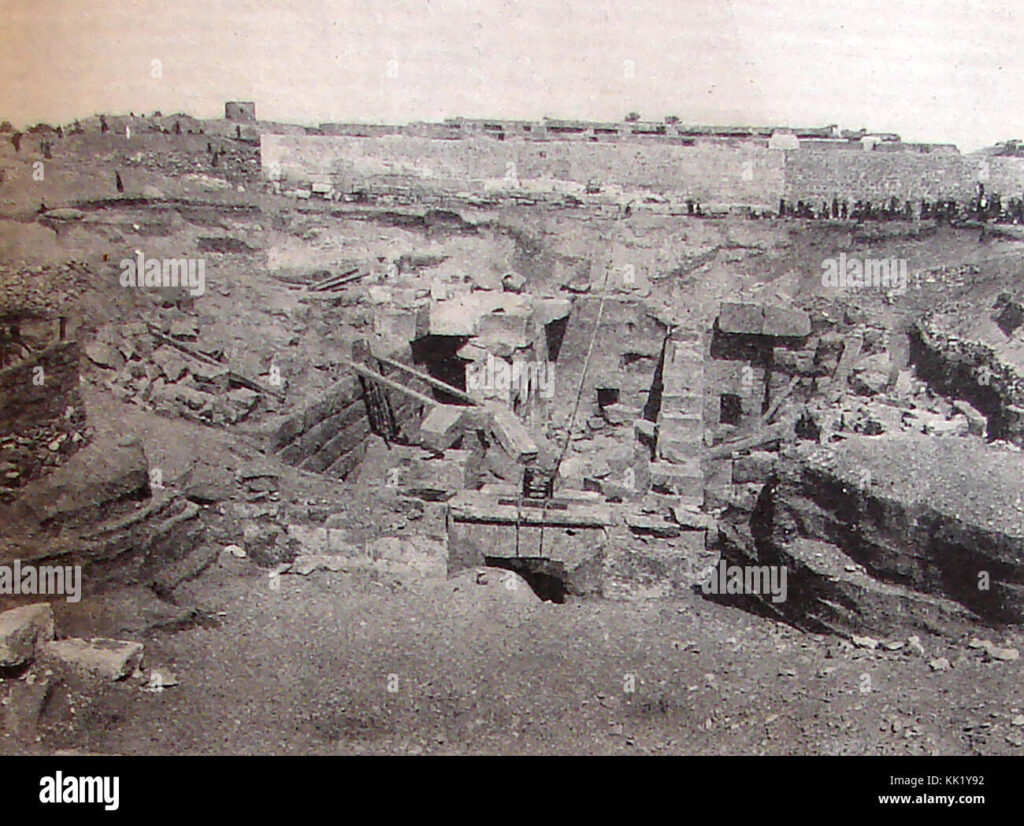
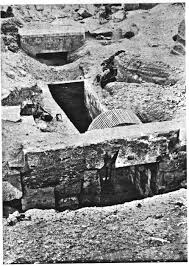
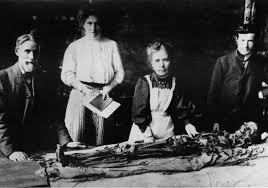
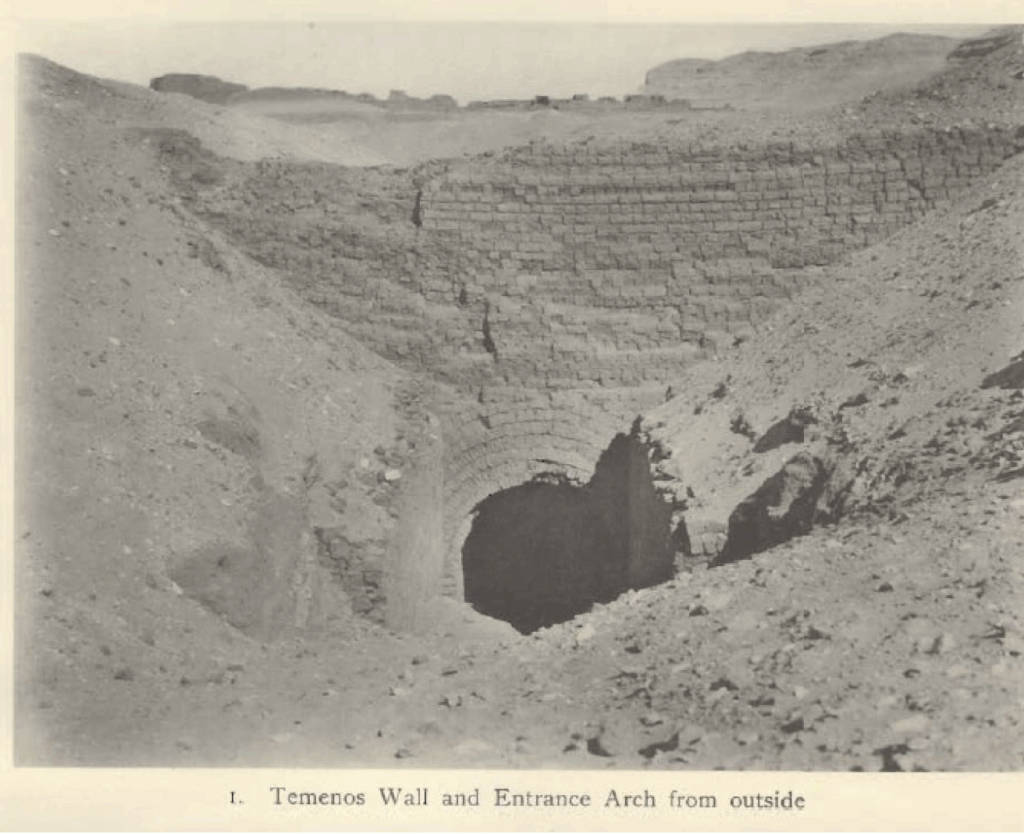
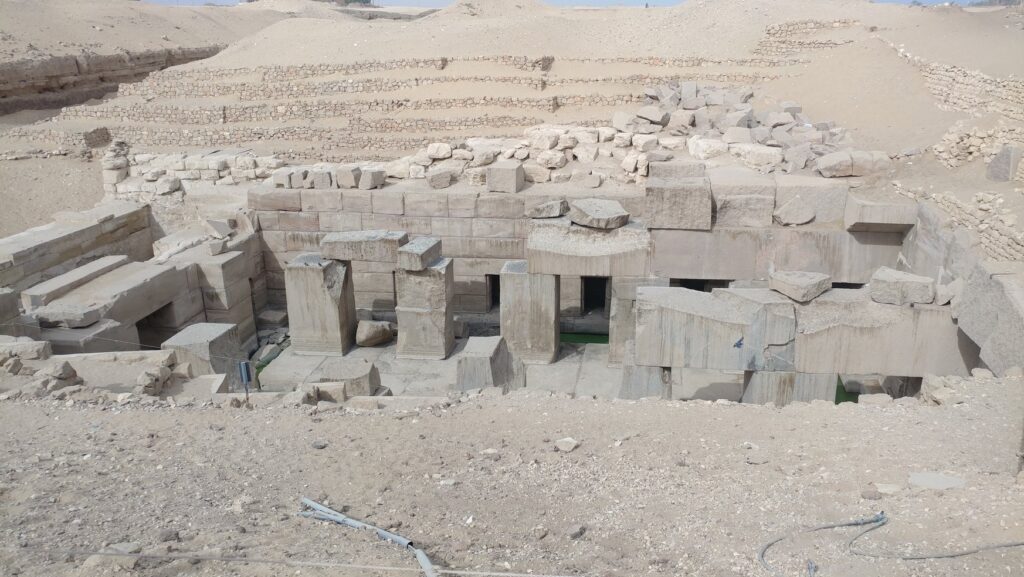
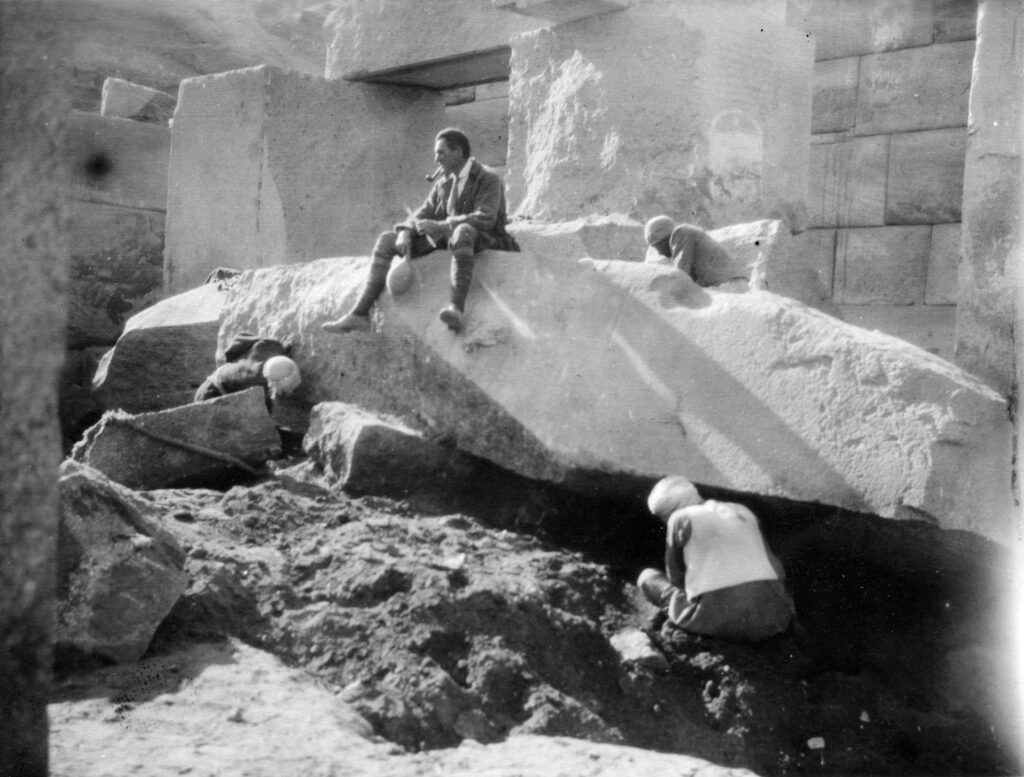
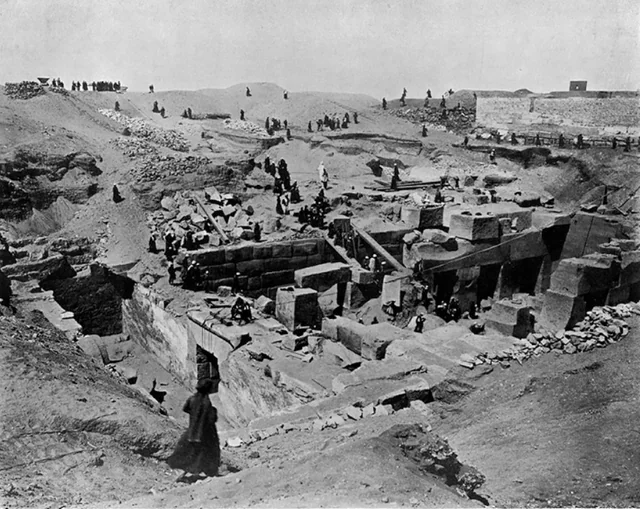
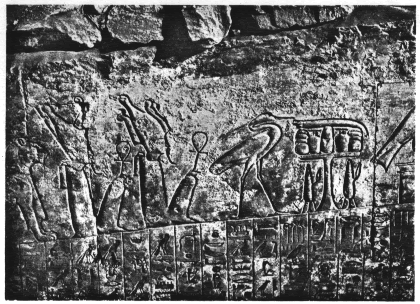
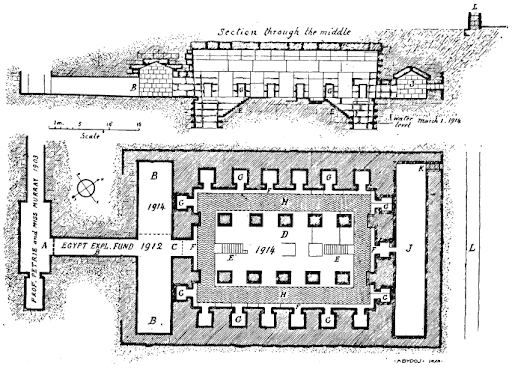
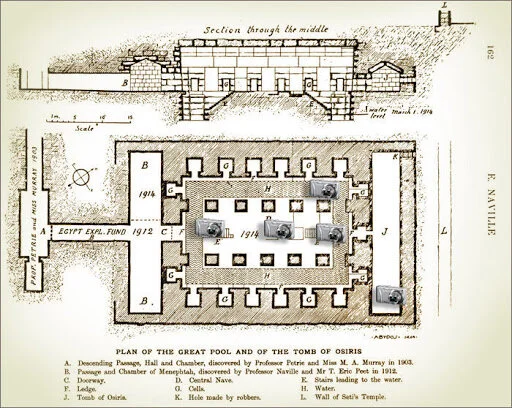
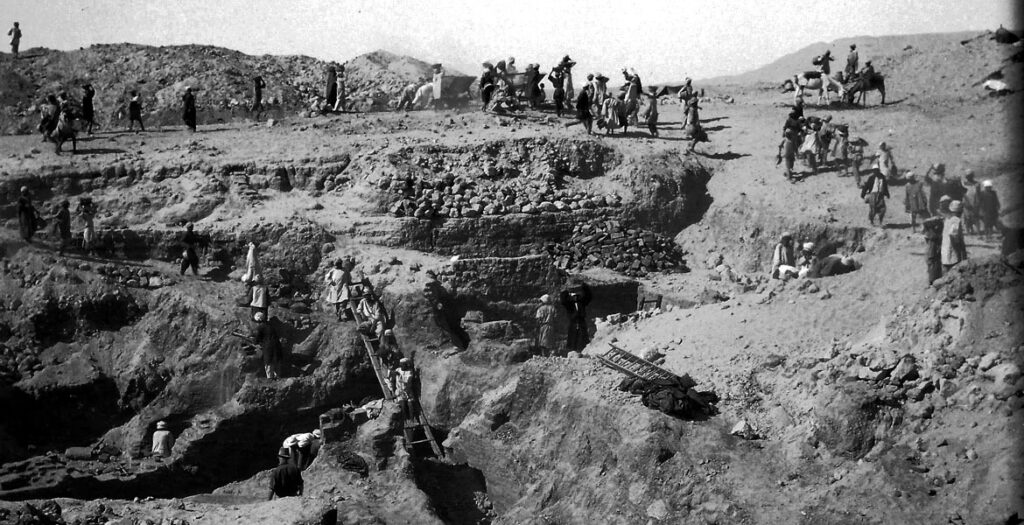
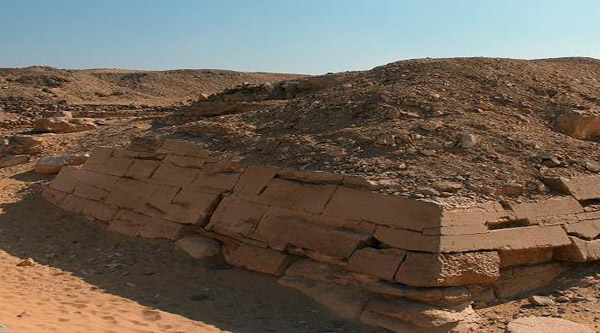
Abydos Helicopter Hieroglyphs – Egypt Tours PortalAbydos King List – Egypt Tours PortalAbydos Royal Tombs – Egypt Tours PortalComponents of the Abydos Temple – Egypt Tours PortalOLYMPUS DIGITAL CAMERAAWIB-ISAW: Khasekhemwy Monument (I)One of the massive walls belonging to Khasekhemwy’s monument, or ritual precinct, where ceremonies would have occured during the king’s life as his tomb was being constructed. It has been left standing for thousands of years as an animal necropolis, supposed burial place of Osiris, and eventually even a monastic settlement. by Kyera Giannini (2009)copyright: 2009 Kyera Giannini (used with permission)photographed place: Abdju (Abydos) [http://pleiades.stoa.org/places/756512]Published by the Institute for the Study of the Ancient World as part of the Ancient World Image Bank (AWIB). Further information: [http://www.nyu.edu/isaw/awib.htm].“The cenotaph, known as the Osireion, built by the 13th century BC pharaoh Seti I (also Sethos I, Sethi I, Sety I and Menmaatre) which occupies the west corner of his temple at Abydos. The water symbolised the water of creation while on an island in the centre stood a sarcophagus and chest for the pharaohaas organs. Begun by Seti I but completed by his son, Ramesses II (also Ramses, Rameses, Ramesses the Great and Usermaatre-setpenre), the temple of Seti I at Abydos is one of the finest buildings in Egypt.”The Osireion at the Temple of Seti l at Abydos . Egypt .Seated man is possibly Henri Frankfort (1897-1954), field director of the excavations in Abydos from 1925-1929 Egypt Exploration Society excavations at Abydos, Egypt, 1920s