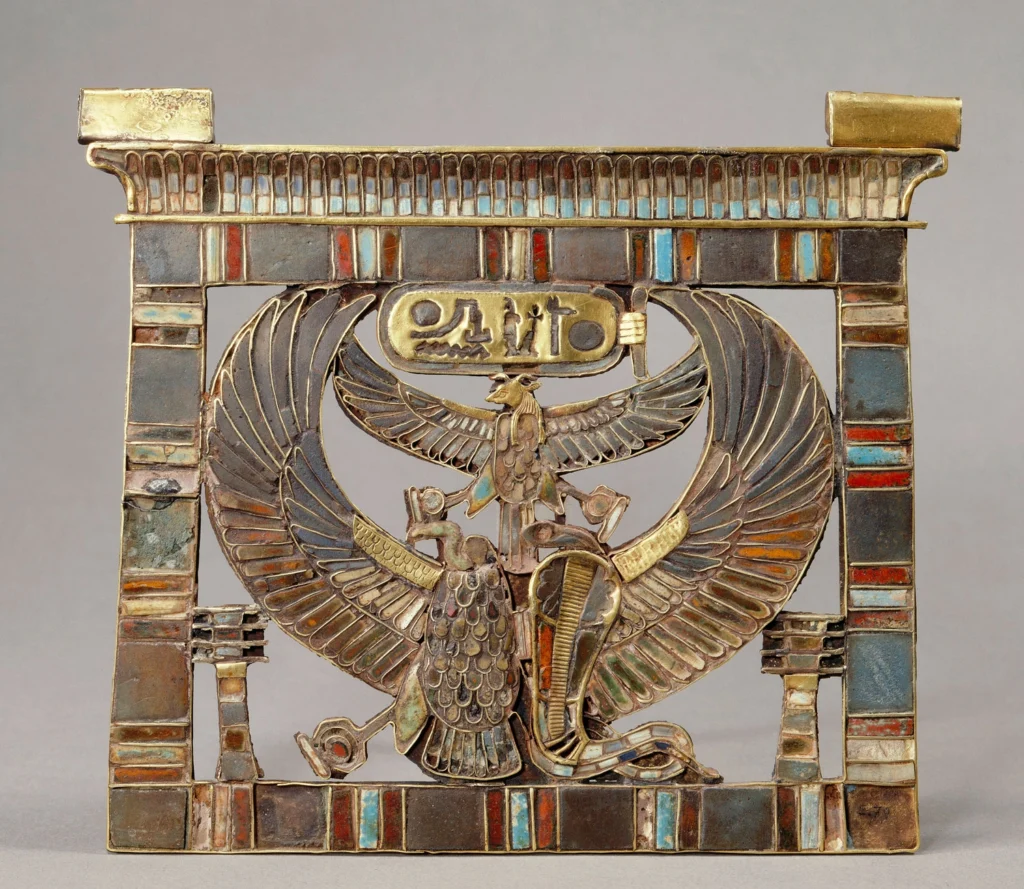
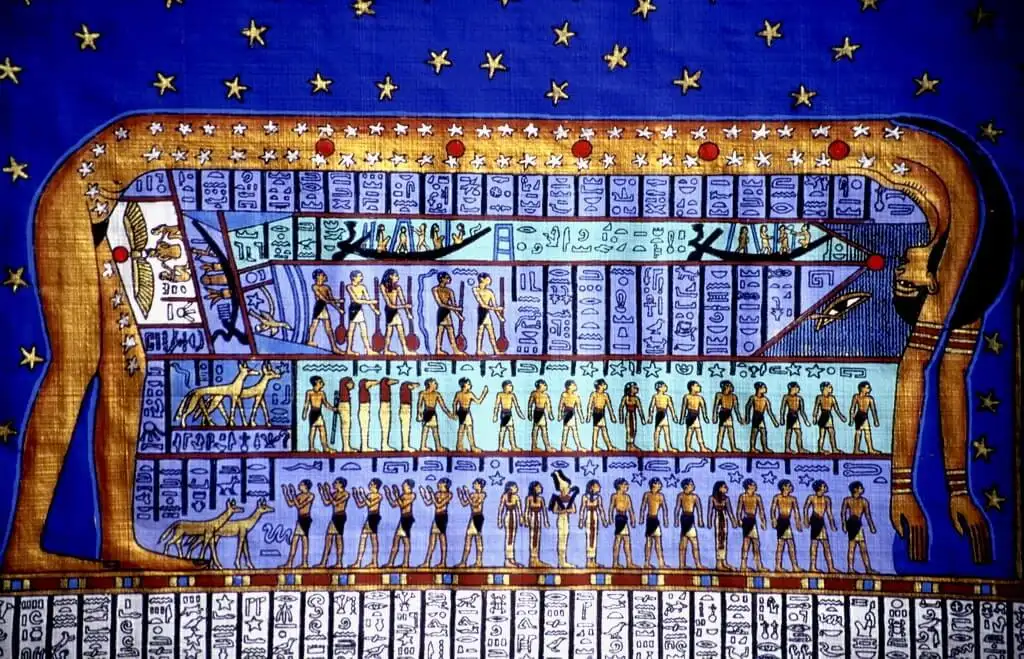
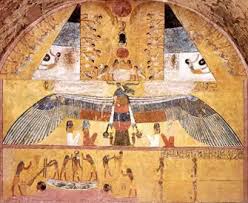
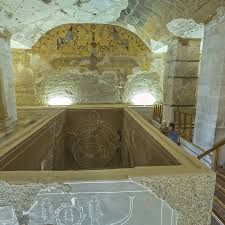
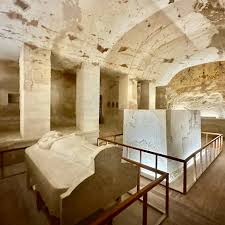
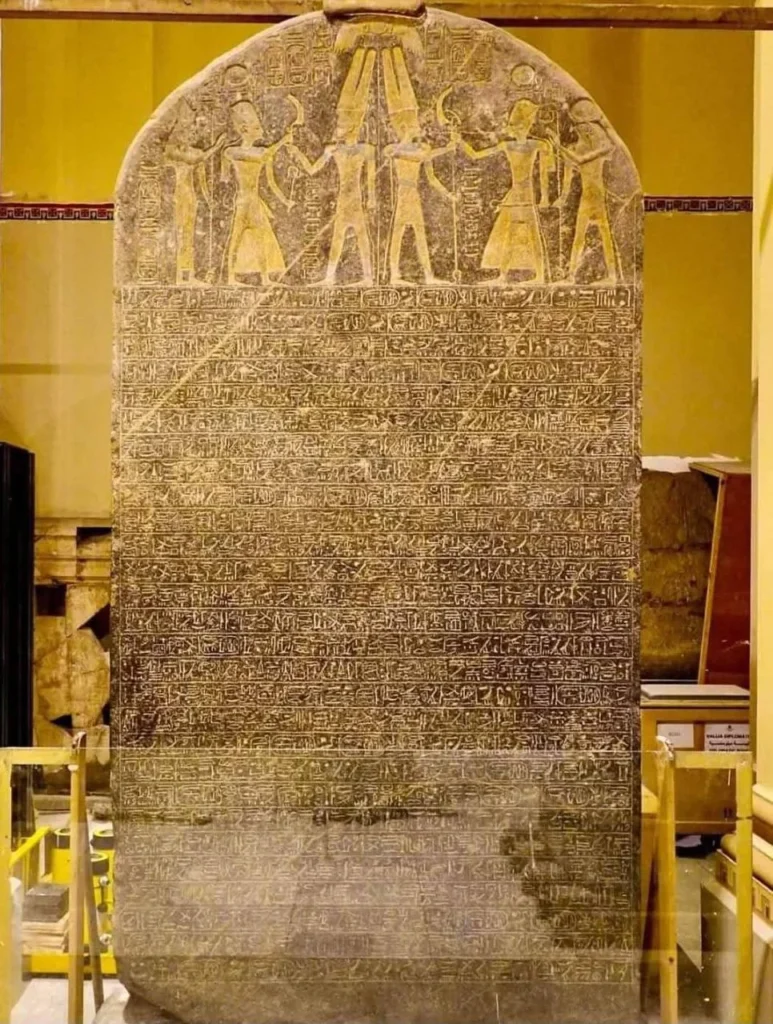
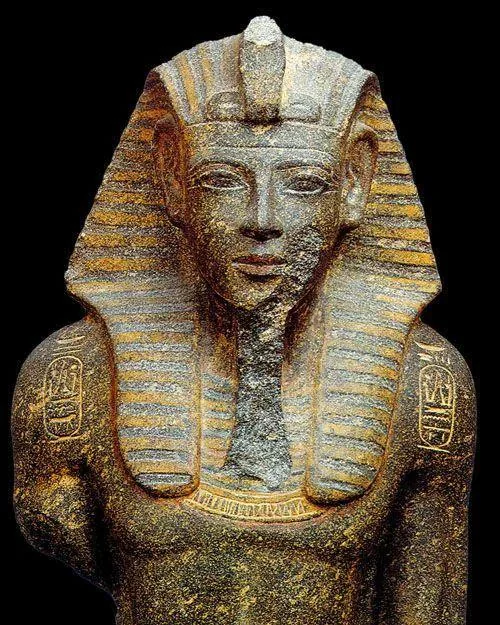
I always was interested in Egypt since we made the clay model of the sphinx in elementary school. I never could understand why it was so complicated and why no one could put it together. I went through each of the pharaohs and looked up all of their structures, monuments, artifacts, tombs. I compiled a collection of pictures from the Internet and turned them into a movie so I could finally understand what was going on in ancient Egypt. I hope you find this movie to be revealing that all the cultures in the world are very similar.
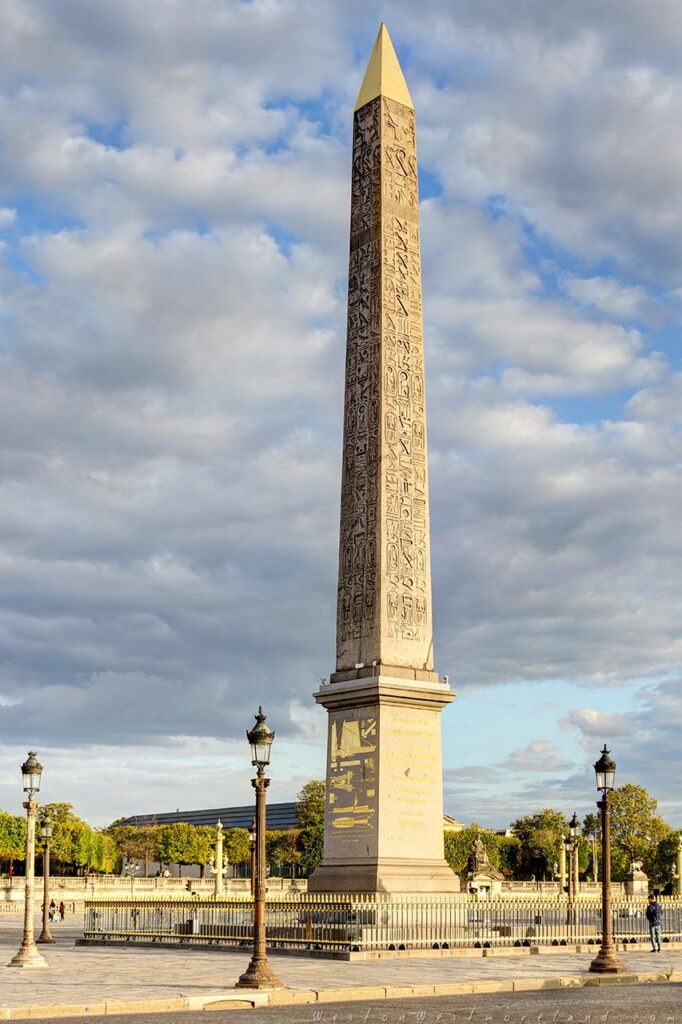
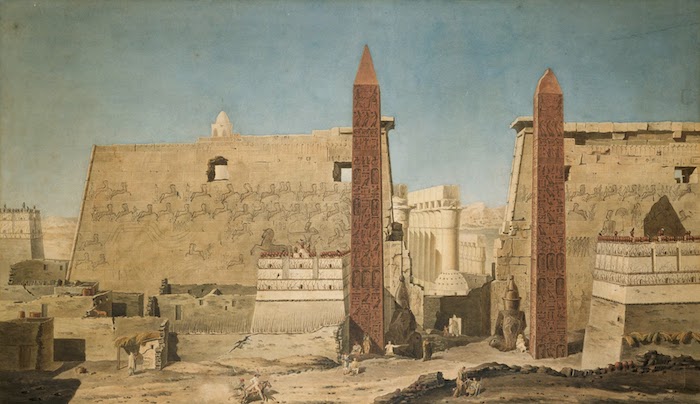
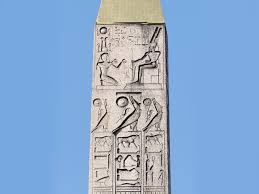
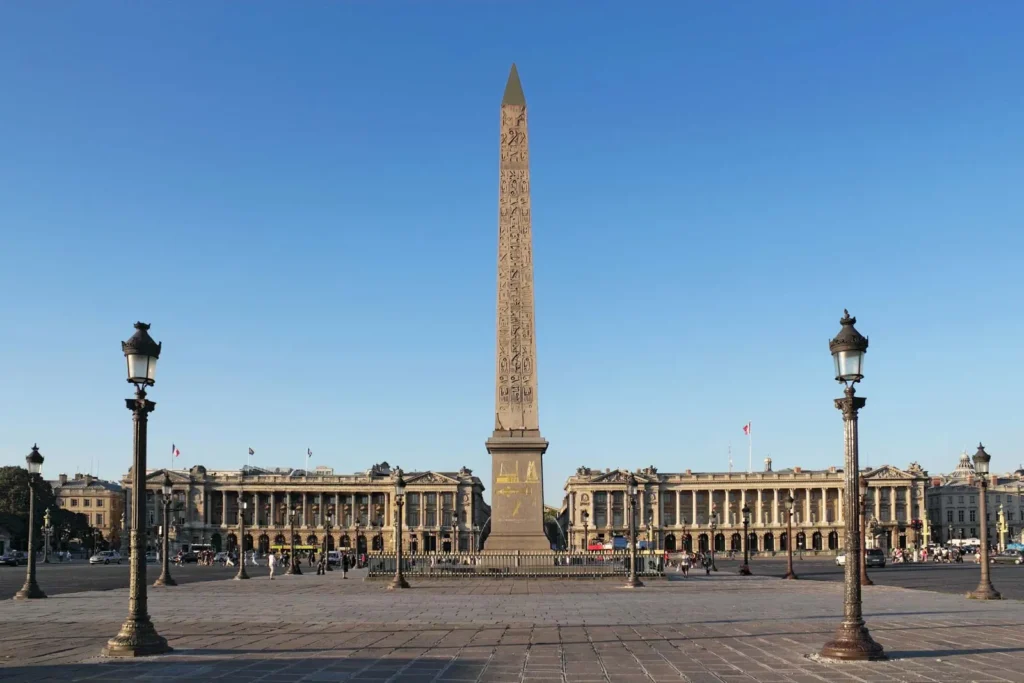
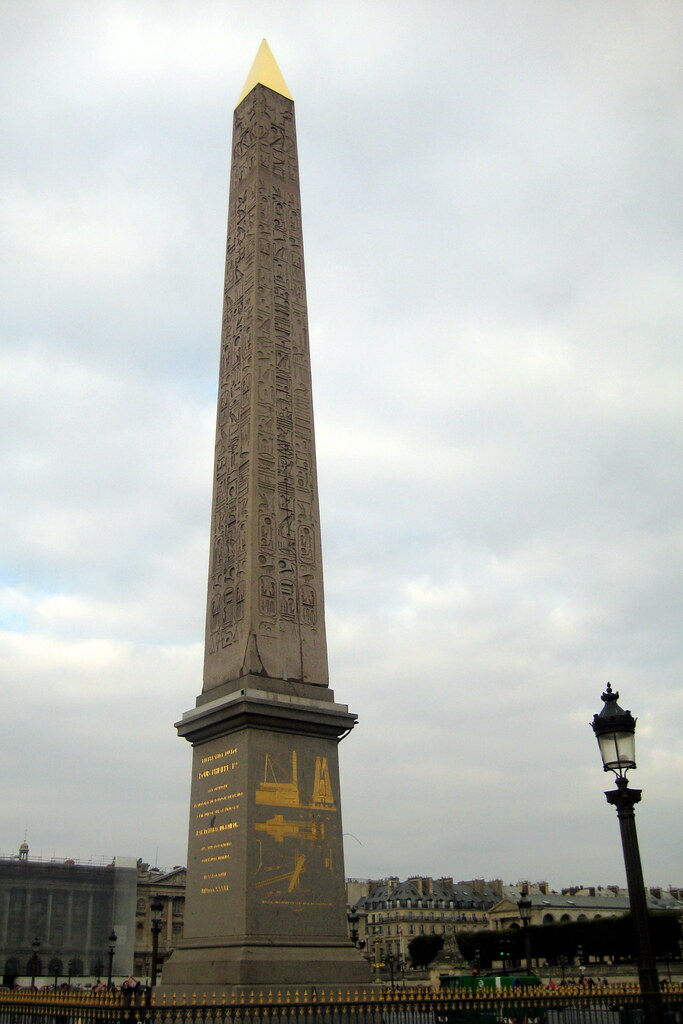
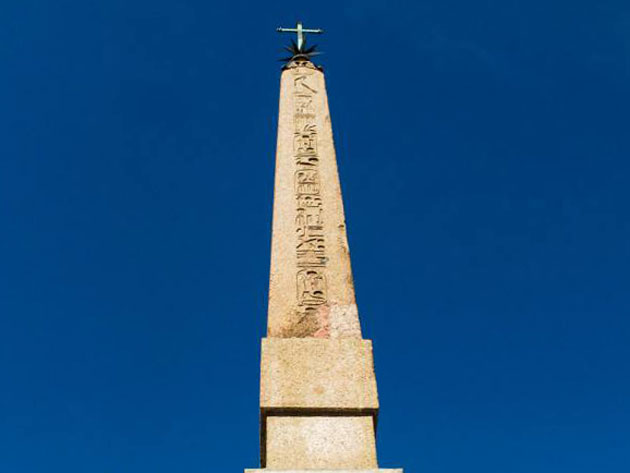
The text visible today is still the original Ramesses II inscription.
A representative translation reads:
“Horus: Mighty Bull, beloved of Ma’at. King of Upper and Lower Egypt Usermaatre-Setepenre, son of Ra Ramesses, beloved of Amun-Ra. He made this monument of red granite for his father Amun-Ra, lord of the thrones of the Two Lands, so that he may grant life, stability, and dominion forever.”
French Text
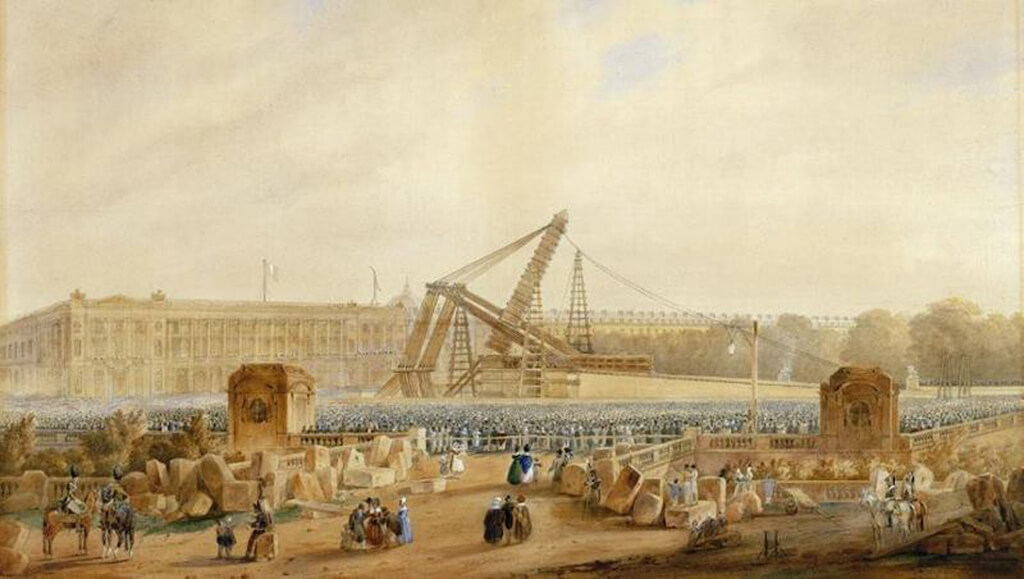
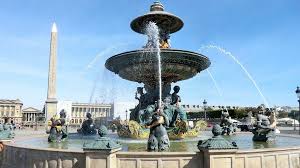
“L’OBÉLISQUE DE LOUQSOR ÉRIGÉ À THÈBES SOUS LE RÈGNE DE RAMESSÈS II ENVIRON TREIZE SIÈCLES AVANT L’ÈRE CHRÉTIENNE A ÉTÉ DONNÉ À LA FRANCE PAR MÉHÉMET ALI VICE-ROI D’ÉGYPTE ET ÉLEVÉ SUR CETTE PLACE LE 25 OCTOBRE 1836 SOUS LE RÈGNE DE LOUIS-PHILIPPE ROI DES FRANÇAIS.”
English Translation
“The obelisk of Luxor, erected at Thebes under the reign of Ramesses II about thirteen centuries before the Christian era, was given to France by Muhammad Ali, Viceroy of Egypt, and erected in this square on 25 October 1836 during the reign of Louis-Philippe, King of the French.”
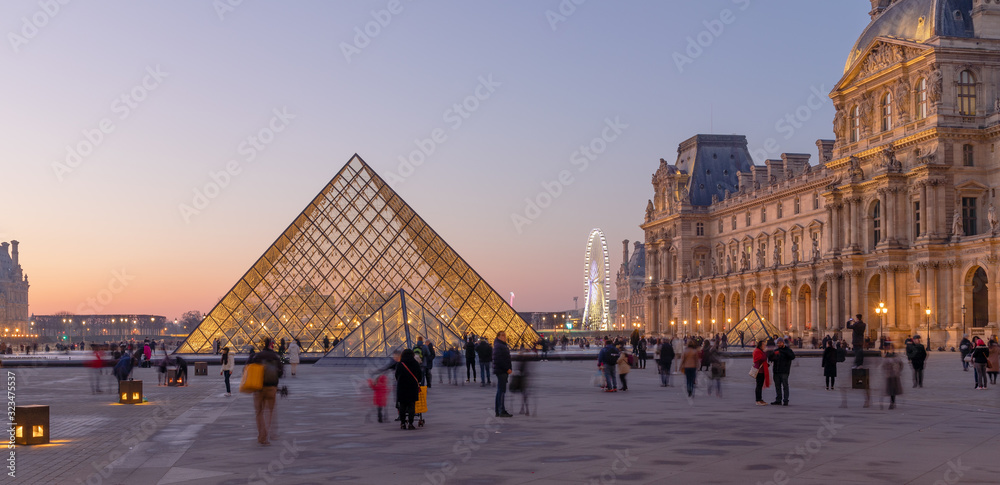
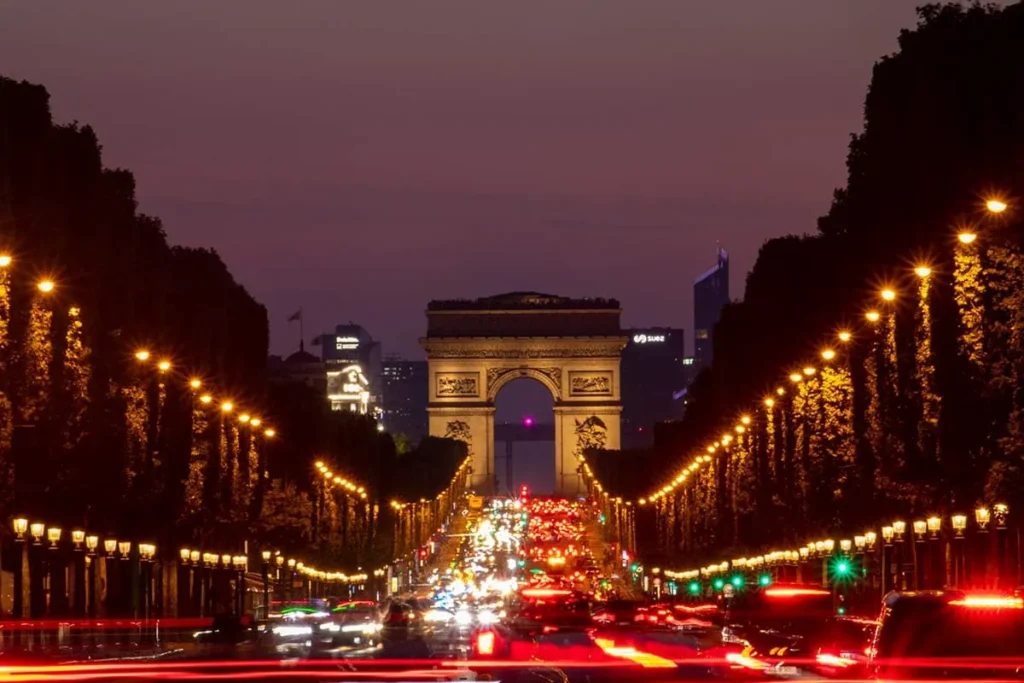
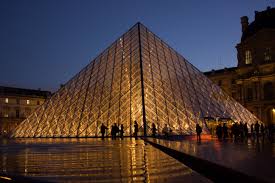
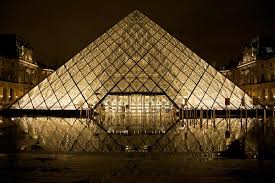
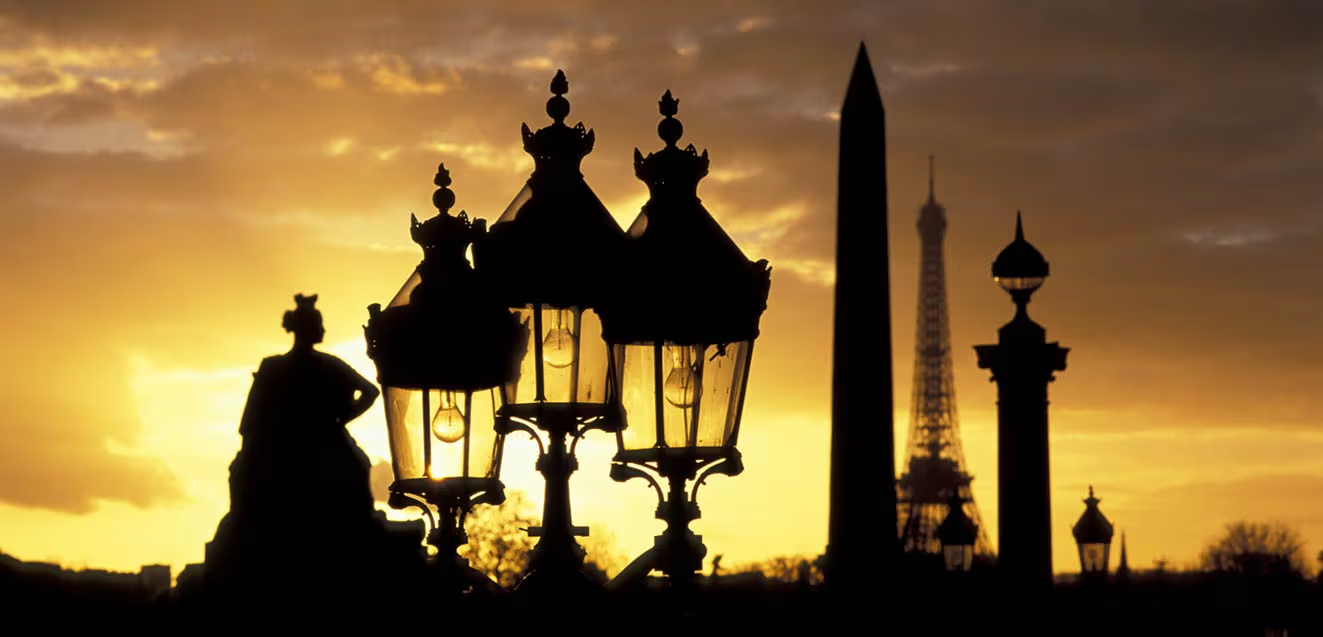
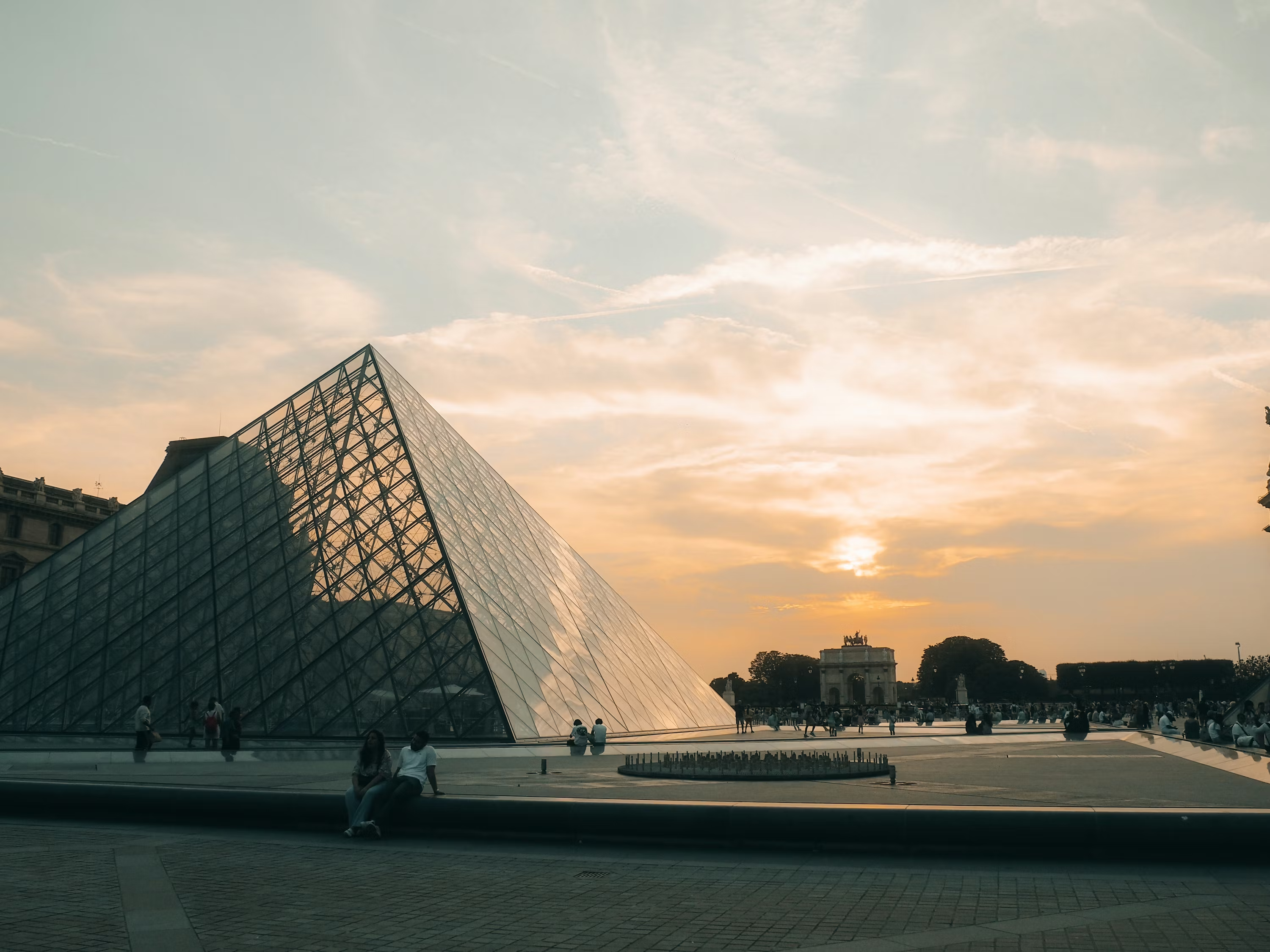
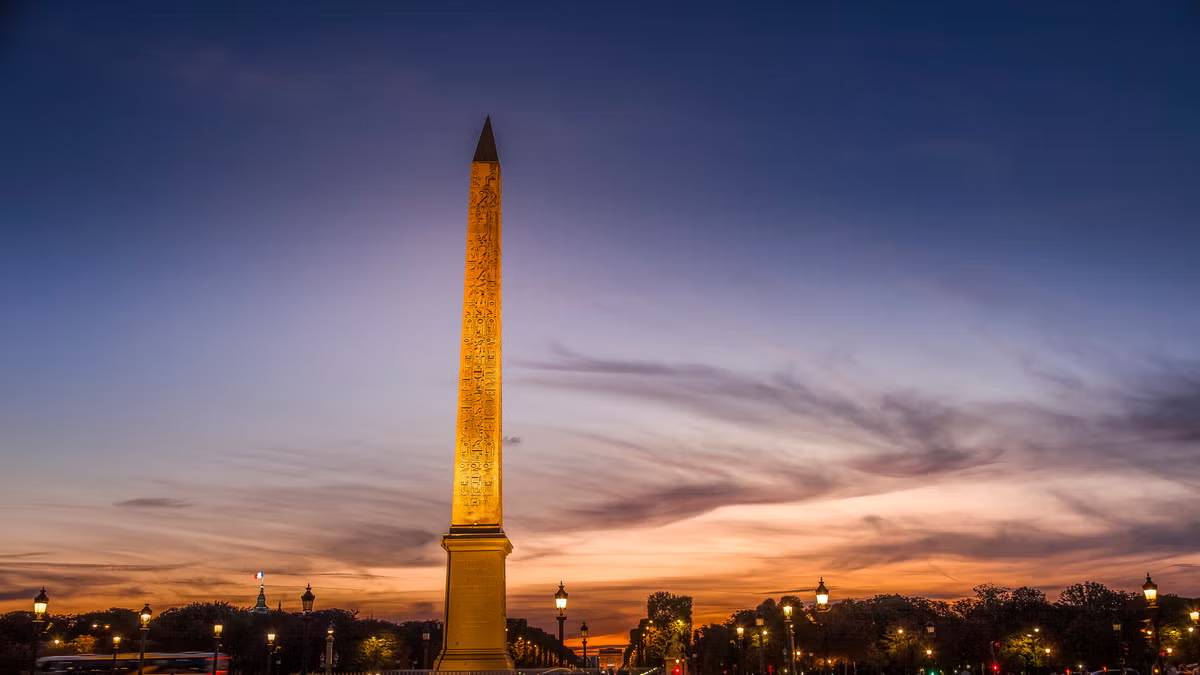
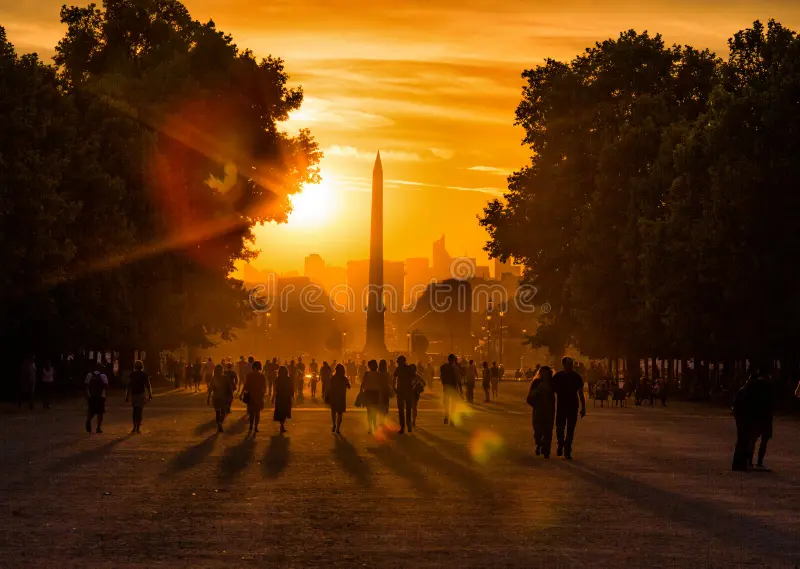
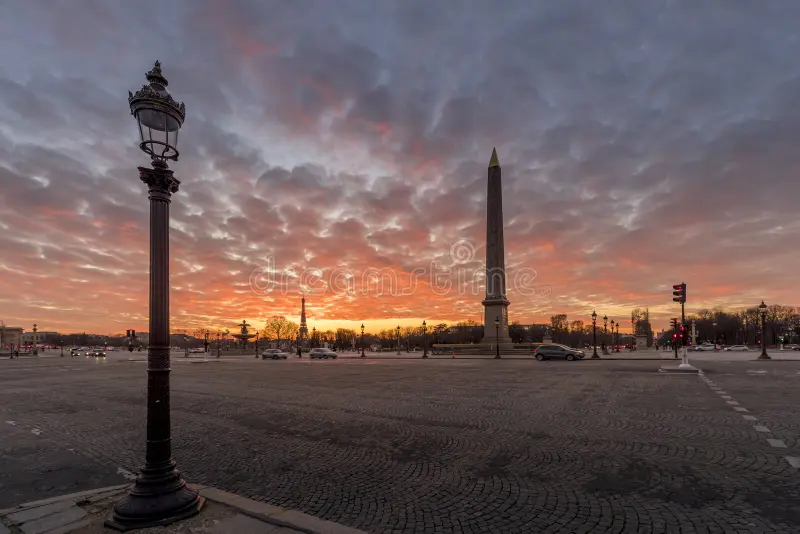
Cloudy day at the place de la Concorde with the Obelisk and Eiffel tower, in Paris, France.Paris, France – July 6, 2013: Illuminated Louvre museum during sunset in Paris. The Pyramid is the main entrance to the Louvre Museum.Salmon-red clouds hovering over l’Obélisque de Louxor at dusk.
“The Horus Mighty Bull, beloved of Maat. The King of Upper and Lower Egypt, Menkheperre (Thutmose III), son of Ra, Thutmose, beloved of Amun. He made this great obelisk of red granite for his father Amun-Ra, lord of the thrones of the Two Lands. May he grant life, stability, and dominion forever.”
Later added lines from Thutmose IV say roughly:
“The King of Upper and Lower Egypt, Menkheperure (Thutmose IV), son of Ra, beloved of Amun. He restored and renewed the monuments of his father Amun and made his name flourish forever.”
Latin
SIXTVS V PONT MAX
OBELISCVM HUNC
A CONSTAN TII FILIO
ALEXANDRIA ROMAM ADVECTUM
ET IN CIRCO MAXIMO POSITUM
EVERSUM AC DIU IACENTEM
IN HANC BASILICAE LATERANENSIS
AREAM TRANSTULIT
ANNO MDLXXXVII
Translation
“Pope Sixtus V, Supreme Pontiff, moved this obelisk, which the Emperor Constantius, son of Constantine, had brought from Alexandria to Rome and placed in the Circus Maximus. After it had fallen and lain there for a long time, he transferred it to the square of the Lateran Basilica in the year 1587.”
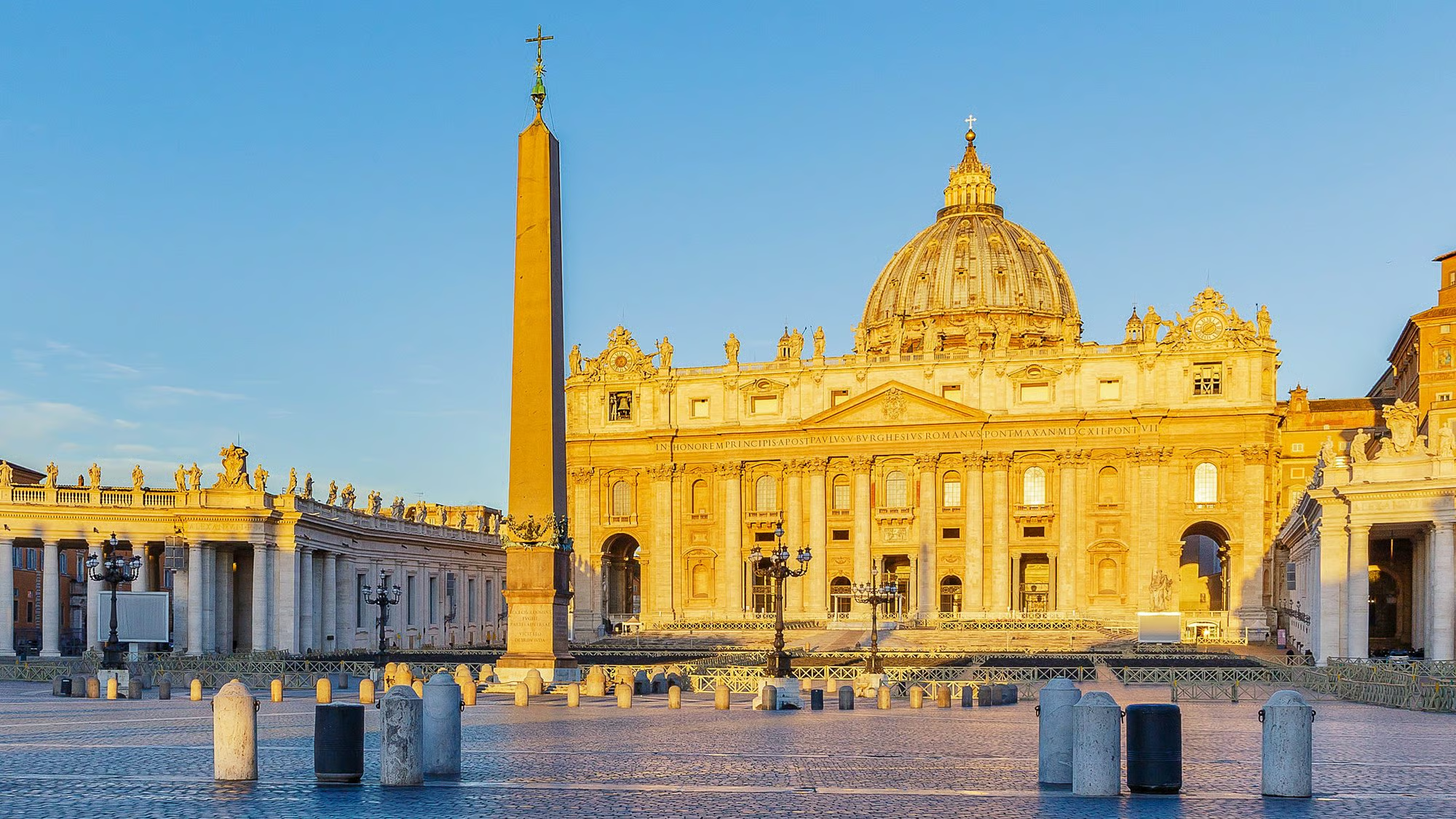
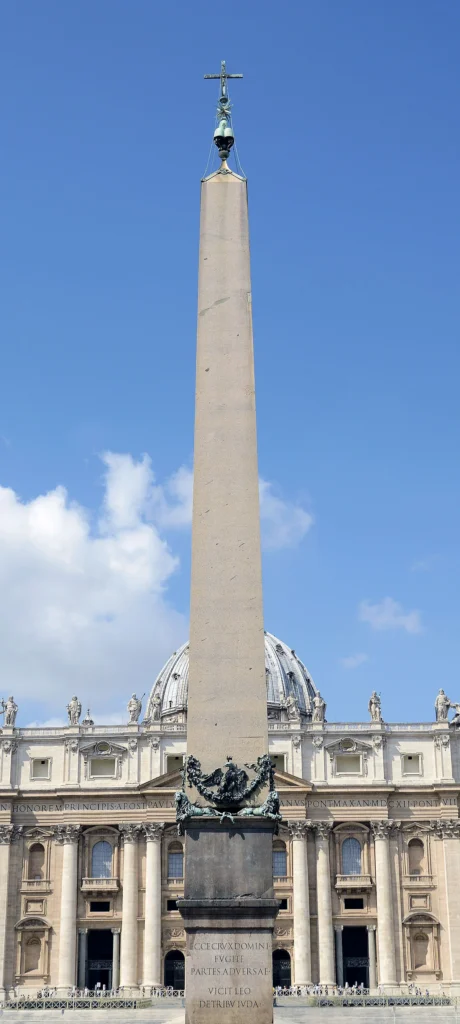
UNKNOWN PHARAOH — #2 VATICAN OBELISK
What was originally written on it
Nothing.
The granite shaft is completely blank — it has no hieroglyphs at all.
Because Egyptian obelisks normally include royal inscriptions, historians believe it was probably:
made for a sun temple at Heliopolis, and
intentionally left plain or never inscribed.
This means no Egyptian text survives to translate.
Latin inscription currently on the pedestal
One of the principal inscriptions reads:
Latin
ECCE CRUX DOMINI
FUGITE PARTES ADVERSAE
VICIT LEO DE TRIBU IUDA
Translation
“Behold the Cross of the Lord. Flee, hostile powers. The Lion of the tribe of Judah has conquered.”
This Christian inscription symbolically “consecrated” the pagan monument.
Another inscription on the base commemorates the pope who raised it:
“Sixtus V, Supreme Pontiff, restored this obelisk to the Vatican in 1586.”
What “Consecrated” Means
To consecrate something means:
to make it sacred for a new religious purpose
to dedicate it formally to God
When Pope Sixtus V raised the obelisk in 1586, he symbolically converted it from an Egyptian monument into a Christian monument.
How They Did This
Several changes were made:
A Christian cross placed on top of the obelisk
Latin inscriptions praising Christ
The monument placed in St. Peter’s Square, the center of Catholic Christianity.
One of the inscriptions reads:
“Behold the Cross of the Lord. Flee hostile powers. The Lion of the tribe of Judah has conquered.”
This was meant to show that Christianity had triumphed over earlier religions.
In the Renaissance, the papacy wanted to:
reclaim ancient Roman monuments
show the victory of Christianity over pagan Rome and Egypt
decorate the great squares of Rome
So instead of destroying ancient monuments, they reinterpreted them with Christian symbolism.
✅ Simple summary
“Consecrated the pagan monument” = An ancient Egyptian religious monument was rededicated and symbolically turned into a Christian monument.
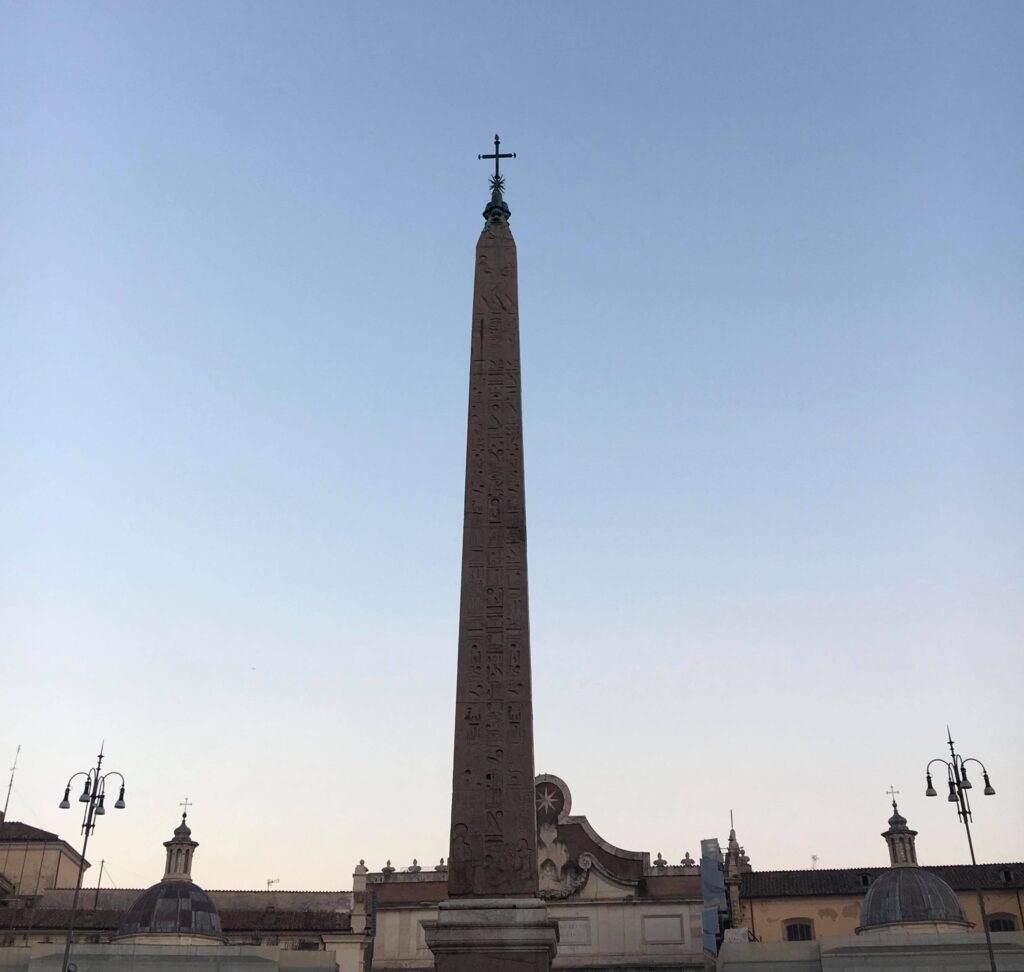
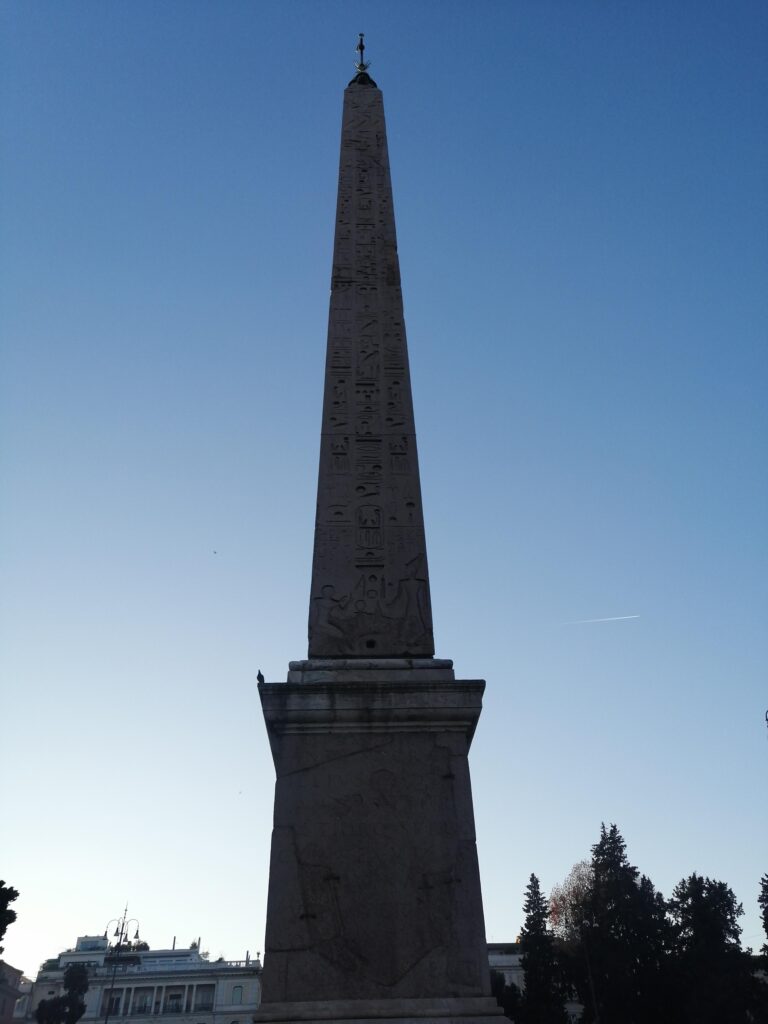
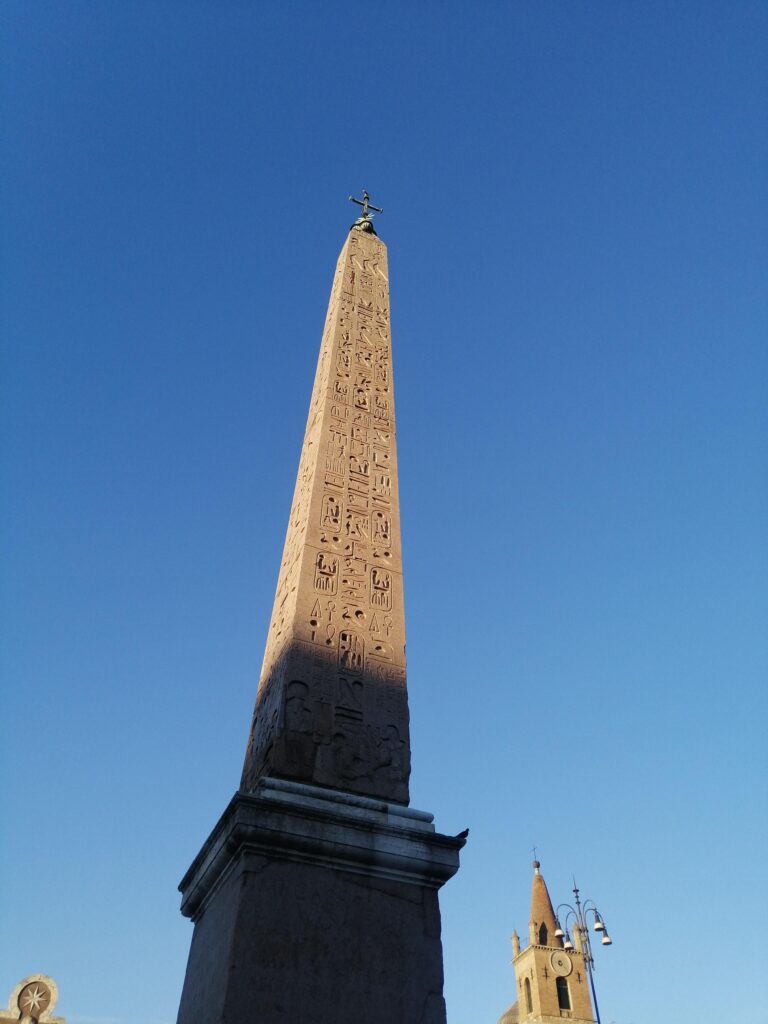
131ST PHARAOH SETI I — #3 FLAMINIO OBELISK
The hieroglyphs visible today are essentially the same Seti I + Ramesses II inscriptions carved in Egypt.
A representative translation reads roughly:
“Horus: Mighty Bull, beloved of Ma’at. The King of Upper and Lower Egypt Menmaatre (Seti I), son of Ra, beloved of Ra-Horakhty. He made this monument of red granite for his father Ra, lord of Heliopolis, so that his name might endure forever.”
The added lines of Ramesses II say approximately:
“The King of Upper and Lower Egypt Usermaatre-Setepenre (Ramesses II), beloved of Ra-Horakhty. He completed the monuments of his father and made his name flourish forever.”
Latin Inscription
“SIXTVS V PONT MAX OBELISCVM HUNC A CAESARE AVGVSTO EX AEGYPTO ROMAM ADVECTVM IN CIRCO MAXIMO POSITVM EVERSVM ET DIU IACENTEM EREXIT ANNO MDLXXXIX”
English Translation
“Pope Sixtus V, Supreme Pontiff, raised this obelisk which Caesar Augustus had brought from Egypt to Rome and placed in the Circus Maximus. After it had fallen and lain there for a long time, he erected it again in the year 1589.”
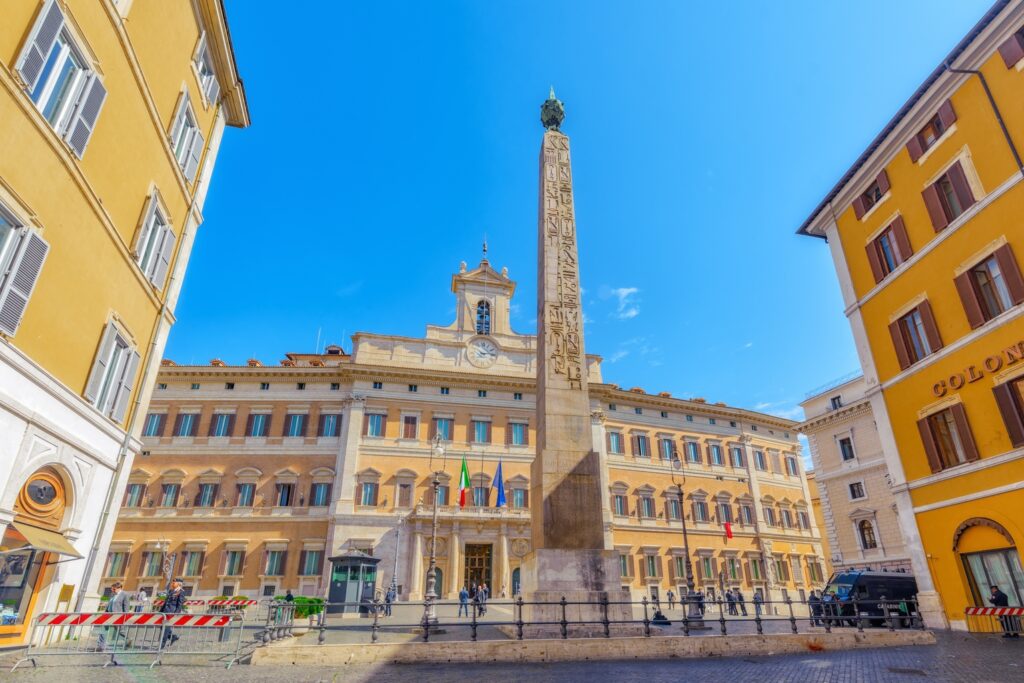
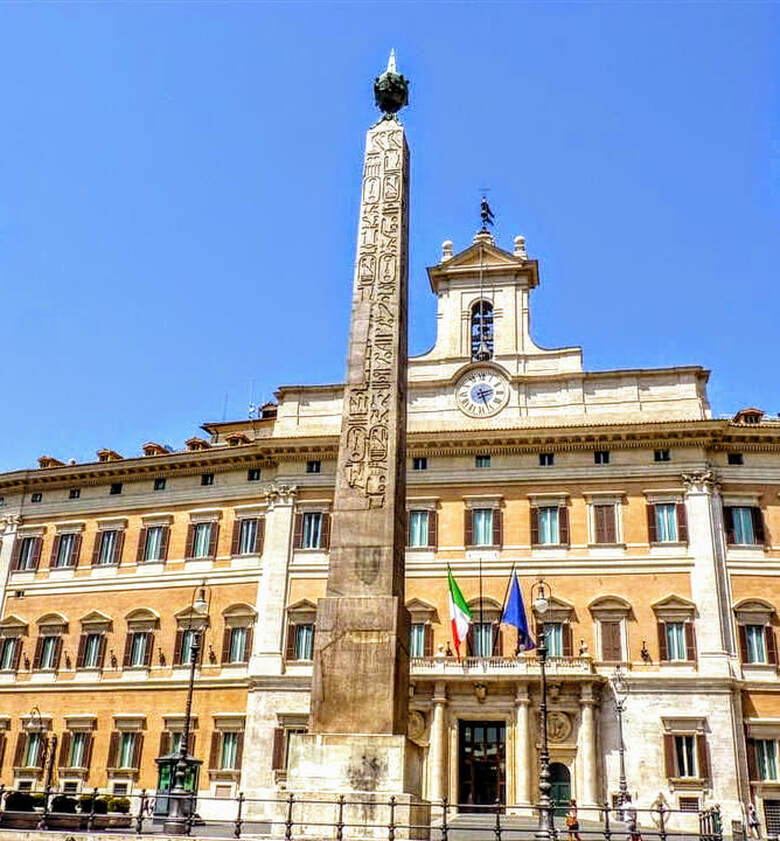
179TH PHARAOH PSAMTIK II — #4 MONTE CITORIO OBELLISK
The hieroglyphic text still reads essentially the original Psamtik II dedication.
A simplified translation:
“Horus: Strong Bull appearing in truth. The King of Upper and Lower Egypt Neferibre (Psamtik II), son of Ra, beloved of Ra-Horakhty. He made this monument of red granite for his father Ra, lord of Heliopolis, that he may grant life, stability, and dominion forever.”
Latin text (Augustan dedication)
“IMP CAESAR DIVI F AVGVSTVS PONTIFEX MAXIMVS OBELISCVM SOLI DONVM DEDIT.”
Translation
“The Emperor Caesar Augustus, son of the deified (Julius Caesar), High Priest, gave this obelisk as a gift to the Sun.”
This refers to the sundial dedicated to the sun god.
Another inscription added during the papal restoration reads approximately:
“Pius VI, Supreme Pontiff, restored this obelisk which had collapsed and lay buried for centuries.”
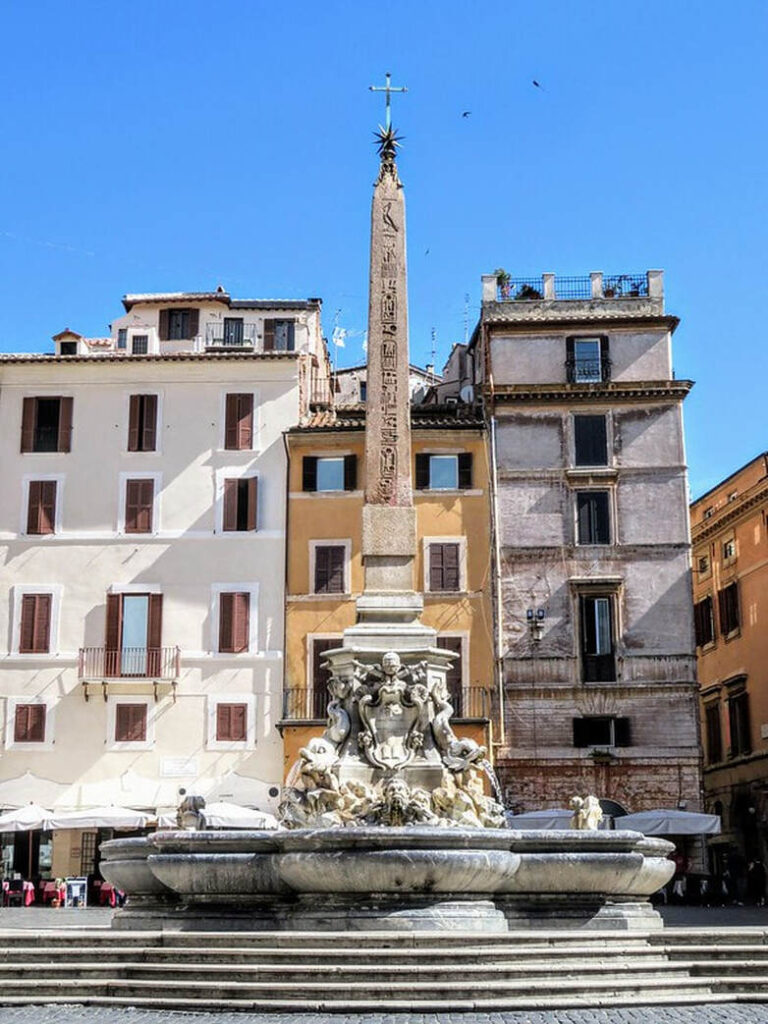
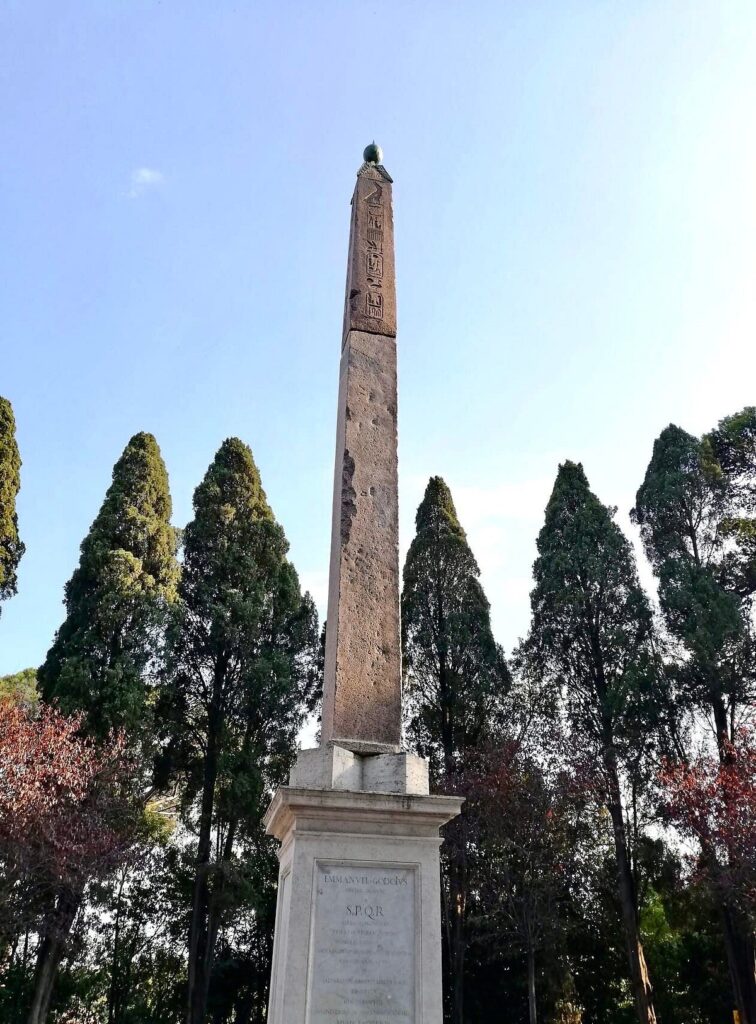
132ND PHARAOH RAMSES II — #5 MACUTEO OBELISK
The hieroglyphs visible today are essentially the same inscriptions carved for Ramesses II.
A representative translation:
“Horus: Mighty Bull, beloved of Ma’at. King of Upper and Lower Egypt Usermaatre-Setepenre, son of Ra Ramesses, beloved of Ra-Horakhty. He made this monument of enduring granite for his father Ra-Horakhty, lord of the Two Lands. May he grant life, stability, and dominion forever.”
Latin text
“CLEMENS XI PONT MAX OBELISCUM A DOMITIANO IN CAMPUM MARTIUM ADVECTUM ORNAMENTO URBIS HIC RESTITUIT ANNO MDCCXI”
Translation
“Pope Clement XI, Supreme Pontiff, restored here this obelisk, which Domitian had brought to the Campus Martius, as an ornament of the city, in the year 1711.”
180TH PHARAOH APRIES — #6 MINERVA OBELISK
OLYMPUS DIGITAL CAMERA
The inscriptions still read essentially the original dedication of Apries.
A simplified translation:
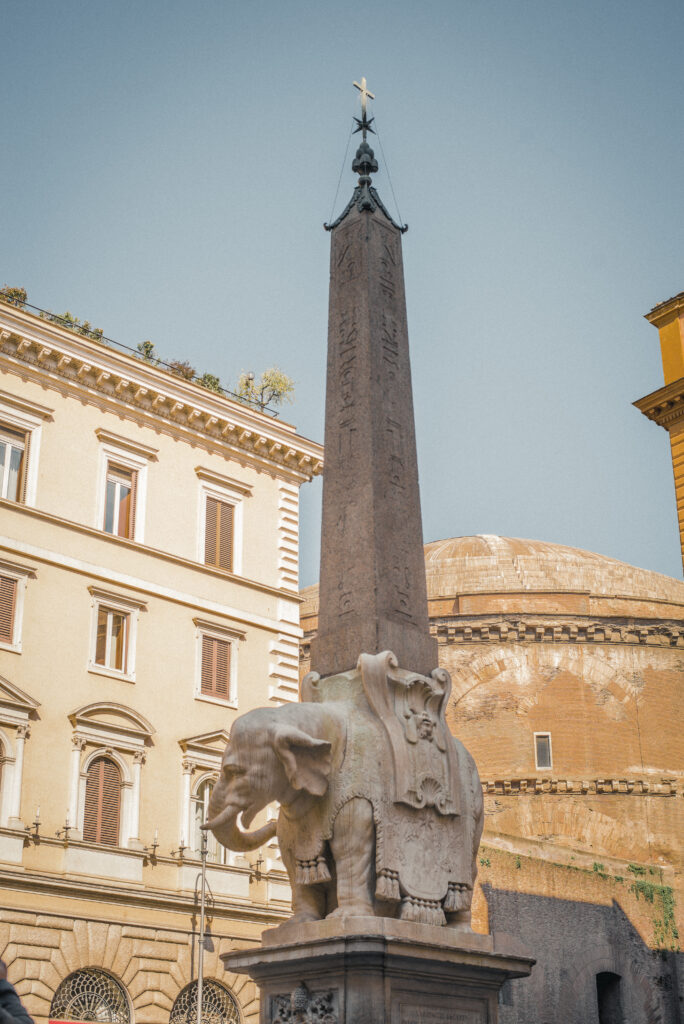
“Horus: Mighty Bull, beloved of Ma’at. King of Upper and Lower Egypt Wahibre (Apries), son of Ra, beloved of Ra. He made this monument of enduring granite for his father Ra, lord of heaven, so that he may grant life forever.”
One of the Latin inscriptions on the pedestal reads:
Latin
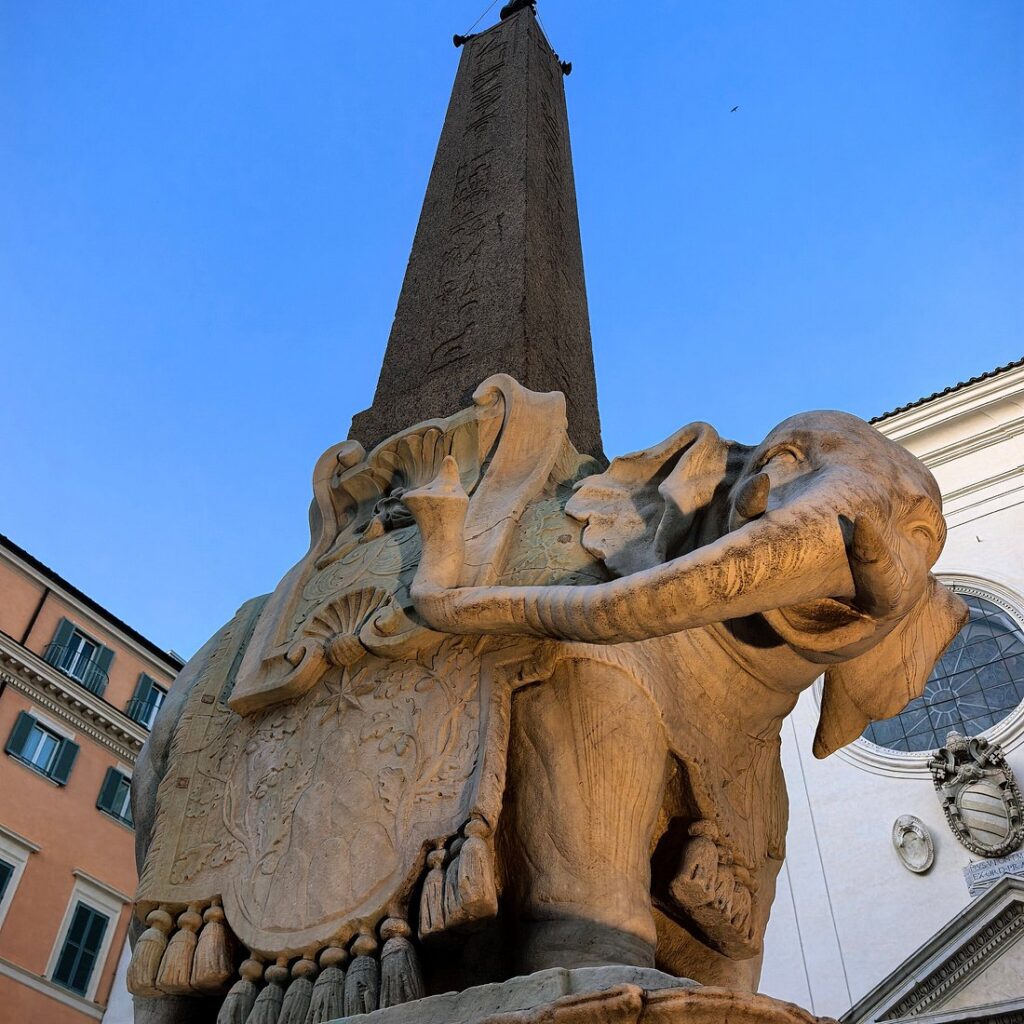
“QUI SAPIENTIAE AEGYPTIAE OBELISCUM ELEPHANTUS HIC SUSTINET DOCUMENTUM INTELLIGE ROBUSTAE MENTIS ESSE SOLIDAM SAPIENTIAM SUSTINERE.”
Translation
“This elephant supports the obelisk of Egyptian wisdom. Understand that it is a sign that a strong mind is needed to support solid wisdom.”
The message reflects a Baroque philosophical idea: the elephant symbolizes strength and intelligence supporting knowledge.
132ND PHARAOH RAMSES II — #7 DOGALI OBELISK
The hieroglyphs visible today still read essentially the original Ramesses II dedication.
A simplified translation:
“Horus: Mighty Bull, beloved of Ma’at. King of Upper and Lower Egypt Usermaatre-Setepenre, son of Ra Ramesses, beloved of Ra-Horakhty. He made this monument of enduring granite for his father Ra-Horakhty, lord of heaven, that he may grant life, stability, and dominion forever.”
Italian text (summary)
It dedicates the monument to the Italian soldiers who died at the Battle of Dogali in 1887 during the Italian colonial war in Eritrea.
Translation (summary)
“To the soldiers who fell at Dogali on 26 January 1887 in service of Italy.”
132ND PHARAOH RAMSES II — #8 MATTEIANO OBELISK
The hieroglyphs are essentially the original Ramesses II titles.
A representative translation:
“Horus: Mighty Bull, beloved of Ma’at. King of Upper and Lower Egypt Usermaatre-Setepenre, son of Ra Ramesses, beloved of Ra-Horakhty. May he live forever like Ra.”
Because the obelisk is small, the inscription is shorter than most Egyptian obelisks.
The only inscriptions carved into the granite shaft are ancient Egyptian hieroglyphs. These include the royal titles of Ramesses II and a dedication to the sun god Ra-Horakhty.
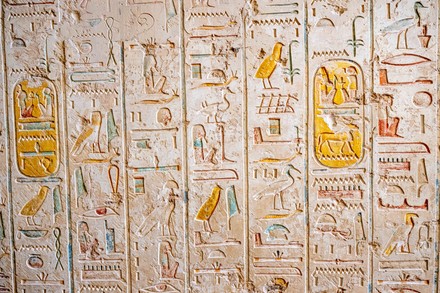
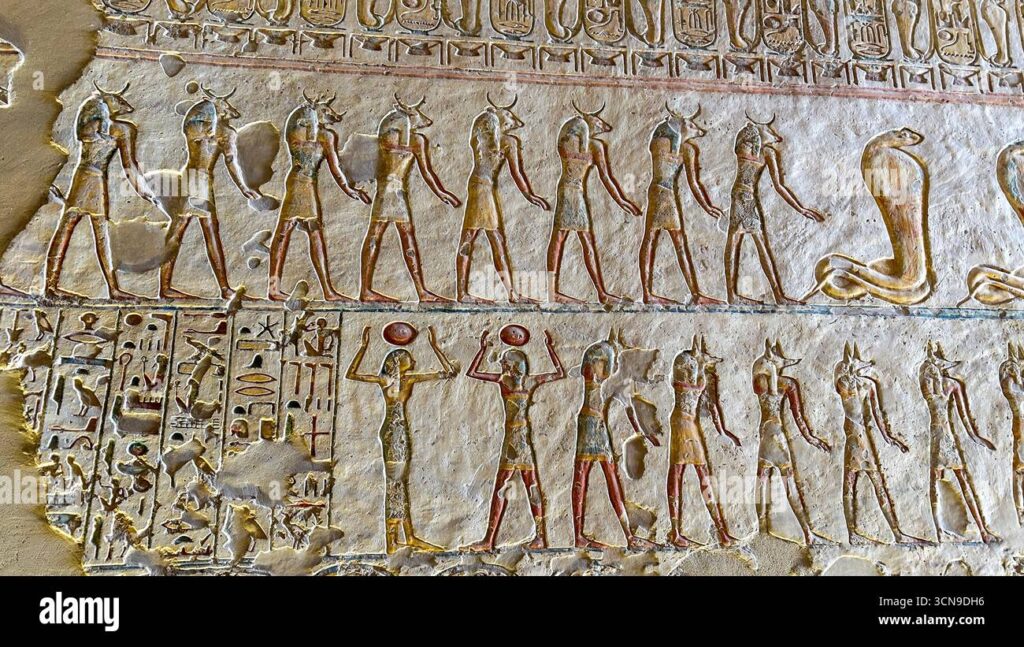
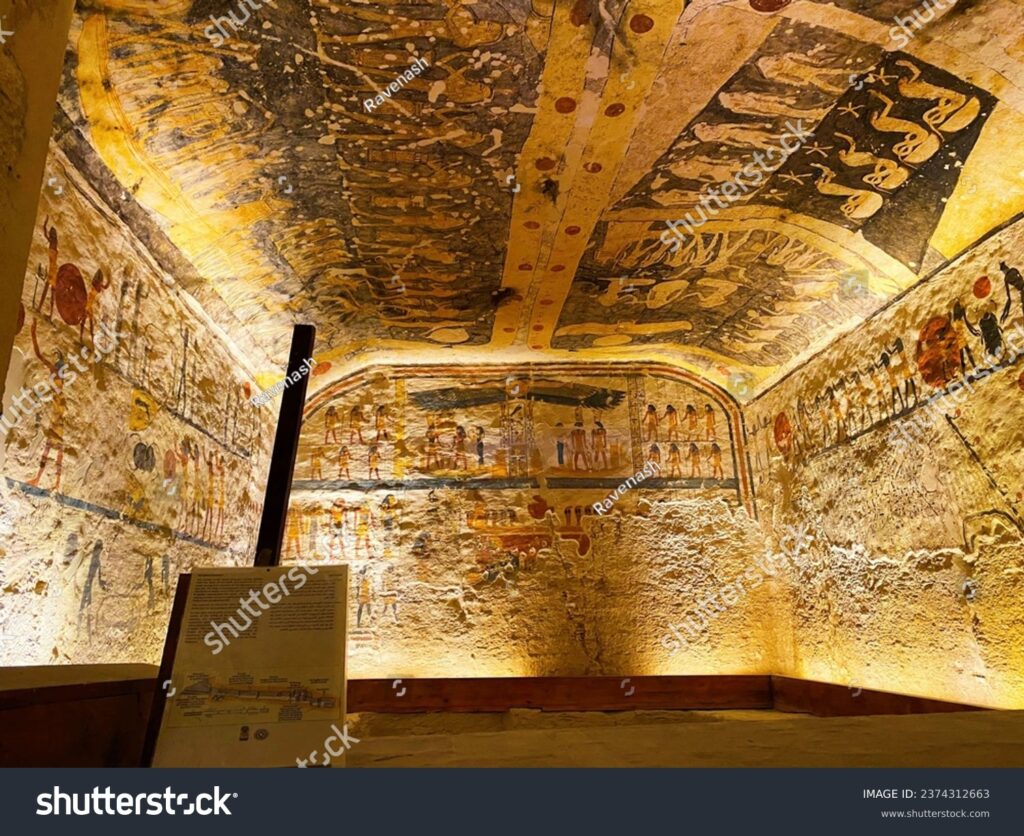
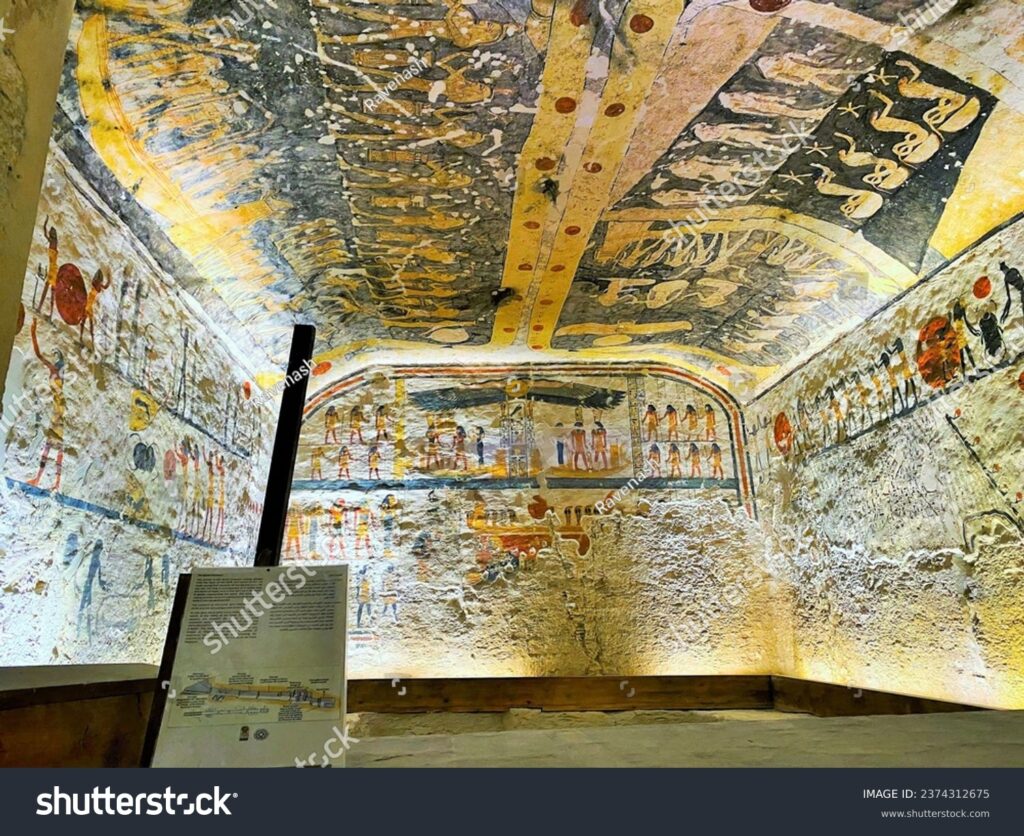
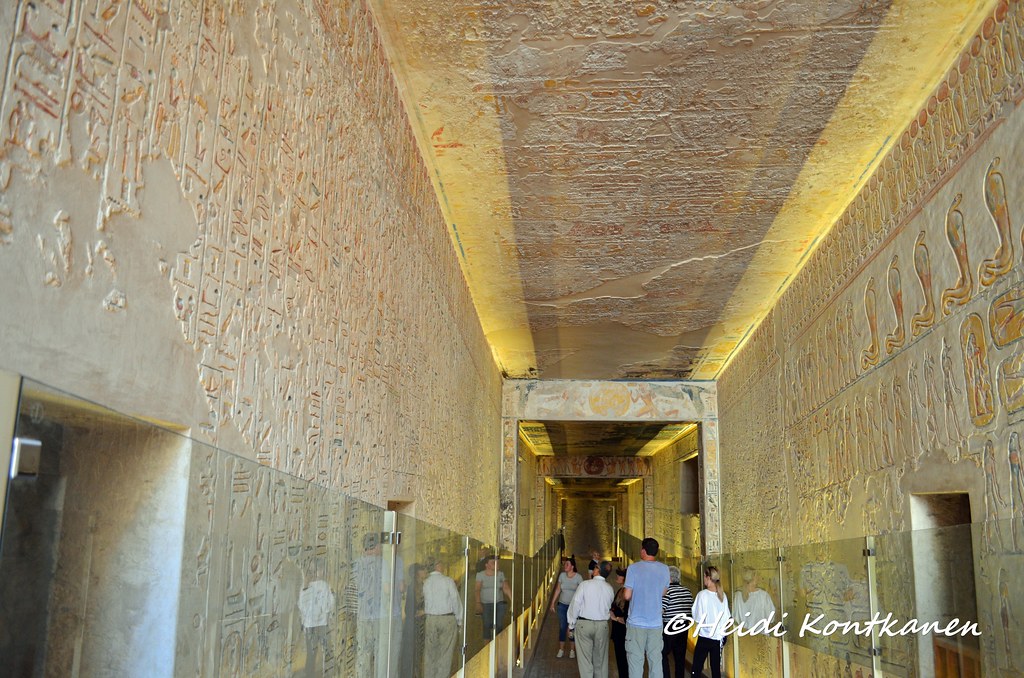
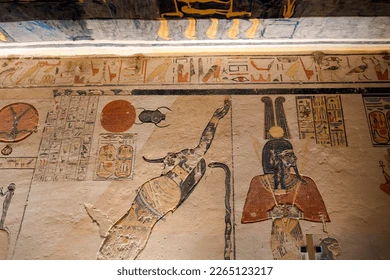
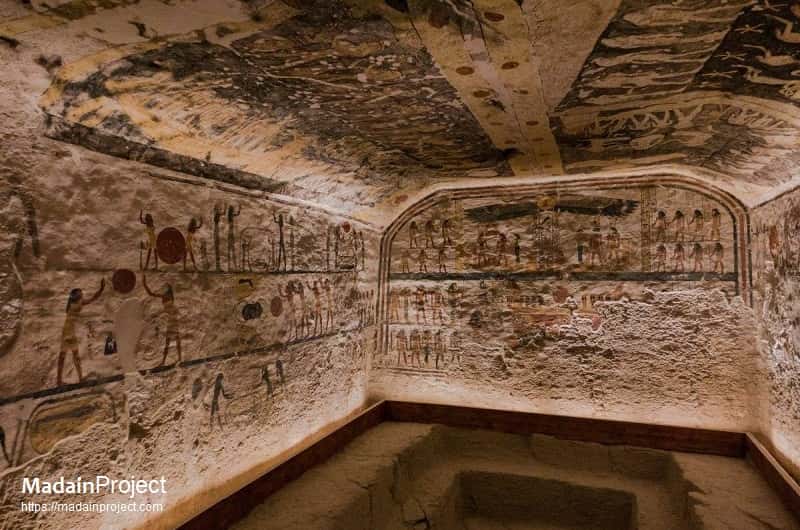
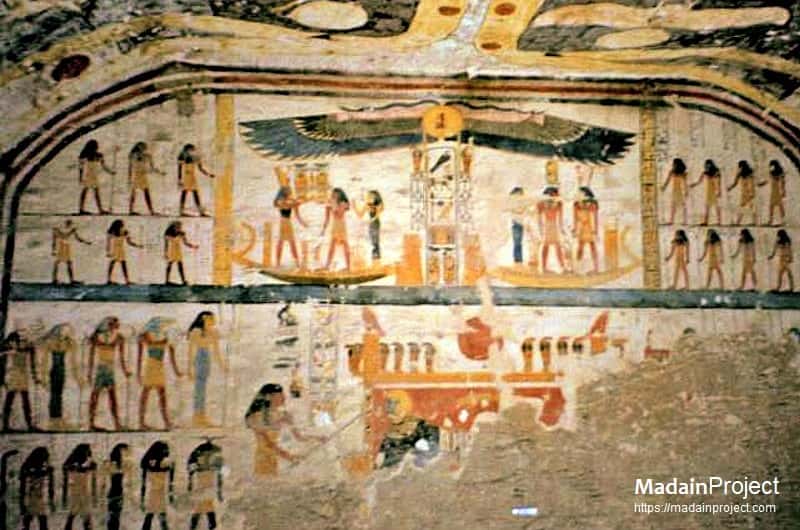
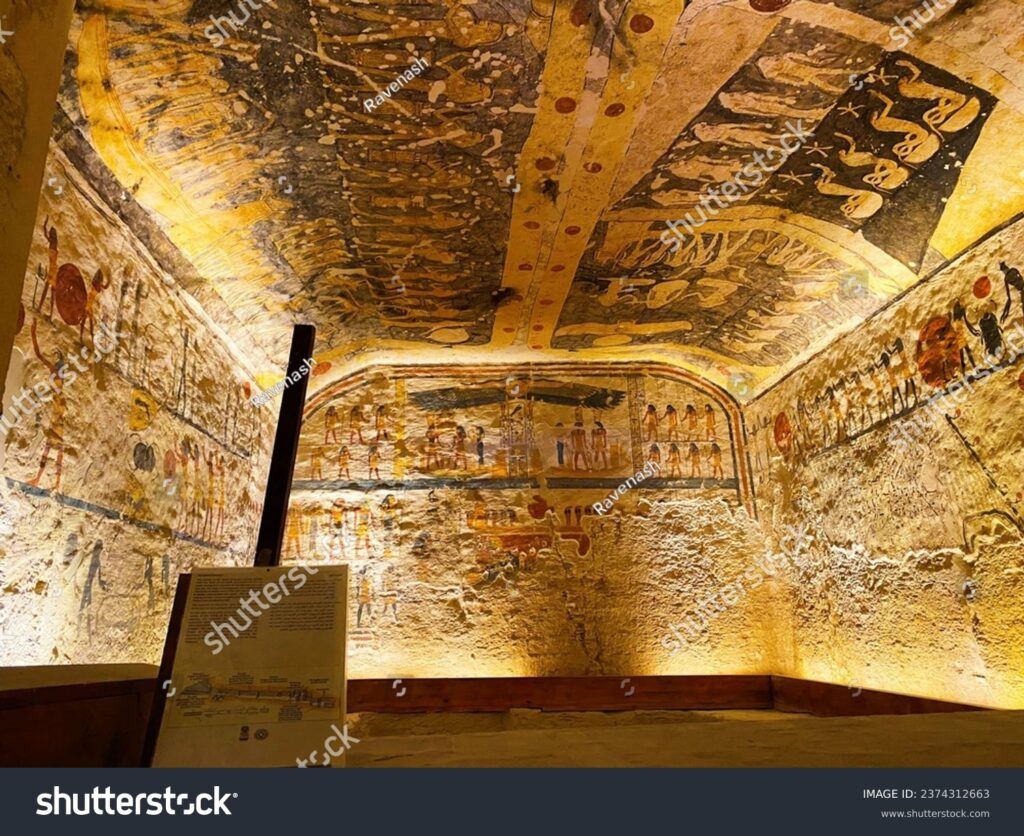
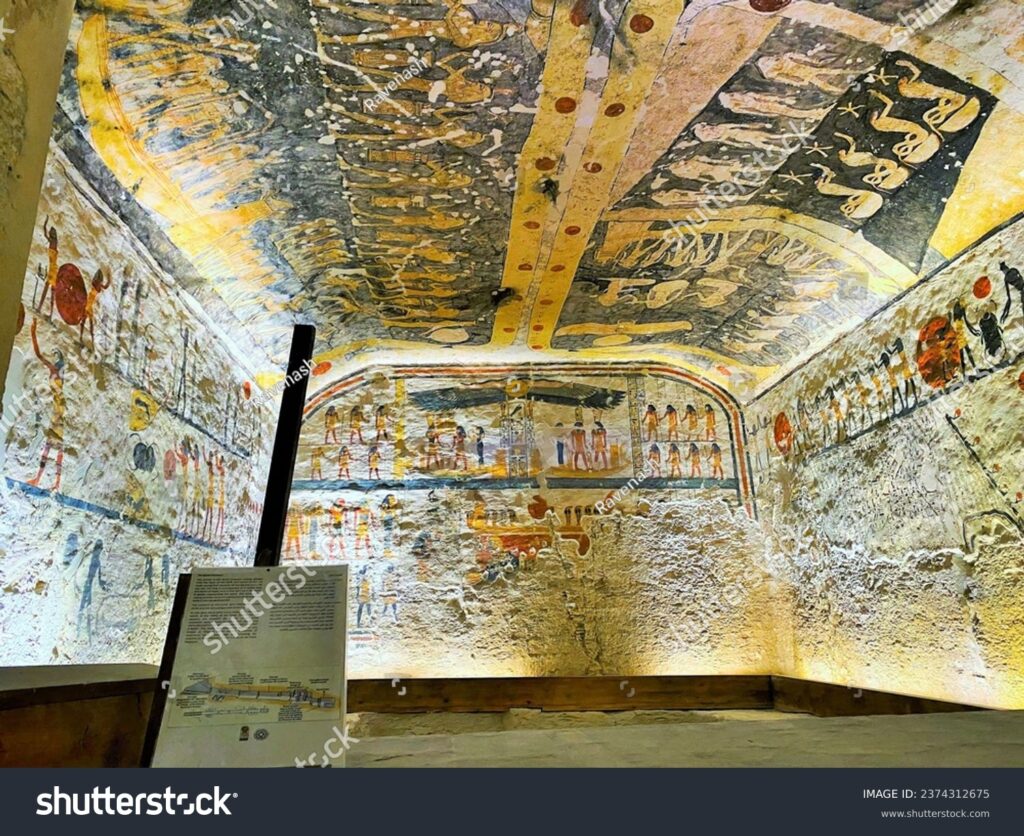
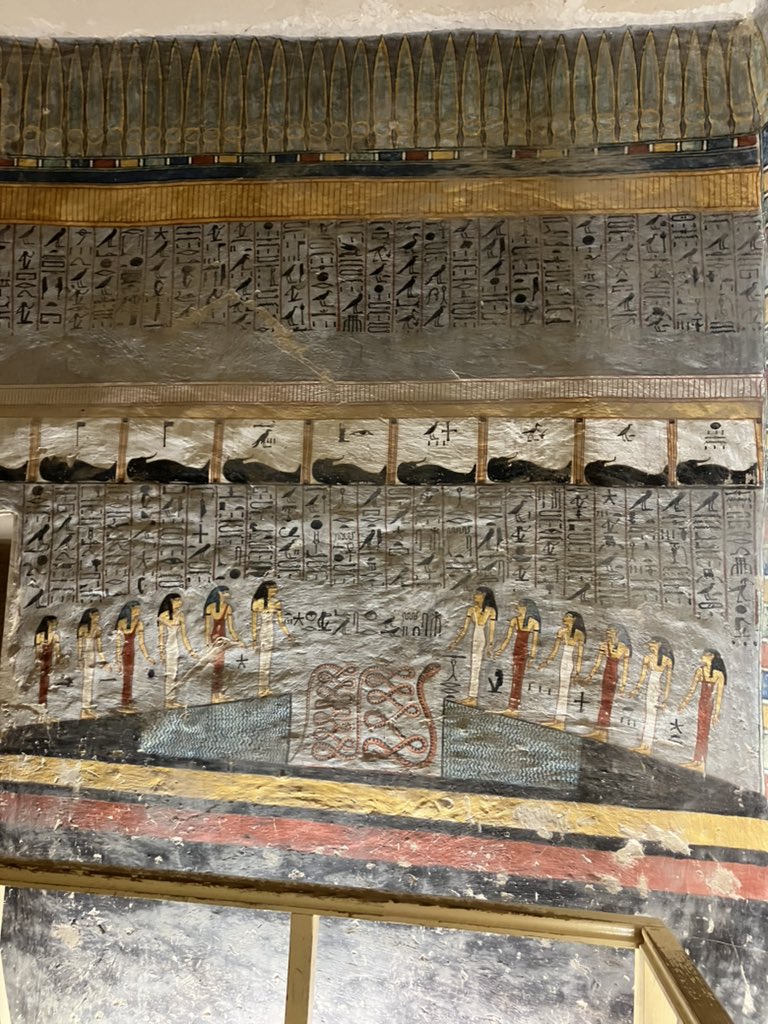
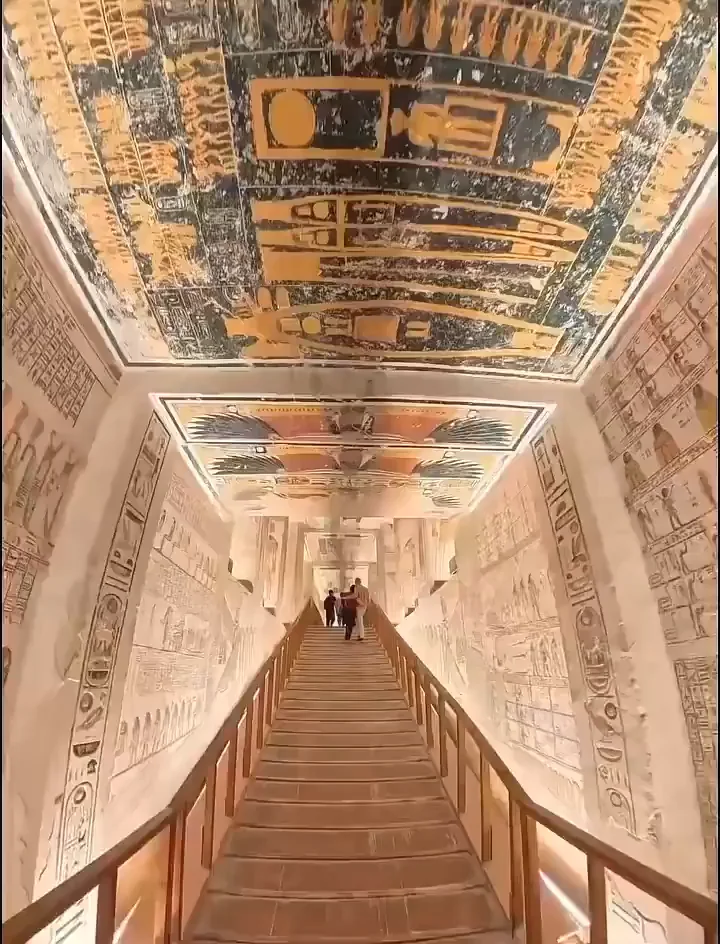
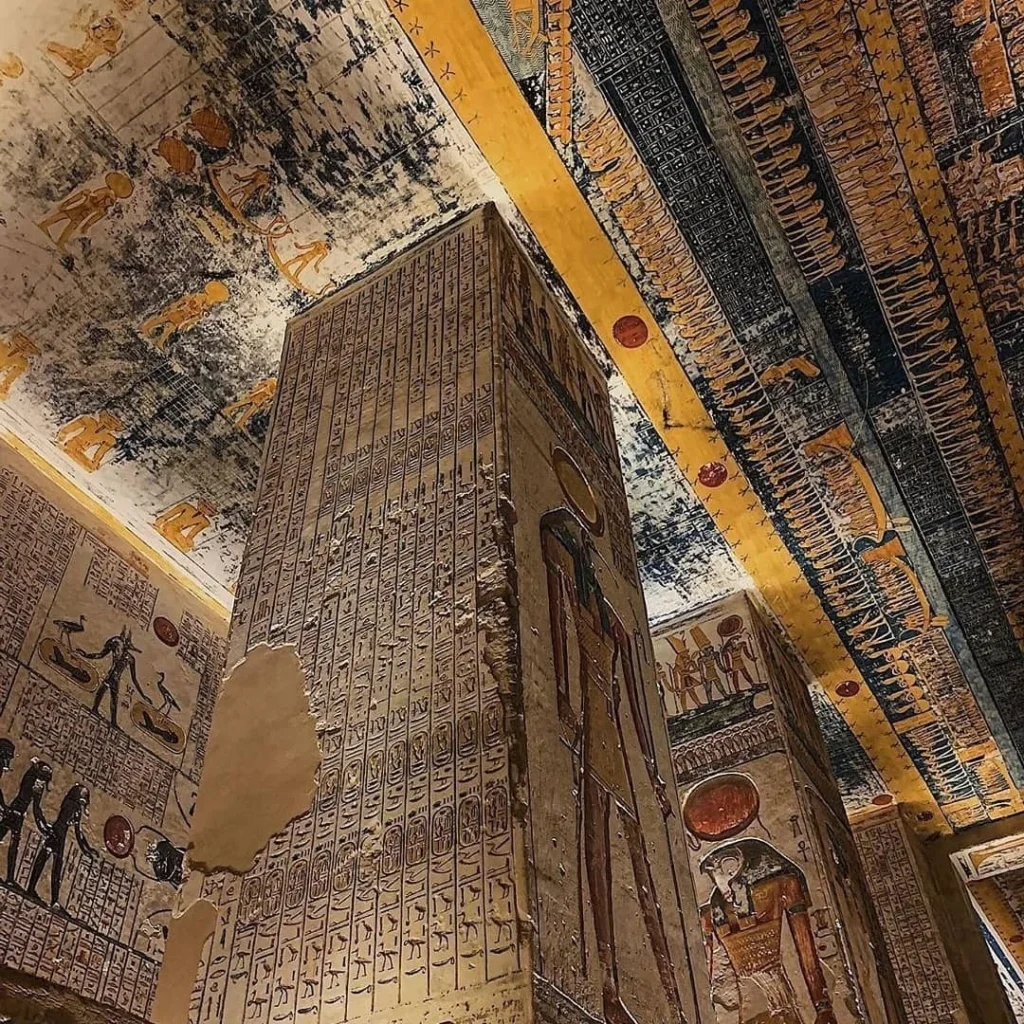
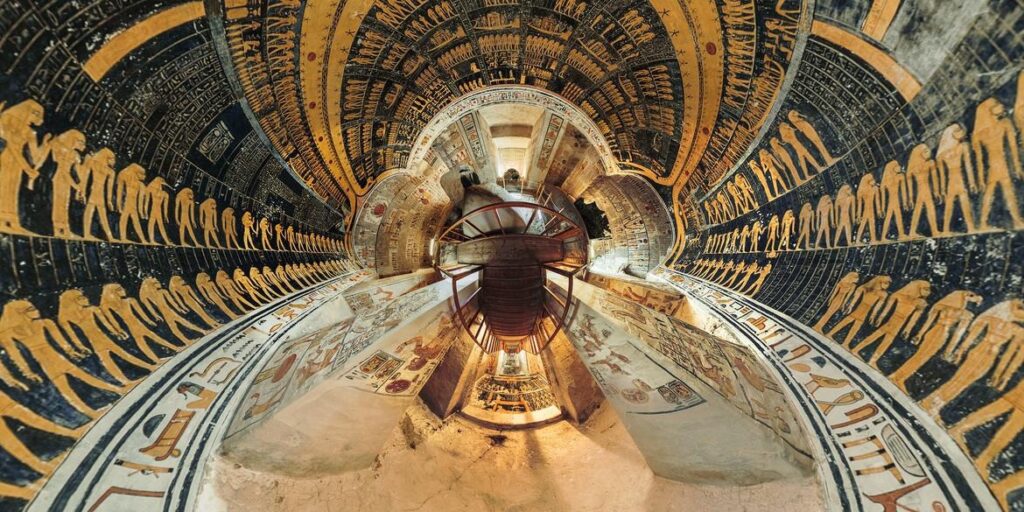
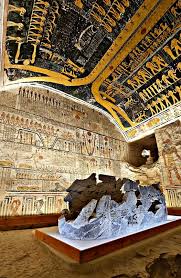
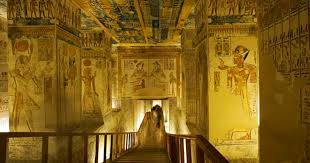
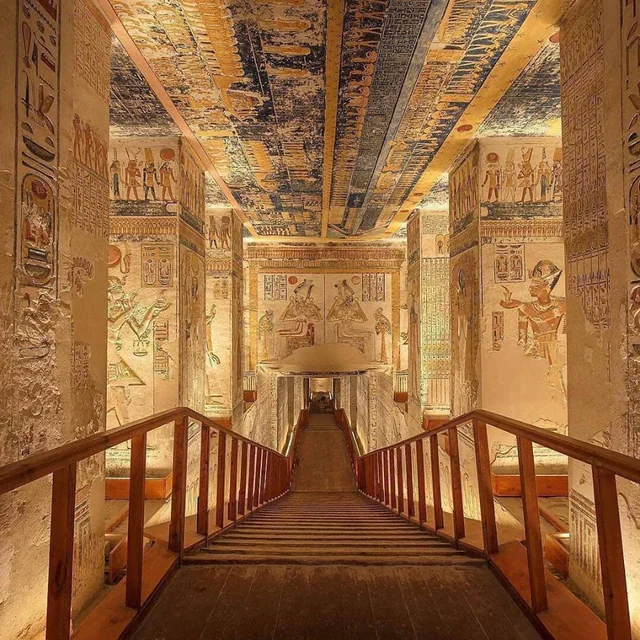
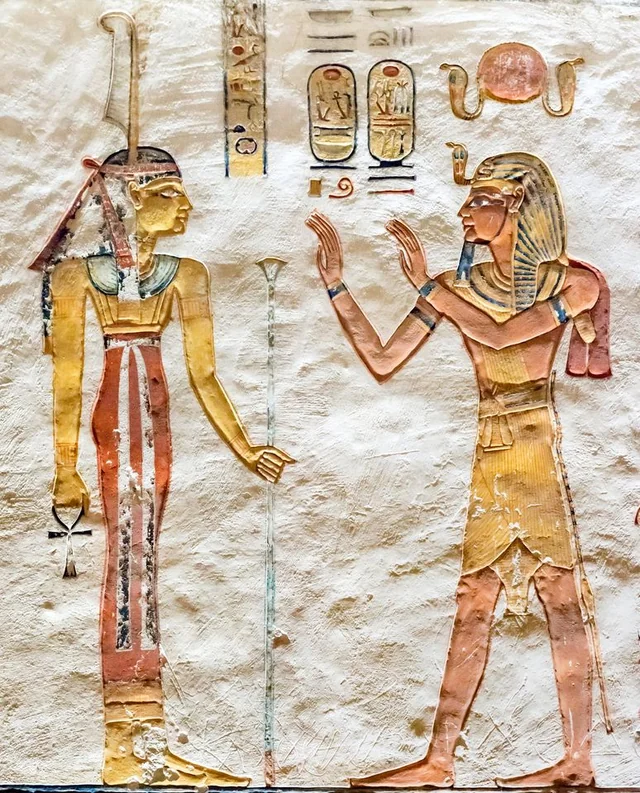
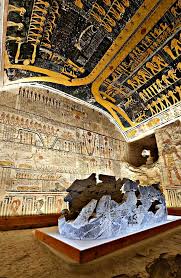
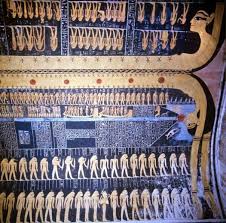
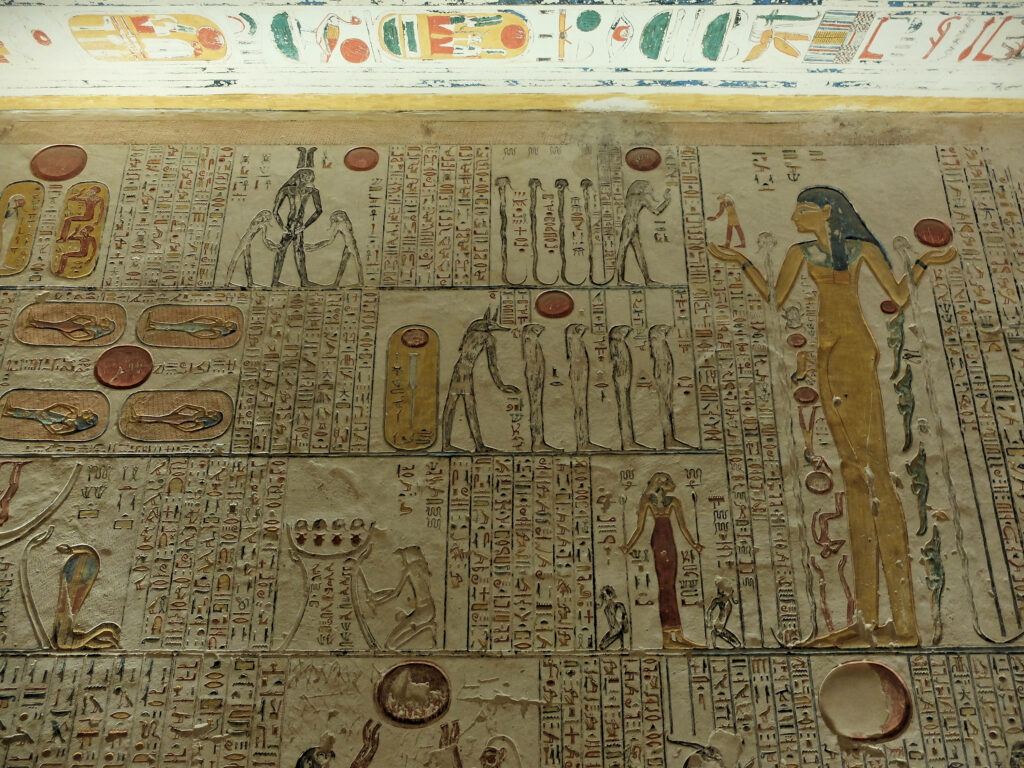
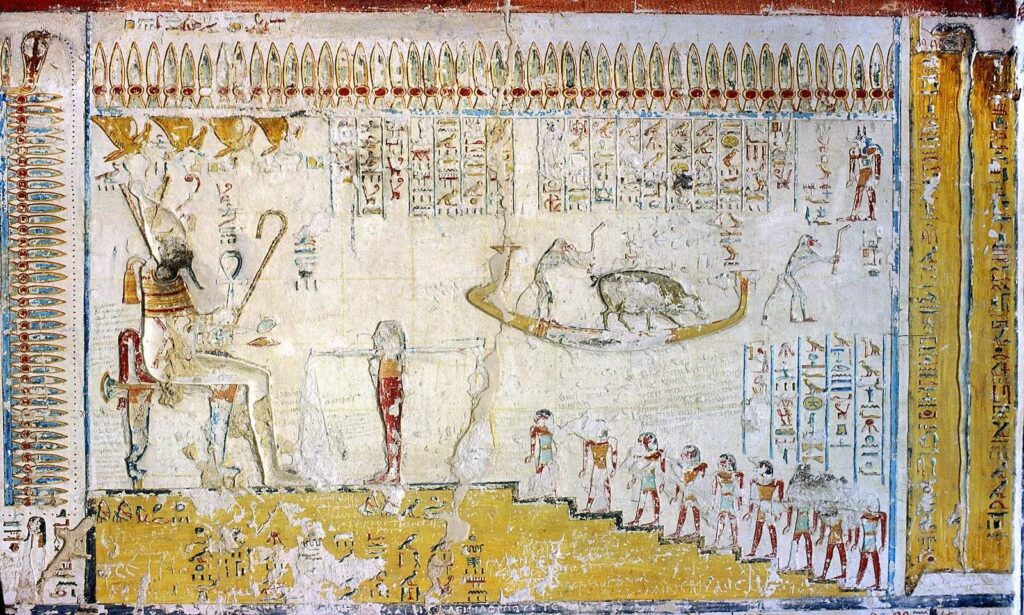
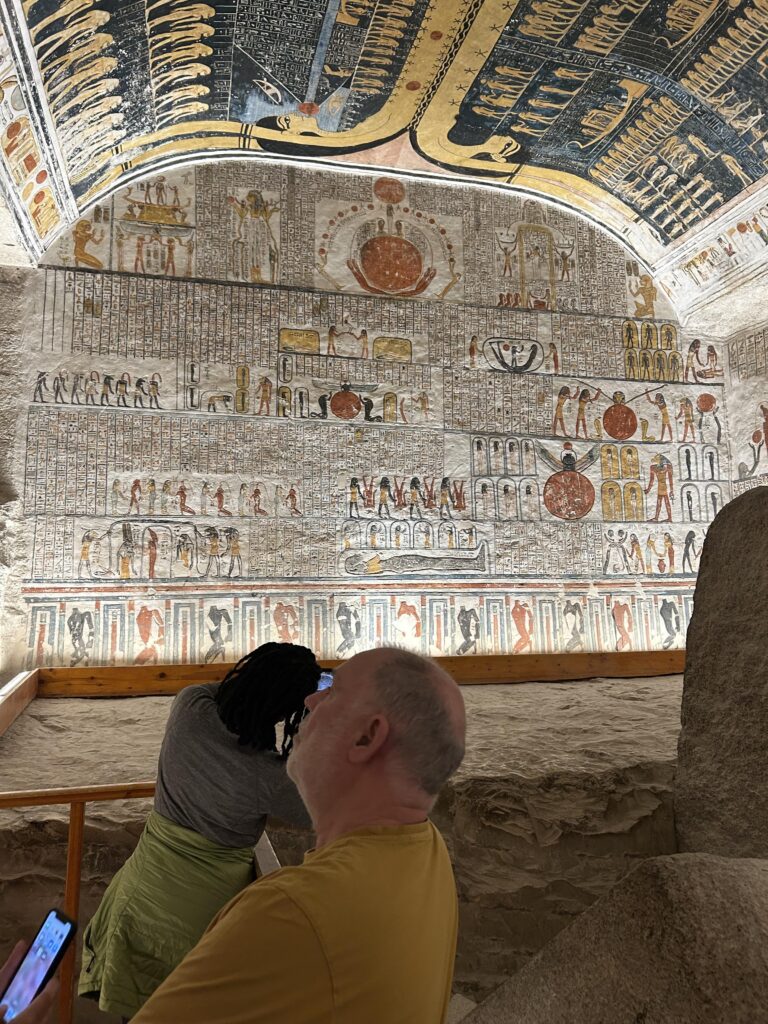
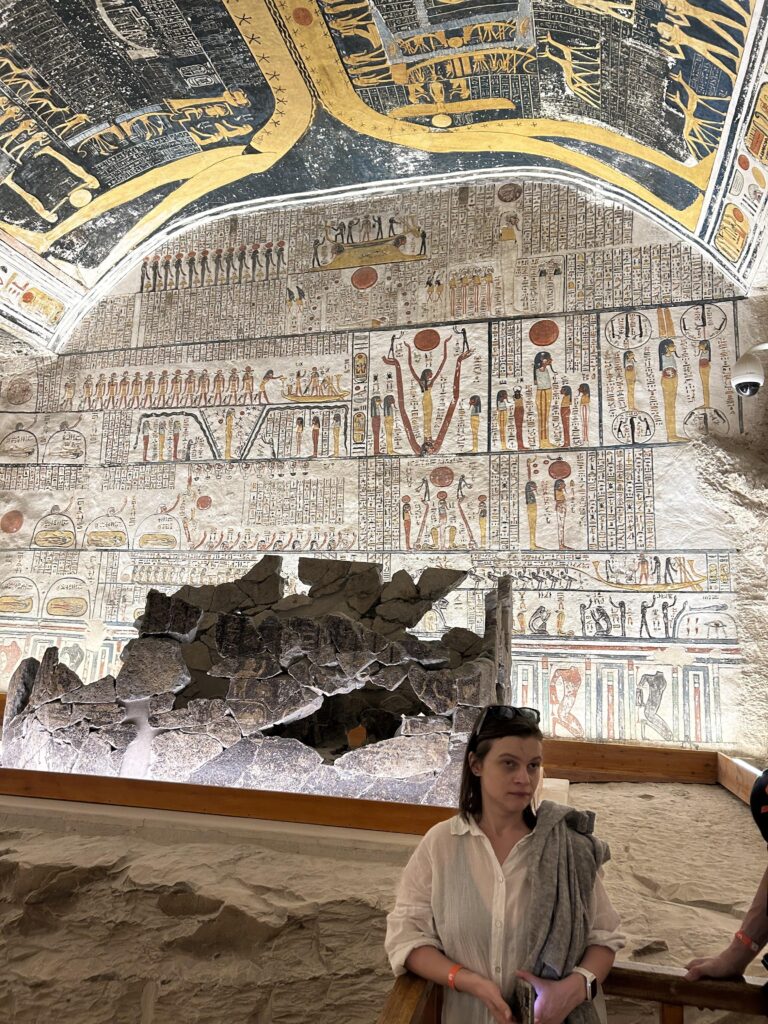
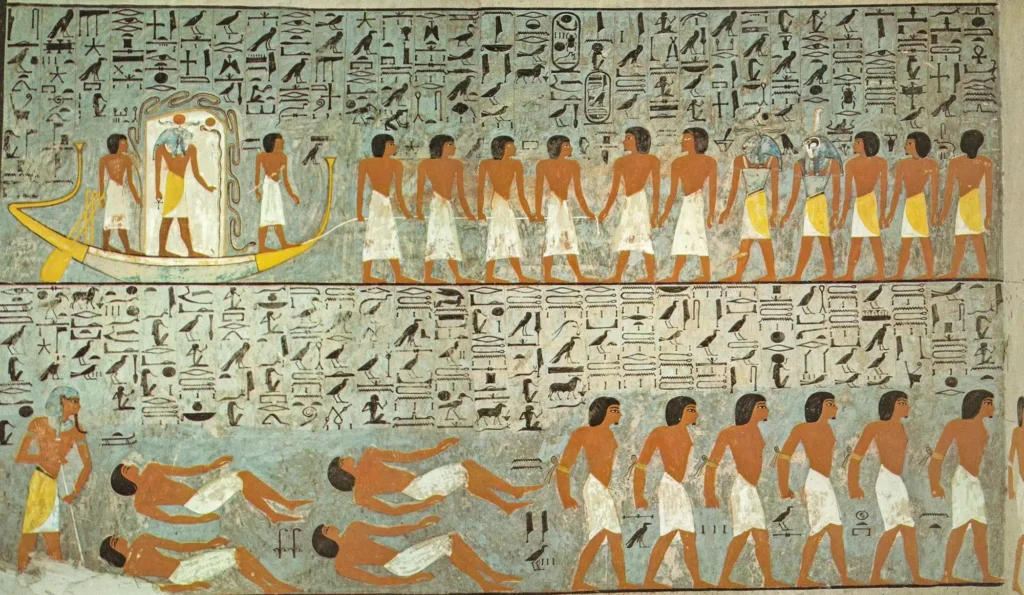
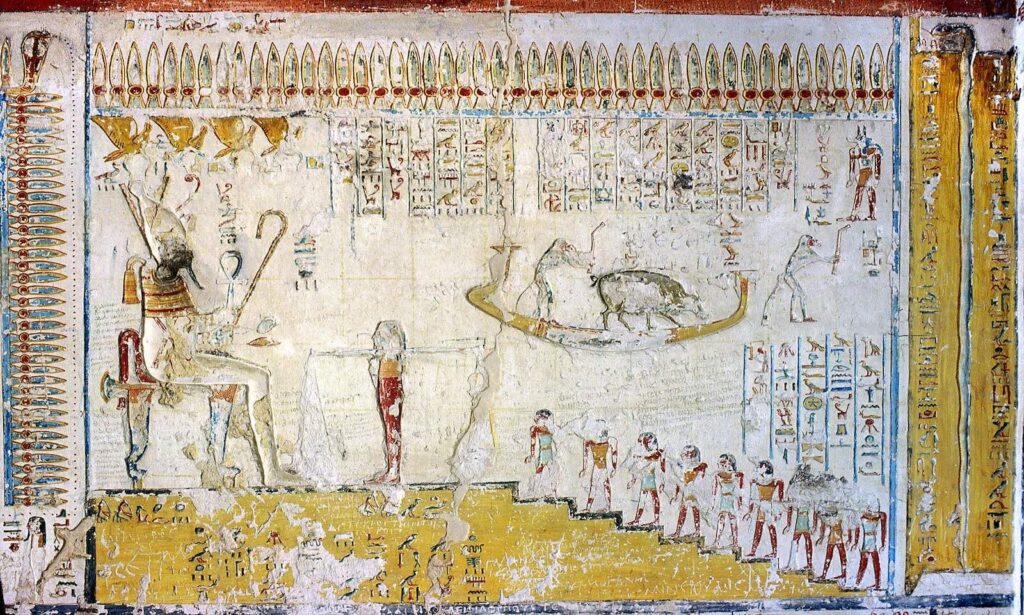
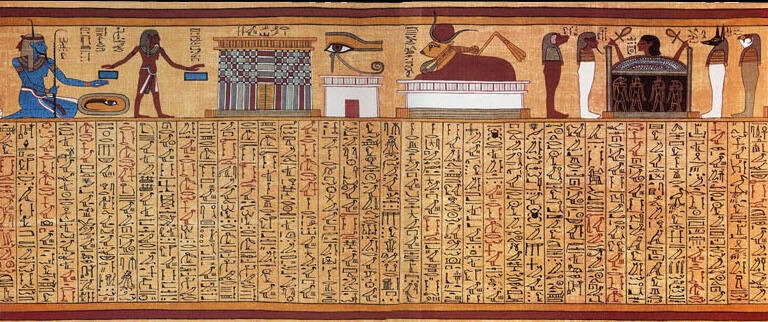
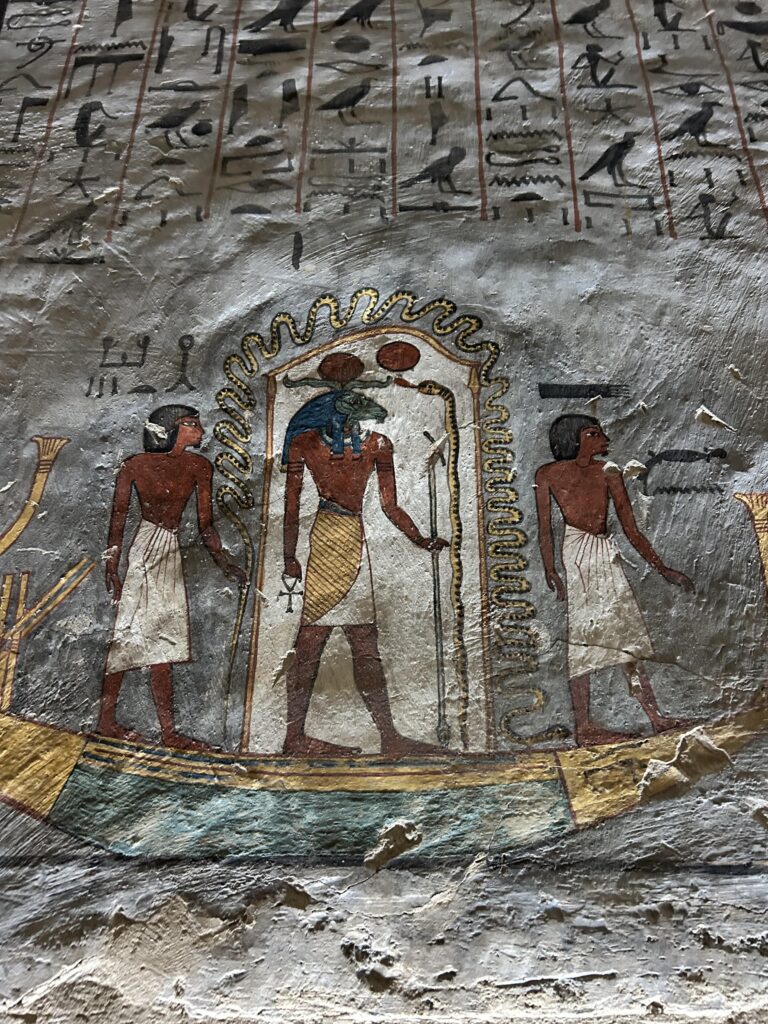
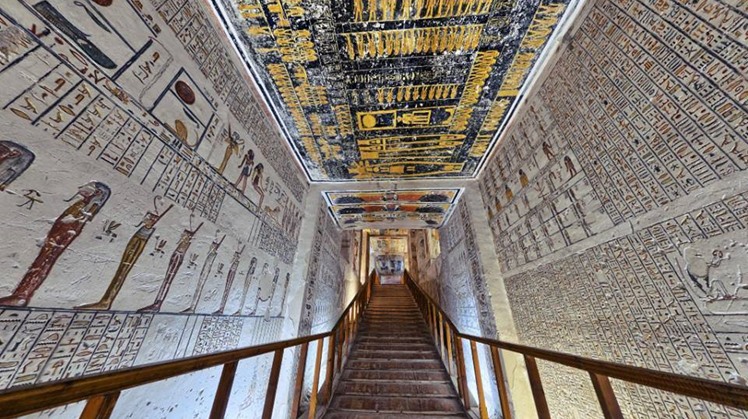
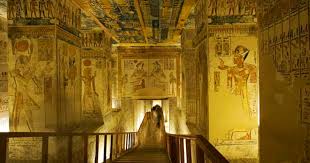
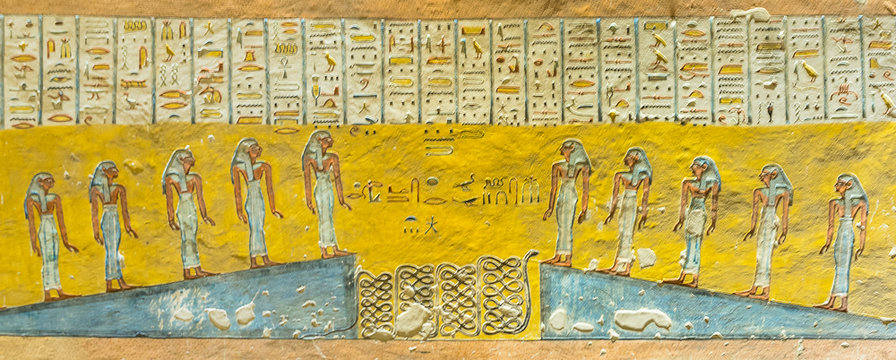
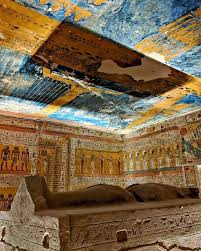
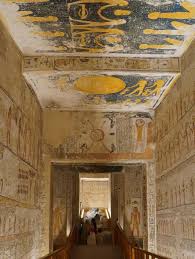
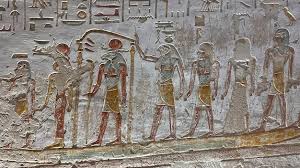
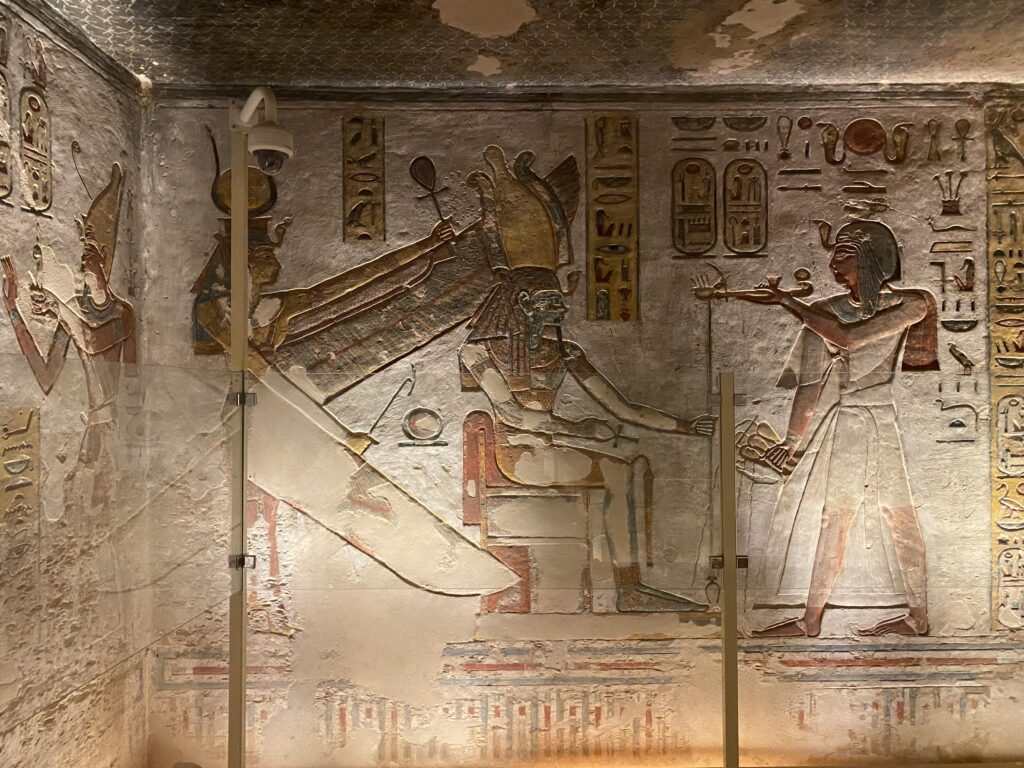
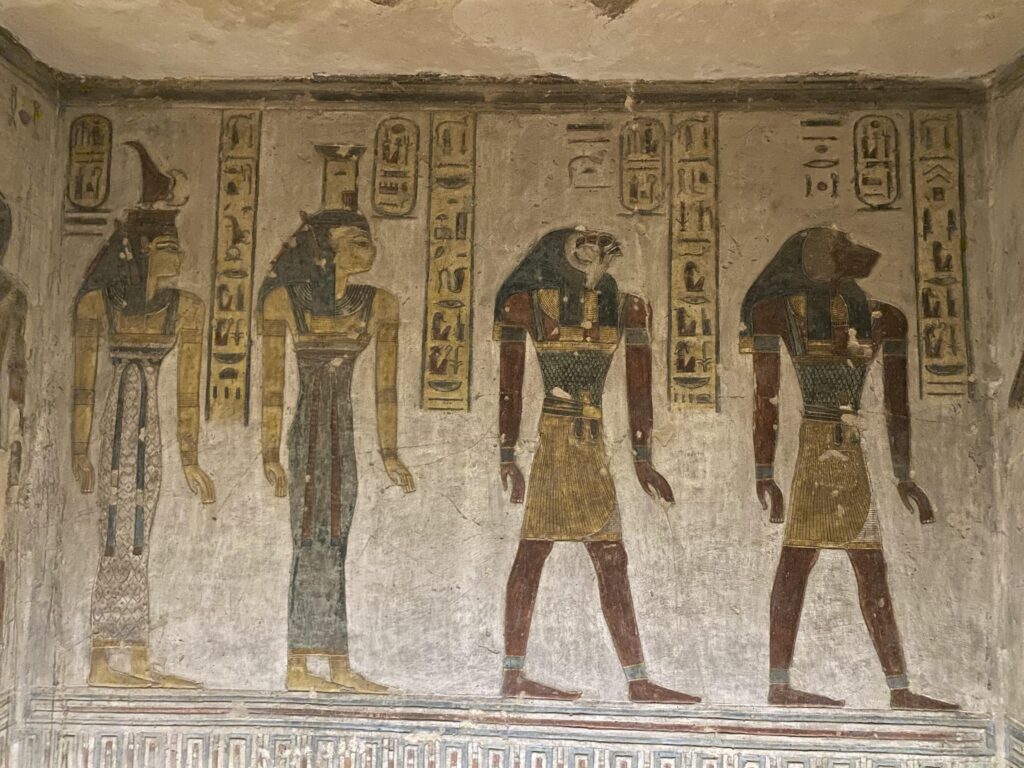
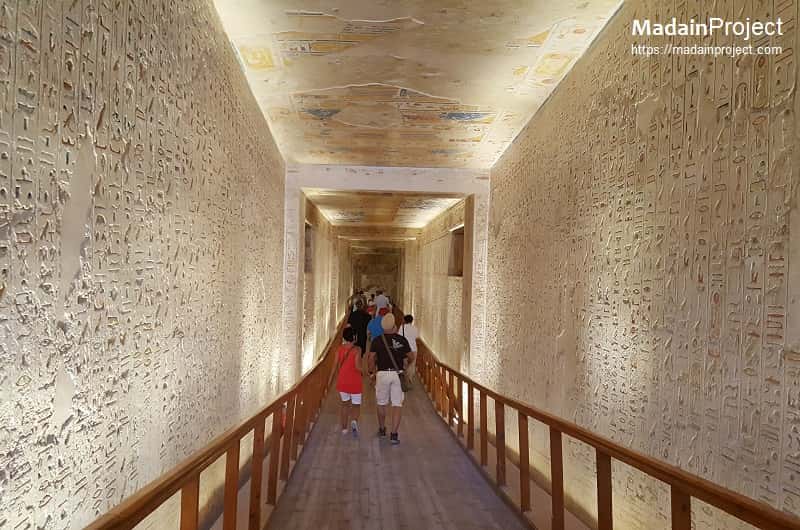
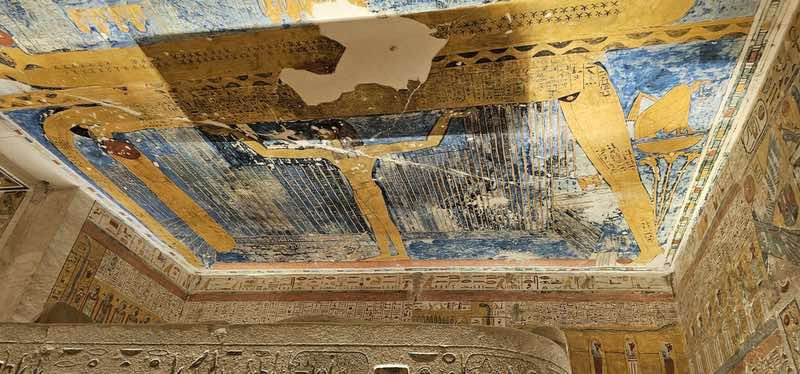
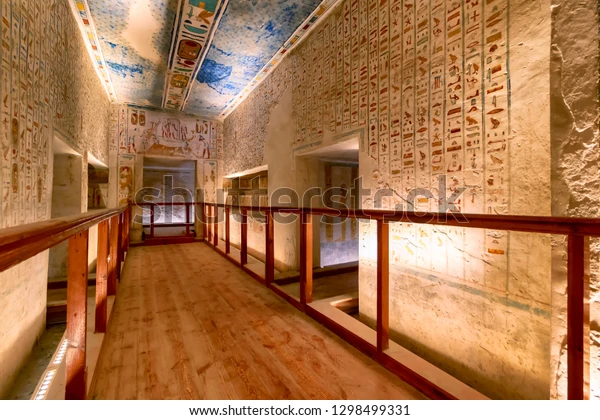
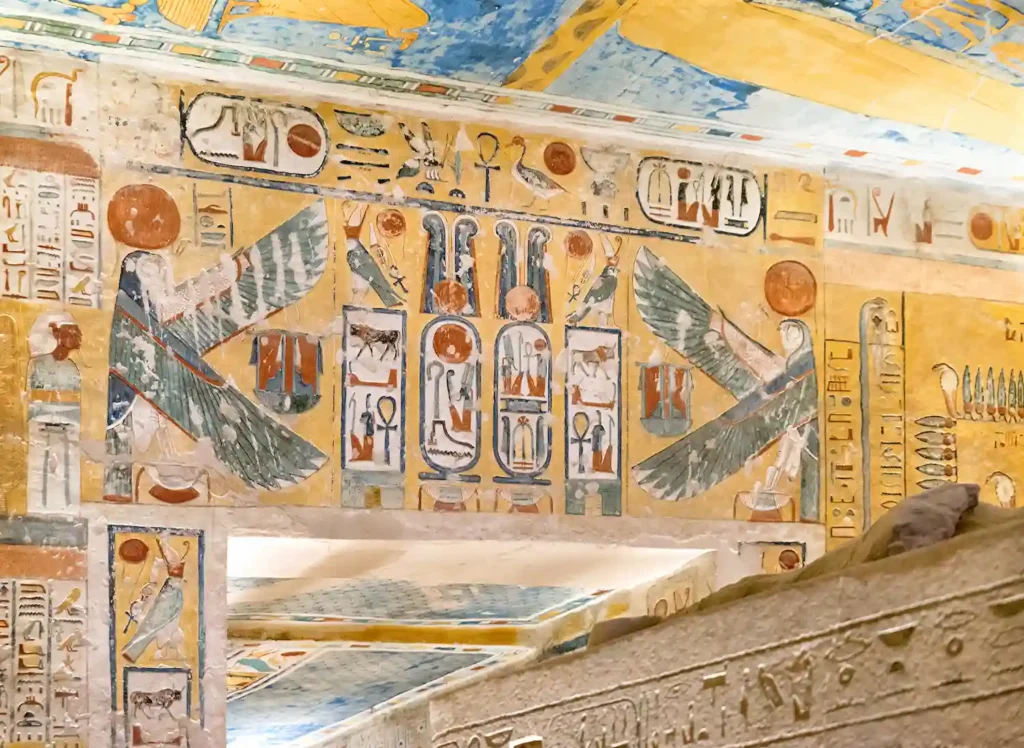
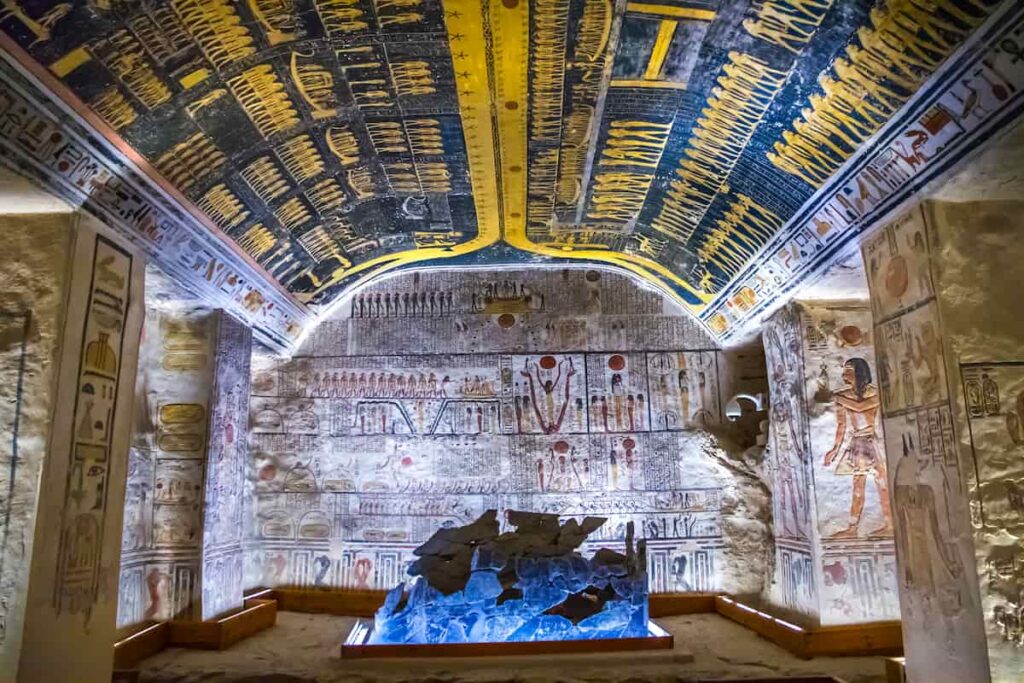
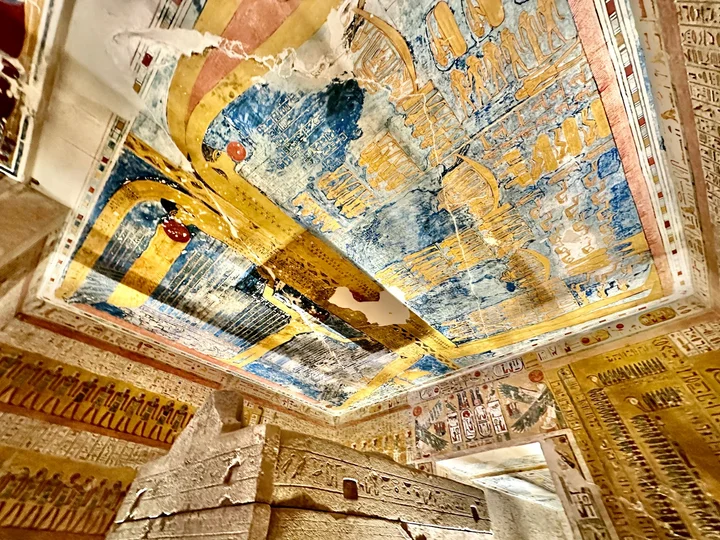
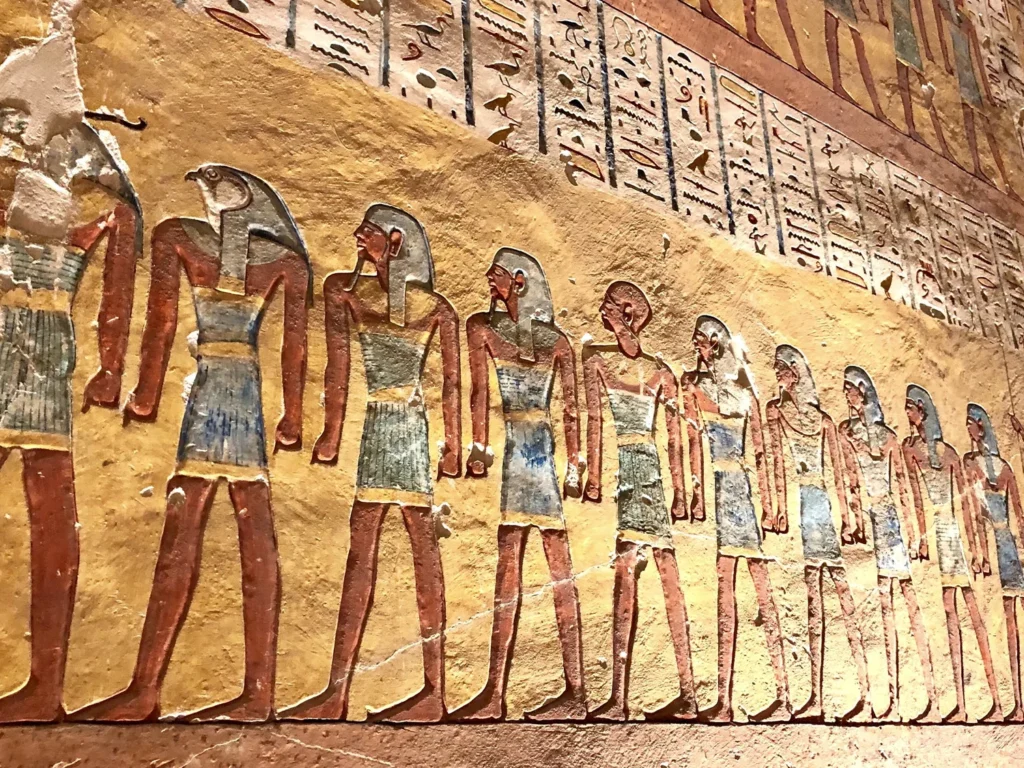
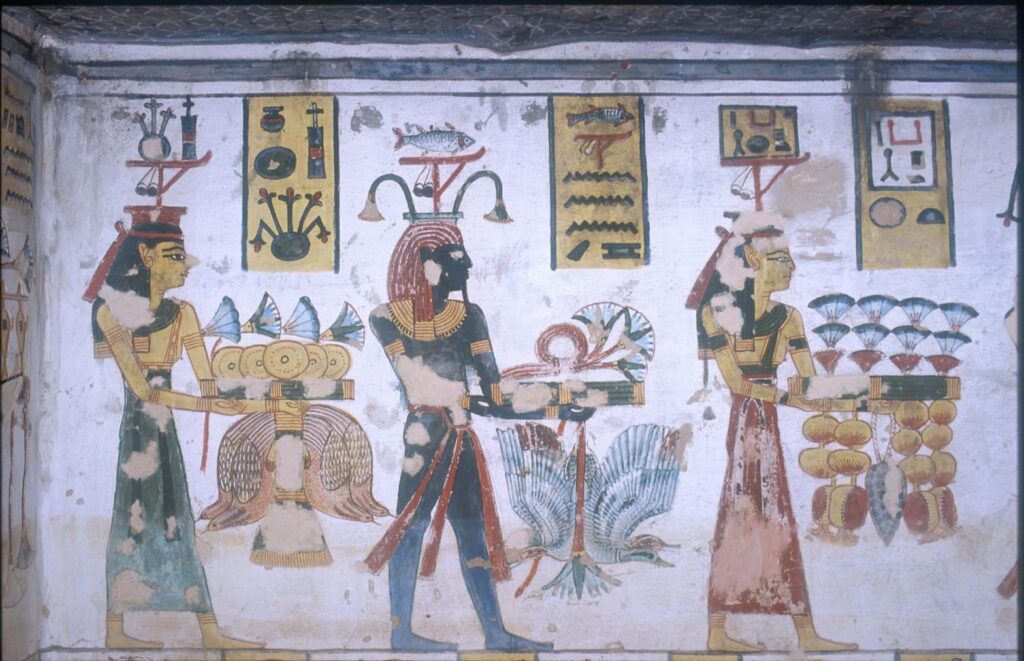
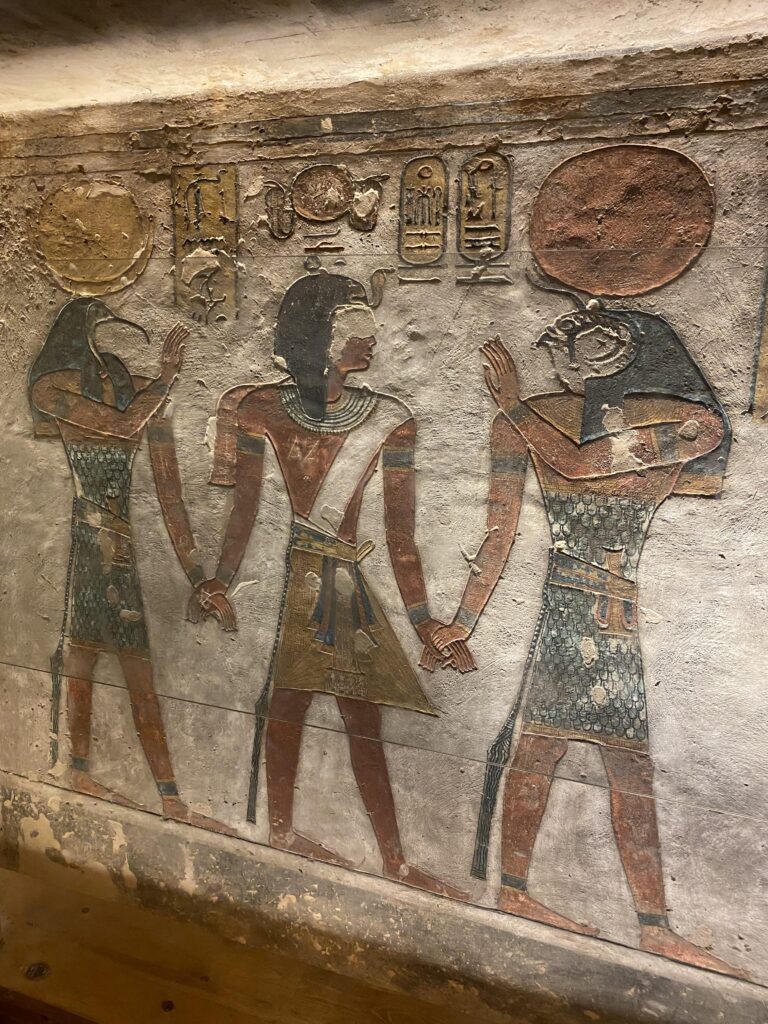
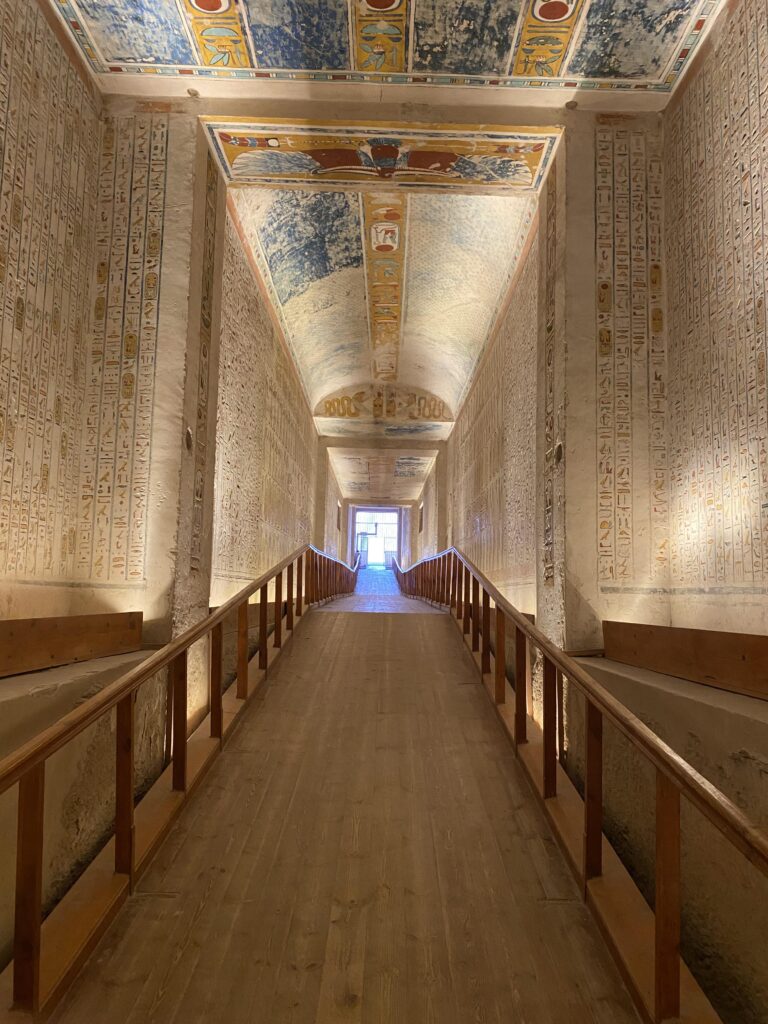
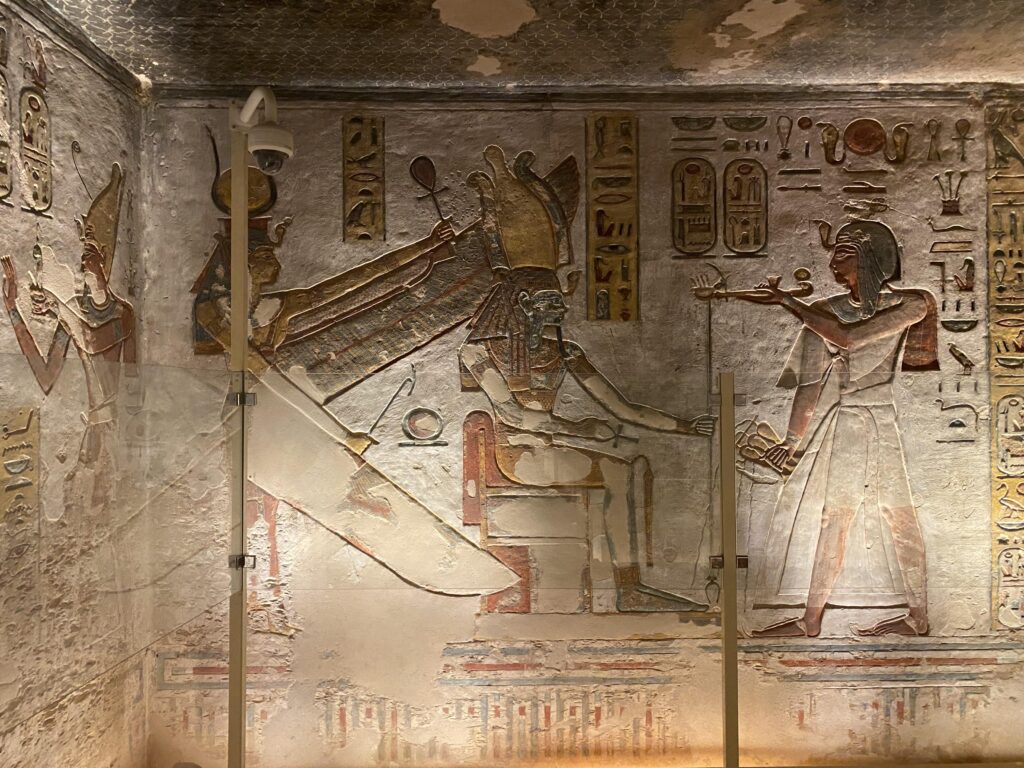
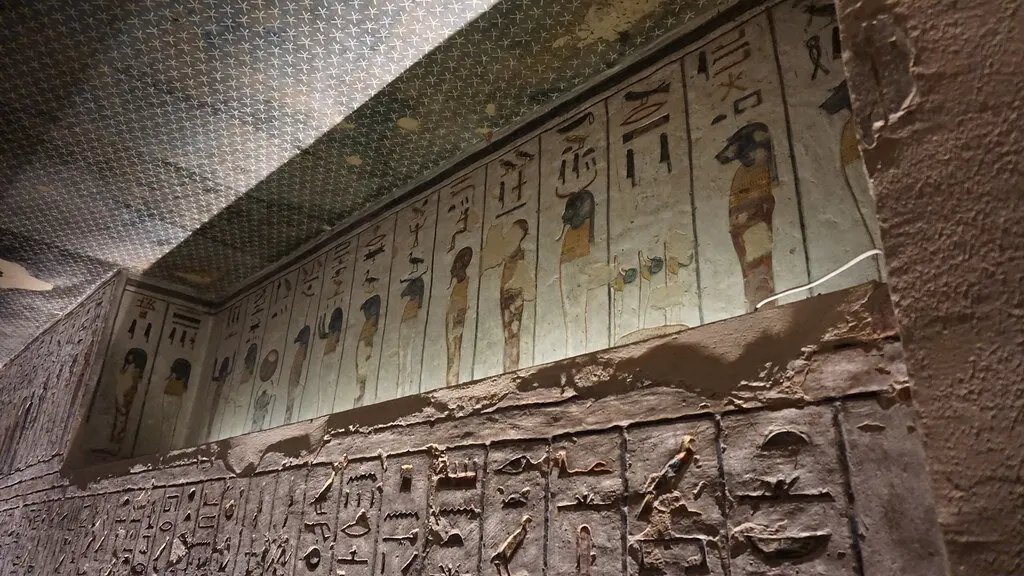
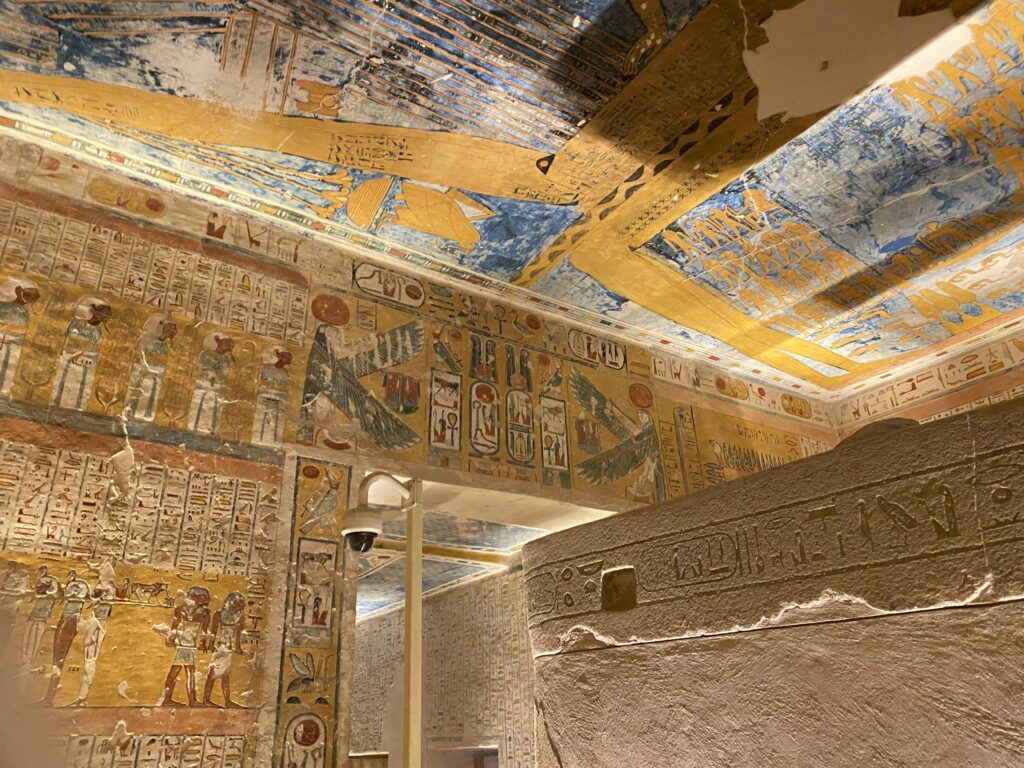
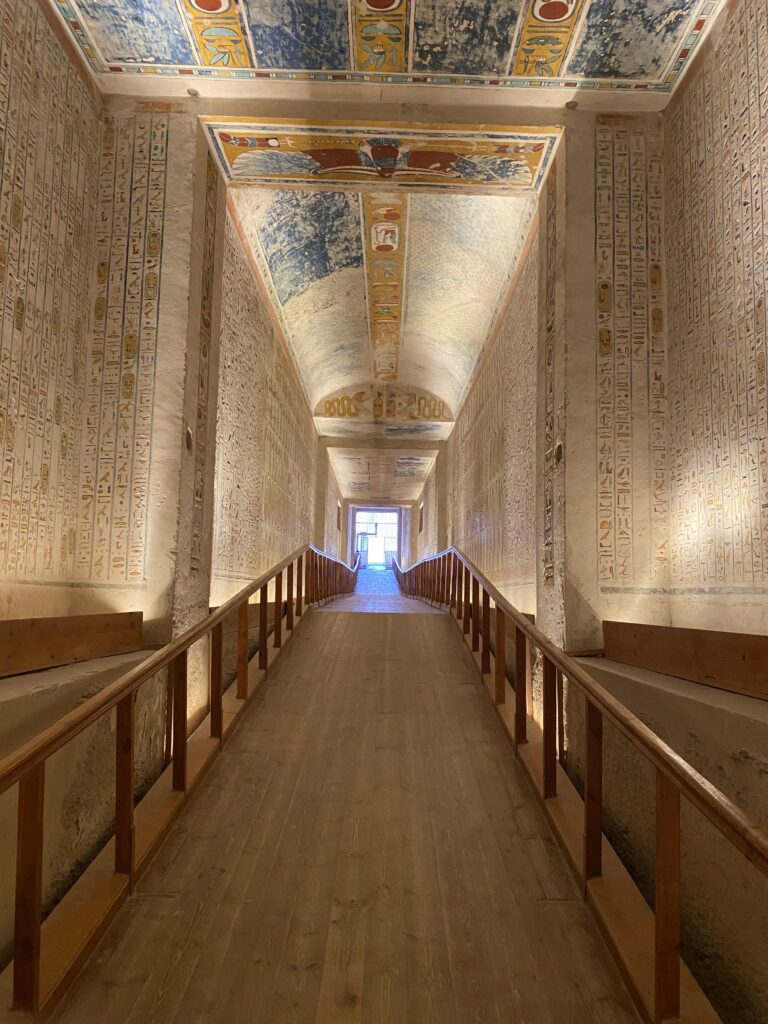
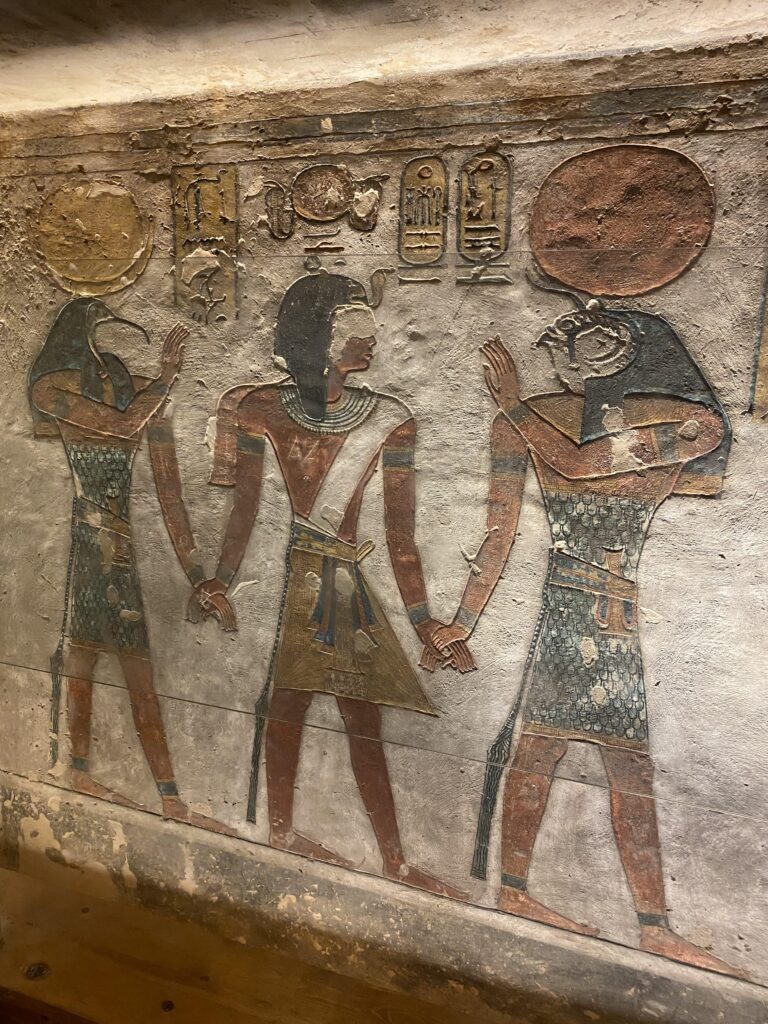
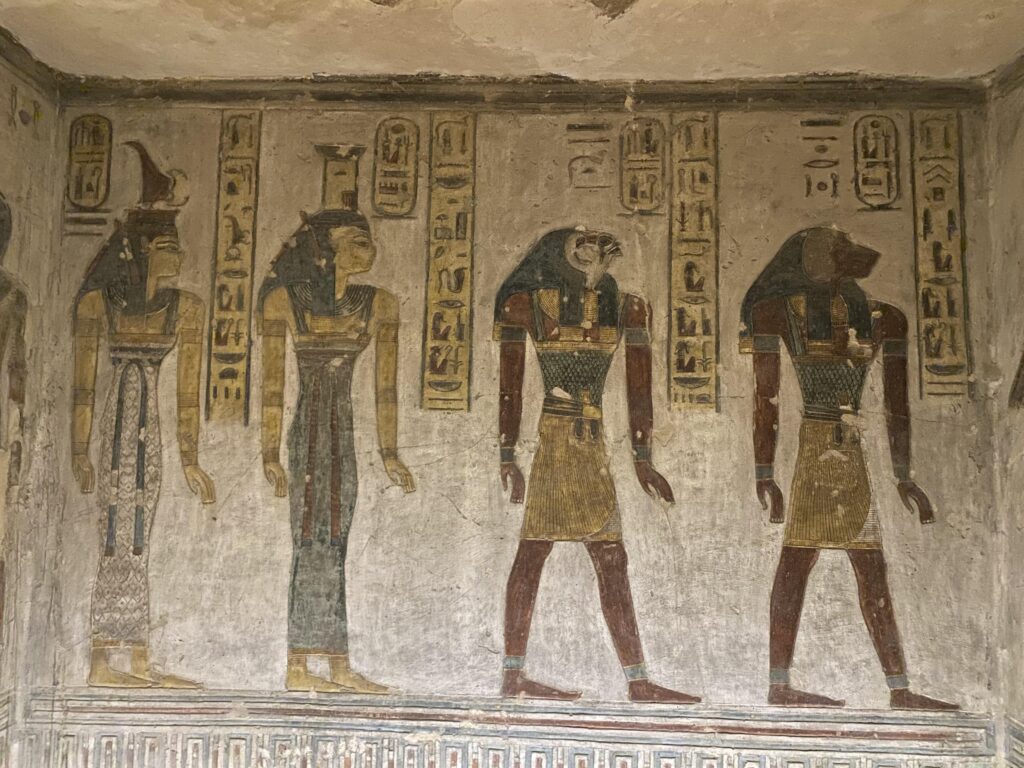
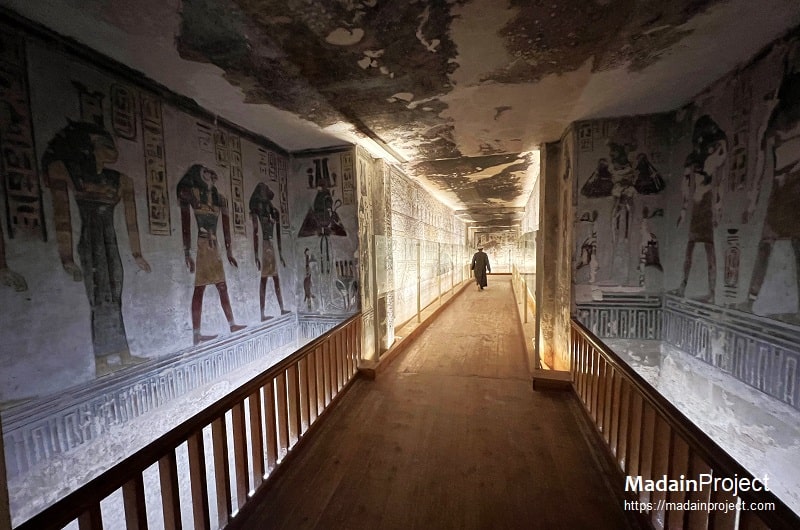
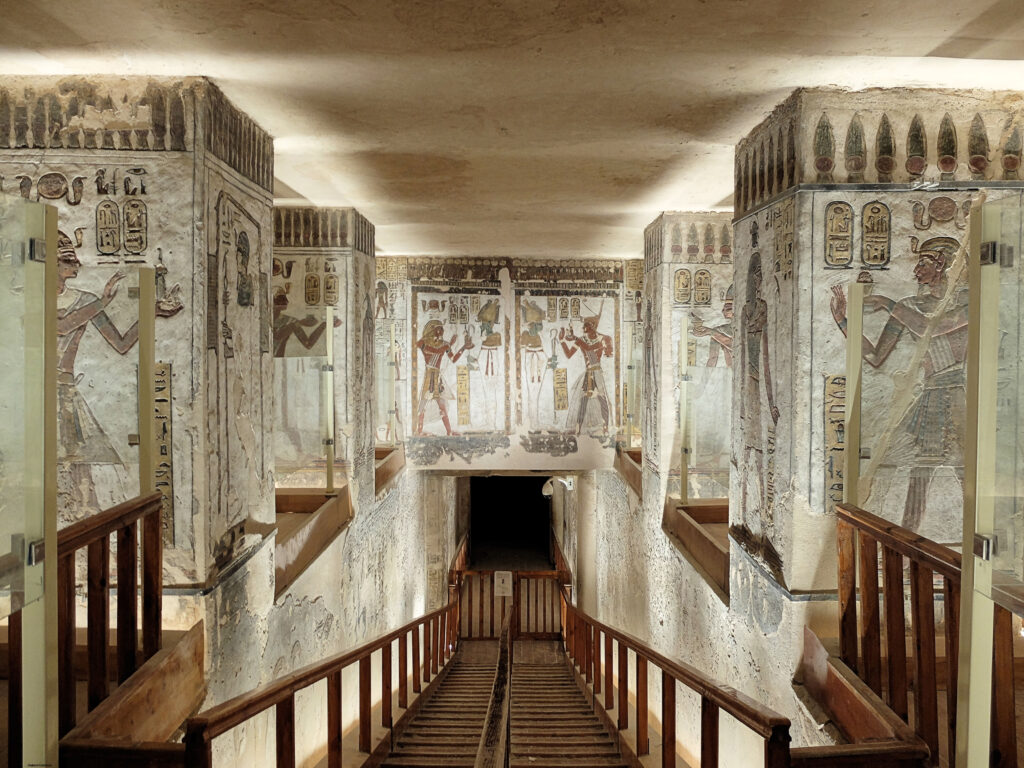
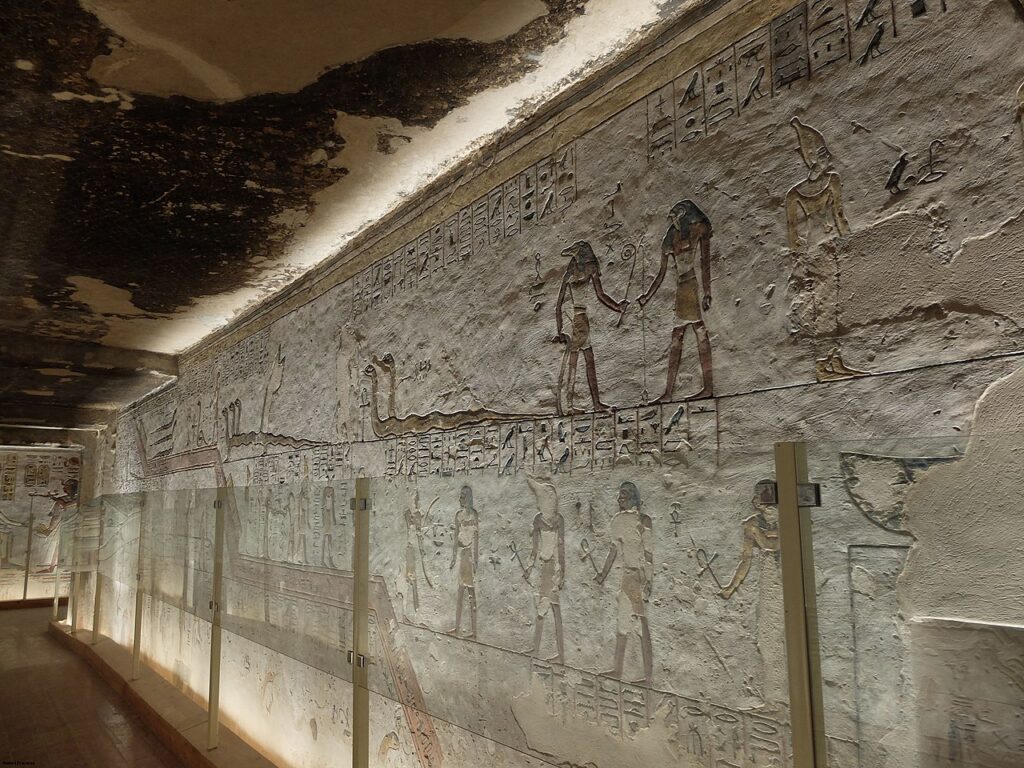
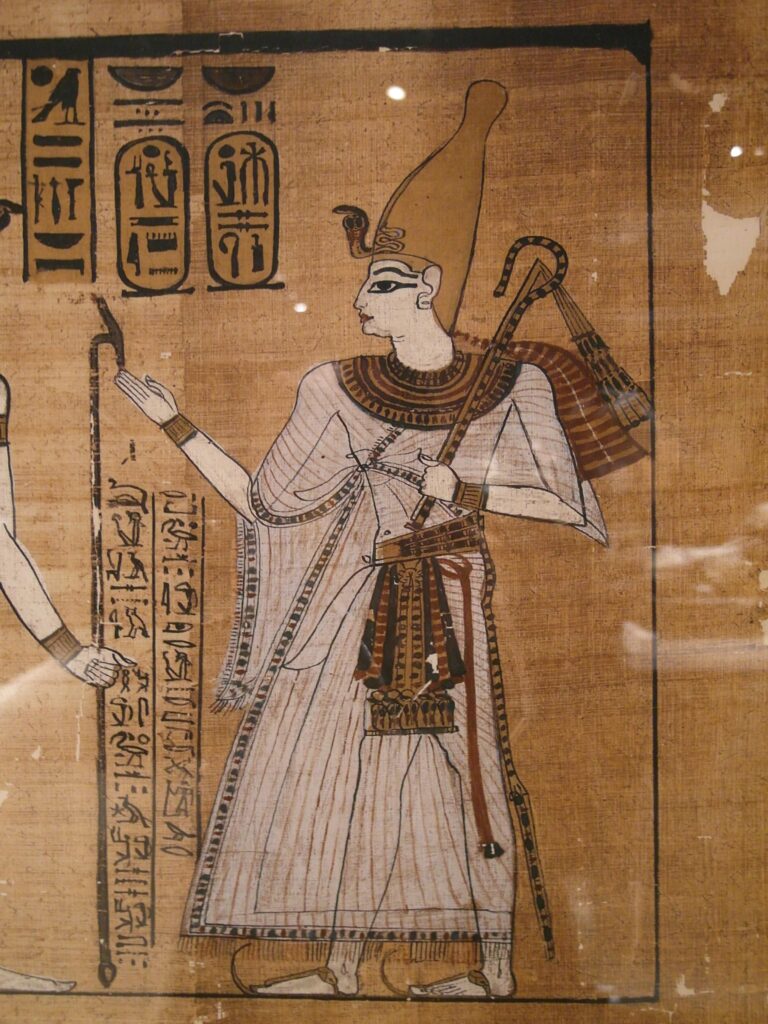
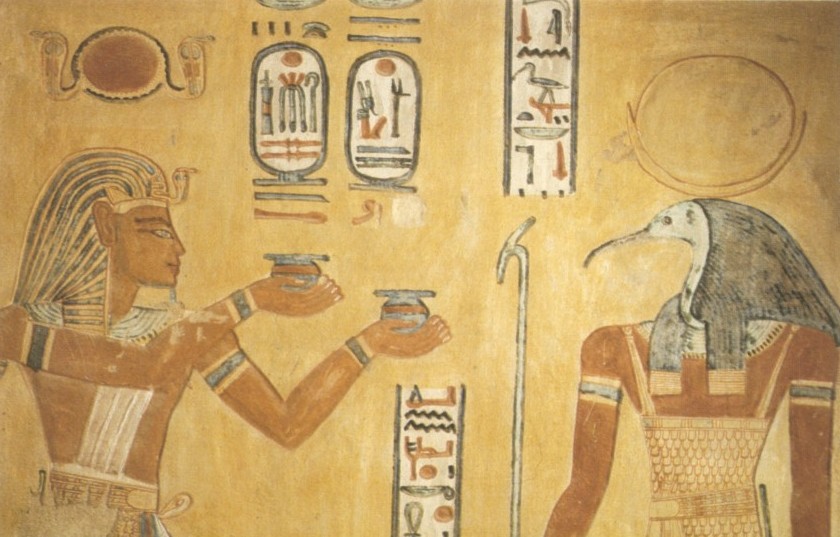
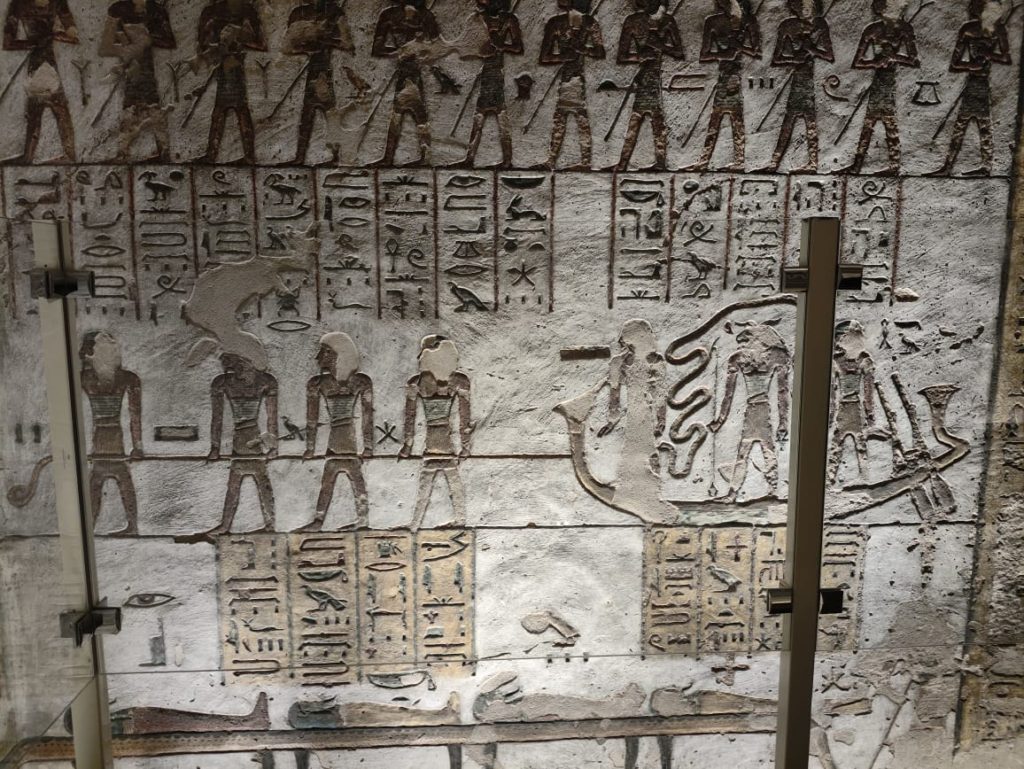
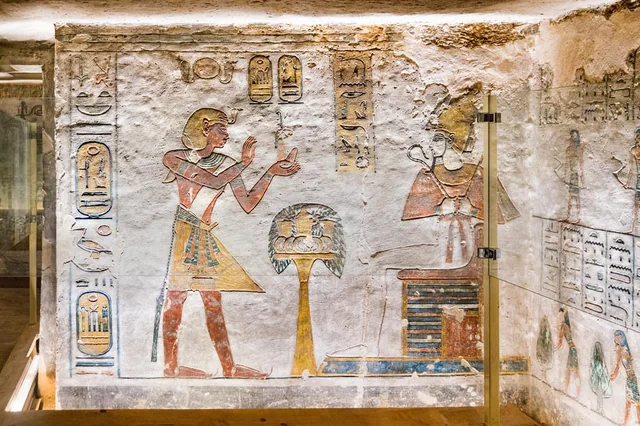
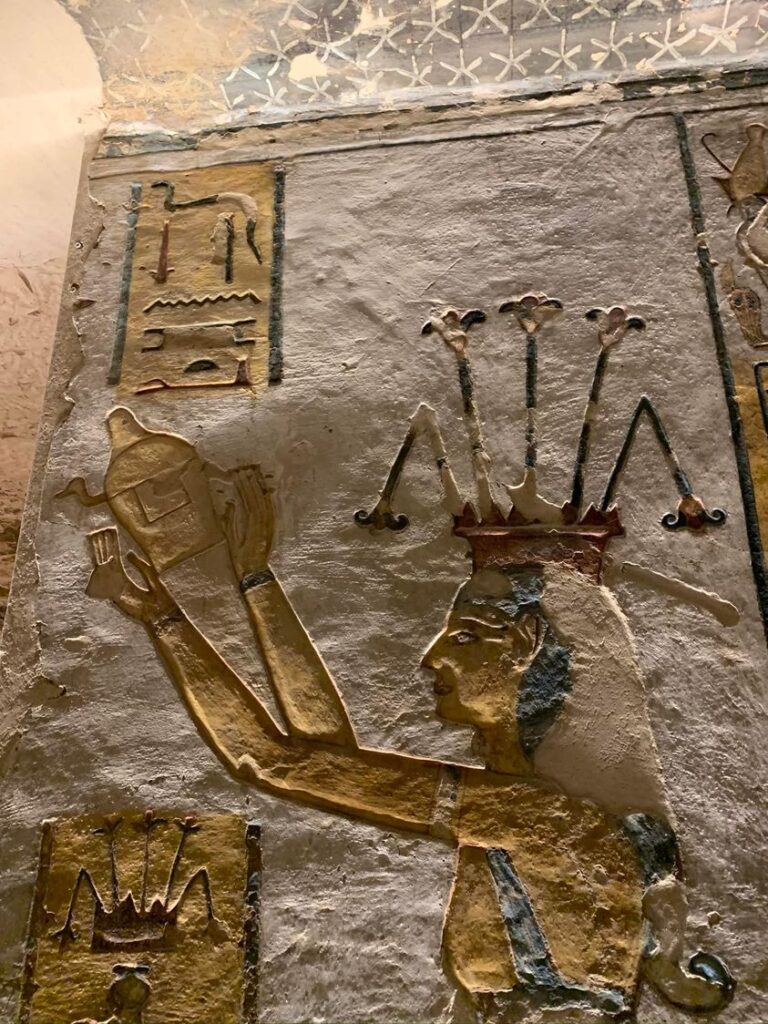
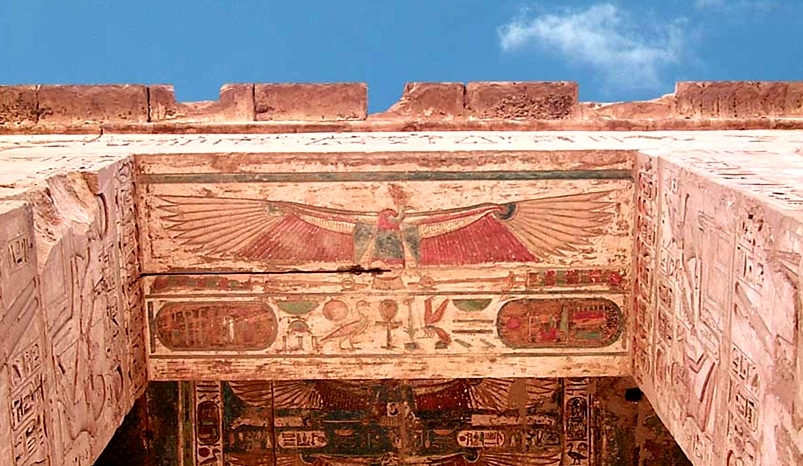
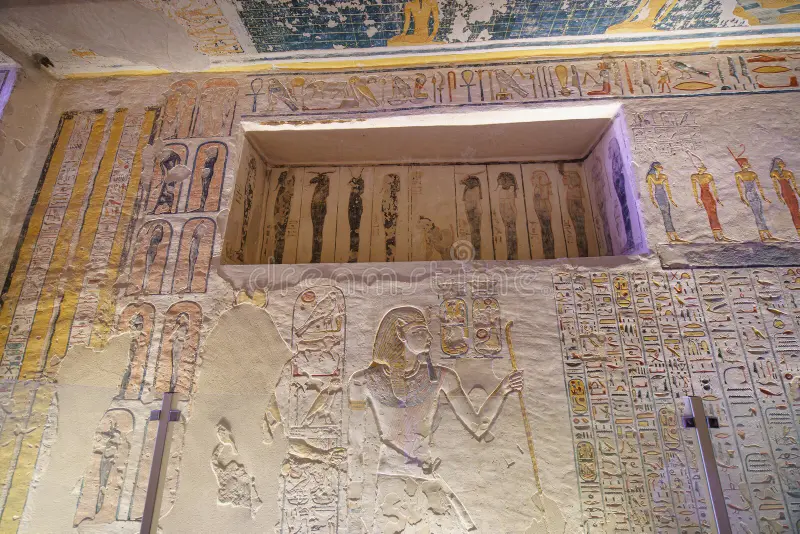
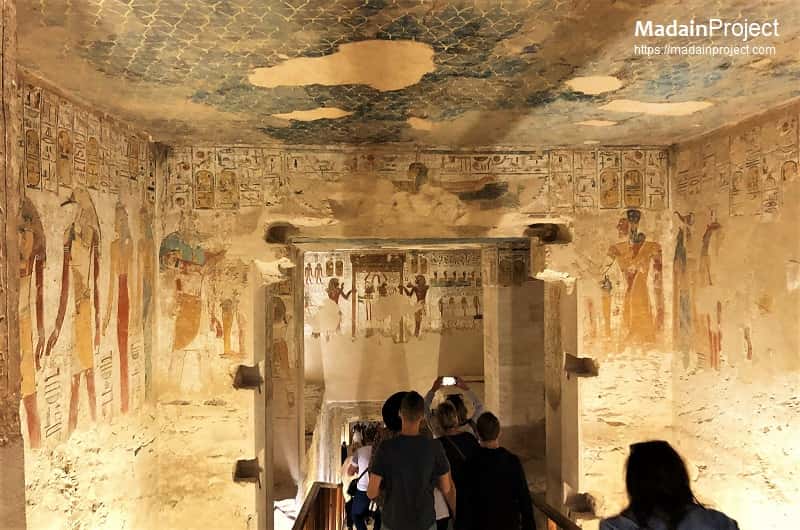
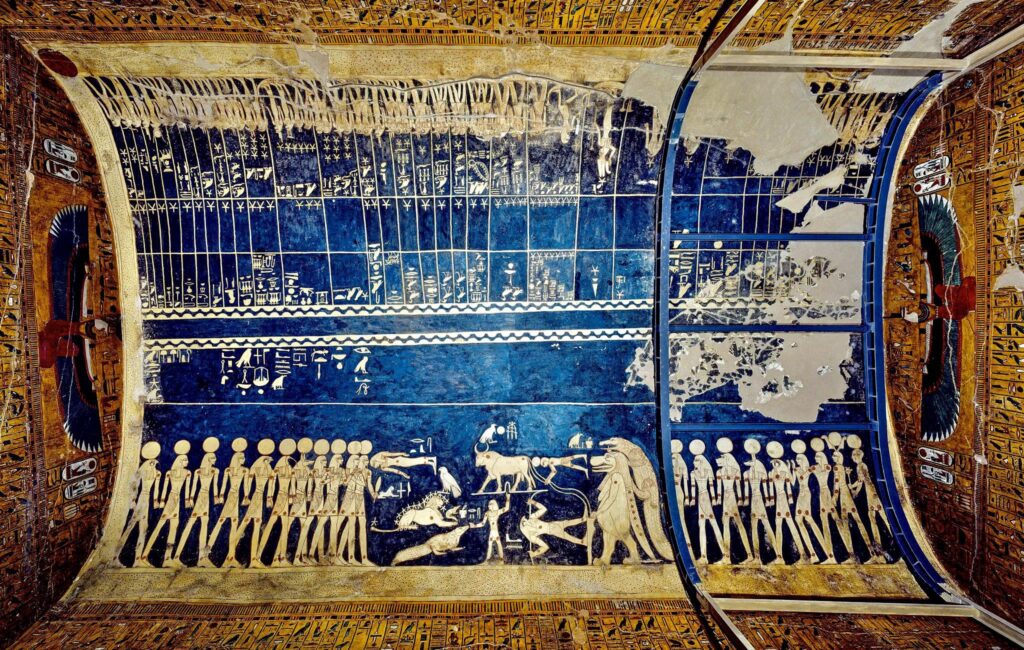
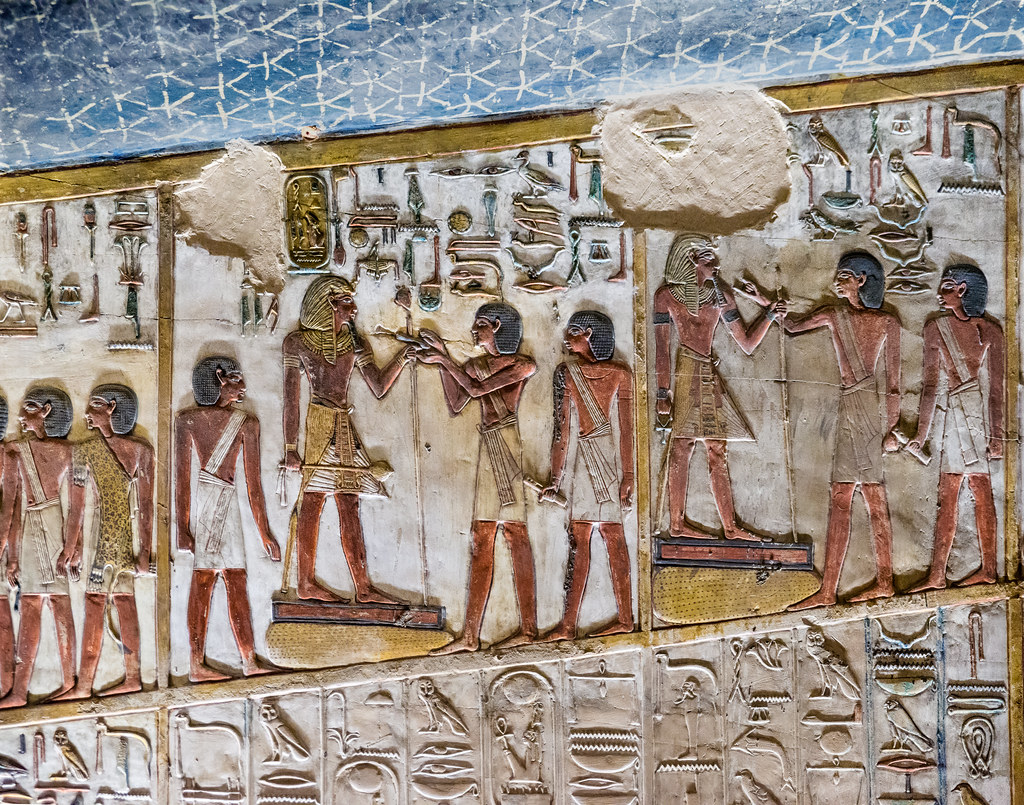
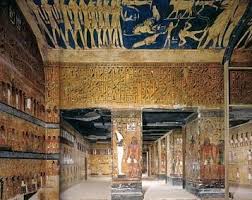
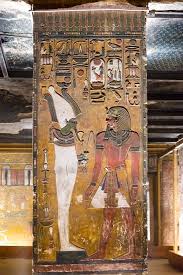
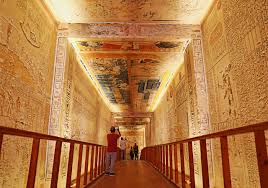
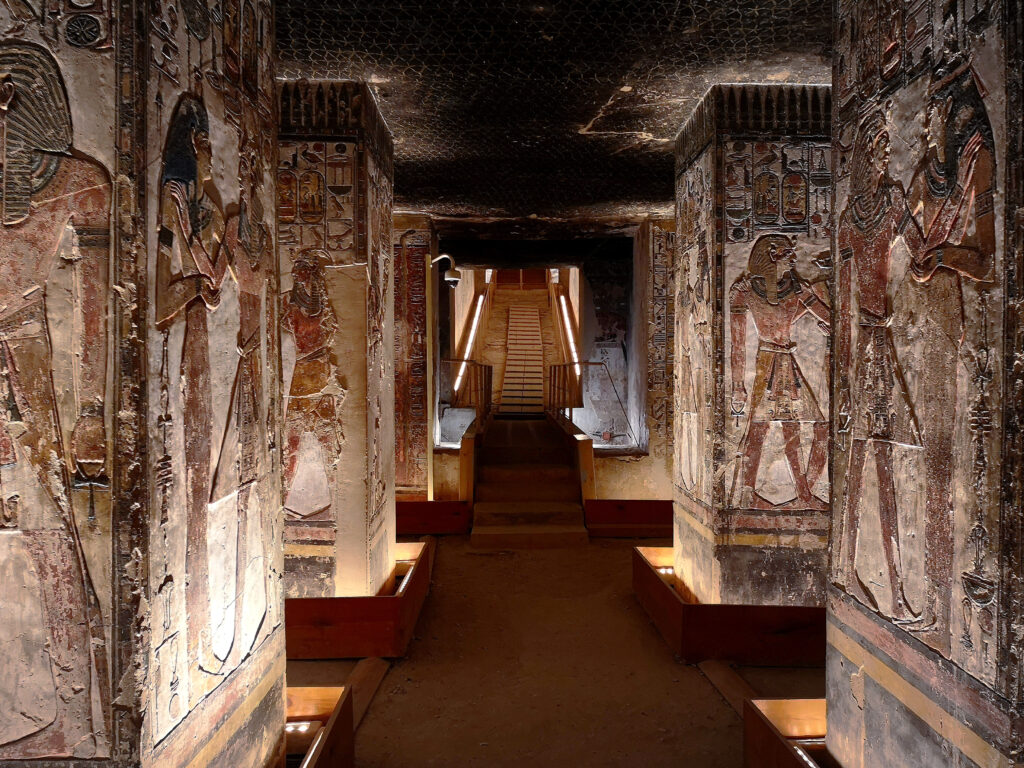
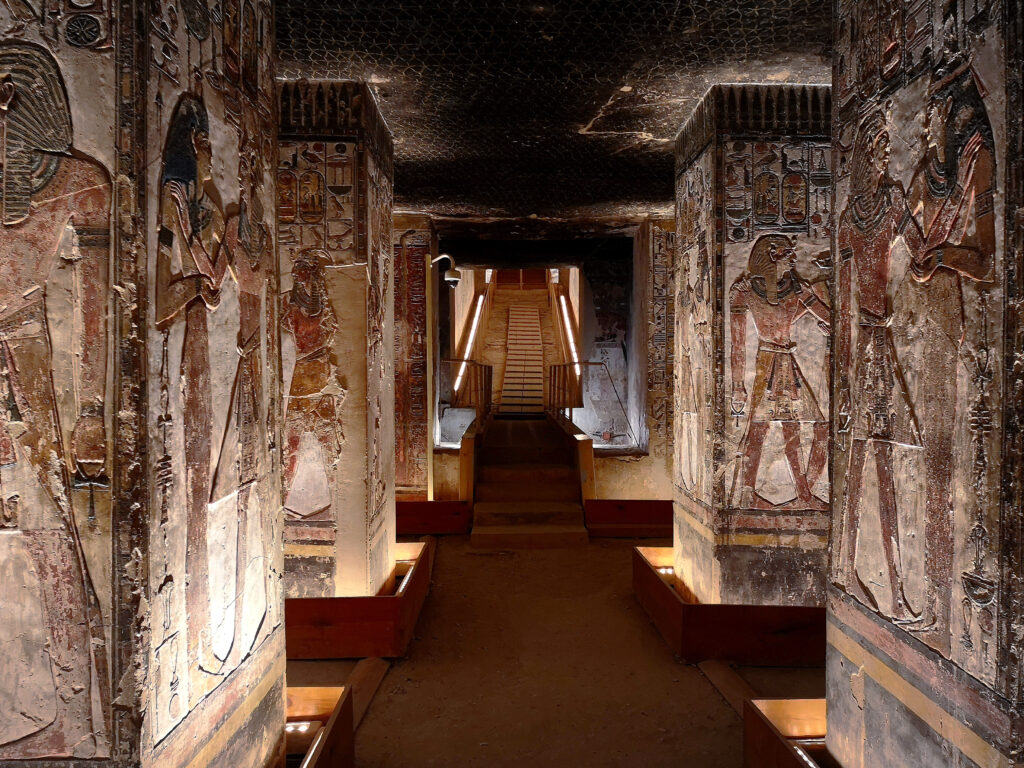
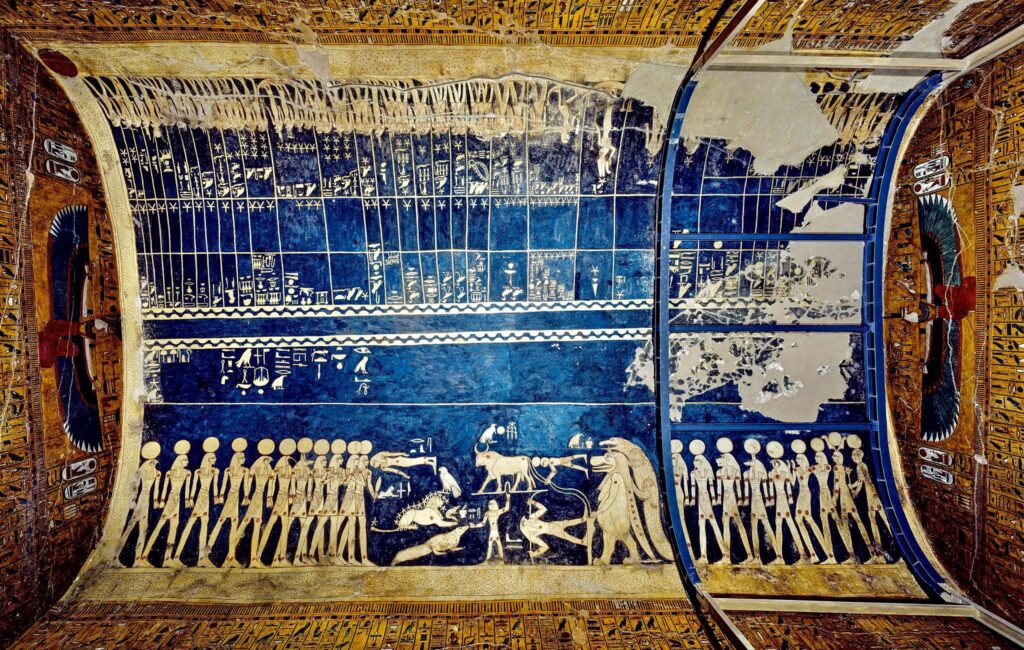
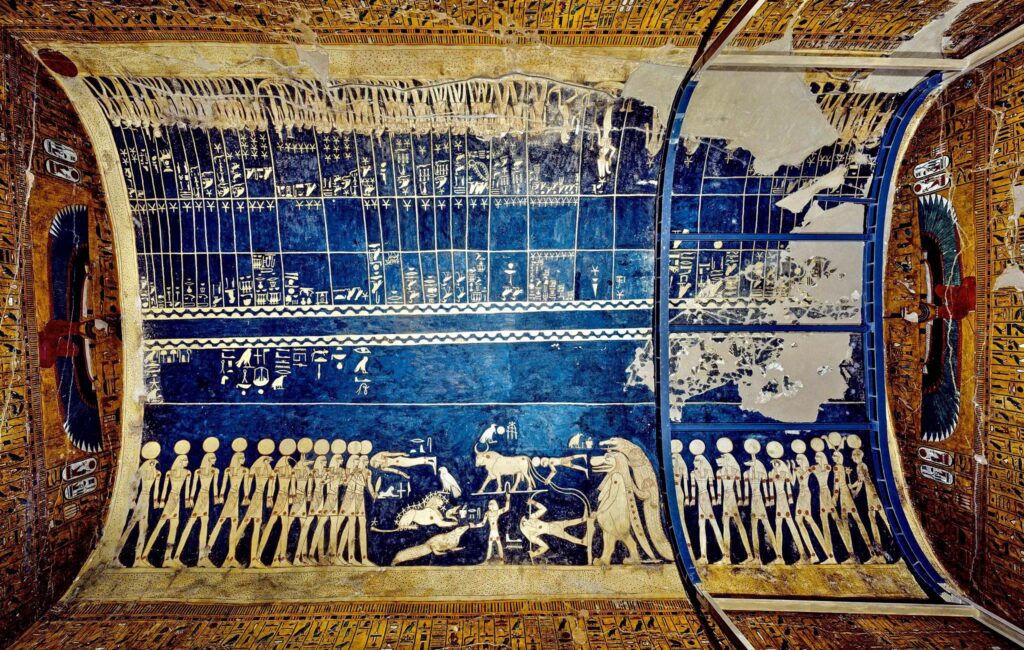
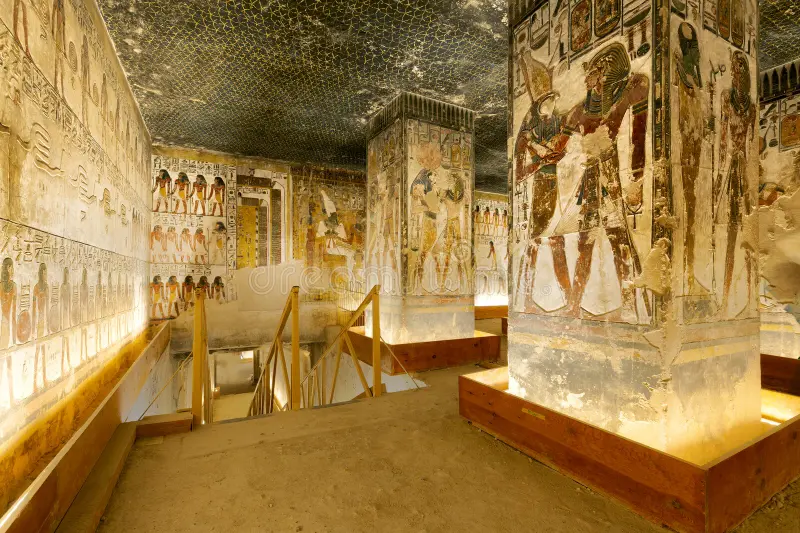
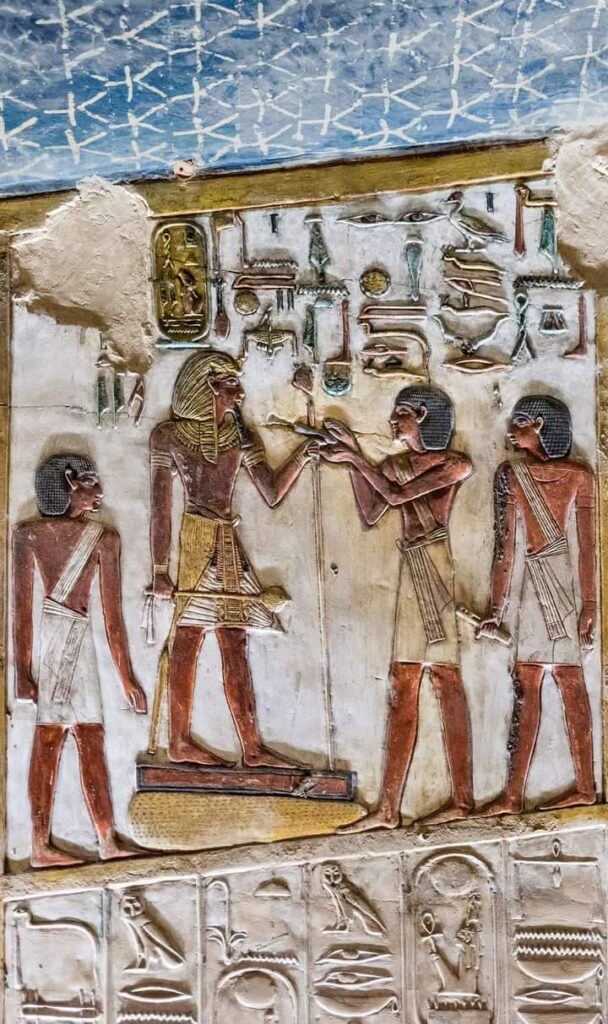
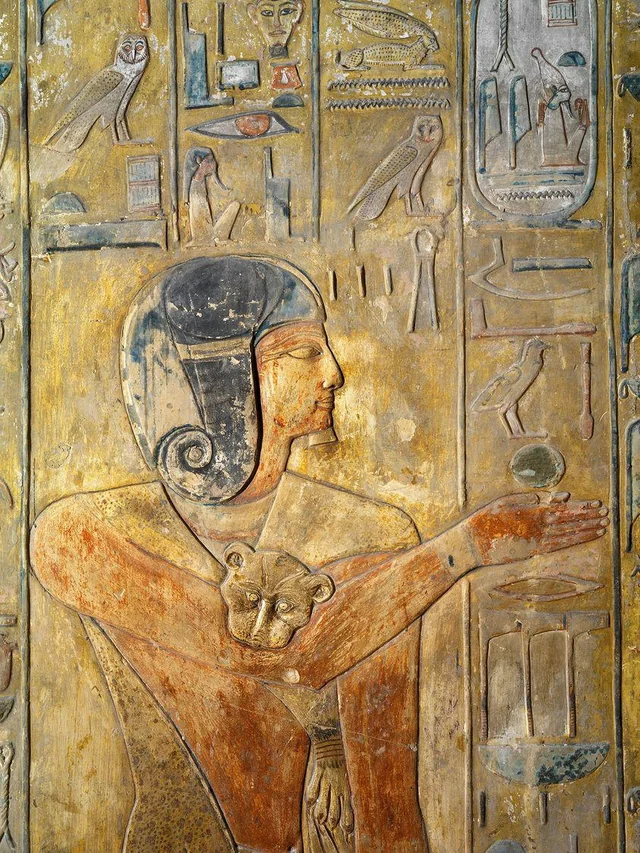
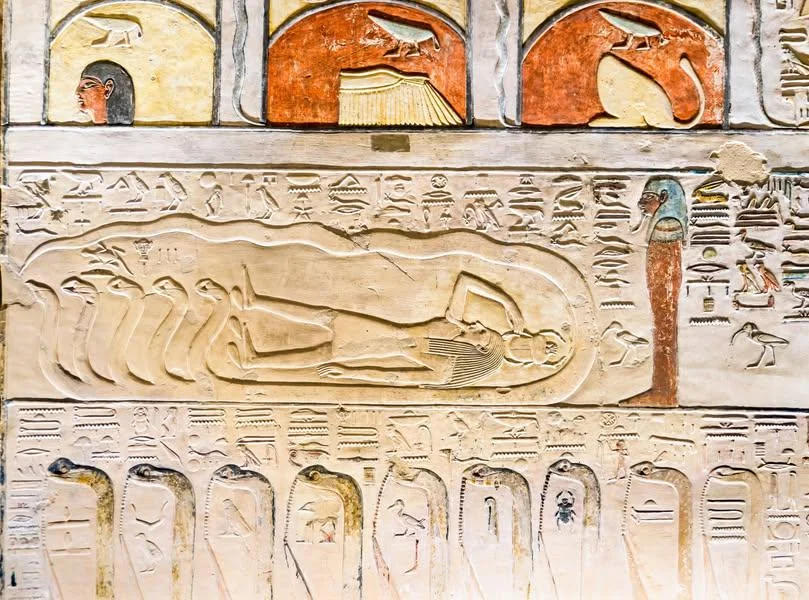
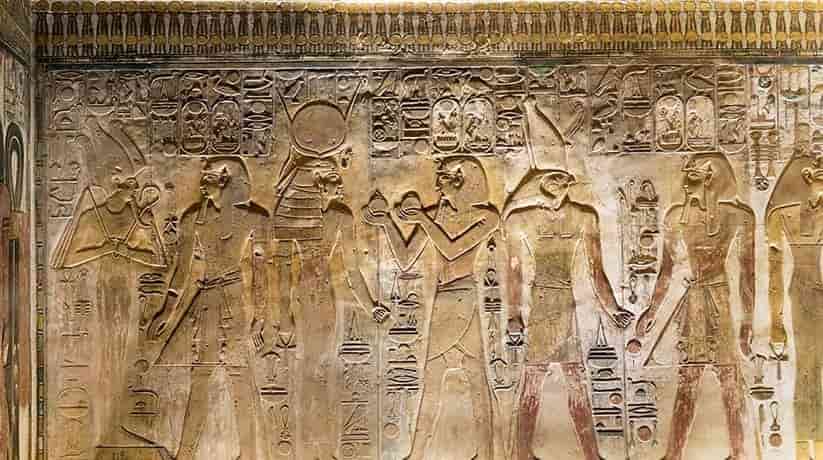
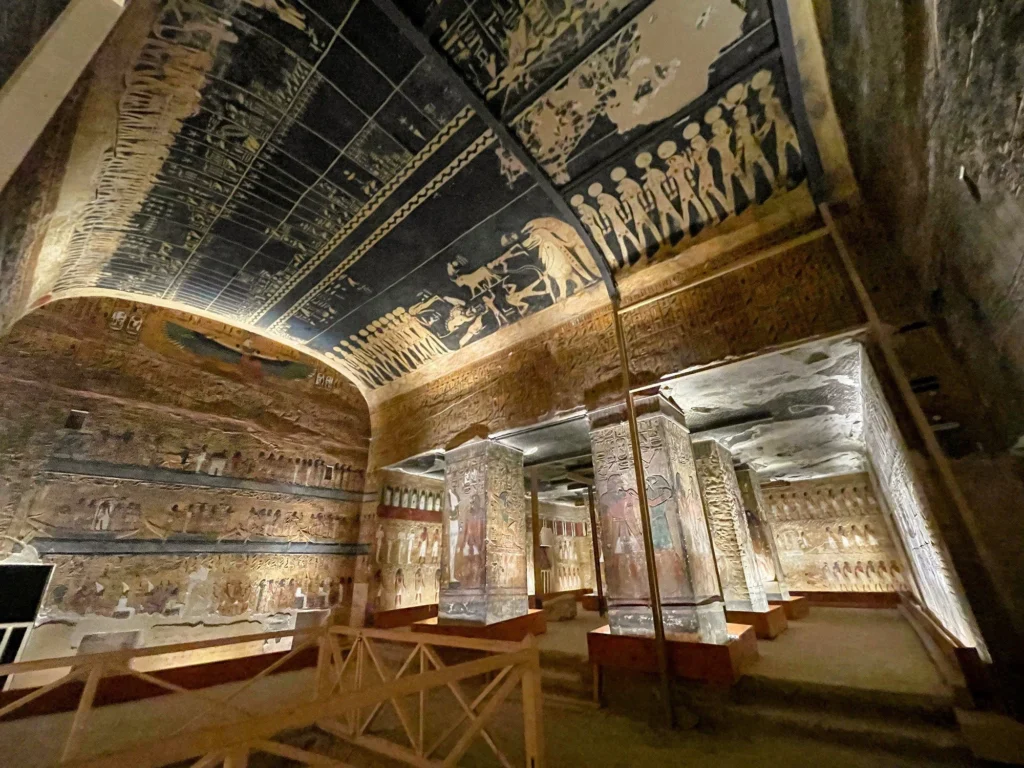
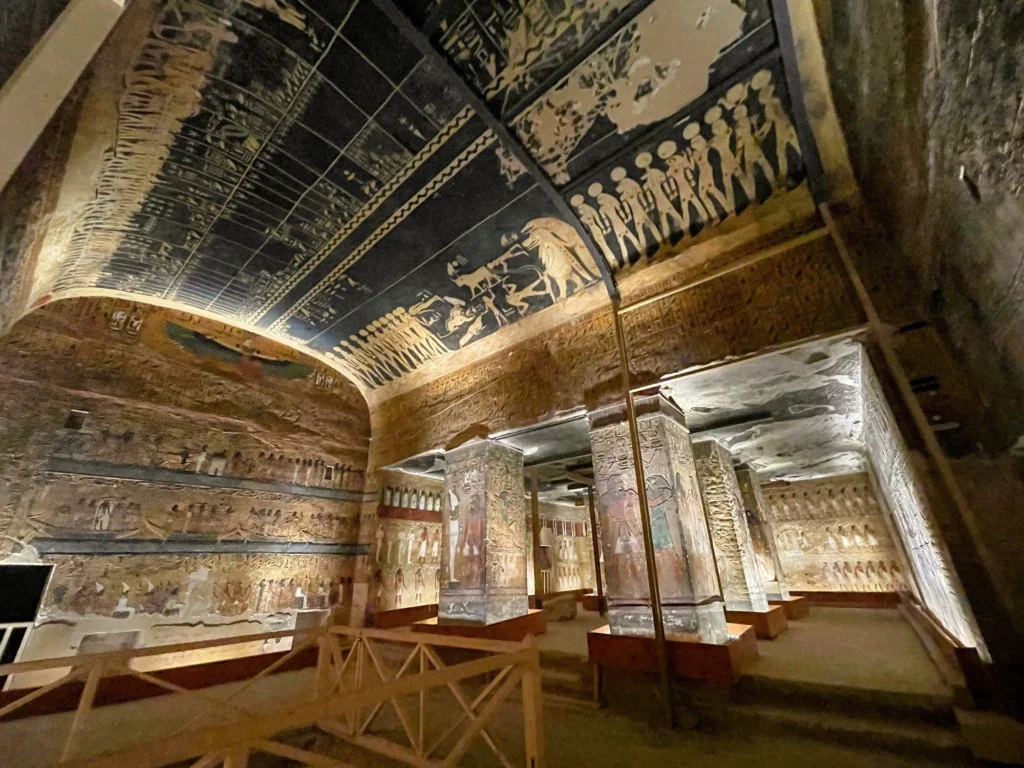
Image ref 114632154. Copyright Shutterstock No reproduction without permission. See www.shutterstock.com/license for more information.Image ref 114632145. Copyright Shutterstock No reproduction without permission. See www.shutterstock.com/license for more information.Image ref 114632143. Copyright Shutterstock No reproduction without permission. See www.shutterstock.com/license for more information.Image ref 114632134. Copyright Shutterstock No reproduction without permission. See www.shutterstock.com/license for more information.Image ref 114632150. Copyright Shutterstock No reproduction without permission. See www.shutterstock.com/license for more information.Image ref 114632094. Copyright Shutterstock No reproduction without permission. See www.shutterstock.com/license for more information.EGYPT – AUGUST 11: Egypt, Thebes (UNESCO World Heritage List, 1979) – Luxor – Valley of the Kings – Tomb of Ramses IX (KV 6) – Third passage – Detail of the frescoed ceiling representing The Egyptian Amduat: The Book of the Hidden Chamber – (Dinasty XX, Ramses IX, 1125-1107 b.C.). (Photo by S. VANNINI/De Agostini/Getty Images)KV6 tomb of Ramses IX at the Valley of the Kings on the West Bank of the Nile river off of Egypt’s southern city of Luxor, Egypt. AfricaHieroglyphs in the Tomb of Ramesses IX, KV6 at Valley of Kings,Luxor,EgyptImage ref 114632154. Copyright Shutterstock No reproduction without permission. See www.shutterstock.com/license for more information.Image ref 114632145. Copyright Shutterstock No reproduction without permission. See www.shutterstock.com/license for more information.Image ref 114632143. Copyright Shutterstock No reproduction without permission. See www.shutterstock.com/license for more information.Image ref 114632134. Copyright Shutterstock No reproduction without permission. See www.shutterstock.com/license for more information.Image ref 114632150. Copyright Shutterstock No reproduction without permission. See www.shutterstock.com/license for more information.Image ref 114632094. Copyright Shutterstock No reproduction without permission. See www.shutterstock.com/license for more information.
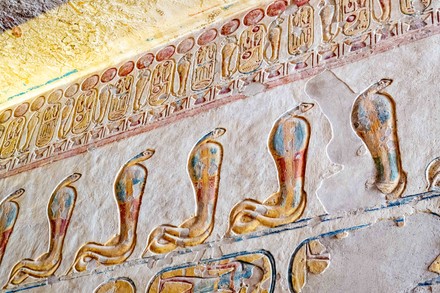
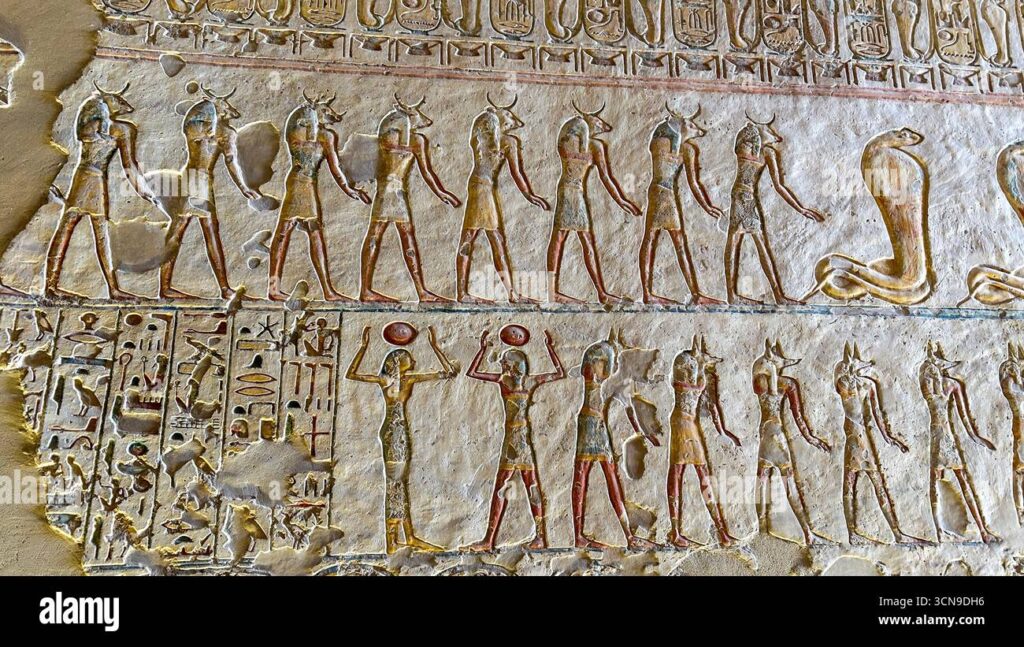
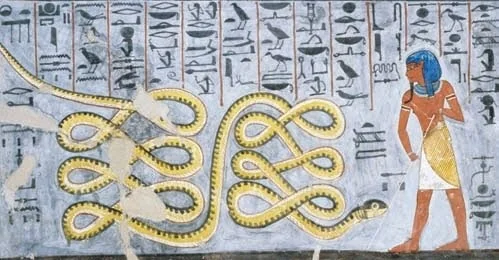
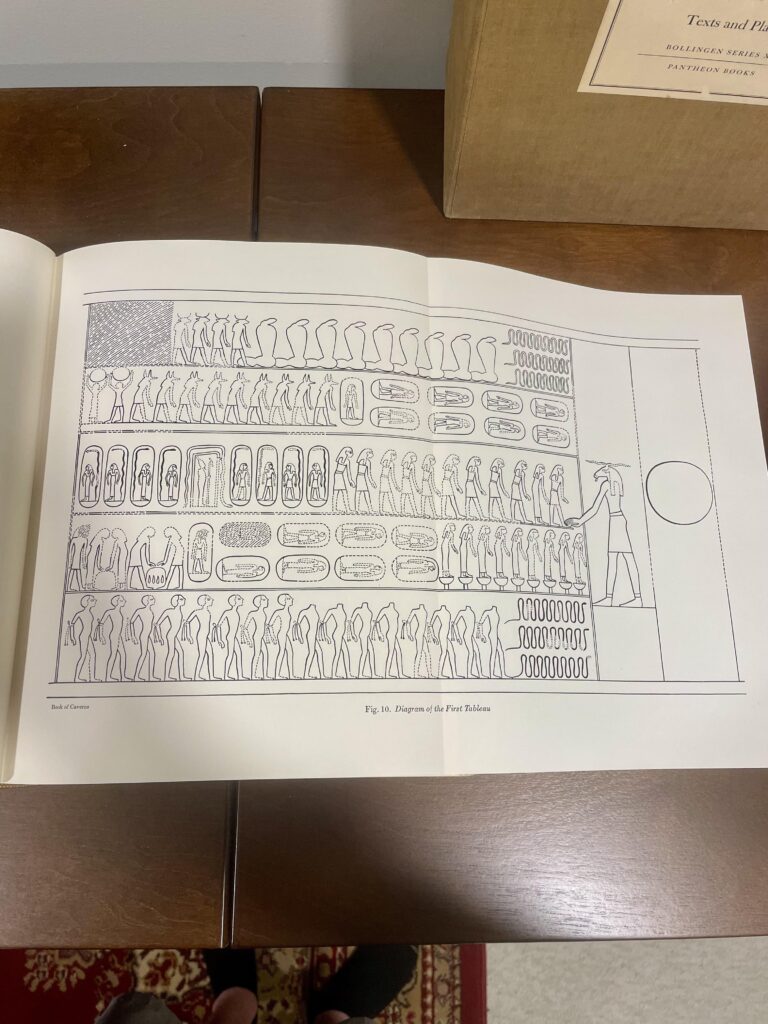
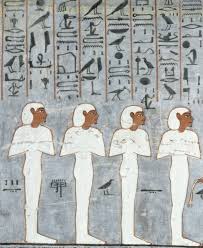
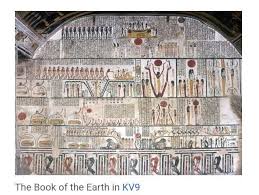
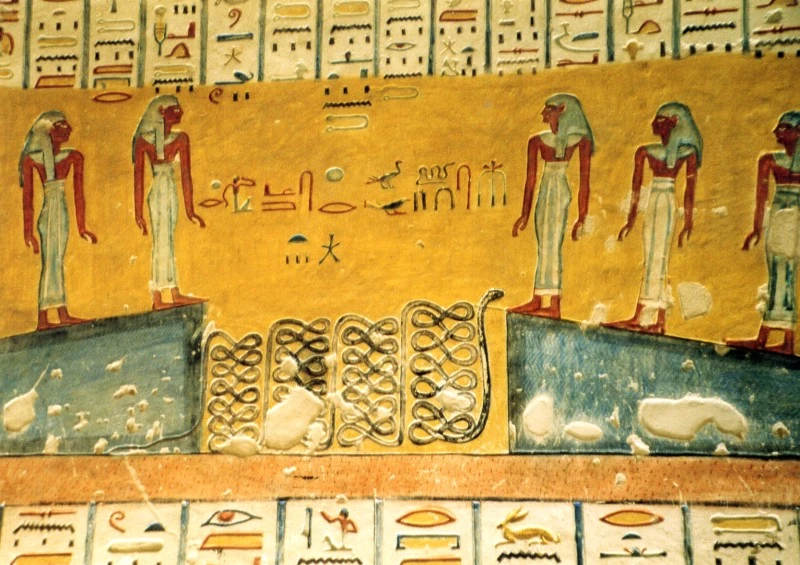
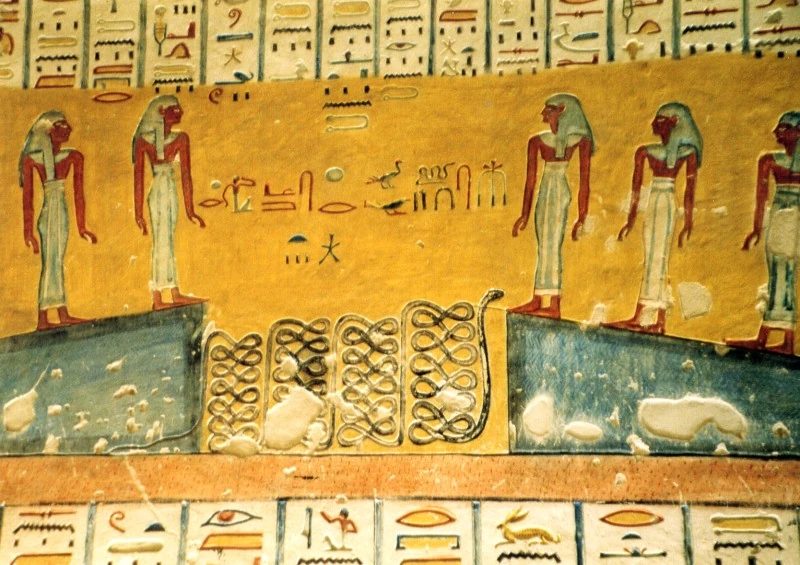
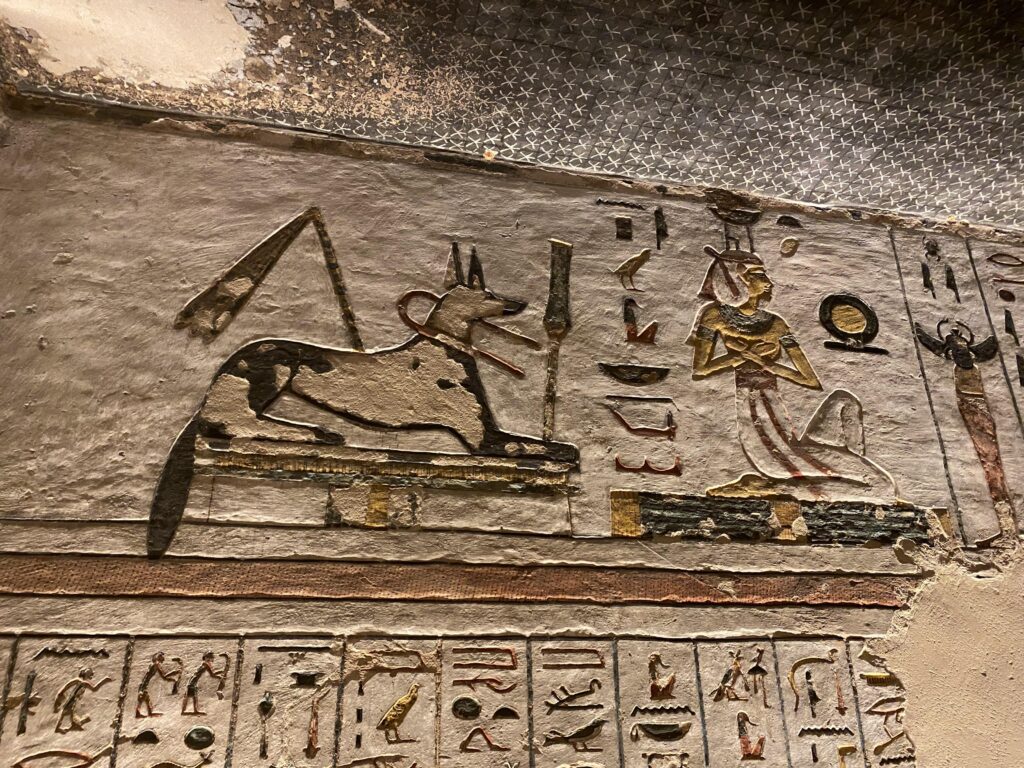
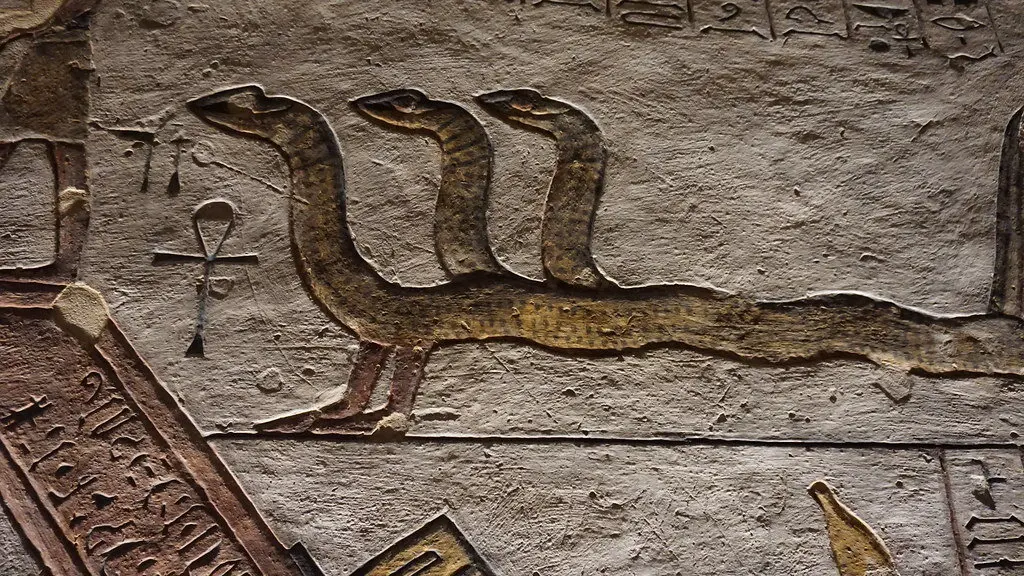
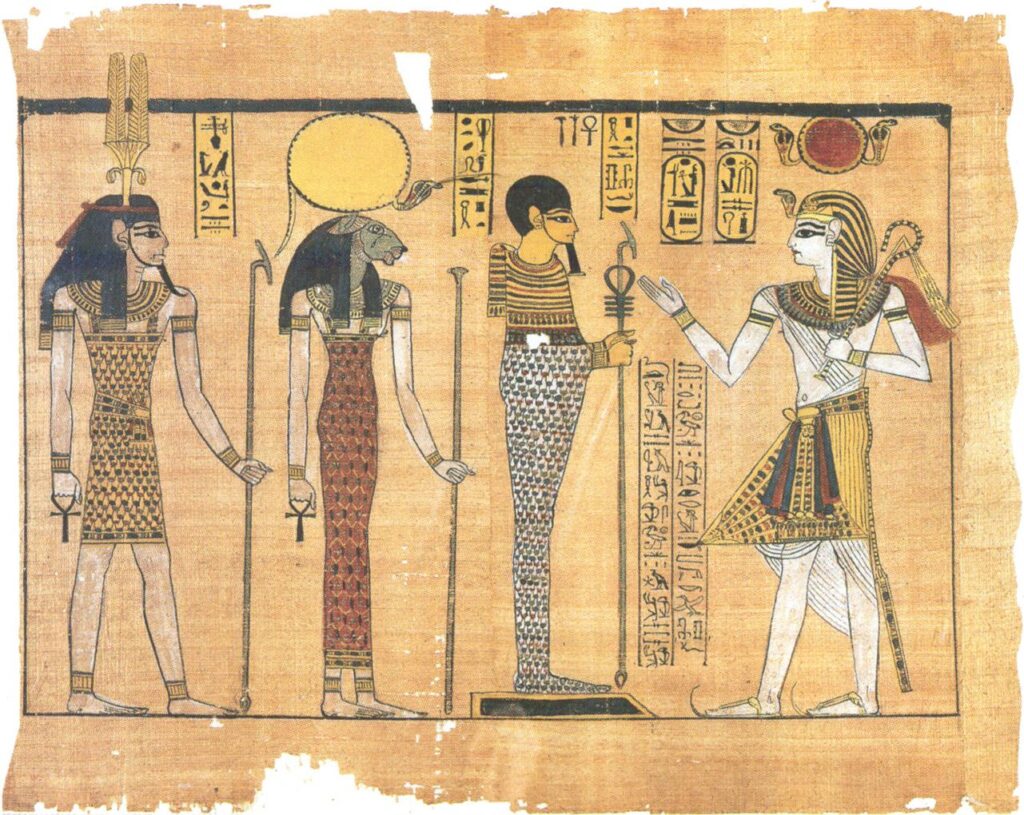
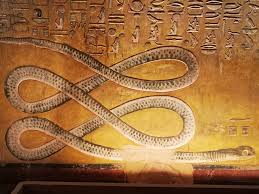
Book of Caverns, fifth division, scene 9: cobras guarding decapitated enemies in a cauldron.; Wall painting and relief carving in the tomb of Rameses V and Rameses VI KV9 in the Valley of the Kings at Thebes, Luxor Egypt.Book of Caverns, fifth division, scene 9: cobras guarding decapitated enemies in a cauldron.; Wall painting and relief carving in the tomb of Rameses V and Rameses VI KV9 in the Valley of the Kings at Thebes, Luxor Egypt.xr:d:DAFu6Ozcn-8:2545,j:1790597668514114688,t:24012715xr:d:DAFqdMNv1ow:1083,j:1109412157258778592,t:23082418A detail of the painting of the 6th section of the Book of Caverns on the wall of the sarcophagus hall of the tomb of Ramses VI, Egypt. Ancient Egyptian. 20th dynasty c 1143 1136 BC. Valley of Kings, West Thebes. (Photo by Werner Forman/Universal Images Group/Getty Images)Image processed by CodeCarvings Piczard ### FREE Community Edition ### on 2020-10-20 15:25:34Z | http://piczard.com | http://codecarvings.com
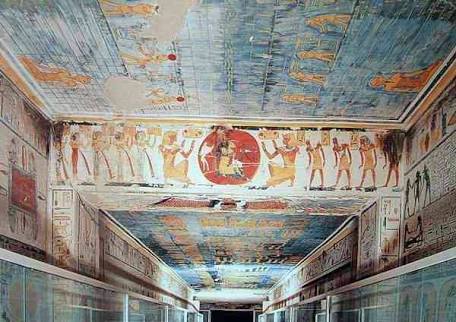
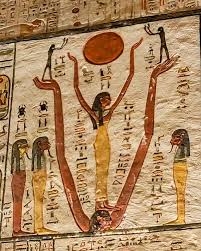
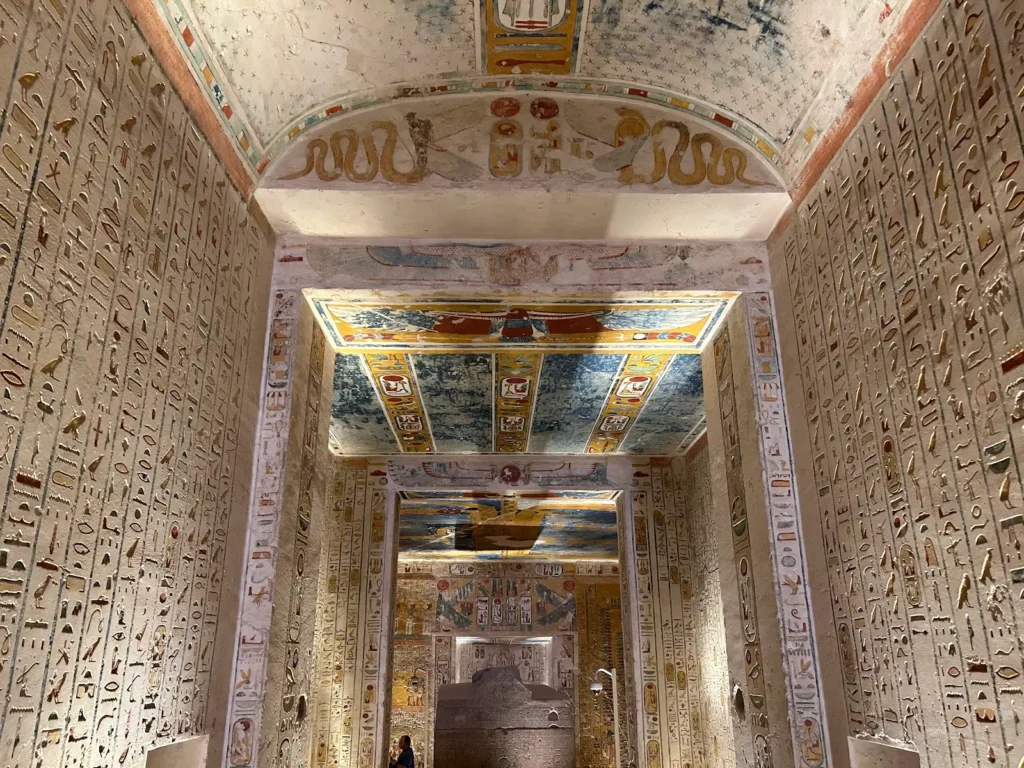
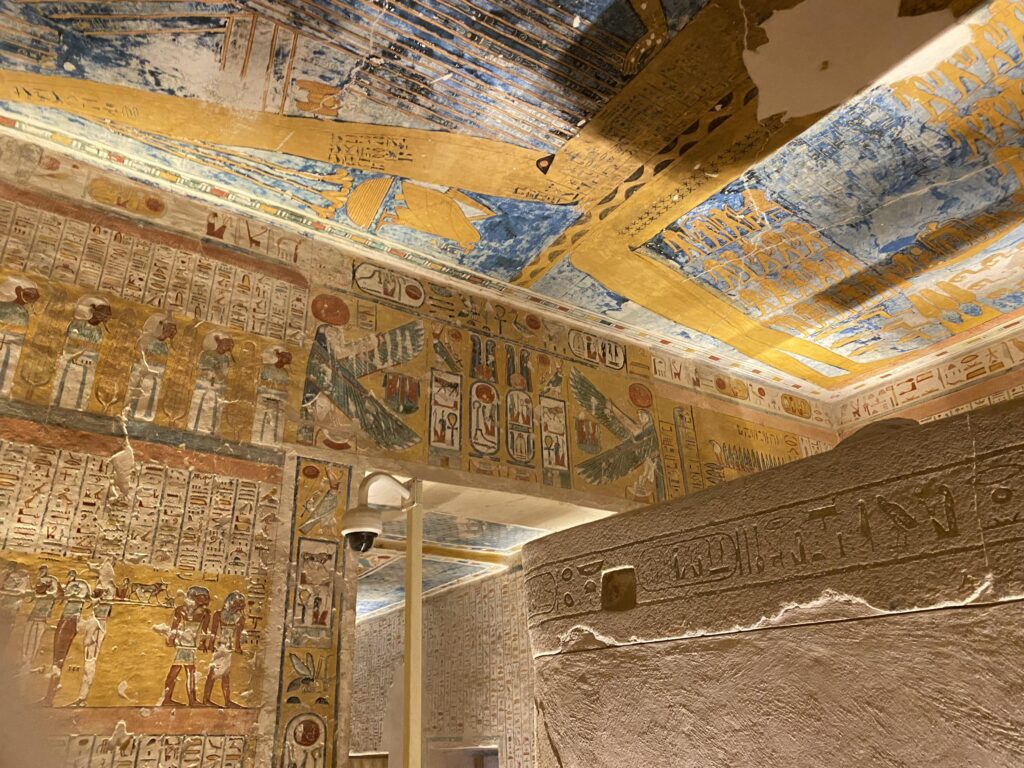
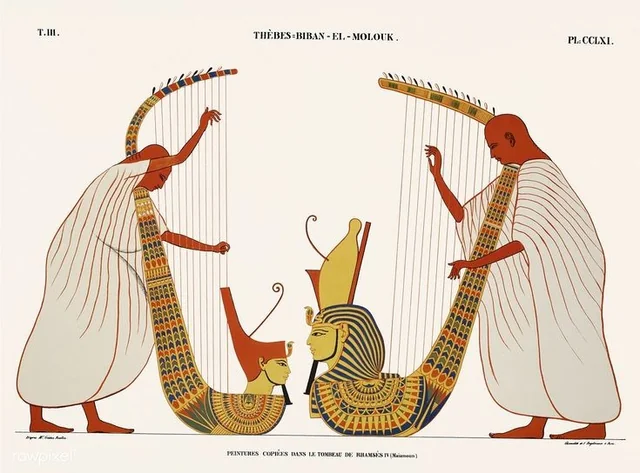
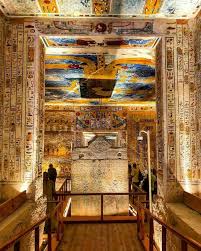
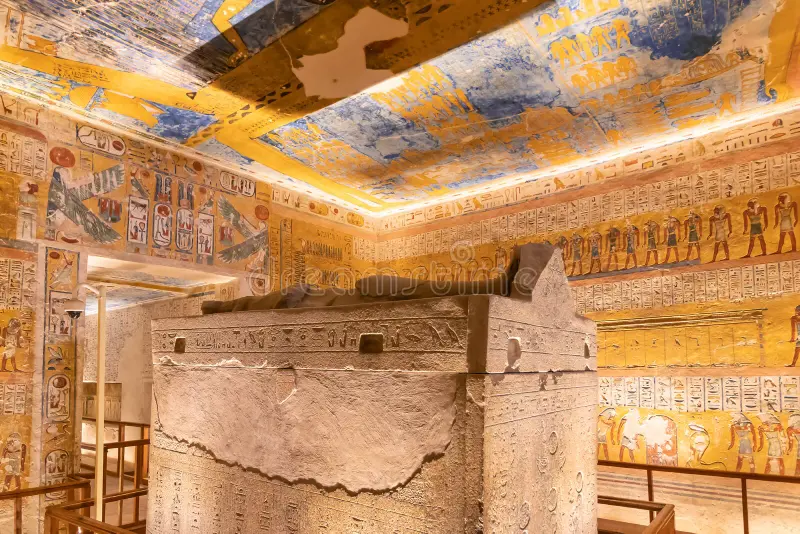
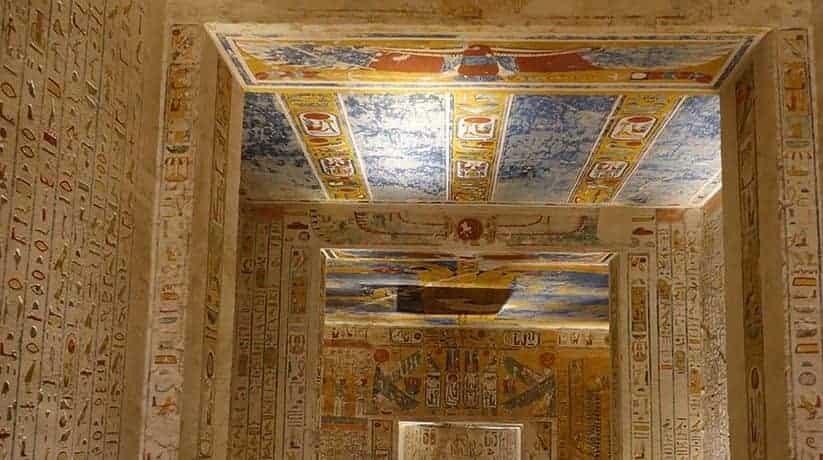
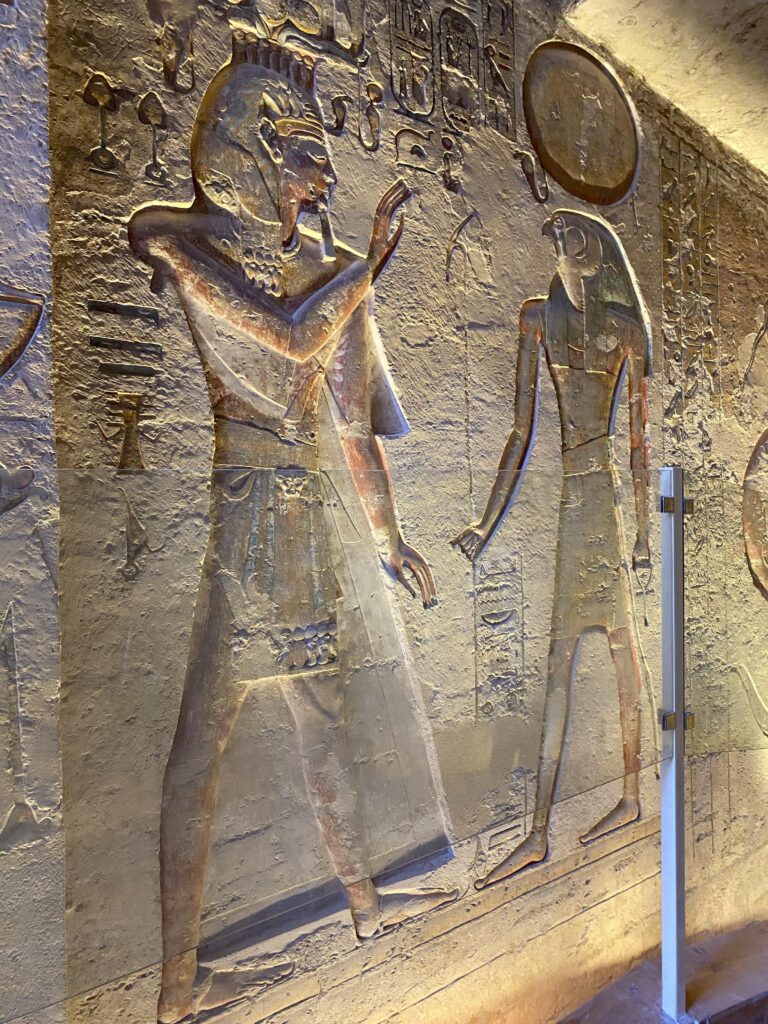
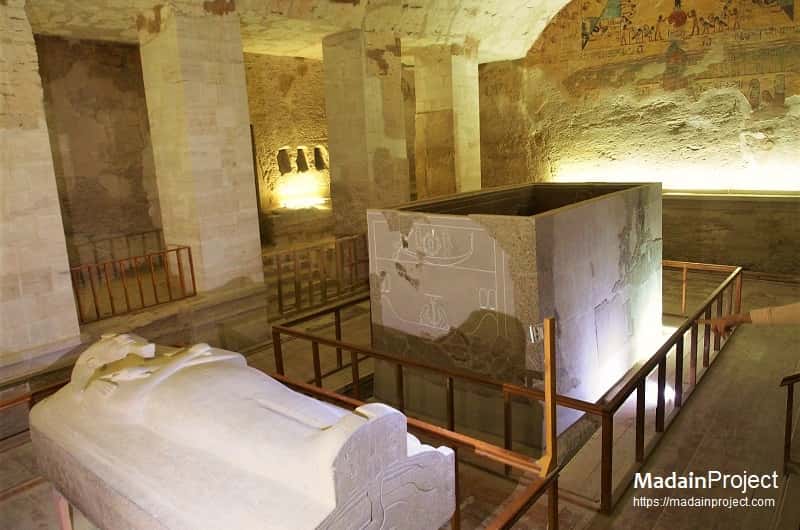
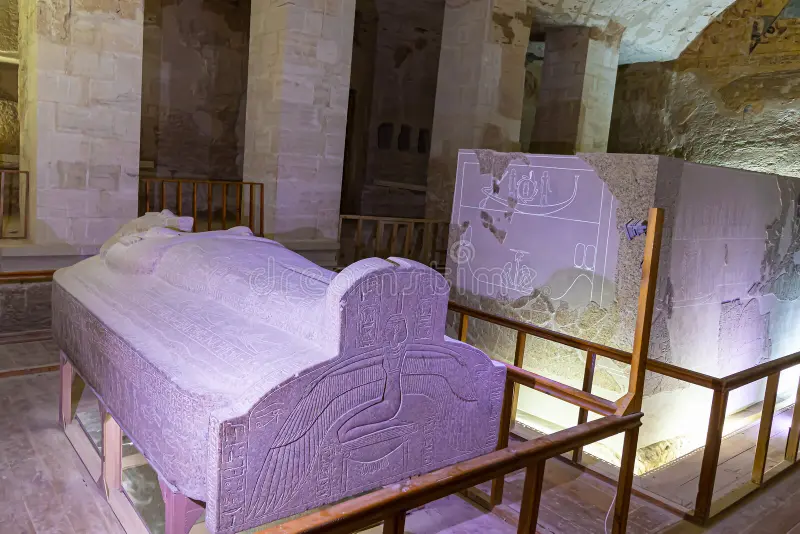
Luxor, Egypt – September 11, 2018: Tomb KV2 in the Valley of the Kings is the burial place of Ramesses IVReliefs and Murals, Tomb of Ramses IV, KV2, Valley of the Kings, UNESCO World Heritage Site, Luxor, Thebes, Egypt, North Africa, AfricaReliefs and Murals, Tomb of Ramses IV, KV2, Valley of the Kings, UNESCO World Heritage Site, Luxor, Thebes, Egypt, North Africa, AfricaSarcophagus in Burial Chamber, Tomb of Ramses IV, KV2, Valley of the Kings, UNESCO World Heritage Site, Luxor, Thebes, Egypt, North Africa, AfricaCreative Commons CC by 2.0Creative Commons CC by 2.0Creative Commons CC by 2.0Tomb of Ramses IV – Egypt Tours Portal??????????????????????????????????Beautifully decorated ceiling and walls with hieroglyphics from Book of the Dead and Litany of Ra in the Tomb of Ramesses IV,KV2, in the Valley of Kings,Luxor,EgyptReliefs and Murals, Tomb of Ramses IV, KV2, Valley of the Kings, UNESCO World Heritage Site, Luxor, Thebes, Egypt, North Africa, AfricaSarcophagus in Burial Chamber, Tomb of Ramses IV, KV2, Valley of the Kings, UNESCO World Heritage Site, Luxor, Thebes, Egypt, North Africa, AfricaTomb of Ramses IV – Egypt Tours Portal??????????????????????????????????
bshImage ref 40011578. Copyright Rex Shutterstock No reproduction without permission. Please see www.rexfeatures.com for more information.Sala colonne – part 004— , Dental–