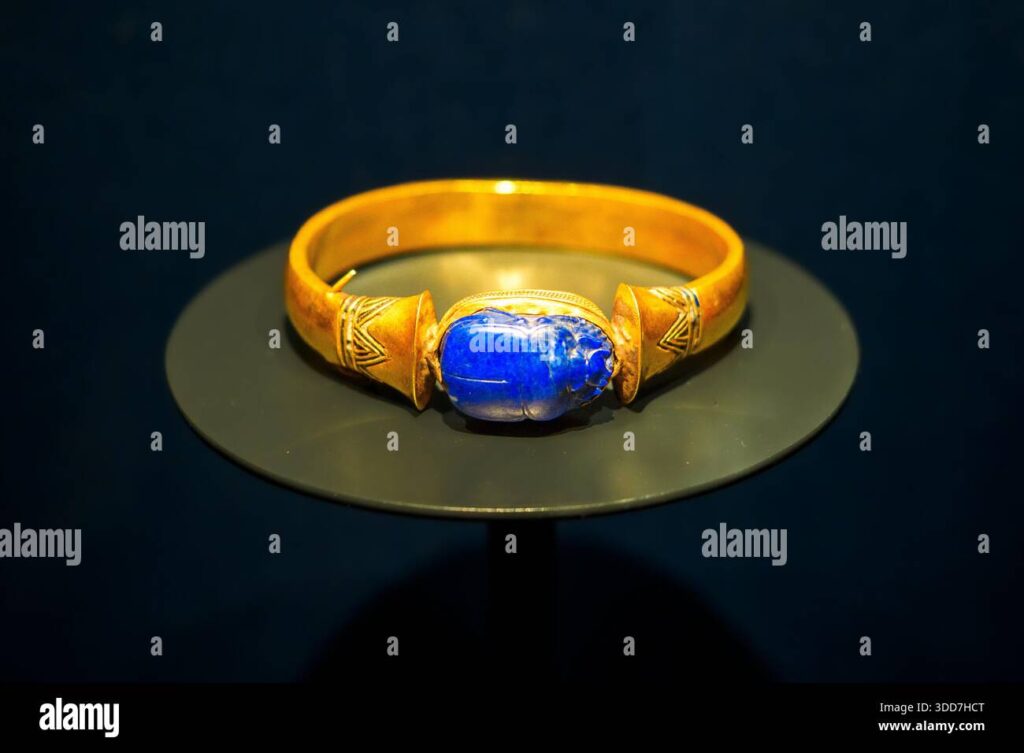
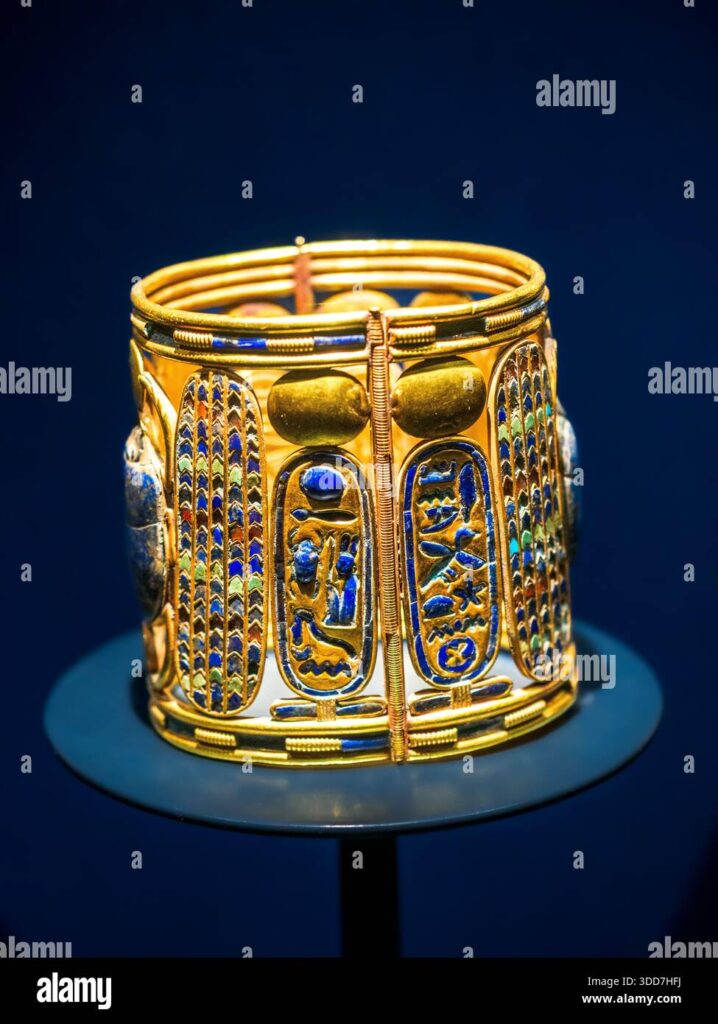
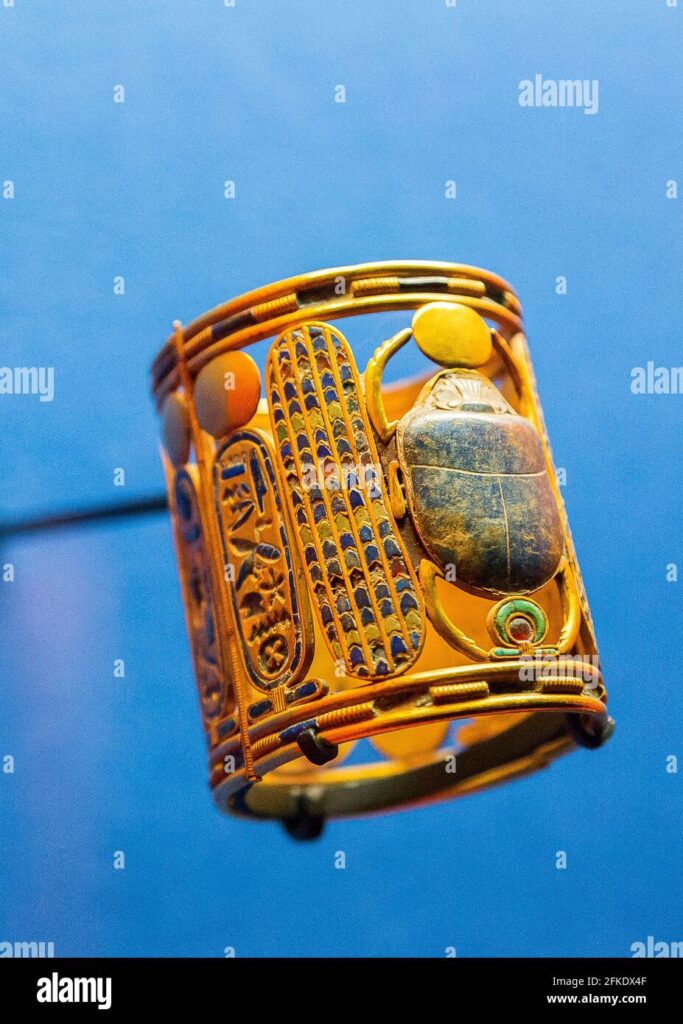
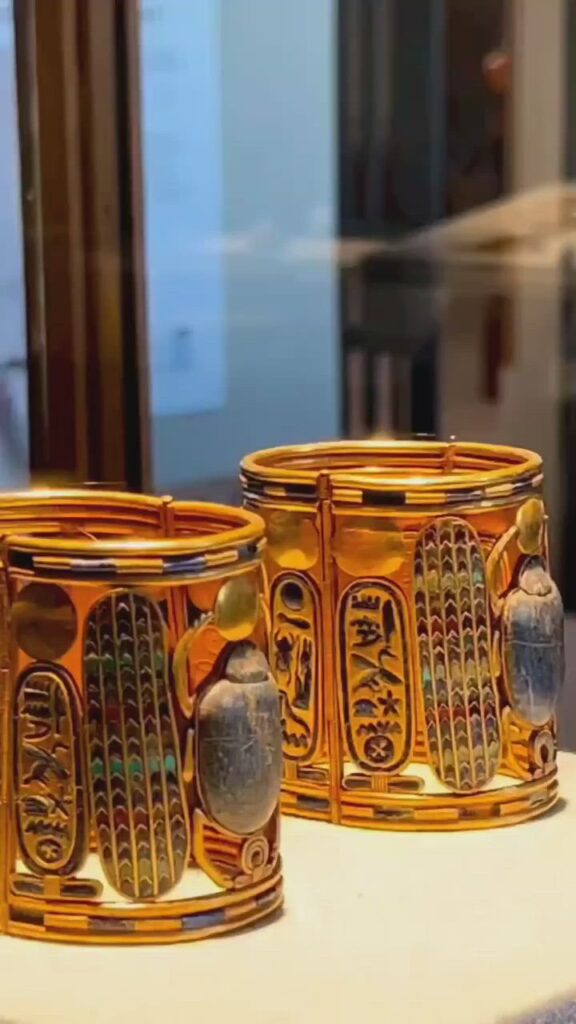
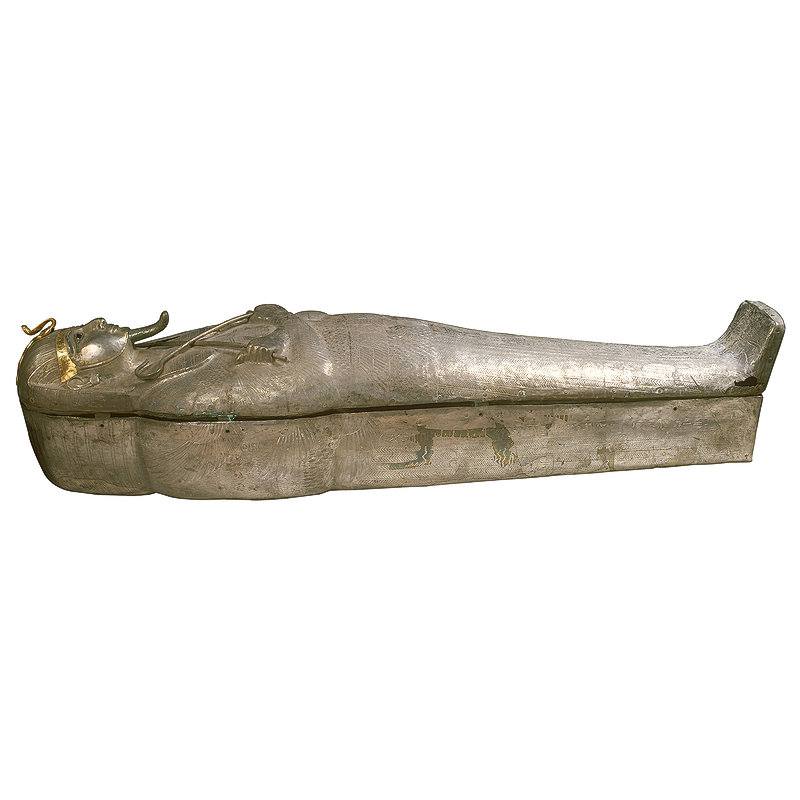
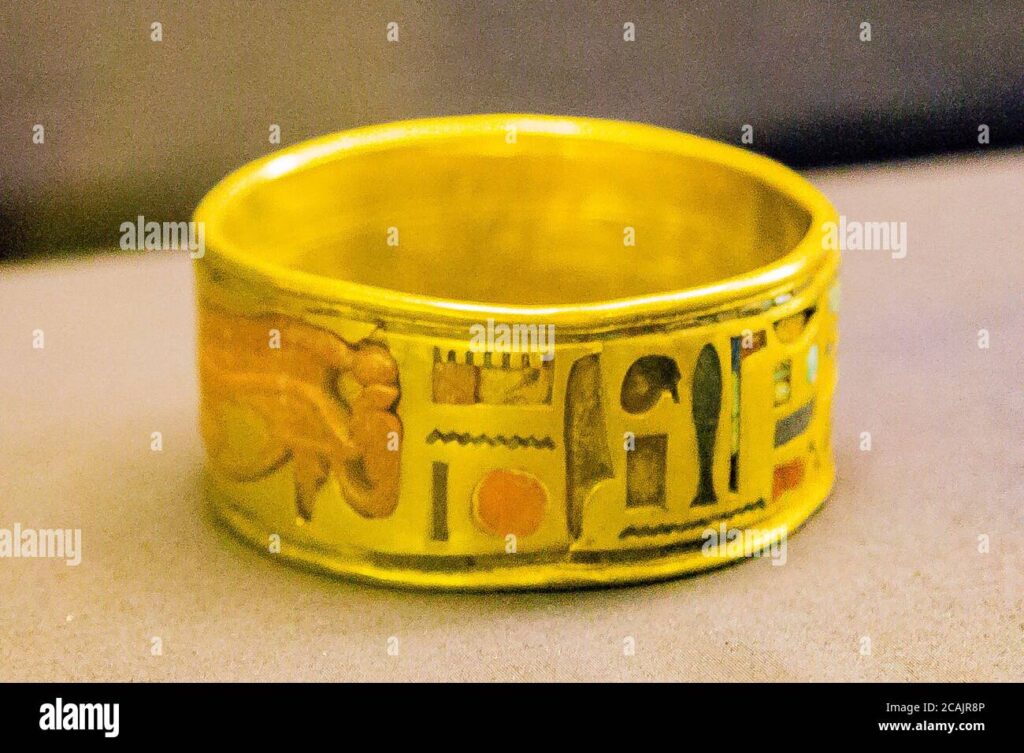
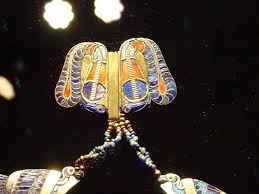
Please note: This photograph requires additional permission prior to use. If you wish to reproduce this image, please contact Bridgeman Images and we will manage the permission request on your behalf.STM752744 Bracelet, Late Imperial period, or Early Byzantine period (gold) by Roman, (4th century AD); 3.4×10.5 cm; Saint Louis Art Museum, Missouri, USA; Saint Louis Art Museum; Museum purchase.Gold bracelet from the tomb of Psusennes I, one of 22 bracelets found on the kings arms, Inlaid with carnelian and other semi precious stones, the hieroglyphic text, including a large wedjat symbol, gives the names and titles of the king and requests that he enjoy longevity. Egypt. Ancient Egyptian. 3rd Intermediate, 21st Dynasty, 1039 991 BC. Tanis. (Photo by Werner Forman/Universal Images Group/Getty Images)Gold bracelet from the tomb of Psusennes I, one of 22 bracelets found on the kings arms, Inlaid with carnelian and other semi precious stones, the hieroglyphic text, including a large wedjat symbol, gives the names and titles of the king and requests that he enjoy longevity. Egypt. Ancient Egyptian. 3rd Intermediate, 21st Dynasty,. Tanis 1039 991 BC. (Photo by Werner Forman/Universal Images Group/Getty Images)